
English
What information is needed to quote precision machined parts?
Table of Contents
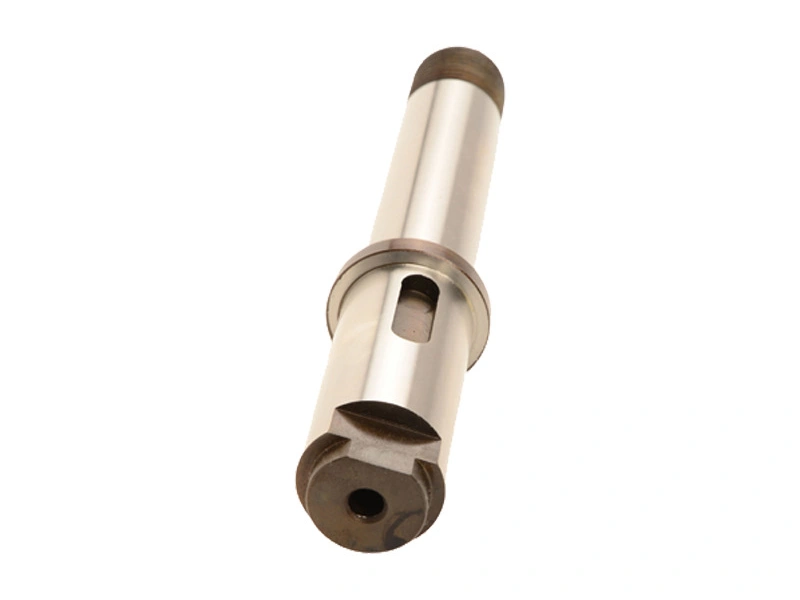
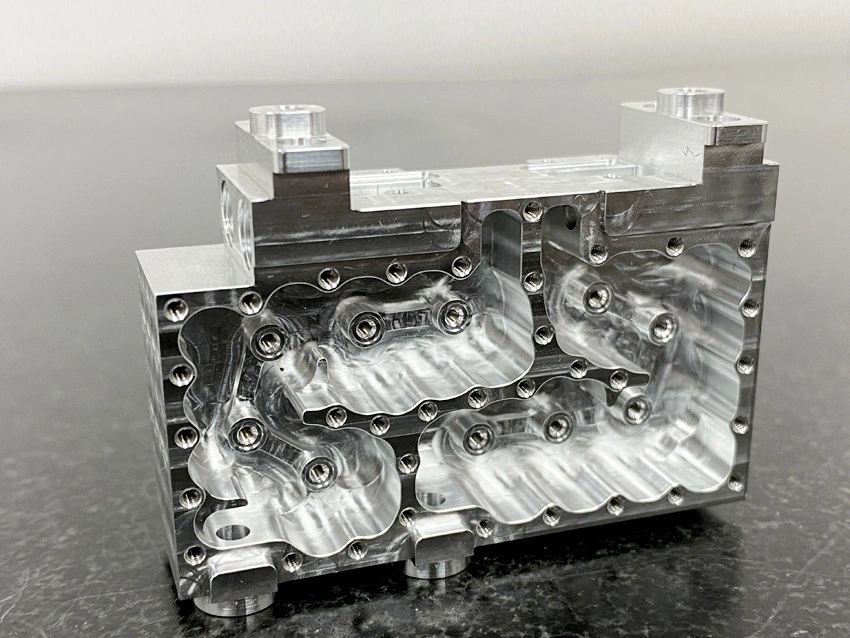
<h2 id="what-information-is-needed-to-quote-precision-machined-parts?">What Information Is Needed to Quote Precision Machined Parts?</h2><p>An accurate quote for a precision-machined part requires a controlled definition of the part, not only a list of files. The supplier needs the functional features, current drawing revision, material and supplied condition, quantity, final surface and thermal state, and acceptance evidence. A three-dimensional model plus a target delivery date can support an early estimate, but missing tolerance, datum, or inspection information must remain stated assumptions. Buyers should identify which interfaces govern fit, sealing, motion, load transfer, or safety before asking for a released price or process route.</p><p>Computer-aided design (CAD) data defines nominal geometry, while a controlled drawing defines the limits used to accept the finished part. An RFQ for <a target="_blank" href="https://www.newaymachining.com/services/precision-machining">precision machining services</a> should connect those files to material grade, product form, heat-treatment sequence, surface condition, and inspection method. Computer numerical control (CNC) machining cost or timing cannot be inferred from geometry alone. Tool access, workholding, feature sequence, tolerance allocation, deburring, finishing, and measurement access can change the route. A reviewable quote therefore states what is known, what is assumed, and which missing input must be resolved before production release.</p><div data-type="row" class="row"><div class="col-12 col-md-6" data-type="col"><p><a href="https://www.newaymachining.com/services/precision-machining"><img src="https://www.newaymachining.com/storage/attachments/2026/05/11/precision-machined-parts-quote-precision-machining-quote.webp" width="800" height="600" loading="lazy"></a></p></div><div class="col-12 col-md-6" data-type="col"><p><a href="https://www.newaymachining.com/services/precision-machining"><img src="https://www.newaymachining.com/storage/attachments/2026/05/11/what-information-is-needed-to-quote-precision-machined-parts.webp" width="800" height="600" loading="lazy"></a></p></div></div><h3 id="1.-key-information-needed-for-a-precision-machining-rfq">1. Information That Makes a Precision-Machining Quote Reviewable</h3><div class="i-typography-table-responsive"><table><tbody><tr><th colspan="1" rowspan="1"><p>RFQ Input</p></th><th colspan="1" rowspan="1"><p>Why the Quote Review Needs It</p></th></tr><tr><td colspan="1" rowspan="1"><p>3D CAD model</p></td><td colspan="1" rowspan="1"><p>Shows geometry, tool access, stock removal, wall transitions, and possible fixture clearance. Confirm the model revision and whether it represents the final part state.</p></td></tr><tr><td colspan="1" rowspan="1"><p>Controlled 2D drawing</p></td><td colspan="1" rowspan="1"><p>Defines dimensions, datums, thread requirements, surface calls, and geometric dimensioning and tolerancing (GD&T). Resolve unclear callouts before they become quote assumptions or inspection disputes.</p></td></tr><tr><td colspan="1" rowspan="1"><p>Material grade and condition</p></td><td colspan="1" rowspan="1"><p>Alloy, product form, certification requirement, residual stress, and supplied condition affect machining response and movement. Confirm whether the quoted route uses annealed, hardened, forged, cast, or other stated stock.</p></td></tr><tr><td colspan="1" rowspan="1"><p>Required quantity and forecast</p></td><td colspan="1" rowspan="1"><p>Prototype, bridge, and repeated quantities create different setup, fixture-validation, and sampling decisions. State the first release quantity separately from any forecast that is not yet committed.</p></td></tr><tr><td colspan="1" rowspan="1"><p>Functional surface requirement</p></td><td colspan="1" rowspan="1"><p>Sealing, bearing, sliding, cosmetic, and coating-preparation surfaces may need different finishing routes. Identify the functional face, final surface state, and any post-machining process that can change it.</p></td></tr><tr><td colspan="1" rowspan="1"><p>Heat-treatment or stress-relief sequence</p></td><td colspan="1" rowspan="1"><p>Thermal processing can change size, form, hardness, and datum relationships. Confirm whether final machining and final inspection occur before or after the specified thermal cycle.</p></td></tr><tr><td colspan="1" rowspan="1"><p>Acceptance and inspection evidence</p></td><td colspan="1" rowspan="1"><p>Coordinate measuring machine (CMM) reports, first-article inspection (FAI), material records, roughness checks, and gauge results answer different questions. Specify the feature, datum, final state, sampling, and record format needed for acceptance.</p></td></tr><tr><td colspan="1" rowspan="1"><p>Mating function and use condition</p></td><td colspan="1" rowspan="1"><p>Fit, sealing medium, motion, load, temperature, and assembly method identify the interfaces that deserve focused process control. Confirm which feature failure would affect the finished assembly.</p></td></tr><tr><td colspan="1" rowspan="1"><p>Required decision date and delivery constraint</p></td><td colspan="1" rowspan="1"><p>A requested date is meaningful only with the technical inputs and approval sequence behind it. Identify drawing-release, material, inspection, and change-approval dependencies rather than treating a date as a standalone production commitment.</p></td></tr></tbody></table></div><h3 id="2.-can-a-supplier-quote-with-only-a-3d-file?">2. When a 3D Model Supports a Preliminary Quote</h3><p>A 3D CAD model can support a preliminary quote when the buyer needs an early comparison of geometry, material direction, and quantity. It is not enough to establish final acceptance when critical dimensions, datum precedence, thread standard, surface texture, or inspection state are absent. The supplier should identify those omissions in the quote rather than silently selecting limits that may not match the mating part or functional requirement.</p><p>Neutral formats such as STEP, Parasolid, or a native CAD file can show geometry, but the controlled drawing remains the source for dimensions and acceptance notes. Buyers should send both files at the same revision and flag any dimension driven by an existing mating component. That comparison is especially important when requesting <a target="_blank" href="https://www.newaymachining.com/services/cnc-machining">CNC machining services</a> for bearing bores, threaded interfaces, sealing features, or datum-controlled patterns. If the drawing is unfinished, the quote should separate a planning assumption from a released requirement.</p><h3 id="3.-which-information-has-the-biggest-impact-on-price?">3. Inputs That Change Quote Assumptions and Process Risk</h3><p>The inputs with the largest effect on a precision-machining quote are usually the ones that change the process route or the evidence required for acceptance. Tight feature-specific controls, restricted tool access, thin walls, deep holes, narrow slots, difficult material conditions, finishing after heat treatment, and documented inspection can each require a different sequence. The buyer should describe the feature and final state, not ask a supplier to infer functional importance from the outer shape alone.</p><p>A non-supplier-specific thin-wall housing illustrates the issue. If a locating bore and sealing face must remain related after heat treatment, the quote needs the material condition, thermal sequence, mating function, datum scheme, and measurement state. Clamping a thin section can temporarily move the bore; machining only to an in-fixture result may not prove free-state geometry. A representative sample checked after release from the fixture gives evidence for the proposed route. The buyer should approve any change to finishing allowance, datum selection, or inspection method before that route becomes the production basis.</p><h3 id="4.-quantity-should-match-the-project-stage">4. Quantity, Learning, and Process Release</h3><p>Prototype, low-volume, and repeated quantities should not be treated as the same quotation problem. A first article may be used to test access, workholding, material behavior, and measurement method. Repeated production may require an agreed fixture approach, process documentation, sampling plan, and change-control point. The RFQ should state whether the requested quantity is for design learning, assembly verification, a bridge build, or an approved repeated part.</p><p>For early design verification, <a target="_blank" href="https://www.newaymachining.com/services/cnc-machining-prototyping">CNC machining prototyping</a> can expose missing drawing information before a repeatable route is released. The useful result is not a blanket capability claim. It is evidence about the stated feature, material condition, setup, and inspection method. Buyers should provide the anticipated next quantity and explain which results must be reviewed before moving from a sample to a broader release.</p><h3 id="5.-low-volume-and-production-quotes-need-different-planning">5. Low-Volume Planning Before Repeated Production</h3><p>For <a target="_blank" href="https://www.newaymachining.com/services/low-volume-manufacturing">low-volume manufacturing</a>, the quote should separate necessary first-batch work from decisions that make sense only after the design is stable. Fixture complexity, datum transfer, inspection frequency, special tooling, deburring method, and record retention depend on the controlled features and the number of parts to be accepted. A forecast is useful when it informs those decisions, but it should not replace the confirmed release quantity.</p><p>Buyers can make the comparison clearer by asking the supplier to list the assumed stock form, setup count, finishing sequence, inspection access, and limits of the proposed route. If future quantities require a different fixture, gauge, surface process, or sampling plan, that change should be visible before the first quote is used as a production reference. This avoids treating an early sample route as evidence that an unreviewed repeated route will meet the same acceptance condition.</p><h3 id="6.-inspection-requirements-should-be-defined-before-quotation">6. Inspection Evidence Needed Before Pricing</h3><p>Inspection requirements affect a quote only when they identify what must be measured, from which datums, in which final condition, and with what record. A CMM report without named features, a roughness request without a functional surface, or a material record without the required condition can leave the acceptance plan unresolved. Buyers should state whether a full first article, selected critical-feature results, material traceability, thread verification, hardness evidence, or batch records are required.</p><p>Inspection planning should concentrate on features that control fit, alignment, sealing, motion, load transfer, or safety. Applying the same evidence to every noncritical profile can add work without proving the interfaces that matter. The buyer and supplier should agree on measurement access after deburring, coating, heat treatment, or assembly-related operations, because a result taken in an earlier state may not establish the final acceptance condition.</p><h3 id="7.-practical-engineering-recommendation">7. A Practical RFQ Release Decision</h3><p>A precision-machined-parts quote is ready for release when the 3D model, controlled drawing, material and condition, functional interfaces, quantity, surface and thermal sequence, inspection evidence, and approval path describe the same final part state. Where information remains open, the quote should state the specific assumption and the decision needed to replace it. That distinction lets procurement compare like-for-like routes without confusing an estimate with an accepted manufacturing plan.</p><p>Before approving an RFQ, ask the supplier to identify the assumed process sequence, workholding constraints, critical datums, finishing allowances, measurement access, required records, and any change that could alter the accepted part. Provide the mating purpose, latest CAD and drawing revision, material documentation, quantity plan, and acceptance criteria. Approve changes to the drawing, material condition, heat-treatment order, surface process, inspection method, or sampling plan before they affect a released build. These inputs give both sides a traceable basis for deciding whether the quoted route fits the precision-machined component.</p>
<h2 id="what-information-is-needed-to-quote-precision-machined-parts?">What Information Is Needed to Quote Precision Machined Parts?</h2><p>An accurate quote for a precision-machined part requires a controlled definition of the part, not only a list of files. The supplier needs the functional features, current drawing revision, material and supplied condition, quantity, final surface and thermal state, and acceptance evidence. A three-dimensional model plus a target delivery date can support an early estimate, but missing tolerance, datum, or inspection information must remain stated assumptions. Buyers should identify which interfaces govern fit, sealing, motion, load transfer, or safety before asking for a released price or process route.</p><p>Computer-aided design (CAD) data defines nominal geometry, while a controlled drawing defines the limits used to accept the finished part. An RFQ for <a target="_blank" href="https://www.newaymachining.com/services/precision-machining">precision machining services</a> should connect those files to material grade, product form, heat-treatment sequence, surface condition, and inspection method. Computer numerical control (CNC) machining cost or timing cannot be inferred from geometry alone. Tool access, workholding, feature sequence, tolerance allocation, deburring, finishing, and measurement access can change the route. A reviewable quote therefore states what is known, what is assumed, and which missing input must be resolved before production release.</p><div data-type="row" class="row"><div class="col-12 col-md-6" data-type="col"><p><a href="https://www.newaymachining.com/services/precision-machining"><img src="https://www.newaymachining.com/storage/attachments/2026/05/11/precision-machined-parts-quote-precision-machining-quote.webp" width="800" height="600" loading="lazy"></a></p></div><div class="col-12 col-md-6" data-type="col"><p><a href="https://www.newaymachining.com/services/precision-machining"><img src="https://www.newaymachining.com/storage/attachments/2026/05/11/what-information-is-needed-to-quote-precision-machined-parts.webp" width="800" height="600" loading="lazy"></a></p></div></div><h3 id="1.-key-information-needed-for-a-precision-machining-rfq">1. Information That Makes a Precision-Machining Quote Reviewable</h3><div class="i-typography-table-responsive"><table><tbody><tr><th colspan="1" rowspan="1"><p>RFQ Input</p></th><th colspan="1" rowspan="1"><p>Why the Quote Review Needs It</p></th></tr><tr><td colspan="1" rowspan="1"><p>3D CAD model</p></td><td colspan="1" rowspan="1"><p>Shows geometry, tool access, stock removal, wall transitions, and possible fixture clearance. Confirm the model revision and whether it represents the final part state.</p></td></tr><tr><td colspan="1" rowspan="1"><p>Controlled 2D drawing</p></td><td colspan="1" rowspan="1"><p>Defines dimensions, datums, thread requirements, surface calls, and geometric dimensioning and tolerancing (GD&T). Resolve unclear callouts before they become quote assumptions or inspection disputes.</p></td></tr><tr><td colspan="1" rowspan="1"><p>Material grade and condition</p></td><td colspan="1" rowspan="1"><p>Alloy, product form, certification requirement, residual stress, and supplied condition affect machining response and movement. Confirm whether the quoted route uses annealed, hardened, forged, cast, or other stated stock.</p></td></tr><tr><td colspan="1" rowspan="1"><p>Required quantity and forecast</p></td><td colspan="1" rowspan="1"><p>Prototype, bridge, and repeated quantities create different setup, fixture-validation, and sampling decisions. State the first release quantity separately from any forecast that is not yet committed.</p></td></tr><tr><td colspan="1" rowspan="1"><p>Functional surface requirement</p></td><td colspan="1" rowspan="1"><p>Sealing, bearing, sliding, cosmetic, and coating-preparation surfaces may need different finishing routes. Identify the functional face, final surface state, and any post-machining process that can change it.</p></td></tr><tr><td colspan="1" rowspan="1"><p>Heat-treatment or stress-relief sequence</p></td><td colspan="1" rowspan="1"><p>Thermal processing can change size, form, hardness, and datum relationships. Confirm whether final machining and final inspection occur before or after the specified thermal cycle.</p></td></tr><tr><td colspan="1" rowspan="1"><p>Acceptance and inspection evidence</p></td><td colspan="1" rowspan="1"><p>Coordinate measuring machine (CMM) reports, first-article inspection (FAI), material records, roughness checks, and gauge results answer different questions. Specify the feature, datum, final state, sampling, and record format needed for acceptance.</p></td></tr><tr><td colspan="1" rowspan="1"><p>Mating function and use condition</p></td><td colspan="1" rowspan="1"><p>Fit, sealing medium, motion, load, temperature, and assembly method identify the interfaces that deserve focused process control. Confirm which feature failure would affect the finished assembly.</p></td></tr><tr><td colspan="1" rowspan="1"><p>Required decision date and delivery constraint</p></td><td colspan="1" rowspan="1"><p>A requested date is meaningful only with the technical inputs and approval sequence behind it. Identify drawing-release, material, inspection, and change-approval dependencies rather than treating a date as a standalone production commitment.</p></td></tr></tbody></table></div><h3 id="2.-can-a-supplier-quote-with-only-a-3d-file?">2. When a 3D Model Supports a Preliminary Quote</h3><p>A 3D CAD model can support a preliminary quote when the buyer needs an early comparison of geometry, material direction, and quantity. It is not enough to establish final acceptance when critical dimensions, datum precedence, thread standard, surface texture, or inspection state are absent. The supplier should identify those omissions in the quote rather than silently selecting limits that may not match the mating part or functional requirement.</p><p>Neutral formats such as STEP, Parasolid, or a native CAD file can show geometry, but the controlled drawing remains the source for dimensions and acceptance notes. Buyers should send both files at the same revision and flag any dimension driven by an existing mating component. That comparison is especially important when requesting <a target="_blank" href="https://www.newaymachining.com/services/cnc-machining">CNC machining services</a> for bearing bores, threaded interfaces, sealing features, or datum-controlled patterns. If the drawing is unfinished, the quote should separate a planning assumption from a released requirement.</p><h3 id="3.-which-information-has-the-biggest-impact-on-price?">3. Inputs That Change Quote Assumptions and Process Risk</h3><p>The inputs with the largest effect on a precision-machining quote are usually the ones that change the process route or the evidence required for acceptance. Tight feature-specific controls, restricted tool access, thin walls, deep holes, narrow slots, difficult material conditions, finishing after heat treatment, and documented inspection can each require a different sequence. The buyer should describe the feature and final state, not ask a supplier to infer functional importance from the outer shape alone.</p><p>A non-supplier-specific thin-wall housing illustrates the issue. If a locating bore and sealing face must remain related after heat treatment, the quote needs the material condition, thermal sequence, mating function, datum scheme, and measurement state. Clamping a thin section can temporarily move the bore; machining only to an in-fixture result may not prove free-state geometry. A representative sample checked after release from the fixture gives evidence for the proposed route. The buyer should approve any change to finishing allowance, datum selection, or inspection method before that route becomes the production basis.</p><h3 id="4.-quantity-should-match-the-project-stage">4. Quantity, Learning, and Process Release</h3><p>Prototype, low-volume, and repeated quantities should not be treated as the same quotation problem. A first article may be used to test access, workholding, material behavior, and measurement method. Repeated production may require an agreed fixture approach, process documentation, sampling plan, and change-control point. The RFQ should state whether the requested quantity is for design learning, assembly verification, a bridge build, or an approved repeated part.</p><p>For early design verification, <a target="_blank" href="https://www.newaymachining.com/services/cnc-machining-prototyping">CNC machining prototyping</a> can expose missing drawing information before a repeatable route is released. The useful result is not a blanket capability claim. It is evidence about the stated feature, material condition, setup, and inspection method. Buyers should provide the anticipated next quantity and explain which results must be reviewed before moving from a sample to a broader release.</p><h3 id="5.-low-volume-and-production-quotes-need-different-planning">5. Low-Volume Planning Before Repeated Production</h3><p>For <a target="_blank" href="https://www.newaymachining.com/services/low-volume-manufacturing">low-volume manufacturing</a>, the quote should separate necessary first-batch work from decisions that make sense only after the design is stable. Fixture complexity, datum transfer, inspection frequency, special tooling, deburring method, and record retention depend on the controlled features and the number of parts to be accepted. A forecast is useful when it informs those decisions, but it should not replace the confirmed release quantity.</p><p>Buyers can make the comparison clearer by asking the supplier to list the assumed stock form, setup count, finishing sequence, inspection access, and limits of the proposed route. If future quantities require a different fixture, gauge, surface process, or sampling plan, that change should be visible before the first quote is used as a production reference. This avoids treating an early sample route as evidence that an unreviewed repeated route will meet the same acceptance condition.</p><h3 id="6.-inspection-requirements-should-be-defined-before-quotation">6. Inspection Evidence Needed Before Pricing</h3><p>Inspection requirements affect a quote only when they identify what must be measured, from which datums, in which final condition, and with what record. A CMM report without named features, a roughness request without a functional surface, or a material record without the required condition can leave the acceptance plan unresolved. Buyers should state whether a full first article, selected critical-feature results, material traceability, thread verification, hardness evidence, or batch records are required.</p><p>Inspection planning should concentrate on features that control fit, alignment, sealing, motion, load transfer, or safety. Applying the same evidence to every noncritical profile can add work without proving the interfaces that matter. The buyer and supplier should agree on measurement access after deburring, coating, heat treatment, or assembly-related operations, because a result taken in an earlier state may not establish the final acceptance condition.</p><h3 id="7.-practical-engineering-recommendation">7. A Practical RFQ Release Decision</h3><p>A precision-machined-parts quote is ready for release when the 3D model, controlled drawing, material and condition, functional interfaces, quantity, surface and thermal sequence, inspection evidence, and approval path describe the same final part state. Where information remains open, the quote should state the specific assumption and the decision needed to replace it. That distinction lets procurement compare like-for-like routes without confusing an estimate with an accepted manufacturing plan.</p><p>Before approving an RFQ, ask the supplier to identify the assumed process sequence, workholding constraints, critical datums, finishing allowances, measurement access, required records, and any change that could alter the accepted part. Provide the mating purpose, latest CAD and drawing revision, material documentation, quantity plan, and acceptance criteria. Approve changes to the drawing, material condition, heat-treatment order, surface process, inspection method, or sampling plan before they affect a released build. These inputs give both sides a traceable basis for deciding whether the quoted route fits the precision-machined component.</p>
Related Blogs

Subscribe for expert design and manufacturing tips delivered to your inbox.
Share this Post:
Neway Precision Works Ltd.
No.3 Lefushan Industry West Road
Fenggang, Dongguan, China
ZIP 523000
Solutions
Copyright © 2026 Machining Precision Works Ltd.All Rights Reserved.