How to Choose a Multi-Axis Machining Supplier for Complex Low-Volume and Production Parts
How to Choose a Multi-Axis Machining Supplier for Complex Low-Volume and Production Parts
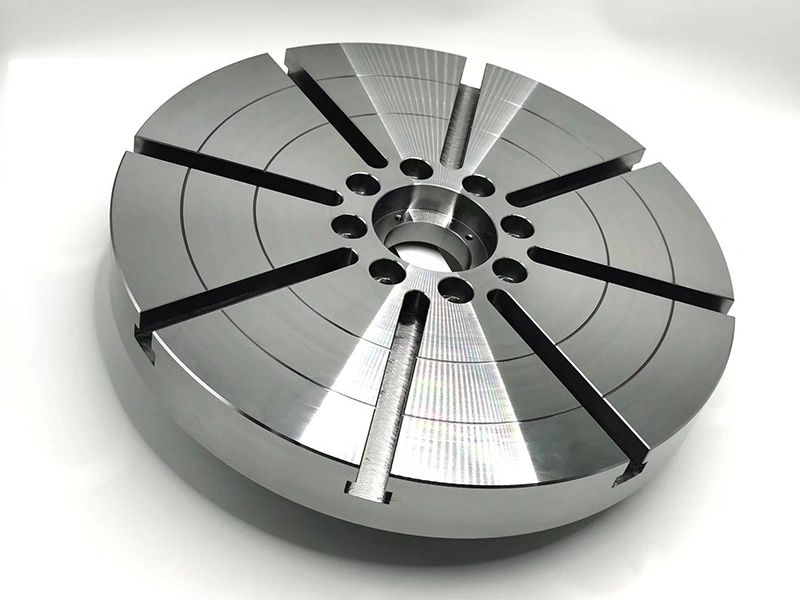
Choosing a supplier for complex CNC parts is not only about whether the shop owns a multi-axis machine. For parts with angled holes, multi-face features, deep cavities, complex contours, and tight relationships between surfaces machined from different directions, the real question is whether the supplier can turn that geometry into a stable manufacturing plan. That is why buyers looking for a multi-axis machining supplier should evaluate engineering review, fixturing strategy, toolpath planning, material experience, inspection logic, and repeatable delivery, not just machine-axis count.
This becomes even more important when the part must move from a prototype or pilot run into regular supply. A supplier may be able to machine one complex sample, but that does not automatically mean the process is scalable. For low-volume and production parts, the supplier must understand how to reduce setup-related error, control variation across multiple faces, and maintain the relationship between critical features over repeated orders.
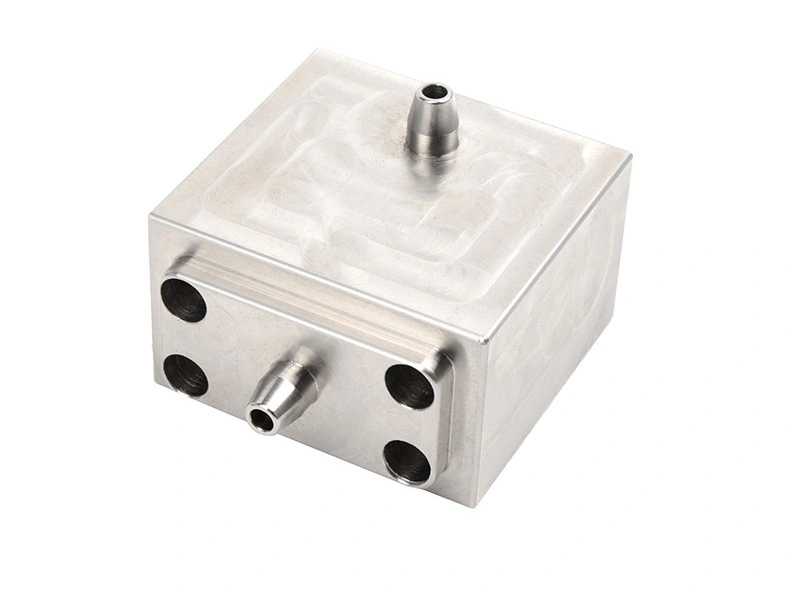
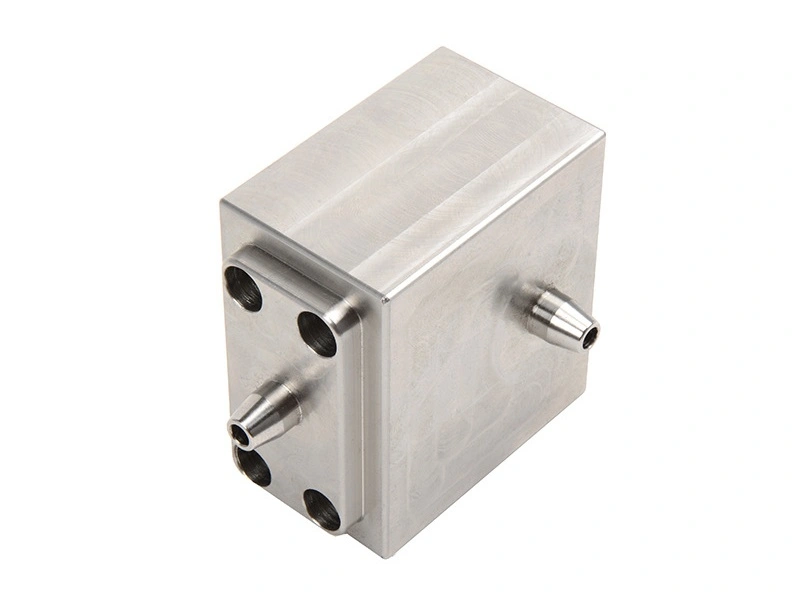
Why Supplier Selection Matters for Multi-Axis Machined Parts
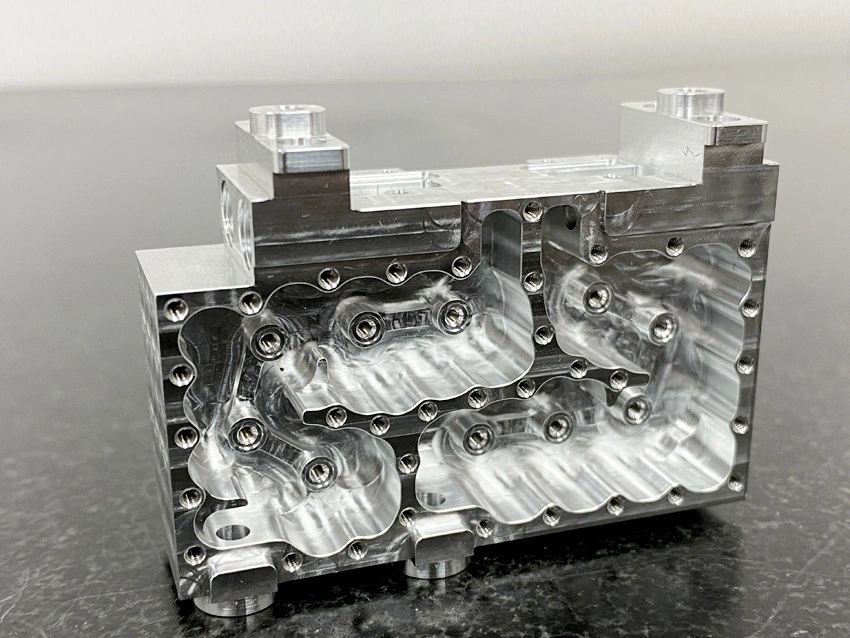
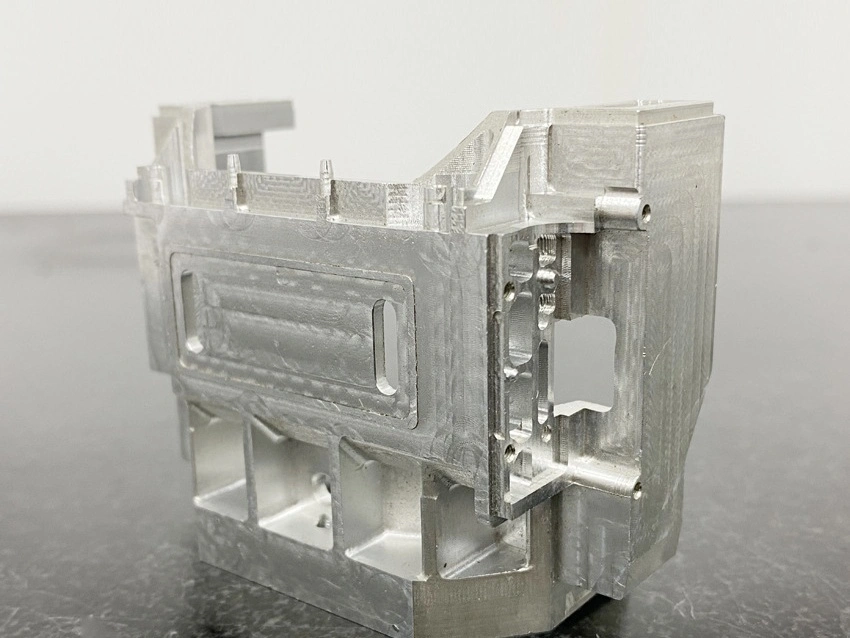
Multi-axis parts usually carry higher manufacturing risk than simpler CNC parts because the geometry is harder to access and the feature relationships are easier to lose during poor process planning. These parts often include angled holes, side holes, multiple datums, thin-wall regions, deep pockets, and surfaces that must stay aligned after machining from several directions. If the setup plan is weak, the part may still be machined, but the positional relationship between critical features may drift outside the real assembly requirement.
That is why supplier selection matters so much. A capable supplier does more than run code on a machine. They review reachability, identify likely collision zones, define workable datums, reduce unnecessary setups, and evaluate whether the part is suitable for 3-axis, indexed machining, or more advanced multi-axis routing. For complex parts, this engineering review often has more impact on final success than the nominal machine specification itself.
What Capabilities Should a Multi-Axis Machining Supplier Have?
A good multi-axis supplier should have a mix of machining capability and engineering judgment. The part may need 4-axis or 5-axis-style positioning, but it also needs CAM programming discipline, stable fixture logic, material-specific cutting experience, and the ability to confirm that the chosen route is practical for the required quantity and tolerance level.
Capability | Why It Matters |
|---|---|
4-axis and 5-axis machining ability | Supports multi-side and angled features |
3+2 positioning experience | Helps reduce setups for complex geometry without unnecessary complexity |
CAM programming capability | Controls tool access, collision risk, and surface quality |
Fixture design | Supports repeatability for low-volume and production parts |
Material machining experience | Helps manage tool wear, heat, burrs, and deformation |
Inspection capability | Confirms critical dimensions and feature relationships |
DFM feedback | Identifies inaccessible features and cost-driving geometry early |
Prototype-to-production support | Helps scale from validation to repeat manufacturing |
For buyers with parts that also require stronger tolerance discipline or documented feature control, it is useful to evaluate whether the supplier can support broader precision machining services in addition to multi-axis access.
Key Questions to Ask Before Sending a Multi-Axis Machining RFQ
A strong supplier evaluation usually starts with the right questions. Buyers should not only ask whether the supplier has multi-axis equipment. They should ask how the supplier plans to machine the part. That distinction matters because a complex part can sometimes be machined in different ways, but not all routes will give the same stability, cost, or repeatability.
Useful questions include:
Can the part be machined with 3-axis, 4-axis, 3+2, or a more advanced multi-axis route?
How many setups are expected?
Which surfaces should be used as datums?
Are there tool-access or collision risks?
Are angled holes or side features fully manufacturable as drawn?
Are thin walls or deep pockets likely to deform?
What inspection method is recommended?
Is the process suitable for low-volume work or only for larger production quantities?
Can the supplier provide DFM suggestions before quoting?
What files are required for a reliable evaluation?
These questions help reveal whether the supplier is thinking like a manufacturing partner or only pricing machine time.
How Multi-Axis Machining Affects Cost
Many buyers assume multi-axis machining always costs more because the equipment hourly rate is usually higher than standard 3-axis machining. That can be true at the machine-hour level, but it is not always true at the total-part level. For complex parts, multi-axis routing can reduce setup count, simplify fixturing, lower rework risk, and improve consistency between features machined from different directions. In those cases, total manufacturing cost may be lower even if the machine itself is more expensive to run.
Cost Factor | Explanation |
|---|---|
Machine time | Multi-axis machines often have higher hourly rates |
Setup reduction | Fewer setups can reduce labor time and fixture complexity |
CAM programming | Complex toolpaths require more engineering time |
Tool access | Better access can improve stability, but difficult geometry increases planning effort |
Tolerance relationship | Multi-face relationships may require more inspection |
Material | Titanium, stainless steel, tool steel, and copper alloys change cutting strategy |
Quantity | Production runs may justify dedicated fixtures and better cycle optimization |
For complex parts, buyers should judge cost based on total process efficiency, not only the hourly rate. A cheaper 3-axis route can become more expensive if it requires extra setups, more fixtures, more manual handling, or more rework to recover feature relationships.
Low-Volume vs Production Multi-Axis Machining
Low-volume and production multi-axis machining usually have different priorities. Low-volume projects focus more on fast validation, manufacturability review, and flexible workholding. Production projects focus more on repeatability, cycle-time control, and batch-to-batch consistency. A supplier that understands both stages is usually more valuable than one that only handles samples or only handles stable production parts.
Item | Low-Volume Multi-Axis Machining | Production Multi-Axis Machining |
|---|---|---|
Main goal | Fast validation and manufacturability review | Stable repeatable production |
Fixture strategy | Flexible or modular fixtures | Dedicated fixtures |
CAM program | Optimized for feasibility and speed | Optimized for cycle time and repeatability |
Inspection | First article and critical features | Batch inspection plan |
Cost focus | Reduce upfront tooling and lead time | Reduce unit cost and variation |
Best for | Prototypes, pilot runs, design validation | Regular supply and repeat orders |
For buyers planning pilot quantities or bridge manufacturing after validation, supplier support tied to low-volume manufacturing is often an important signal that the shop can scale responsibly instead of treating every order as a one-off sample.
Red Flags When Choosing a Multi-Axis Machining Supplier
There are several warning signs buyers should watch for during supplier evaluation. One of the most common is when a supplier only says, “We have 5-axis machines,” but does not explain the machining approach. Machine ownership alone does not prove process capability. Another red flag is quoting complex parts without asking for the 2D drawing, tolerances, or critical surfaces. If the supplier does not ask how many setups are expected, whether there are access risks, or whether thin walls may deform, the quote may not reflect the real manufacturing difficulty.
Other warning signs include failure to discuss datums, no questions about tool reach, no comments on deep slots or sharp internal geometry, no discussion of inspection method, or unrealistically low pricing with no process explanation. For complex parts, a reliable supplier should review manufacturability, machining access, setup strategy, and inspection requirements before confirming price and lead time.
What to Prepare for a Multi-Axis Machining Quote
To get a meaningful quote, buyers should provide the 3D model in STEP, X_T, or IGS format, a PDF 2D drawing, material specification, quantity, surface finish, heat treatment if required, critical features, application, required inspection report, and target delivery schedule. For multi-axis parts, the 3D model is especially important because it helps the supplier judge tool access, collision risk, and whether the part should be machined with indexed positioning or a more advanced simultaneous route.
If the project requires both complex geometry and stronger tolerance discipline, combining multi-axis review with related process feedback from precision machining services can improve quote accuracy and reduce manufacturing risk.
How Neway Supports Complex Multi-Axis Projects
Neway supports complex multi-axis projects by reviewing manufacturability before confirming the final route, rather than assuming every difficult part automatically needs the same machining strategy. For custom metal parts with multiple orientations, the process can be evaluated based on access, setup count, material behavior, and whether the project is still in validation or already moving toward stable supply. That helps buyers compare feasibility, lead time, and total manufacturing risk more realistically.
For buyers evaluating a multi-axis machining supplier, the strongest indicator is usually not the advertised machine type. It is whether the supplier can explain how the part will be machined, how the critical relationships will be protected, and how the process can scale from sample to repeat delivery.
FAQ
When should you choose multi-axis machining for custom metal parts?
What part features are best suited for multi-axis CNC machining?
How does multi-axis machining reduce setup time and positioning errors?
What information is needed to quote multi-axis machined parts?
How do you choose a multi-axis machining supplier for complex CNC parts?