When should you choose multi-axis machining for custom metal parts?
When Should You Choose Multi-Axis Machining for Custom Metal Parts?
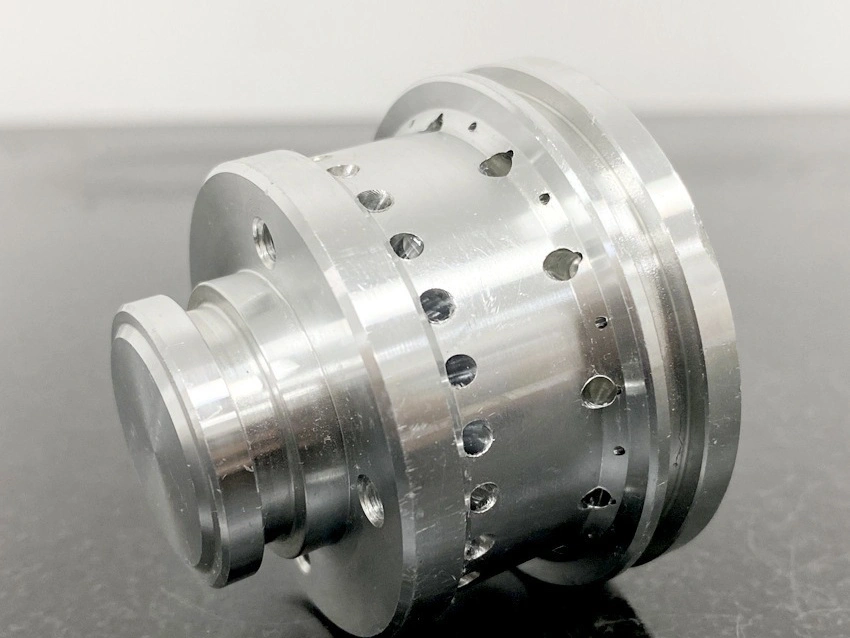
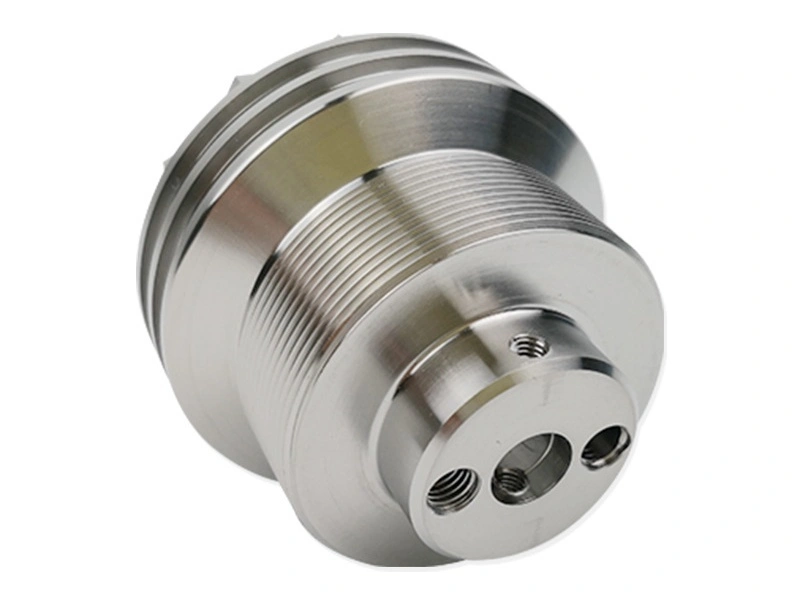
You should choose multi-axis machining services when a custom metal part has multiple machined faces, angled holes, inclined surfaces, complex contours, deep pockets, or feature relationships that are difficult to maintain with repeated 3-axis setups.
From an engineering perspective, the main value of multi-axis machining is not simply using a more advanced machine. It is the ability to improve tool access, reduce repeated clamping, control datum relationships, and machine complex features with better setup consistency.
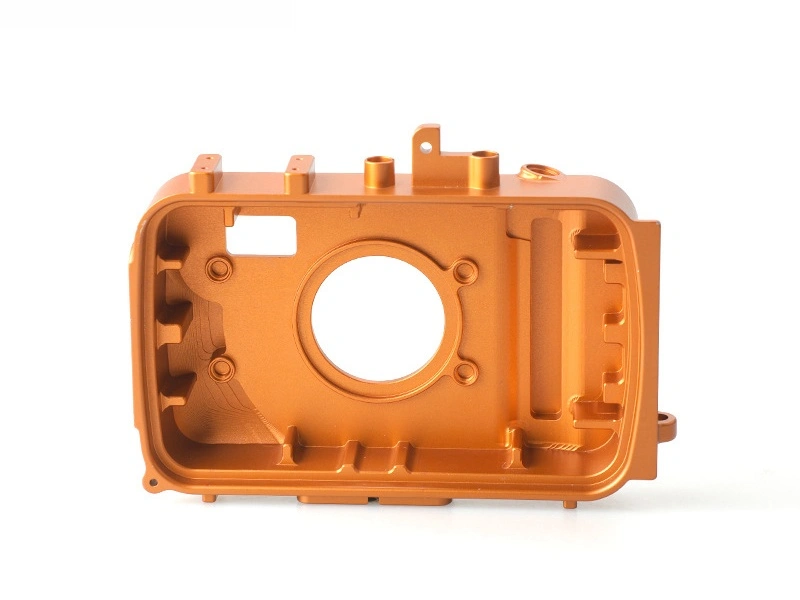
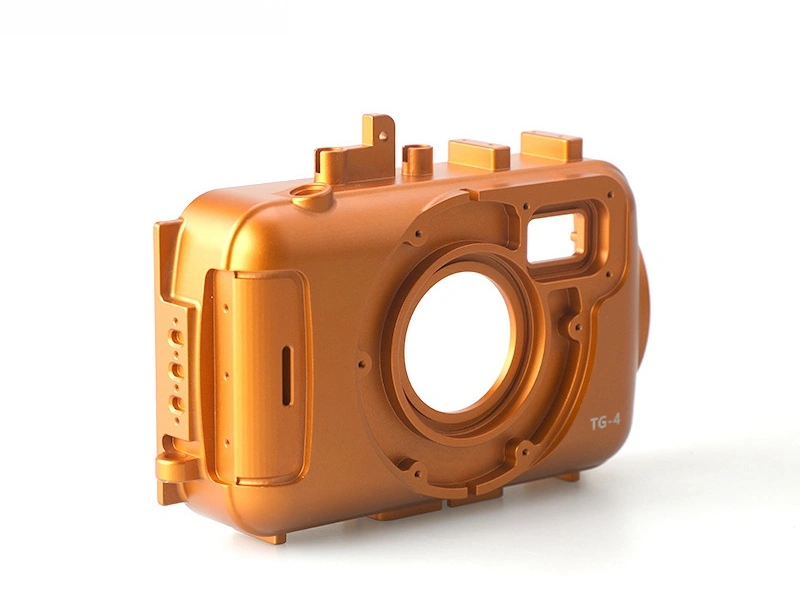
1. Part Features That Often Need Multi-Axis Machining
Part Feature | Why Multi-Axis Machining Helps |
|---|---|
Angled holes | Allows drilling or machining at non-vertical orientations |
Side ports | Reduces secondary setups for side-face holes and ports |
Multi-side machining | Reduces repeated clamping and datum transfer errors |
Inclined surfaces | Improves tool access to non-horizontal faces |
Deep pockets | Can reduce long tool overhang by improving tool orientation |
Complex contours | Supports better tool angle control and surface access |
Integrated mounting faces | Helps maintain relationships between functional surfaces |
2. When 3-Axis CNC Machining Is Usually Enough
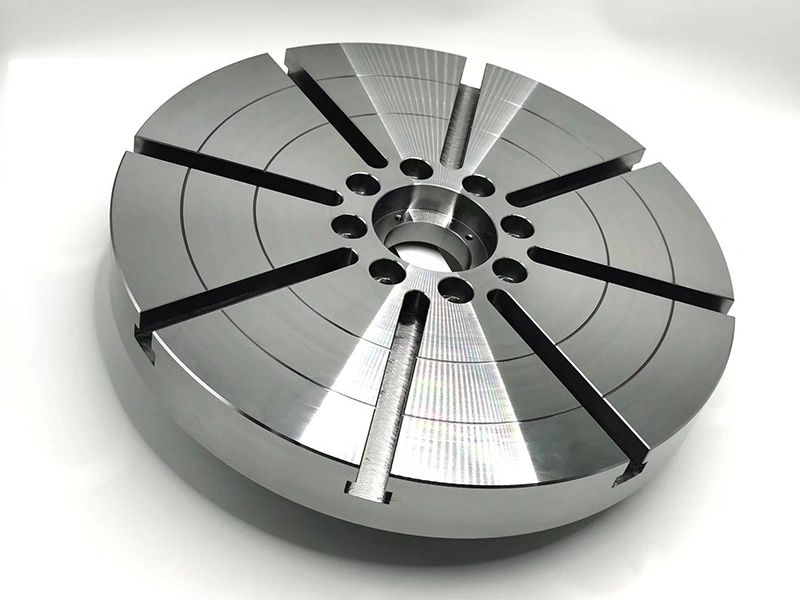
Standard CNC machining services may be enough when the part mainly has simple holes, slots, flat faces, open pockets, and tolerances concentrated in one machining direction. If the part can be finished with one or two stable setups, multi-axis machining may not be necessary.
For simpler flat surfaces, profiles, pockets, and hole patterns, CNC milling services can often provide a more economical route than full multi-axis machining.
3. Why Reducing Setups Matters
If a part requires 3–6 separate setups to machine features from different directions, multi-axis machining may be more suitable. For some complex parts, 3+2 positioning or full 5-axis machining can reduce setups to 1–2 operations, depending on geometry and fixture access.
Fewer setups usually reduce datum transfer error, repeated positioning risk, angular deviation, and mismatch between functional faces. This is especially important for brackets, housings, manifolds, fixtures, robotic parts, aerospace components, and precision mechanical assemblies.
4. Multi-Axis Machining Can Improve Tool Access
Multi-axis machining allows the tool to approach the part from different angles. This can help reduce long tool overhang, improve cutting stability, and reach features that are difficult to machine with a vertical tool path.
Better tool access is useful for deep pockets, undercut-like access areas, angled surfaces, side holes, curved surfaces, and complex transition features where standard 3-axis milling may require multiple special tools or additional setups.
5. Cost Should Be Evaluated by Total Process, Not Machine Hour Only
Multi-axis machining may have a higher hourly cost than simple 3-axis machining, but it can reduce total cost when it eliminates extra setups, custom fixtures, manual re-clamping, secondary operations, and rework caused by datum mismatch.
For simple parts, 3-axis machining is usually more cost-effective. For complex parts with multiple functional surfaces, multi-axis machining can be more economical when total machining time, fixture cost, inspection risk, and yield are considered together.
6. What Buyers Should Provide for Process Evaluation
Required Information | Why It Matters |
|---|---|
STEP or X_T file | Helps evaluate tool access, machining direction, setup quantity, and fixture strategy |
2D drawing | Defines tolerances, datums, GD&T, surface finish, and inspection requirements |
Critical feature notes | Identifies which holes, faces, bores, or surfaces control final function |
Material grade | Affects cutting force, tool wear, deformation risk, and process stability |
Quantity | Helps compare prototype, low-volume, and production fixture strategies |
Surface finish requirement | Impacts finishing passes, toolpath selection, and post-processing needs |
7. Practical Engineering Recommendation
Choose multi-axis machining when the part has angled features, multiple machined sides, tight datum relationships, complex contours, side holes, deep pockets, or high setup-risk geometry. Choose standard CNC machining or CNC milling when the geometry is simple, tool access is clear, and the main tolerances can be controlled in fewer setups.
For accurate process selection, buyers should send STEP or X_T files together with 2D drawings, tolerance requirements, material grade, quantity, and critical feature notes. Neway can then evaluate whether 3-axis machining, 3+2 positioning, or multi-axis CNC machining is the best route for the custom metal part.