Multi-Axis CNC Machining for High-Precision Fixtures, Brackets, Housings, and Structural Components
Multi-Axis CNC Machining for High-Precision Fixtures, Brackets, Housings, and Structural Components
Many custom mechanical parts are not difficult because of one single feature. They become difficult because multiple functional faces, mounting holes, datum surfaces, threads, and internal cavities must all be machined accurately across different orientations. This is especially common in brackets, housings, fixtures, support frames, and structural components used in robotics, automation, aerospace, industrial equipment, and custom machinery. For these parts, multi-axis CNC machining is often the more practical route because it helps machine more features in fewer setups while improving access to multiple sides of the part.
This does not mean every custom housing or bracket requires full simultaneous 5-axis motion. In many cases, indexed 3+2 or 4-axis positioning is enough to improve manufacturability and reduce setup-related risk. The real value of multi-axis machining for these functional components is that it supports better continuity between faces, holes, pockets, and mounting interfaces that would otherwise require repeated re-clamping in standard machining.
Why Multi-Axis CNC Machining Is Used for Functional Custom Components
Functional custom components usually combine several types of features in one part. A housing may include a top-face hole pattern, side ports, internal cavities, sealing faces, and threaded features. A bracket may include angled mounting holes, support ribs, relief pockets, and multiple assembly faces. A fixture may include locating holes, clamping slots, datum pads, and side access features. These parts are not defined by one surface. They are defined by the relationship between multiple surfaces machined from different directions.
Multi-axis machining helps because it allows the part or tool to be reoriented more efficiently inside the machine, which reduces the need for repeated manual re-clamping. As setup count decreases, the chance of datum transfer error also decreases. That is why many buyers evaluating CNC machining services for functional components move to multi-axis routing once the part includes several critical faces or multiple machining directions.
Multi-Axis Machining for Custom Brackets
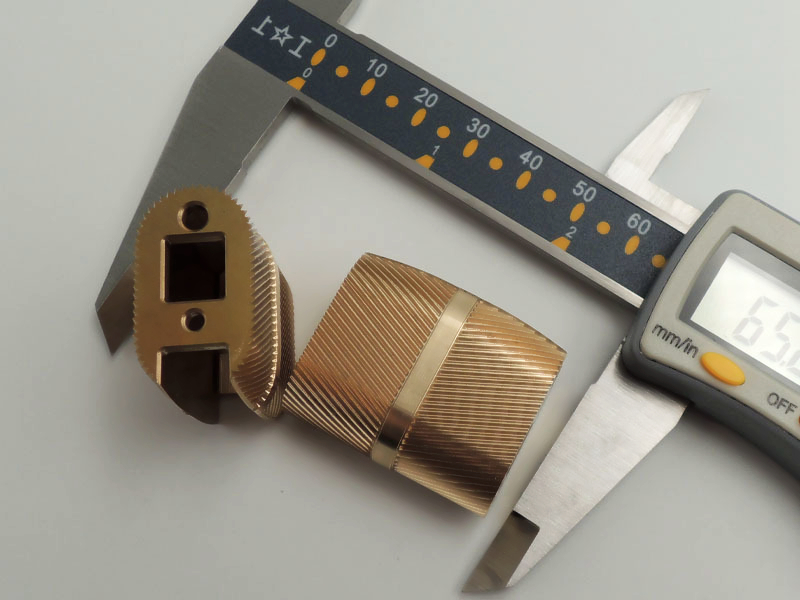
Custom brackets are a common example of parts that benefit from multi-axis machining. At first glance, a bracket may appear simple, but many real brackets used in aerospace, robotics, automation, and industrial equipment include several non-parallel mounting surfaces, angled holes, lightweight pockets, stiffening ribs, and side features that must all remain correctly related to one another. The part is rarely just a flat support. It is usually an assembly interface component.
For these bracket parts, the main requirement is often not external shape alone, but the positional relationship between multiple mounting points. If three or more machining directions are required, standard 3-axis machining often needs several setups. Multi-axis positioning can reduce setup complexity and improve manufacturing continuity, which is especially valuable for low-volume custom brackets where dedicated fixtures must remain practical. This is also why many bracket projects start with CNC machining prototyping before moving into repeated supply.
Bracket Feature | Why Multi-Axis Helps |
|---|---|
Multiple angled mounting holes | Improves access and reduces secondary setups |
Irregular external profile | Supports better tool orientation around complex outlines |
Lightweight pockets | Helps reach deeper or angled pocket areas more efficiently |
Reinforcing ribs | Allows better access around local structure changes |
Multi-face assembly surfaces | Reduces datum shift between faces |
Inclined support geometry | Improves reach to non-vertical and non-horizontal features |
Multi-Axis Machining for Housings and Enclosures
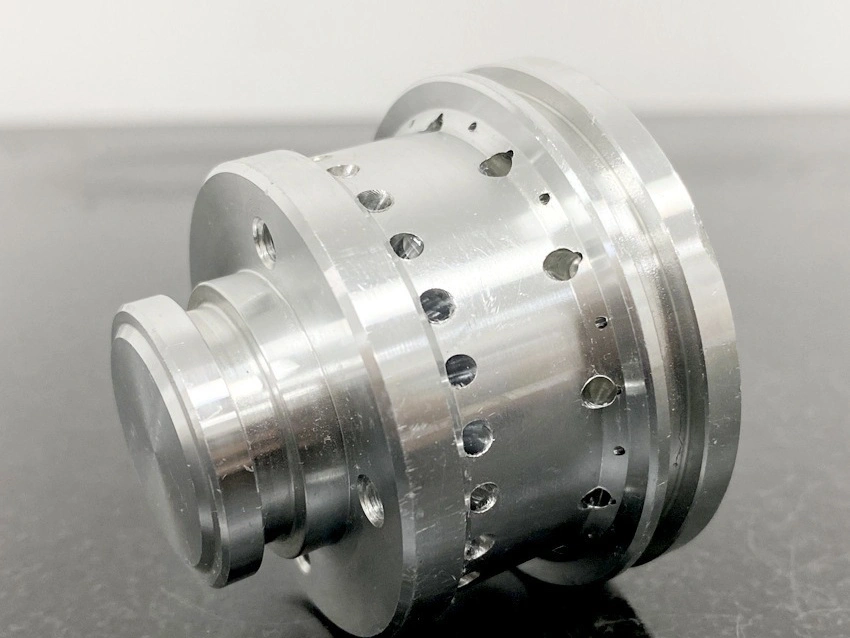
Housings and enclosures are another strong use case for multi-axis machining because they often combine internal and external features across several faces. A sensor housing, optical housing, hydraulic housing, or custom equipment enclosure may include internal cavities, side ports, threaded connections, mounting bosses, sealing surfaces, and thin walls. These features usually need to remain aligned to each other, even when machined from different sides.
The advantage of multi-axis machining in housings is not only better access to side features. It also helps maintain the relationship between cavity geometry, hole locations, sealing faces, and interface surfaces with fewer setup transfers. This is especially useful when the housing is a functional part rather than just a cosmetic enclosure.
Housing Feature | Manufacturing Concern |
|---|---|
Internal cavity | Tool access and chip evacuation |
Side ports | Setup accuracy and thread alignment |
Mounting bosses | Position consistency across faces |
Sealing surfaces | Flatness and surface finish control |
Thin walls | Clamping deformation risk |
Multi-face interfaces | Datum relationship between several sides |
For custom housings that later move into repeat supply, multi-axis routing can also work well with low-volume manufacturing when the geometry is too complex for repeated manual setup changes to remain efficient.
Multi-Axis Machining for Fixtures and Tooling Components
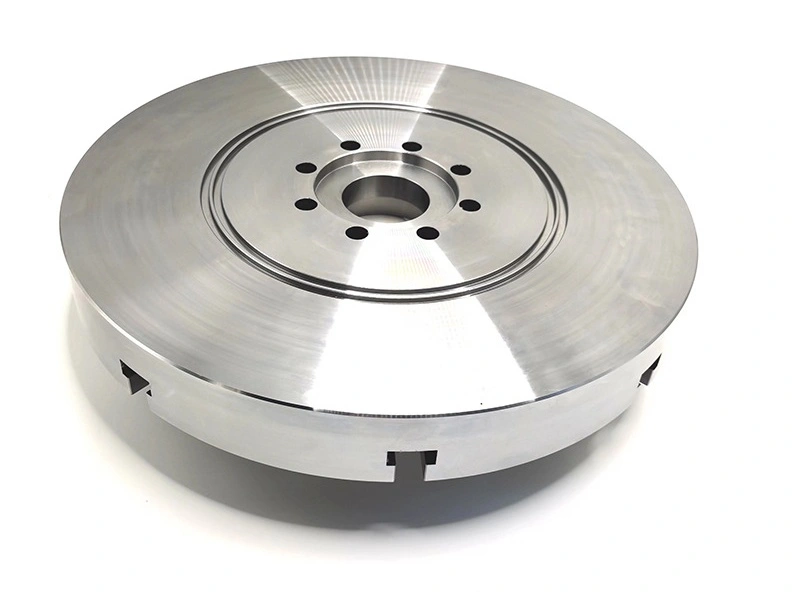
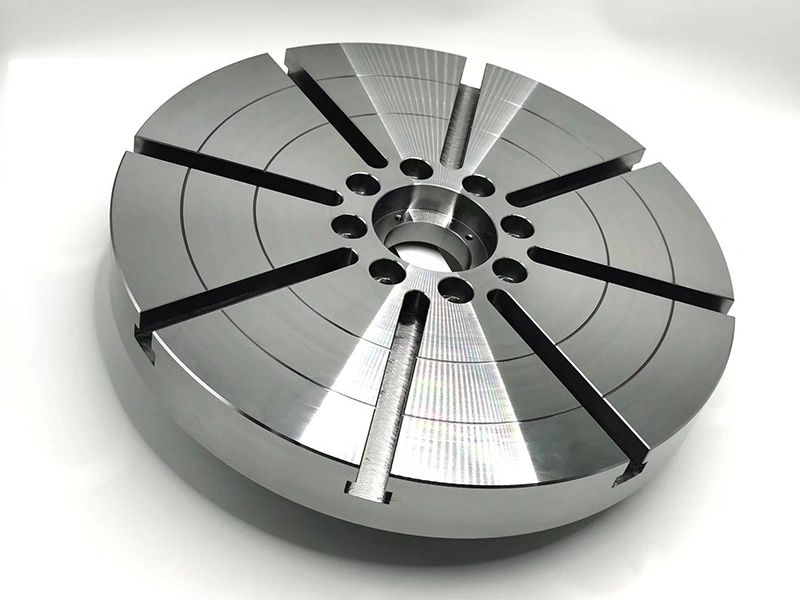
Fixtures and tooling components are often ideal candidates for multi-axis machining because they usually rely on multiple locating and support features rather than simple outer geometry. A fixture body may contain dowel pin holes, datum pads, angled supports, clamping grooves, clearance pockets, side locating faces, and threaded holes that all need to stay related to one another. If those features are machined through too many manual setups, the risk of reference transfer error increases.
Multi-axis machining helps by allowing several locating and clamping features to be machined in a more continuous sequence. This is especially useful for automation fixtures, inspection fixtures, assembly tooling, and production support components where repeatable location matters more than surface appearance alone. In practical terms, it can shorten development cycles for complex custom tooling while improving the consistency of the functional reference structure built into the part.
Multi-Axis Machining for Lightweight Structural Components
Lightweight structural components are common in aerospace, robotics, drones, automation frames, motorsport hardware, and certain medical support systems. These parts often include thin ribs, skeletonized pockets, curved surfaces, multi-angle connection points, and integrated mounting features designed to reduce weight without sacrificing stiffness. These geometries can be difficult to machine efficiently with standard 3-axis routing because deeper pockets and angled surfaces may require long tools and repeated reorientation.
Multi-axis machining can improve access to lightweight pockets and angled surfaces while allowing shorter cutting tools in some areas. This can reduce vibration and improve surface consistency compared with long tool overhang in standard 3-axis machining. The result is not only better access, but also a more stable route for complex structural parts that combine low weight with several functional connection interfaces.
Structural Feature | Why Multi-Axis Helps |
|---|---|
Thin ribs | Improves access with reduced tool overhang in some regions |
Weight-reduction pockets | Supports better tool approach into complex internal areas |
Curved structural faces | Allows better orientation to changing local geometry |
Multi-angle connection points | Reduces setup count for intersecting interfaces |
Integrated mounting features | Helps keep the relationship between load paths and fastener locations |
How to Decide Whether a Part Should Use Multi-Axis Machining
The best way to decide is to look at the number of machining directions, the angle of the features, and the relationship between those features. If only one side of the part needs machining, standard 3-axis routing may be enough. If two or more side faces need machining, indexed or 4-axis routing may help. If the part includes several angled features, 3+2 or broader multi-axis routing is often more suitable. If the part contains complex contour surfaces, simultaneous 5-axis motion may be considered. And if low-volume custom parts include several critical relationships between faces, multi-axis machining often reduces setup risk and fixture burden.
Part Condition | Multi-Axis Machining Recommendation |
|---|---|
Only one side needs machining | 3-axis machining may be enough |
Two or more side faces need machining | 4-axis or indexed machining may help |
Multiple angled features exist | 3+2 or advanced multi-axis positioning may be better |
Complex contour surfaces exist | Simultaneous 5-axis may be considered |
Critical relationships exist between faces | Multi-axis machining can reduce setup risk |
Low-volume complex parts | Multi-axis machining may reduce fixture cost and process complexity |
RFQ Checklist for Multi-Axis Machined Components
For a faster and more accurate quote, buyers should provide the part application, 3D model, 2D drawing, material, quantity, critical surfaces, thread details, surface finish, inspection requirements, and whether the project is for prototype or production. For multi-axis components, the 3D model is especially important because it helps evaluate feature accessibility, toolpath direction, and whether the part truly benefits from multi-axis routing rather than simpler machining.
If your part includes multiple functional faces, angled holes, internal cavities, or complex assembly interfaces, Neway can support that evaluation through multi-axis CNC machining. A better RFQ usually leads to a more accurate process choice, fewer unnecessary setups, and a more stable path from custom sample to repeat supply.
FAQ
When should you choose multi-axis machining for custom metal parts?
What part features are best suited for multi-axis CNC machining?
How does multi-axis machining reduce setup time and positioning errors?
What information is needed to quote multi-axis machined parts?
How do you choose a multi-axis machining supplier for complex CNC parts?