How does multi-axis machining reduce setup time and positioning errors?
How Does Multi-Axis Machining Reduce Setup Time and Positioning Errors?
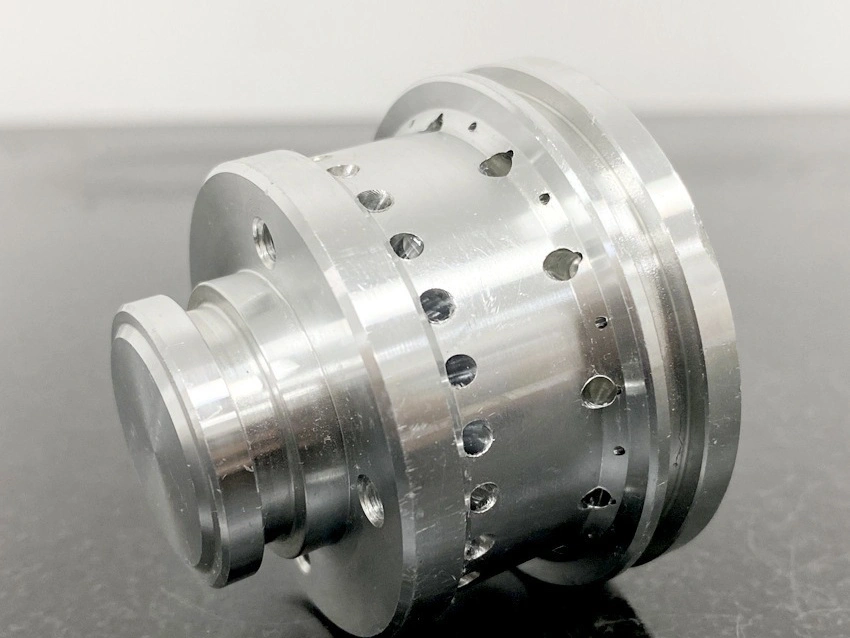
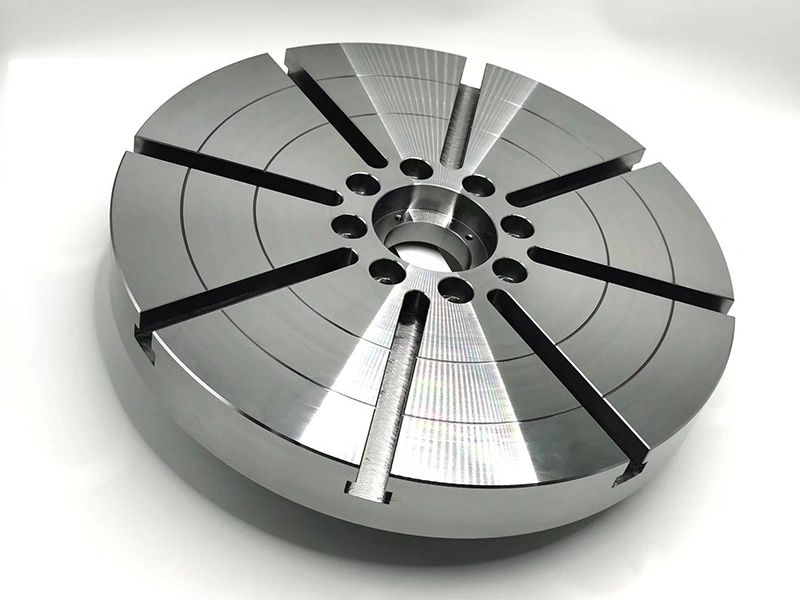
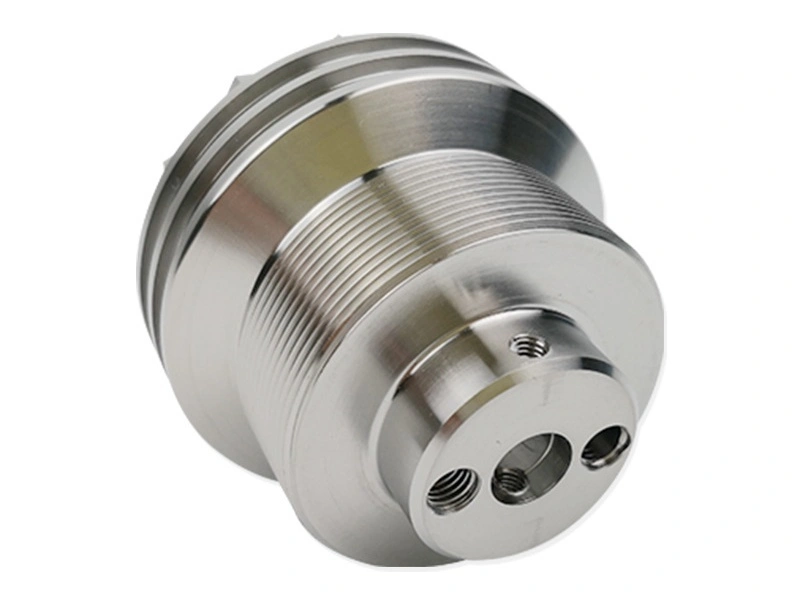
Multi-axis machining services can reduce setup time and positioning errors by allowing multiple faces, angled features, and complex surfaces to be machined in fewer setups. Fewer setups mean fewer manual re-clamping operations, less datum transfer, and lower risk of accumulated alignment error.
From an engineering perspective, the main advantage is not only faster machining. Multi-axis machining helps control the relationship between holes, faces, pockets, angled features, and datum surfaces more consistently than repeated 3-axis setups.
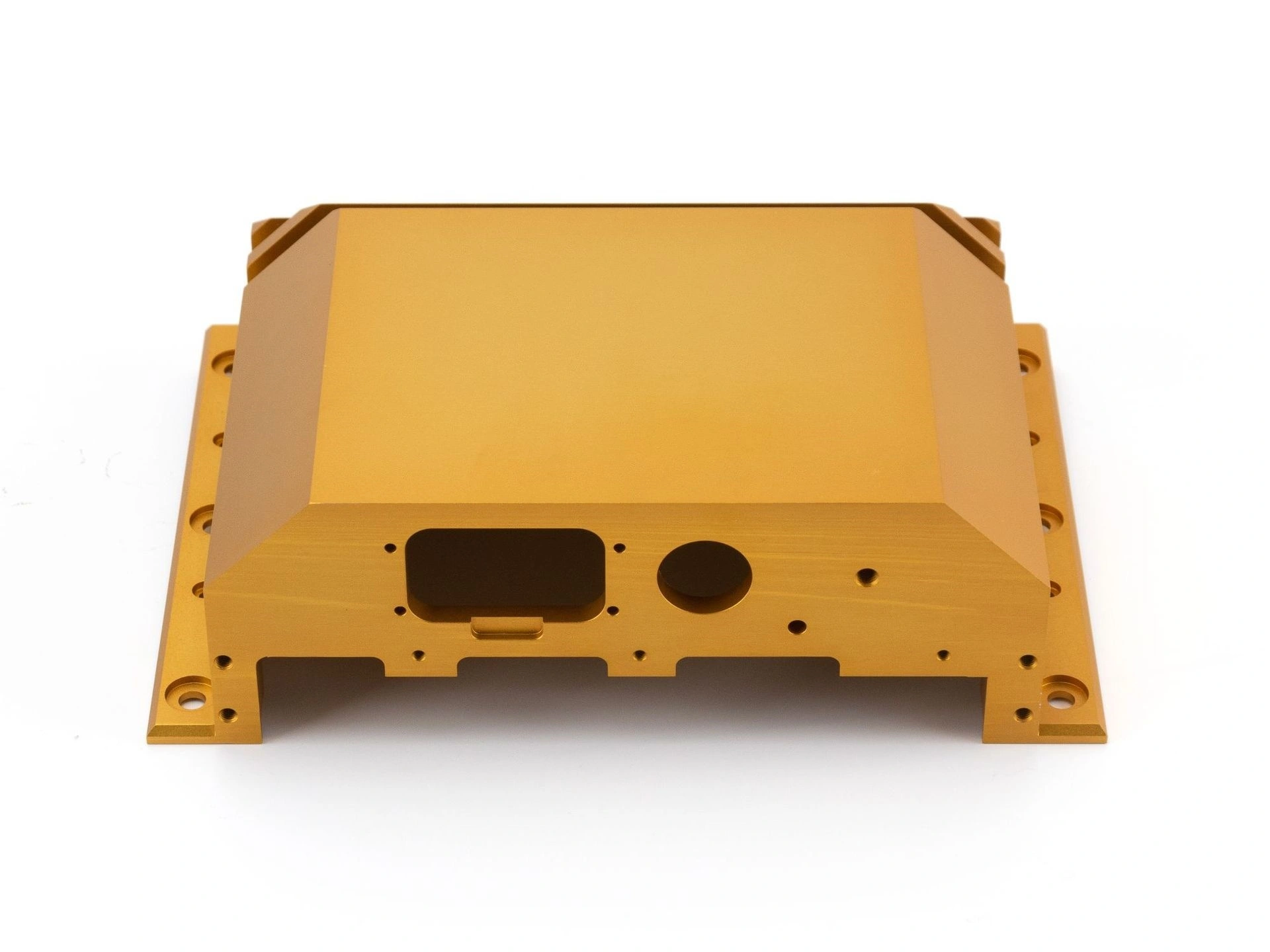
1. Where Positioning Errors Come from in Multiple Setups
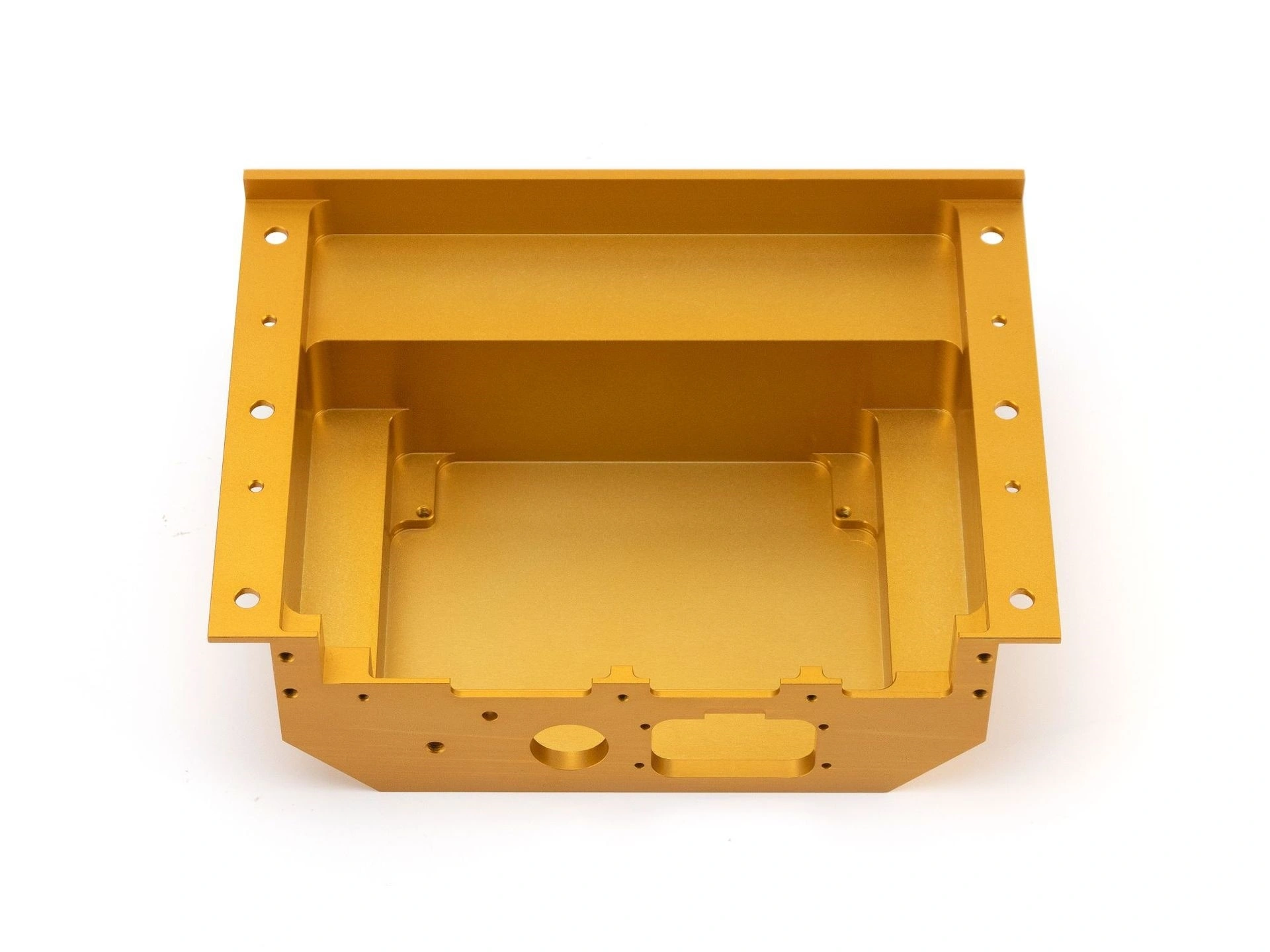
When a complex part is machined through multiple separate setups, each re-clamping operation can introduce small variations. These errors may be acceptable for simple parts, but they can become critical when several features must align across different faces.
Error Source | Engineering Impact |
|---|---|
Datum transfer error | Feature relationships may shift between setups |
Fixture alignment error | Mounting faces, holes, and pockets may lose positional consistency |
Operator re-clamping variation | Manual repositioning can create part-to-part variation |
Part deformation during clamping | Thin-wall or lightweight parts may distort under clamping force |
Coordinate system mismatch | Machining and inspection datums may not fully match |
Angle positioning deviation | Angled holes or inclined faces may deviate from the intended orientation |
2. How Multi-Axis Machining Reduces These Risks
Issue in Multiple Setups | Multi-Axis Machining Advantage |
|---|---|
Re-clamping variation | Reduces manual repositioning steps |
Datum transfer error | Allows more features to be machined from one datum strategy |
Angle alignment error | Rotary axes control angled feature orientation more consistently |
Fixture cost | Some parts require fewer dedicated fixtures |
Long setup time | Reduces repeated setup planning for complex faces |
Feature relationship risk | Improves consistency between multi-side features |
3. Why Fewer Setups Matter for Complex Parts
For parts with three or more machining directions, traditional 3-axis machining may require 3–6 separate setups. In some cases, multi-axis machining can reduce the process to 1–2 main setups, depending on geometry, fixture access, and tolerance requirements.
Each additional setup increases first article adjustment time, inspection risk, fixture planning, and accumulated positioning error. For complex brackets, housings, manifolds, robotic parts, and precision fixtures, setup reduction can be more valuable than simply comparing machine hourly rates.
4. Multi-Axis Machining Improves Feature Relationship Control
Many custom parts fail not because one feature is difficult to machine, but because multiple features must align with each other. Side holes, angled bores, mounting pads, sealing faces, datum surfaces, and locating holes may all need to maintain a functional relationship.
For these parts, precision machining services should combine setup strategy, datum planning, fixture design, and inspection method to control the final functional geometry.
5. Cost Should Be Judged by Total Process Efficiency
Multi-axis machining may have a higher machine hourly rate than standard 3-axis machining, but the total project cost may be lower when setup time, fixture complexity, rework risk, first article approval, and batch consistency are considered together.
Cost Factor | How Multi-Axis Machining Can Help |
|---|---|
Setup time | Reduces repeated clamping and alignment work |
Fixture complexity | May reduce the need for multiple special fixtures |
Rework risk | Improves feature alignment and datum consistency |
First article approval | Can simplify validation for multi-side critical features |
Small-batch stability | Improves repeatability for complex low-volume parts |
6. Why This Matters for Low-Volume Complex Parts
For low-volume manufacturing, setup time and fixture cost can strongly affect unit price. If a complex part needs many manual setups, the cost of alignment, inspection, and first article adjustment may become significant.
Multi-axis machining can be especially valuable for low-volume complex parts because it may reduce fixture investment, shorten setup planning, and improve repeatability without requiring a high production volume to justify the process.
7. When Standard CNC Machining Is Still Suitable
Standard CNC machining services are still suitable when features are simple, tool access is clear, tolerances are not strongly linked across multiple faces, and the part can be completed with one or two stable setups.
Multi-axis machining should be selected when setup reduction provides real engineering value, such as improved feature alignment, reduced datum transfer error, better access to angled features, or more stable production of complex geometry.
8. Practical Engineering Recommendation
For parts with multiple faces, angled holes, side ports, inclined surfaces, deep pockets, or critical relationships between features, buyers should ask the supplier to review expected setup count and datum strategy before quotation.
To evaluate whether multi-axis machining is justified, buyers should provide the STEP or X_T file, 2D drawing, material grade, tolerance requirements, critical datum notes, surface finish, quantity, and delivery target. Neway can then compare standard CNC machining and multi-axis machining to determine the most stable and cost-effective process route.