What part features are best suited for multi-axis CNC machining?
What Part Features Are Best Suited for Multi-Axis CNC Machining?
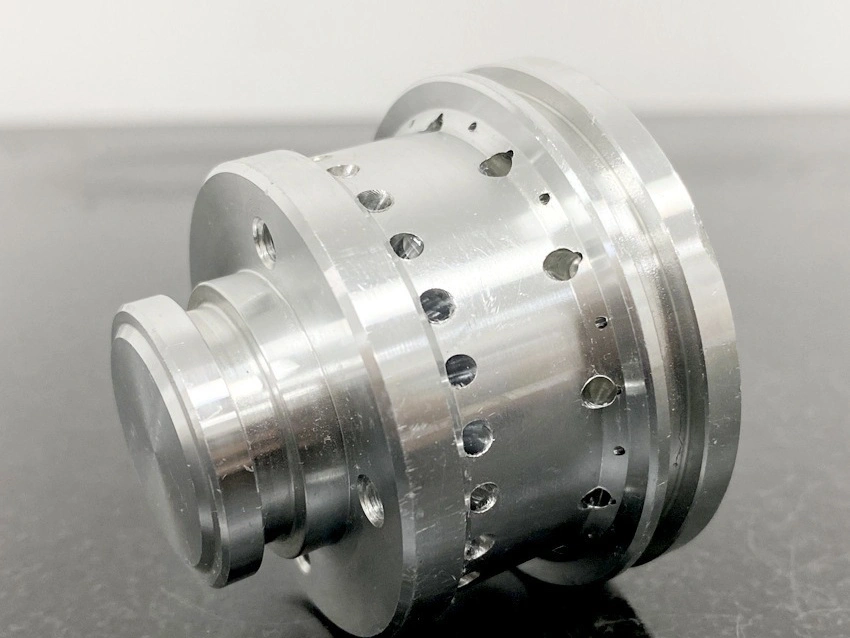
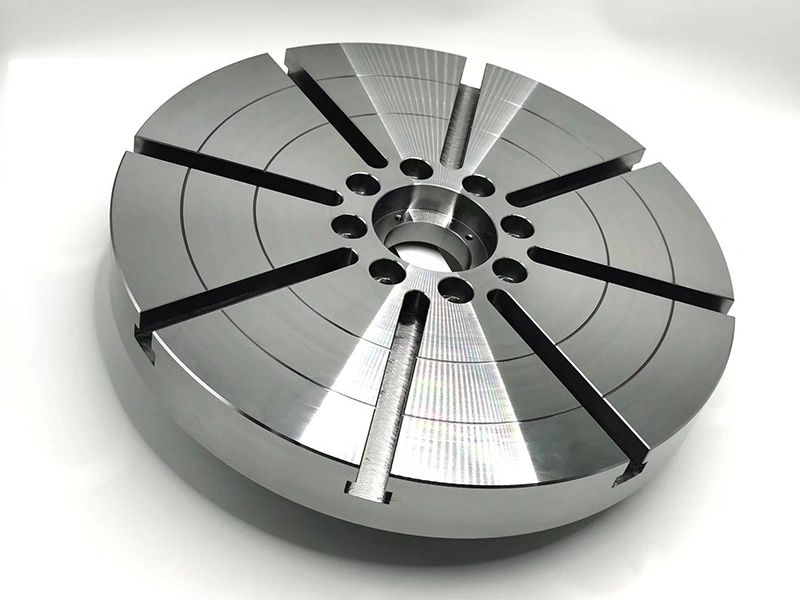
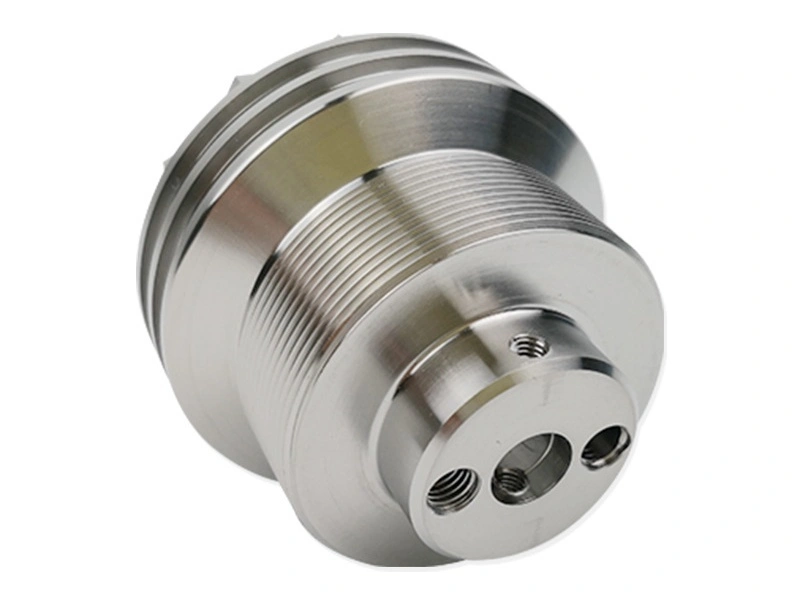
Part features best suited for multi-axis CNC machining include angled holes, side ports, inclined faces, multi-side mounting surfaces, deep pockets, complex contours, internal access areas, and lightweight structural pockets.
From an engineering perspective, multi-axis machining is most valuable when tool access, feature orientation, and multi-face relationships become difficult to control with standard 3-axis machining. It helps reduce repeated setups, improve datum consistency, and reach features from more suitable tool directions.
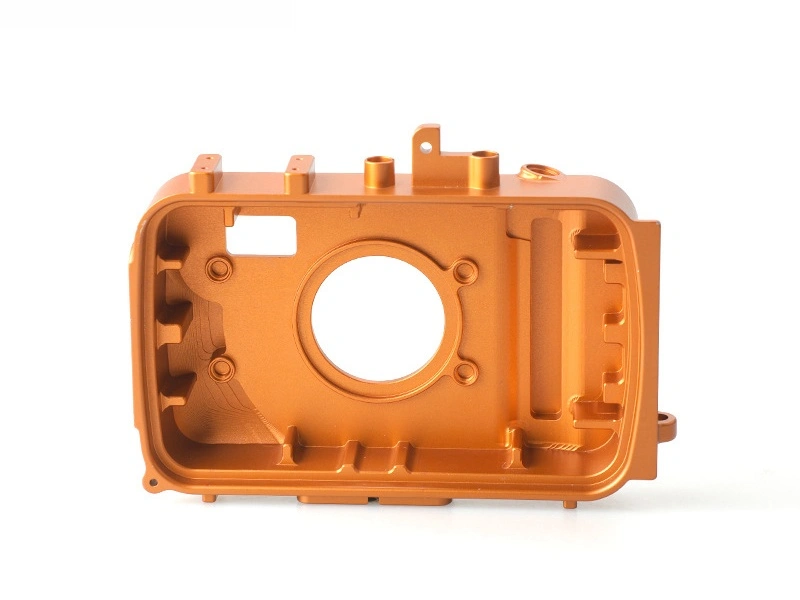
1. Part Features Best Suited for Multi-Axis CNC Machining
Feature | Typical Application | Multi-Axis Benefit |
|---|---|---|
Angled holes | Hydraulic blocks, brackets, fixtures | Improves drilling orientation and reduces custom angled setups |
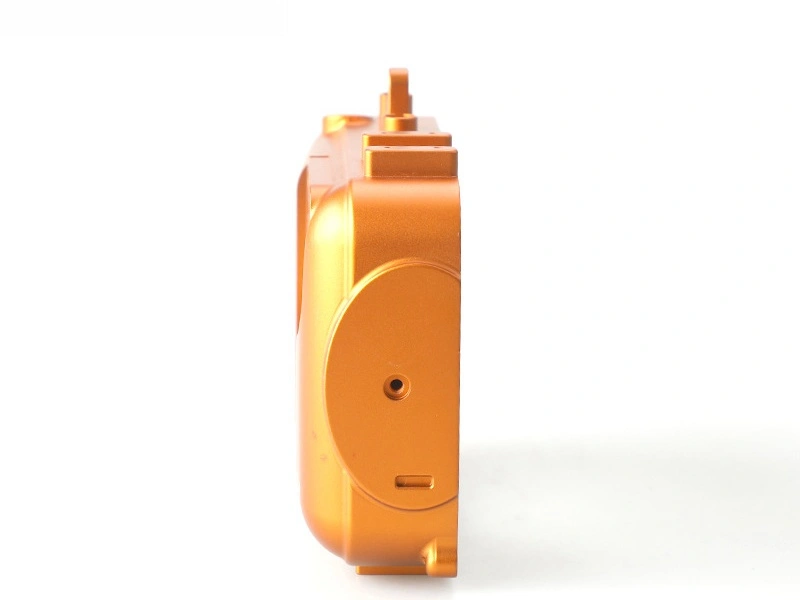
Side holes / side ports | Housings, manifolds, equipment blocks | Reduces repeated repositioning for side-face features |
Inclined surfaces | Structural parts, mounts, support brackets | Enables better tool contact and more stable surface machining |
Multi-face mounting pads | Automation and robotic components | Improves geometric relationship between functional faces |
Deep pockets | Lightweight brackets, housings, structural parts | May allow shorter tool access strategies and better cutting stability |
Complex contours | Aerospace-style components, molds, complex housings | Supports better tool orientation and surface access |
Thin ribs and pockets | Lightweight structural parts | Helps access features while managing toolpath direction and deformation risk |
2. Angled Holes and Side Ports Are Common Multi-Axis Features
Angled holes and side ports are common reasons to choose multi-axis machining. If these features are machined by repeated 3-axis setups, each re-clamping step may introduce positioning error, angular deviation, or datum transfer risk.
For housings, manifolds, brackets, and fixtures, multi-axis machining can position the part or tool at the correct angle, making it easier to machine side features and angled holes in a more controlled setup.
3. Multi-Face Functional Surfaces Benefit from Reduced Setups
Parts with mounting faces, locating holes, sealing surfaces, and datum features on different sides often benefit from multi-axis machining. Reducing repeated clamping helps maintain the relationship between these functional surfaces.
This is important for automation fixtures, robotic components, precision housings, hydraulic blocks, and custom structural connectors where multiple faces must align accurately during assembly.
4. Complex Contours and Inclined Surfaces Need Better Tool Access
Complex contours, inclined surfaces, and curved transition areas may be difficult to machine efficiently from only one vertical tool direction. Multi-axis machining allows improved tool orientation, which can reduce tool overhang, improve surface contact, and support more stable finishing.
For simpler flat surfaces, open pockets, and 2.5D features, CNC milling services may still be the more economical option.
5. Features That Do Not Always Need Multi-Axis Machining
Not every precision part requires multi-axis machining. Simple plates, single-side hole patterns, basic 2.5D profiles, ordinary square housings, and parts with loose assembly relationships can often be machined effectively with standard CNC milling.
The decision should be based on tool access, setup quantity, tolerance relationships, geometry complexity, and whether repeated re-clamping creates unacceptable risk.
6. Typical Parts That Often Use Multi-Axis Machining
Part Type | Why Multi-Axis Machining Helps |
|---|---|
Complex brackets | Multiple angled faces, pockets, and mounting features |
Sensor housings | Multi-side holes, sealing faces, and precision mounting references |
Hydraulic housings | Side ports, intersecting holes, sealing surfaces, and tight datum relationships |
Manifolds | Multiple flow paths and port orientations |
Robotic end effectors | Lightweight geometry, multi-face mounting, and precision assembly features |
Automation fixtures | Datum faces, locating holes, and repeatable alignment requirements |
Aerospace-style lightweight components | Thin ribs, pockets, complex contours, and weight-reduction geometry |
7. Precision Requirements Should Be Reviewed with the Feature Layout
For multi-axis parts, the most important question is not only whether the geometry can be reached. It is whether the critical features can be machined and inspected in a way that maintains their functional relationship.
For parts with tight tolerances, datum-controlled features, sealing surfaces, or complex assembly relationships, precision machining services can help define the correct machining route, fixture plan, and inspection method.
8. Practical Engineering Recommendation
If a part has features that cannot be accessed from a single tool direction, a manufacturability review can determine whether 4-axis, 3+2 positioning, or full multi-axis machining is the most efficient process. Multi-axis machining is usually most valuable for angled holes, side ports, inclined faces, multi-side mounting pads, deep pockets, complex contours, and lightweight structural geometry.
For accurate evaluation, buyers should provide STEP or X_T files, 2D drawings, tolerance requirements, material grade, surface finish requirements, quantity, and notes for critical functional features. Neway can then evaluate whether multi-axis CNC machining or standard CNC milling is the better process route.