معلمات تشغيل CNC للسبائك الفائقة: عوامل النجاح الرئيسية
المقدمة: الدور الحاسم لتحسين معاملات التشغيل في تشكيل السبائك الفائقة
من خلال سنوات طويلة من تقديم خدمات تشغيل السبائك الفائقة باستخدام الحاسب الآلي (CNC) في نيوي، توصّلنا إلى فهم عميق لحقيقة أساسية: إن التحكم الدقيق في معاملات التشغيل هو المفتاح لتحقيق نتائج عالية الجودة. تتمتع السبائك الفائقة بقوة ممتازة في درجات الحرارة العالية ومقاومة مميزة للتآكل، ما يجعلها تؤدي دورًا حيويًا ولا بديل عنه في صناعات حيوية مثل الطيران والطاقة وغيرها من القطاعات الحرجة. لكن هذه الخواص المتفوقة نفسها تجلب تحديات كبيرة في التشغيل، ويُعد تحسين معاملات القطع العامل الحاسم الذي يؤثر مباشرة في كفاءة التشغيل، وعمر الأداة، وجودة الأجزاء.
إن اختيار كل معامل من معاملات التشغيل يشبه قيادة “رقصة” دقيقة للغاية، حيث يجب علينا إيجاد التوازن الأمثل بين خصائص المادة، وأداء الأداة، وقدرات الماكينة، والمتطلبات التقنية. في هذه المقالة، سأشارك استراتيجيات رئيسية لتحسين معاملات تشغيل السبائك الفائقة، مستندًا إلى الخبرة الهندسية العملية لنيوي.
المعامل الأساسي الأول: فن موازنة سرعة القطع
تُعد سرعة القطع العامل الأساسي الذي يؤثر في كفاءة التشغيل وعمر الأداة. عند تشغيل إنكونيل 718 (Inconel 718)، نقوم عادة بضبط سرعة القطع ضمن نطاق 20–35 م/دقيقة. يوفّر هذا النطاق إنتاجية معقولة، وفي الوقت نفسه يتجنب التآكل السريع للأداة الناتج عن السرعات العالية جدًا. ومن الضروري إدراك أن حالة المادة المختلفة تتطلب استراتيجيات سرعة متباينة؛ ففي حالة إنكونيل 718 المقسى بالشيخوخة (Age-Hardened)، يجب خفض سرعة القطع بصورة معتدلة لاستيعاب الزيادة في الصلادة.
في الإنتاج الفعلي، نتحقق من ملاءمة سرعة القطع من خلال مراقبة شكل الرايش. إذ يجب أن يكون الرايش المثالي مستمرًا، ومتجانسًا، وذا لون فضي مائل للبياض. وإذا ظهرت ألوان زرقاء أو بنفسجية نتيجة الأكسدة، فهذا يشير إلى ارتفاع مفرط في درجة حرارة القطع وضرورة خفض السرعة. وعلى العكس، فإن الرايش الداكن الرمادي والمتكسّر بشكل غير منتظم قد يدل على أن السرعة منخفضة للغاية، ما يجلب ظاهرة التصلب بالتشغيل.
في خدمات التصنيع الدقيق لدينا، نقوم أيضًا بضبط سرعة القطع وفقًا لمرحلة العملية. يمكن استخدام سرعات أعلى في مرحلة الخشنة لتحسين الكفاءة، بينما تتطلب عمليات التشطيب سرعات أقل قليلاً لضمان جودة السطح. أما بالنسبة للمواد مثل إنكونيل 625 (Inconel 625)، التي تُظهر ميلاً أكثر وضوحًا للتصلب بالتشغيل، فنفضّل اختيار سرعات قطع أكثر تحفظًا.
المعامل الأساسي الثاني: التحكم الدقيق في معدل التغذية
يؤثر معدل التغذية مباشرة في كفاءة التشغيل وتشطيب السطح. في تشغيل السبائك الفائقة، نتبع مبدأ “عمق قطع صغير، وتغذية أكبر”، ما يساعد على تقليل زمن التلامس بين الأداة وقطعة الشغل، وبالتالي الحد من درجة حرارة القطع.
في عمليات تفريز النهايات (End Milling)، نضبط عادة التغذية لكل سن (Feed per Tooth) ضمن نطاق 0.05–0.15 مم/سن. في خدمات الطحن باستخدام الحاسب الآلي (CNC)، نولي عناية خاصة لاستقرار معدل التغذية؛ إذ يمكن أن تؤدي التغييرات المفاجئة في التغذية إلى تذبذب في قوة القطع، ما يسبب اهتزازًا (Chatter) أو تلفًا للأداة. ومن خلال تحسين مسارات الأداة في برامج CAM، نضمن انتقالات سلسة عند الزوايا ونتجنب التغيرات الحادة في معدل التغذية. وبالنسبة للمواد الأصعب مثل هاستلوي X (Hastelloy X)، قد يؤدي رفع معدل التغذية بصورة معتدلة إلى تحسين تكسر الرايش وتحسين ظروف القطع العامة.
ويُعد اختيار معدل التغذية في مرحلة التشطيب أكثر حساسية؛ إذ نستخدم عادة معدلات تغذية أصغر (0.02–0.08 مم/سن) بالتزامن مع سرعات دوران أعلى للمغزل، لتحقيق خشونة سطح منخفضة متميزة. وعند تشغيل مجاري السنون في أقراص التوربين المصنوعة من واسبلوي (Waspaloy)، أمكننا بواسطة التحكم الدقيق في التغذية الحفاظ على خشونة سطح ضمن حدود Ra 0.8 ميكرومتر.
المعامل الأساسي الثالث: الاختيار الاستراتيجي لعمق القطع
يجب تحديد عمق القطع بناءً على قدرة الماكينة، وصلابة الأداة، وبنية قطعة الشغل. في مرحلة الخشنة، نستخدم عادة أعماق قطع شعاعية أقل من 60٪ من قطر الأداة، وأعماق قطع محورية تتراوح بين 1.5–3 مم. يوفّر هذا المزيج معدل إزالة معدن مرتفعًا، مع تجنّب التحميل الزائد على الأداة.
في خدمات الخراطة باستخدام الحاسب الآلي (CNC)، نولي اهتمامًا خاصًا للحفاظ على عمق قطع ثابت. بالنسبة للمواد عالية القوة مثل رينيه 41 (Rene 41)، نحرص على أن يبقى عمق القطع أكبر من 0.1 مم لمنع الأداة من “الفرك” داخل الطبقة المتصلدة بدلاً من القطع الفعلي. أما في حالة الأجزاء رقيقة الجدار، فنستخدم أعماق قطع أصغر (0.5–1 مم) بالتزامن مع معدلات تغذية أعلى نسبيًا، ما يقلل قوى القطع ويحد من التشوّه.
كما تتطلب عمليات تشغيل الجيوب العميقة اهتمامًا خاصًا. ففي خدمات التشغيل متعددة المحاور لدينا، نستخدم استراتيجيات تشغيل على طبقات (Step-Down) ونُحسن العمق المحوري للقطع لضمان إخلاء سلس للرايش. وعادة ما يتم التحكم في العمق المحوري ضمن 2–3 أضعاف قطر الأداة للحفاظ على الاستقرار وجودة تدفق الرايش في آن واحد.
العامل الرئيسي الأول: اختيار الأداة وهندستها الهندسية
يُعد اختيار الأداة بشكل عقلاني أساسًا لتحسين معاملات التشغيل. فنحن نعتمد أساسًا على أدوات كربيد حبيبية دقيقة مزودة بطبقات طلاء مقاومة للتآكل مثل AlTiN أو AlCrN. وعند تشغيل هاينز 282 (Haynes 282)، نفضّل استخدام أدوات ذات زوايا جرف (Rake Angles) أكبر (10°–15°) لتقليل قوى القطع بفعالية والتخفيف من ظاهرة التصلب بالتشغيل.
كما تُعد هندسة الأداة عاملًا حرجًا بنفس القدر؛ إذ نعتمد عادة زوايا قطع وإمالة إيجابية لتحسين طرد الرايش، ونختار أنصاف أقطار مناسبة لأنف الأداة (0.4–0.8 مم) لتحقيق توازن بين قوة حافة القطع وقدرتها على تبديد الحرارة. وفي خدمات الثقب باستخدام الحاسب الآلي (CNC)، نستخدم مثاقب ذات زاوية رأس 140° ومجارٍ خاصة لطرد الرايش، لضمان تدفق سلس للرايش وجودة عالية لسطح الثقب.
العامل الرئيسي الثاني: سائل التبريد وإدارة درجة حرارة القطع
تُعد إدارة الحرارة عاملًا محوريًا في تشغيل السبائك الفائقة. نس�����خدم أنظمة سائل تبريد عالية الضغط (High-Pressure Coolant) ضمن نطاق 70–120 بار لضمان وصول سائل التبريد بفعالية إلى منطقة تماس الأداة مع الرايش. وفي حالة الجيوب العميقة أو الثقوب العميقة، نعطي الأولوية لاستخدام أدوات مزودة بتبريد داخلي (Through-Coolant Tooling) لإيصال سائل التبريد مباشرة عبر القنوات الداخلية.
كما نقوم بمراقبة تركيز سائل التبريد ودرجة حموضته (pH) بشكل دوري. نُبقي التركيز ضمن 8٪–12٪ ودرجة الحموضة بين 8.5 و9.5 لضمان أداء جيد من حيث التزييت والتبريد والسيطرة على النمو الميكروبي. وفي خدمات الجلخ باستخدام الحاسب الآلي (CNC)، نستخدم سوائل جلخ مخصصة ذات خواص تزييت وتبريد محسّنة.
العامل الرئيسي الثالث: أداء ماكينة التشغيل واستقرارها
تؤثر صلابة الماكينة وأداؤها الديناميكي مباشرة في نطاق معاملات التشغيل الممكنة. لذا نختار مراكز تشغيل ذات هياكل عالية الصلابة (بصلابة استاتيكية أكبر من 50 نيوتن/ميكرومتر) ومغازل عالية العزم (أكبر من 100 نيوتن·متر). وفي خدمات التشغيل بالتفريغ الكهربائي (EDM)، نولي أيضًا أهمية كبيرة لاستقرار الماكينة لضمان ظروف تفريغ ثابتة وقابلة للتكرار.
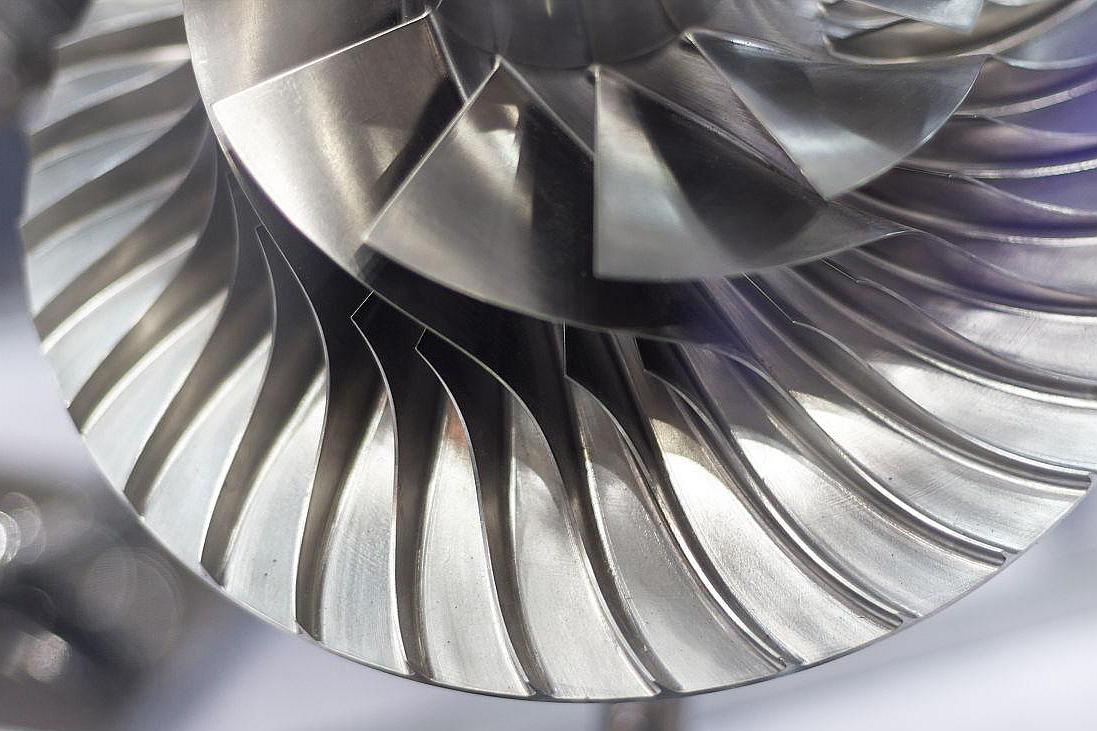
وفي التشغيل على خمسة محاور، نركز بشكل خاص على دقة التكرار (أقل من 0.005 مم) والاستجابة الديناميكية لكل محور. وعند تشغيل الدوّارات (Impellers) وغيرها من الأجزاء المعقدة، نقوم بتحسين معاملات التسارع والتباطؤ لكل محور لتحقيق أداء عالي السرعة وعالي الدقة في الوقت نفسه.
العامل الرئيسي الرابع: مسار العملية واستراتيجية البرمجة
يمكن لاستراتيجيات مسار الأداة المتقدمة أن تحسن نتائج التشغيل بشكل ملحوظ. نستخدم على نطاق واسع تقنيات مسار الأداة ذات الحمل الثابت مثل الطحن الحلقي (Trochoidal Milling) والاستدخال الحلزوني (Helical Interpolation)، للحفاظ على قوى قطع مستقرة وإطالة عمر الأداة. وفي خدمات الإنتاج منخفض الحجم، نقوم بتقييس هذه المسارات المحسّنة وتوثيقها كإجراءات أفضل الممارسات.
يُعد التفريز الصاعد (Climb Milling) استراتيجيتنا المفضلة؛ لأنه يقلل تآكل الأداة ويحسن جودة السطح. أما التفريز الهابط (Conventional Milling)، فلا نلجأ إليه إلا للأسطح التي تحتوي على طبقات متصلدة أو قشور مسبقة. وفي خدمات الإنتاج الكمي، ساعدتنا مسارات الأداة المحسّنة في تقليل زمن عدم القطع بأكثر من 30٪.
التطبيق العملي لتحسين المعاملات ودراسات حالة
في قطاع الطيران والفضاء، نجحنا في معالجة تحديات تشغيل هياكل المحركات من خلال تحسين المعاملات الرئيسية. وباستخدام استراتيجيات تشغيل على طبقات ومعاملات قطع مصقولة، تمكّنا من تقليل زمن التشغيل بنسبة 25٪ وتكاليف الأدوات بنسبة 40٪. وفي قطاع النفط والغاز، أدت التحسينات في معاملات تشغيل الثقوب العميقة إلى تحسين كبير في جودة وكفاءة إنتاج أجسام الصمامات.
وبالنسبة لمعدات توليد الطاقة، قمنا بتطوير مجموعات معاملات مخصصة تتوافق مع هندسة شفرات التوربينات. ومن خلال التحكم الدقيق في المعاملات عند كل مرحلة من مراحل التشغيل، ضمنا دقة الشكل الهندسي وفي الوقت نفسه حسّنا سلامة السطح بشكل ملحوظ.
ممارسات نيوي في تحسين المعاملات وخدماتها الاحترافية
في نيوي، نطبق خبرتنا في تحسين معاملات التشغيل بشكل منهجي على كل مشروع من خلال نموذج الخدمة المتكاملة "من محطة واحدة". بدءًا من تطوير العمليات في مرحلة خدمات النمذجة الأولية (Prototyping)، وصولاً إلى التحقق من معاملات التشغيل باستخدام الحاسب الآلي في تصنيع النماذج الأولية بتقنية CNC، نلتزم دائمًا بنهج صارم قائم على البيانات.
فريقنا الهندسي على دراية كاملة بخصائص التشغيل لمختلف المواد، ويمكنه تقديم حلول مثلى مصممة وفقًا لمتطلبات كل جزء. وفي قطاع المعدات الصناعية، ساعدنا العديد من العملاء على حل مشكلات تشغيل مزمنة من خلال تحسينات موجهة في معاملات القطع.
وفي الصناعة النووية، يضمن التحكم الصارم في المعاملات ومراقبة العمليات أن يفي كل مكوّن بأعلى معايير الجودة. كما تُسهم خدمات المعالجة الحرارية المناسبة و خدمات الصقل الكهربائي في تعزيز الأداء الشامل للمكوّنات بصورة أكبر.
الأسئلة الشائعة