What are the benefits of CNC milling for medical device parts?
What are the benefits of CNC milling for medical device parts?
CNC milling benefits medical device parts by producing functional dimensions, clean edges, controlled surface zones, repeatable small features, and real-material prototypes in one machining route. The benefit is strongest when the drawing defines patient-contact surfaces, fluid paths, datum references, edge-break rules, material grade, finishing needs, and inspection records; milling alone does not replace medical validation or regulatory approval.
These conditions make precision machining valuable for surgical instruments, diagnostic housings, implant-related parts, fixture components, probe supports, pump bodies, and custom structural parts. In medical device manufacturing, the sourcing decision should connect geometry, cleanliness, material condition, finishing, and documentation instead of treating a CNC quote as a simple shape-making task.
1. Tight Tolerance Control for Functional Medical Features
CNC milling helps medical parts when function depends on bore size, slot width, face flatness, hole position, and alignment between several machined surfaces. A part can look simple but still fail if the feature relationship affects sealing, instrument motion, sensor position, or pump performance.
For surgical systems, fluid-control devices, and diagnostic assemblies, the RFQ should separate critical functional features from general surfaces. That reduces unnecessary cost and focuses inspection on the dimensions that matter. The importance of these controls is closely related to machining tolerances and to the inspection practices described in quality control.
Medical Requirement | Why CNC Milling Helps |
|---|---|
Accurate mating features | Controls assembled fit when datums, fits, and inspection points are clearly defined. |
Precise hole and slot positions | Supports guided motion, fluid interfaces, probe alignment, and sensor location checks. |
Stable flatness and parallelism | Helps sealing faces and stacked assemblies perform after machining and finishing. |
Controlled feature-to-feature relationships | Reduces functional variation when the same datum scheme is used for machining and inspection. |
2. Excellent Surface Finish for Cleanliness and Performance
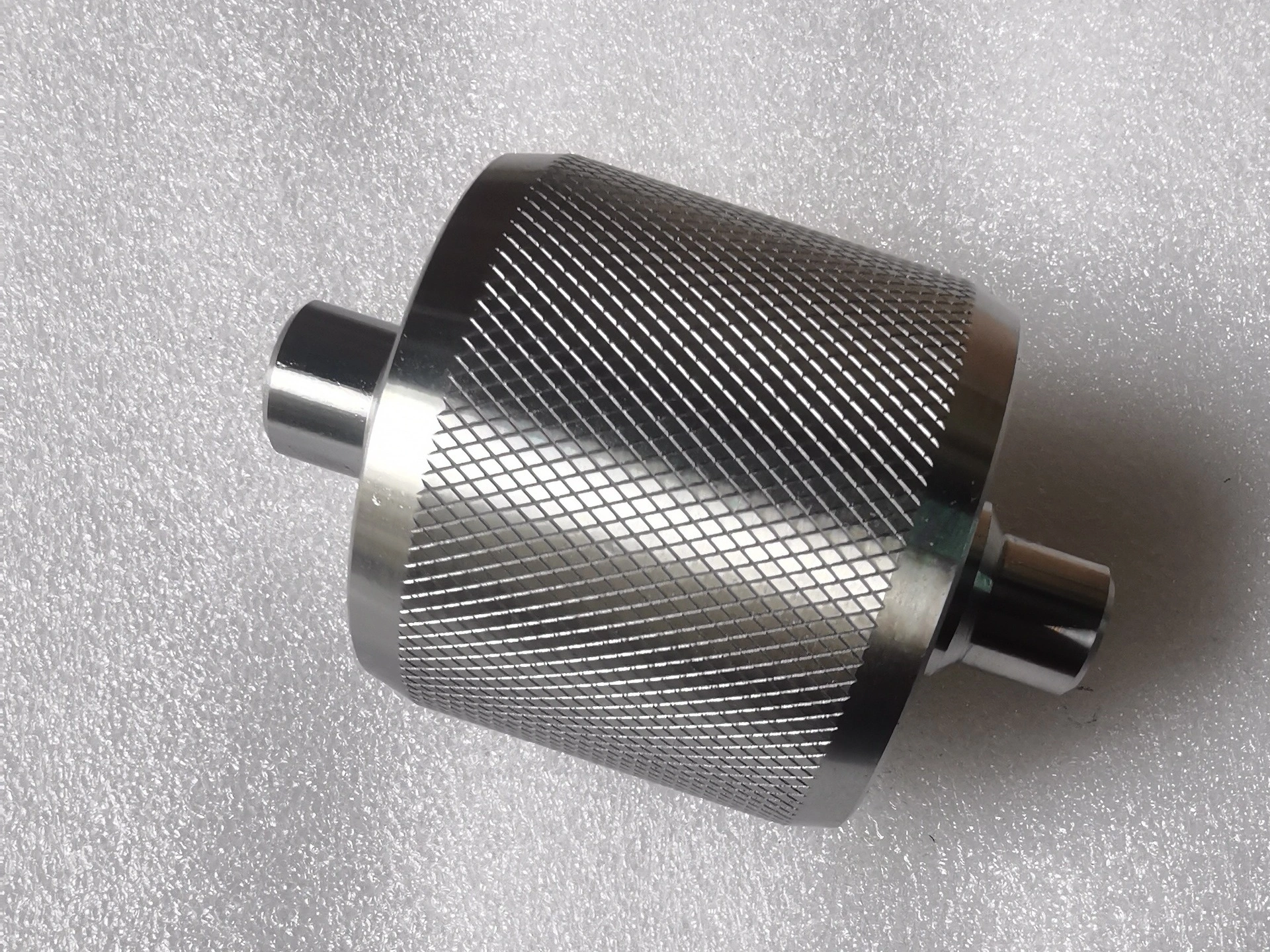
Medical device parts benefit from CNC milling when surface condition affects cleanability, friction, sealing, or later finishing. Rough tool marks, burrs, smeared material, and sharp internal edges can trap residue or damage mating parts. Milling provides a controlled baseline that can be followed by surface finishes such as polishing, passivation, or electropolishing when the application requires them.
As an early screening range, many milled surfaces may fall around Ra 3.2 µm to Ra 1.6 µm depending on material, tool condition, toolpath, and feature access. Final acceptance should come from the drawing and the chosen finishing process, especially for fluid-contact, patient-contact, and sterilization-sensitive zones.
3. Compatibility with Medical Materials
CNC milling benefits medical projects because the same process family can be adapted to corrosion-resistant metals, high-strength alloys, lightweight structures, and engineering plastics. Common examples include stainless steel for cleanability, titanium for strength and selected biocompatible applications, aluminum for equipment structures, and engineering plastics for insulation, low weight, or chemical resistance.
Specific medical machining materials may include SUS304, SUS316, Ti-6Al-4V (TC4), PEEK, and POM. Material selection should state grade, certification needs, sterilization exposure, finishing plan, and whether the part has patient-contact, fluid-contact, or equipment-only use.
4. Fast Prototyping and Design Iteration
CNC milling helps medical teams test design changes with real materials before tooling or formal production release. It can produce functional prototypes for ergonomic checks, instrument handles, pump bodies, brackets, housings, and validation fixtures directly from updated CAD data.
Compared with tooling-based methods, CNC machining prototyping allows faster evaluation of fit, motion, sealing, cleaning access, sterilization exposure, and assembly logic. The buyer should record which prototype features were tested, because a cosmetic prototype and a functional validation part need different tolerances and inspection depth.
Development Need | Benefit of CNC Milling |
|---|---|
Rapid design changes | Updated CAD can drive the next machined iteration without dedicated tooling. |
Functional prototypes | Uses intended materials for fit, cleaning, motion, and sealing evaluation. |
Low-volume pilot builds | Supports small controlled lots before tooling, molding, or larger production release. |
Design validation | Links drawing changes to test observations and inspection feedback. |
5. High Repeatability for Small-Batch and Production Parts
CNC milling benefits medical production when repeatable geometry is needed across low-volume, medium-volume, or revision-controlled batches. The process can keep toolpaths, fixtures, offsets, and inspection references consistent while still allowing controlled design changes.
Repeatability is useful only when paired with documented inspection, stable fixturing, and clear revision control. If the buyer requires ISO 13485 supplier controls, lot traceability, or specific dimensional reports, those requirements should be stated before quotation. This makes milling practical for prototype work, low volume manufacturing, and controlled production lots.
6. Complex Geometries and Multi-Face Precision
Many medical parts are compact but geometrically demanding, with pockets, ports, angled features, multi-face mounting surfaces, and small precision interfaces in one body. CNC milling handles these features well, especially when combined with multi-axis machining for better tool access and fewer setups.
Reducing setup count can improve positional accuracy and reduce cumulative datum transfer error for diagnostic housings, probe fixtures, implant-related components, and precision instrument assemblies. The best RFQ marks which faces are true functional datums.
7. Better Cleanability and Post-Processing Compatibility
CNC milled medical components can be planned for post-processing that improves corrosion resistance, cleanliness, or surface performance. Common routes include passivation, electropolishing, polishing, and specialized coatings where appropriate.
Finishing can also change edges, holes, surface texture, and coating thickness. That is the key limitation. The drawing should identify surfaces that must be protected, surfaces that may be polished, and dimensions that must be checked after finishing rather than only after machining.
8. Typical Medical Parts That Benefit from CNC Milling
Part Type | Why CNC Milling Is Beneficial |
|---|---|
Surgical instrument components | Useful when clean edges, stable grip features, and repeatable assembly fit are required. |
Probe and sensor supports | Controls small features and datum positions that affect measurement or guidance. |
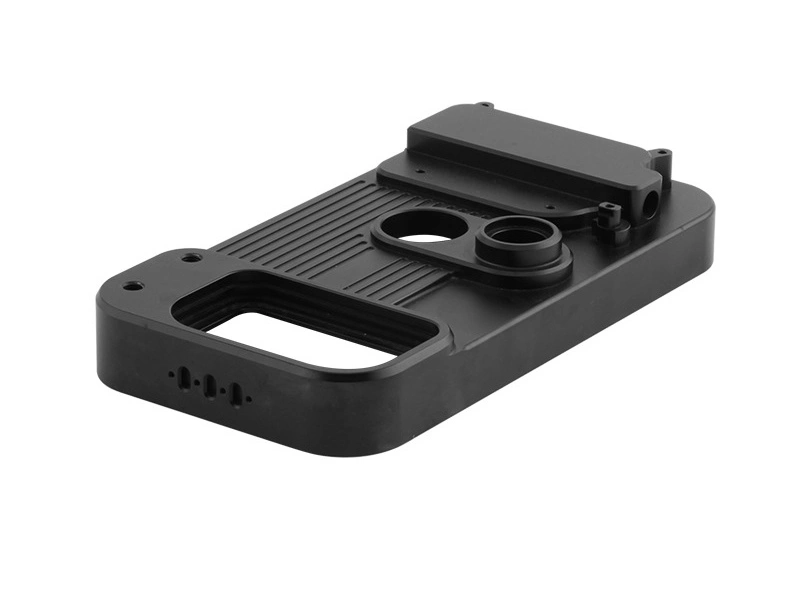
Diagnostic housings | Combines cosmetic surfaces, multi-face precision, and reliable cover or module fit. |
Implant-related structural parts | Requires documented material choice, controlled geometry, and finishing validation. |
Fluid-handling components | Depends on sealing faces, port alignment, clean passages, and post-finish inspection. |
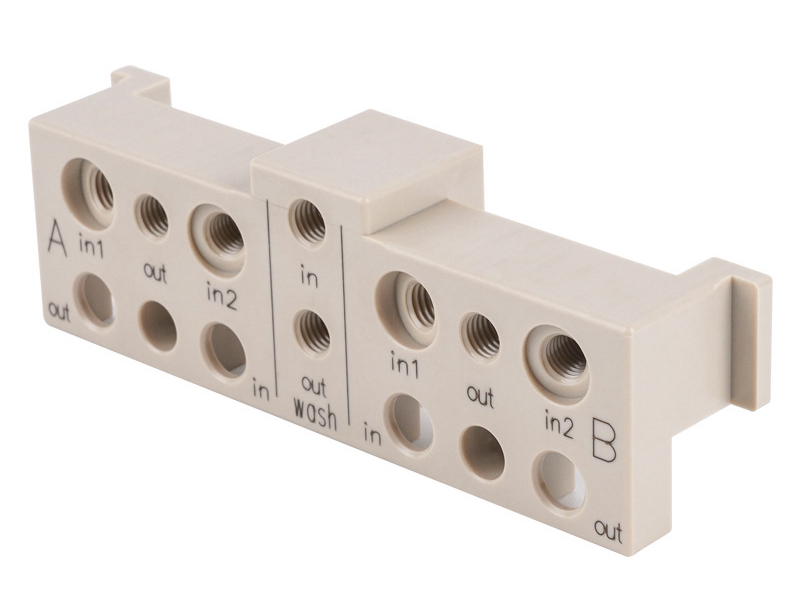
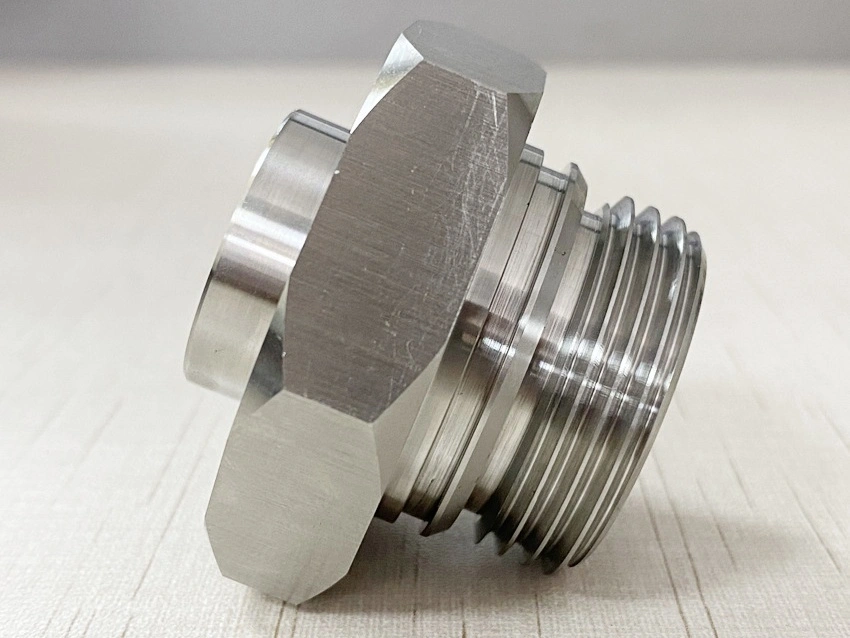
Representative applications in the database include surgical probes, titanium surgical implants, and medical-grade stainless components.
9. Summary
The main benefits of CNC milling for medical device parts are functional dimensional control, cleanable surface preparation, medical material flexibility, fast real-material prototyping, repeatable controlled batches, and support for complex multi-face geometry. These benefits matter most when the part must assemble, seal, move, clean, or interface consistently.
For a strong RFQ, provide the medical use category, exact material and grade, patient-contact or fluid-contact surfaces, critical datums, finish requirements, edge-break expectations, inspection report needs, and revision status. That information lets the machining route support the device requirement without overstating what CNC milling alone can qualify.