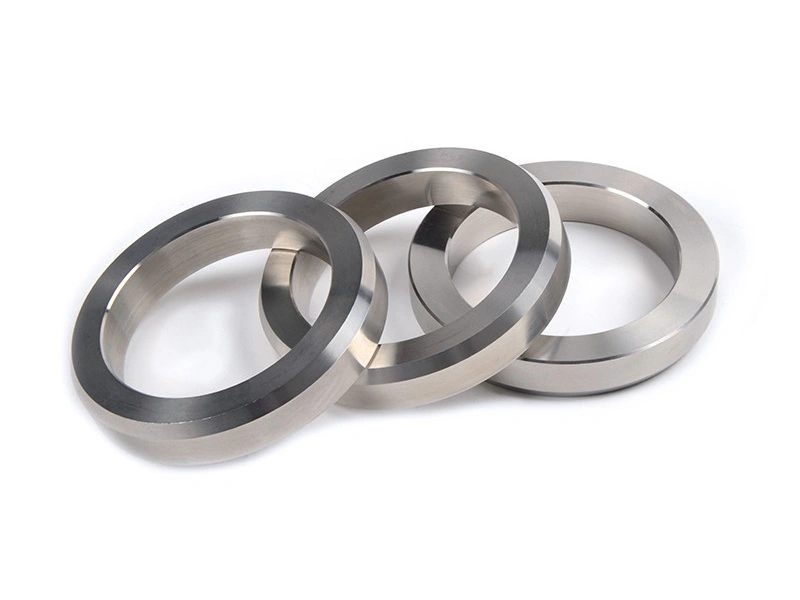
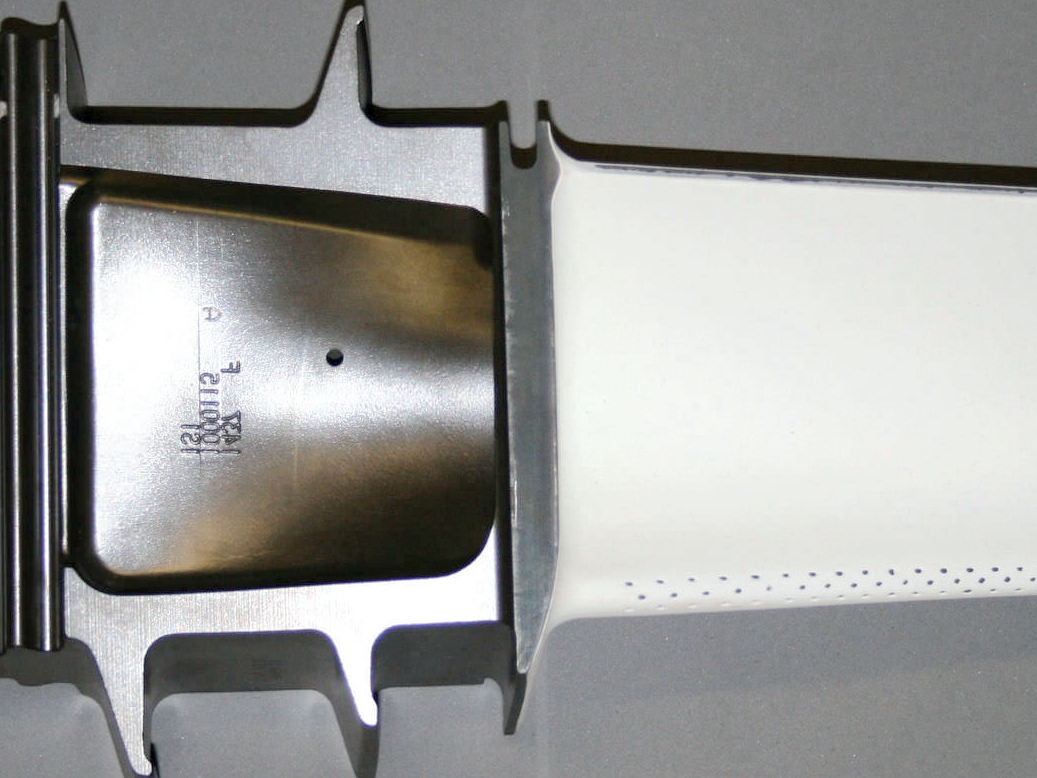
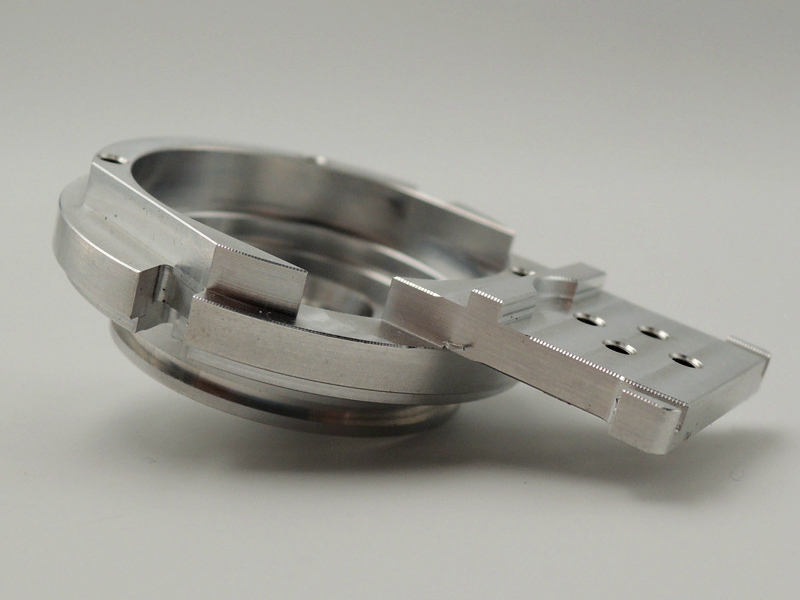
Hot Isostatic Pressing (HIP) service: Enhance CNC Machined High Temperature Alloy Parts
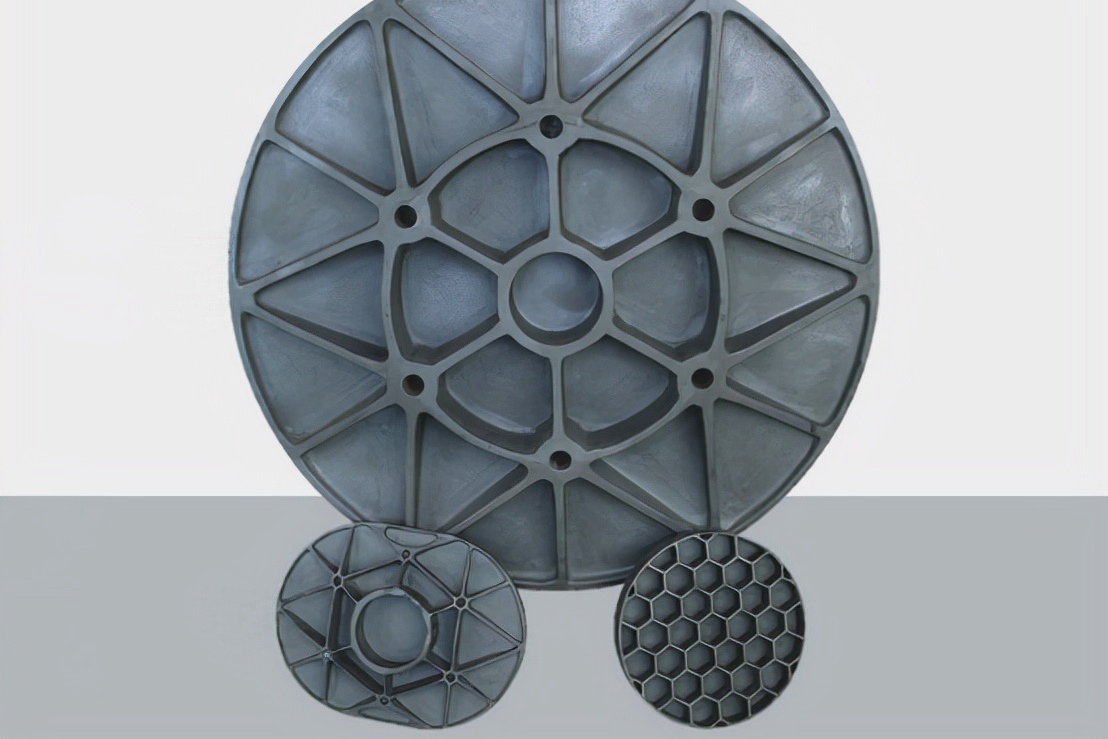
Introduction: HIP Technology - The Key Process to “Unlock” the Performance Potential of High-Temperature Alloy Parts?
Hot Isostatic Pressing (HIP) enhances CNC machined high-temperature alloy parts when the manufacturing route contains closed internal porosity that limits fatigue life, leak resistance, ductility, or fracture performance. HIP uses high temperature and inert-gas pressure to close internal voids before the final property and dimensional release steps. It is not a universal upgrade and it does not replace correct alloy selection, heat treatment, machining allowance, or inspection. The buyer should identify the alloy grade, manufacturing route, defect evidence, critical dimensions, heat-treatment condition, and required acceptance tests before specifying HIP. The clearest use case is a cast, powder metallurgy, or additive part that already has useful geometry but needs internal densification before final CNC machining. If no closed porosity or density-related failure risk is documented, HIP may add cost without improving the finished part.
High-temperature alloy components can look precise after machining while still carrying defects from casting, powder metallurgy, or additive manufacturing. Those defects may become crack-initiation sites under thermal cycling, vibration, pressure, or creep exposure. A qualified HIP services route should therefore be planned with the whole part history in view: rough manufacturing, stress relief, HIP, post-HIP heat treatment, final CNC machining, surface finishing, and NDE. A good RFQ asks how the supplier will verify densification and how much material remains for finishing after thermal movement. It should also ask which features are inspected before HIP, which features are left oversize, and which datum surfaces control final machining after the thermal cycle.
Principle of Hot Isostatic Pressing: Material “Healing” Under High Temperature and High Pressure
Synergistic Mechanism of Three Key Factors
HIP depends on the coordinated action of temperature, pressure, and hold time. Temperature reduces the material resistance to creep and diffusion. Isostatic gas pressure pushes evenly on the external surface and creates a driving force to close sealed internal pores. Hold time gives the material enough exposure for voids to shrink and bond across their internal surfaces. Many alloy families use pressures in the 100–200 MPa range, while temperature and dwell must be selected from the material specification and target microstructure. A cycle for one nickel alloy should not be copied to titanium, aluminum, or another superalloy without review. The part envelope, wall thickness, mass, fixture contact, and coupon location also matter because each one affects heating uniformity and release evidence. Cycle approval should confirm whether the part is rough-machined or near-net, because finished thin walls have less margin for thermal movement.
Scientific Basis for Achieving Material Densification
At elevated temperature, internal pores can close when the surrounding material creeps, diffuses, and consolidates under pressure. HIP is most effective on closed pores because pressure cannot enter the void. If a defect is open to the surface, gas pressure can equalize inside and outside the flaw, leaving little driving force for closure. For typical high-temperature alloys such as Inconel 718, the expected result should be defined by density evidence, metallography, CT or ultrasonic inspection, and mechanical testing rather than a single theoretical density number. The acceptance plan must say which pores are rejectable and which inspection method can detect them. It should also separate internal densification from surface quality, because HIP can close internal voids while surface-connected cracks, pits, or machining-exposed pores still need a different disposition. For pressure-boundary parts, seal areas and internal passages should be reviewed before HIP so an open channel is not mistaken for a closable pore.
Key Improvements of the HIP Process for High-Temperature Alloy Parts
Significant Enhancement of Fatigue Performance
Internal pores, shrinkage cavities, and lack-of-fusion defects can start fatigue cracks because they concentrate stress under repeated loading. HIP can improve fatigue performance when those defects are closed and when the final heat treatment restores the required alloy condition. The improvement is not a fixed multiplier. It depends on pore size, pore location, surface finish, residual stress, loading direction, operating temperature, and whether the part is cast, forged, machined, or additively manufactured. Buyers should request witness coupons or first-article data when fatigue life is a release requirement. The fatigue plan should state whether the part is controlled by high-cycle fatigue, low-cycle fatigue, thermal fatigue, or dwell-fatigue behavior, because each mode may need different evidence.
Improved Consistency of Mechanical Properties
HIP can reduce scatter in mechanical properties by reducing random internal defects that cause premature fracture. Consistency matters when a part must be released by tensile, fatigue, pressure, or leak criteria. It also matters for precision machining services because the final machining plan often depends on stable stock, predictable distortion, and known post-HIP material condition. HIP does not remove all variability. Surface-connected defects, heat-treatment response, grain growth, and residual stresses still need separate control and inspection. A practical control plan compares pre-HIP dimensions, post-HIP dimensions, final machined dimensions, and mechanical coupon data so movement and property scatter are not mixed together.
Typical HIP Process Parameters and Workflow
Precise Process Control
A HIP cycle should define temperature, pressure, hold time, heating rate, cooling path, atmosphere, load placement, coupon placement, and permitted tolerance bands. For Inconel 625 and other high-temperature alloys, the correct cycle depends on material standard, part geometry, defect type, post-HIP heat treatment, and final property target. A buyer should be cautious with unsupported fixed recipes. A parameter such as temperature or dwell time has meaning only when tied to the alloy condition, section thickness, defect closure target, and acceptance testing. The RFQ should request the process window, not a vague statement that HIP will be applied. A good quote identifies whether the cycle is customer-specified, supplier-qualified, or still under development.
Full-Process Quality Monitoring
HIP process control is verified through furnace records, pressure logs, temperature uniformity evidence, thermocouple placement, load identification, witness coupon traceability, and post-cycle inspection. Experience with vacuum heat treatment services is relevant because both routes depend on thermal discipline, but HIP also adds pressure, gas environment, vessel loading, and densification evidence. The manufacturing traveler should connect HIP data with later heat treatment, machining, and NDE, so a release problem can be traced back to a specific load or process decision. If production will repeat the process, the same records should define which changes require requalification.
“Revolutionary” Role of HIP in Post-Processing of Additively Manufactured Parts?
Eliminating Inherent Defects of Additive Manufacturing
Metal 3D printing technology can produce complex channels, lattice features, and near-net high-temperature alloy parts, but it can also leave gas pores, lack-of-fusion defects, and directional microstructure. HIP can close sealed internal pores and reduce anisotropy when the part is clean, fully consolidated enough for the cycle, and not dominated by open cracks or unremoved powder. HIP is not a repair for a poor build process. If the AM process creates large lack-of-fusion defects, surface-connected pores, or trapped powder channels, the build parameters or design may need correction before HIP. Buyers should share build orientation, powder lot, layer thickness, support removal method, and any CT findings when requesting HIP for additive parts.
Enhancing Isotropic Properties
Additive parts often show directional property differences because melt pools, layer boundaries, residual stress, and defect orientation follow the build path. HIP can help make properties more uniform by closing internal pores and reducing defect-driven anisotropy. The final result still depends on build orientation, powder quality, stress relief, HIP cycle, heat treatment, and machining sequence. A buyer should ask whether mechanical coupons represent the same build orientation and thermal route as the production part. Without representative coupons, property data may not support the actual geometry. For lattice features or internal channels, powder removal and surface-connected porosity should be reviewed before HIP because closed-pore logic may not apply.
Synergy and Differences Between HIP and Traditional Heat Treatment
Optimized Design of Process Sequence
HIP and heat treatment processes should be planned together because they affect different risks. HIP reduces internal porosity. Heat treatment sets phase structure, precipitation, hardness, ductility, and residual stress condition. For many high-temperature alloys, HIP comes before final aging or solution-and-aging treatment, but the exact order depends on the alloy, specification, rough-machining plan, and dimensional risk. A buyer should not approve HIP without knowing which later step establishes final mechanical properties. If tight dimensions are required, rough machining, HIP, heat treatment, and finish machining should be sequenced so each thermal step has a stock allowance.
Complementary Performance Enhancement
HIP mainly addresses internal soundness, while heat treatment addresses metallurgical condition. A dense part can still fail if it is too soft, over-aged, brittle, dimensionally unstable, or missing the specified heat-treated condition. The two processes should be connected by test evidence: density or pore reduction for HIP, and tensile strength, hardness, elongation, creep resistance, or fatigue response for heat treatment. The buyer should define whether final machining occurs after HIP, after heat treatment, or after both, because each thermal step can cause small dimensional changes. This is especially important for bores, datums, sealing faces, and thin walls that cannot be corrected if too little stock remains.
Quality Verification and Nondestructive Testing of HIP-Treated Parts
Comprehensive Performance Evaluation
For material testing and validation, a HIP-treated part should be evaluated by the defect risk and release requirement. Metallography can show remaining pores, diffusion quality, and abnormal microstructure in sampled locations. Mechanical testing can confirm tensile strength, ductility, impact response, or fatigue behavior on representative coupons. Dimensional inspection should confirm that thermal exposure did not remove the machining allowance or move critical datums outside the correction plan. The acceptance plan should define what is first-article, lot-based, or 100% inspected. It should also state whether coupon data is enough or whether the actual part needs NDE.
Advanced Nondestructive Testing Technologies
NDT methods such as ultrasonic testing and industrial CT can support HIP verification without cutting every part. Ultrasonic testing is useful for suitable shapes and thicknesses, but grain size, geometry, and surface condition affect sensitivity. CT scanning provides a 3D volume view and can compare pre-HIP and post-HIP porosity when resolution and part size allow it. Neither method should be described as universal. The RFQ should state the defect size, inspection zone, reporting format, and whether surface-connected defects need penetrant or visual inspection. For high-value parts, pre-HIP and post-HIP CT comparison can show whether the expected defect population actually changed. If NDE cannot see the critical defect size, metallography or destructive coupon evidence should be considered.
Major Application Fields: From Aerospace to Energy Equipment
Critical Aerospace Components
In the aerospace sector, HIP is considered for turbine hardware, housings, brackets, combustor-related components, and additive parts when internal porosity threatens fatigue or fracture reliability. High-temperature alloys such as Hastelloy X require material-specific review because oxidation behavior, heat-treatment condition, section thickness, and service temperature matter. Aerospace release should define the approved cycle, witness sample plan, NDE level, mechanical tests, and traceability records before production parts are processed. HIP cannot replace design substantiation, but it can support a qualified manufacturing route when internal soundness is the limiting risk.
Energy and Medical Equipment
In the power generation industry, HIP may be used for cast turbine components, hot-gas hardware, and pressure-related parts where internal defects reduce service margin. In the medical device field, HIP can support additive or porous-metal components when the intended porosity, mechanical properties, cleaning, and biocompatibility route are clearly defined. The same process decision cannot be copied between energy and medical parts because the inspection rules, materials, and release evidence differ. A power turbine housing, an implant structure, and a hot-gas bracket may all need different HIP acceptance logic.
Key Considerations When Selecting HIP Services
Evaluation of Technical Capabilities
When selecting a HIP service provider, evaluate whether the provider can match vessel size, qualified cycles, load control, temperature uniformity, pressure recording, coupon handling, and documentation to the part requirement. Equipment envelope matters, but it is not enough. A large vessel without the right material cycle, inspection plan, or traceability route may not support release. The RFQ should include the part envelope, weight, alloy, quantity, target properties, specification, NDE level, and whether final machining is included. The buyer should also ask what happens if post-HIP inspection finds remaining porosity, distortion, or surface-connected defects.
Cost-Benefit Analysis
HIP adds processing cost, scheduling time, and often extra inspection or heat treatment. It is justified when closed internal porosity is a limiting risk and when the part value, qualification requirement, or failure consequence makes densification worthwhile. Cost should be assessed by vessel volume, batch size, cycle severity, witness samples, NDE, post-HIP heat treatment, and final machining. A buyer should also ask whether HIP can reduce scrap, redesign, overweight safety margins, or rejected additive builds. The quote should separate unavoidable HIP cycle cost from optional inspections and downstream work so purchasing can compare routes fairly. A low furnace price is not automatically the lowest total cost if it excludes coupon testing, NDE, heat treatment, or final machining.
Neway’s HIP Capabilities and Professional Solutions?
Through a one-stop service model, a HIP project should connect material review, near-net manufacturing, stress relief, HIP processing, heat treatment, precision machining, NDE, and final documentation. The key purchasing value is not a broad promise of post-processing. It is a controlled handoff between steps that affect density, microstructure, dimensions, surface condition, and release records. Buyers should ask which step owns each risk and what evidence is provided at each hold point. For example, the roughing stage may protect stock, HIP may close internal pores, heat treatment may set properties, and finish machining may restore datum-controlled features.
Related post-processing routes may include HIP treatment, thermal barrier coatings, surface cleaning, stress relief, final heat treatment, and inspection. Each process has a different purpose. HIP closes internal pores; coating protects surfaces; heat treatment sets properties; machining restores dimensions. Combining them without a sequence plan can create cost, distortion, or inspection problems. The RFQ should identify which process is mandatory, which is conditional, and which belongs after final machining or before surface finishing.
For mass production capabilities, the process package should define batch size, coupon rules, inspection sampling, rework limits, traceability fields, and production change control. Whether the project involves titanium alloy components or high-temperature alloy parts, the supplier should separate prototype validation from repeated lot release. The strongest RFQ includes drawings, alloy condition, defect evidence, HIP specification, heat treatment, machining allowance, NDE, and acceptance criteria. It should also define the decision point for rework or scrap, because HIP cannot repair every internal or surface defect. For production transfer, the buyer should freeze the process route only after first-article evidence proves that density, properties, dimensions, and inspection records meet the release plan. Production teams should define change-control triggers for powder lot, casting heat, HIP furnace, heat-treatment lot, inspection method, and final machining datum changes. Purchasing should ask which evidence repeats every lot and which evidence is first-article only. That separation prevents under-testing critical parts and over-testing low-risk repeats. It should also confirm who owns nonconformance review when evidence conflicts, preventing silent release of borderline parts.
FAQ