MAR-M247
MAR-M247 CNC Machining Materials Introduction
MAR-M247 is a cast nickel-based superalloy developed for extreme high-temperature service where creep resistance, oxidation resistance, and thermal fatigue performance are all critical. It is widely recognized for its high gamma-prime strengthening content and its ability to maintain mechanical integrity in severe hot-section environments, especially where long-term exposure to elevated temperature and cyclic loading would quickly degrade conventional heat-resistant alloys.
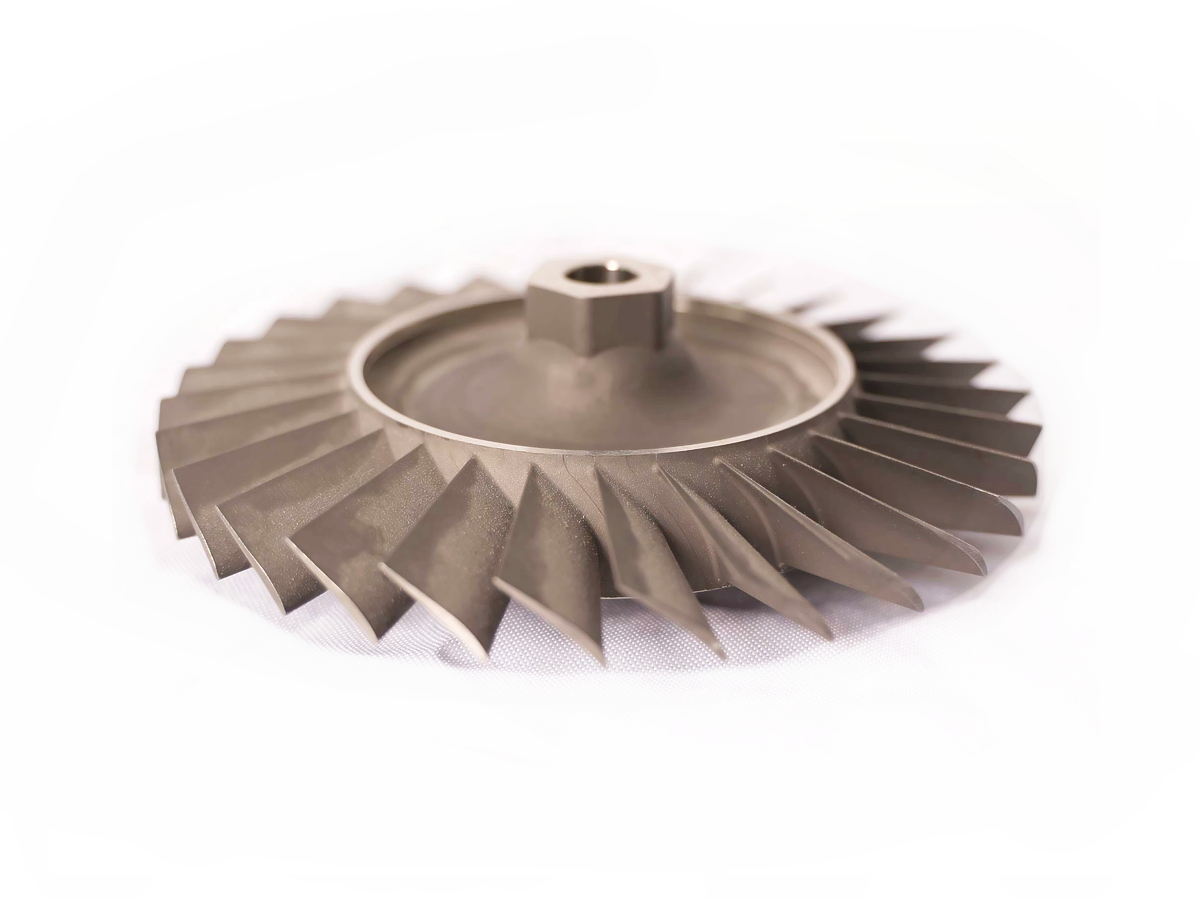
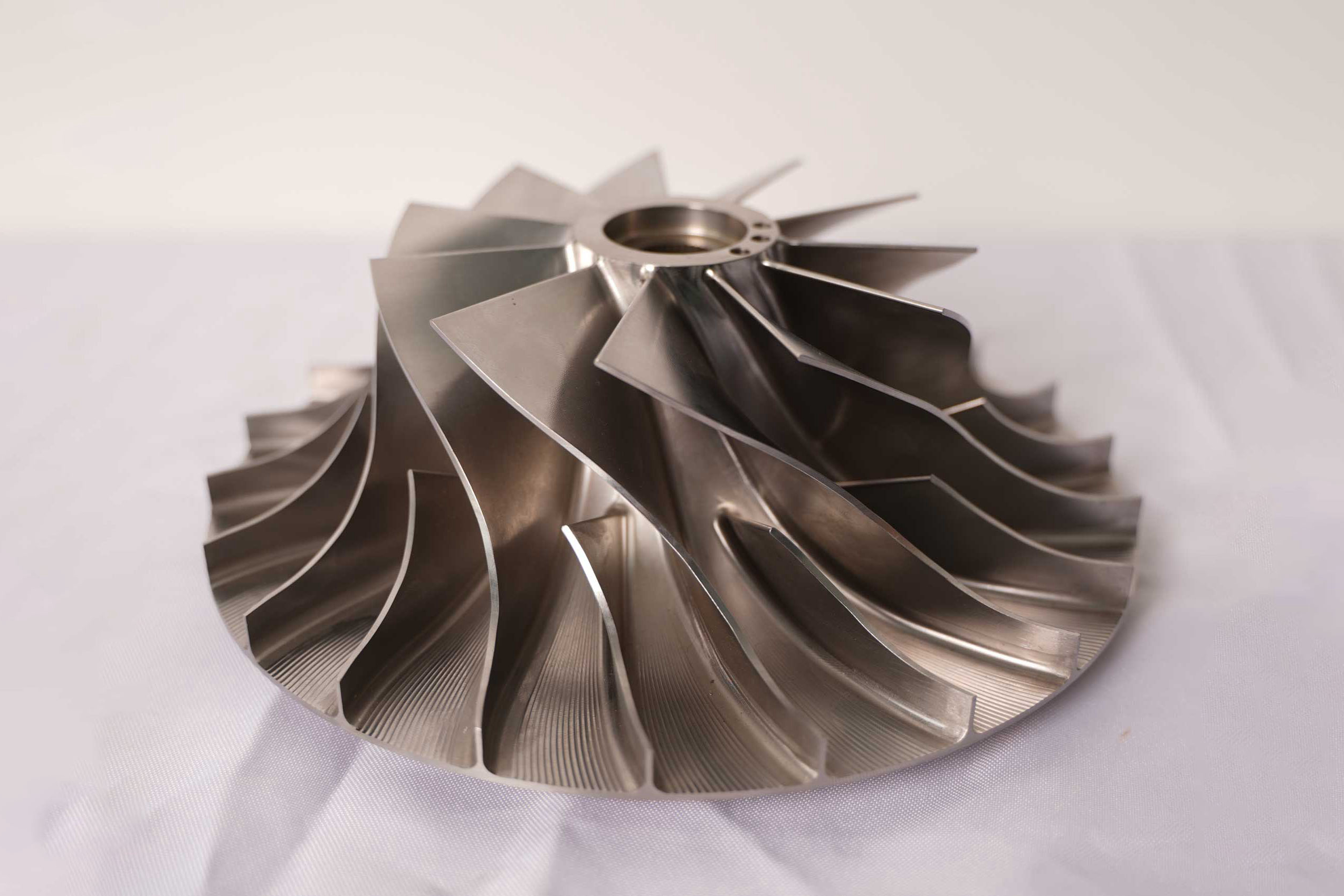
In superalloy CNC machining, MAR-M247 is most often used as a near-net-shape cast material that requires secondary precision finishing on airfoils, root forms, sealing surfaces, datum features, cooling interfaces, and assembly-critical geometry. This makes it highly suitable for gas turbine blades, vanes, combustor-adjacent structures, and power-generation hardware where final dimensional accuracy must be achieved without compromising the alloy’s high-temperature performance.
MAR-M247 Similar Grades Table
The table below lists common engineering references and related designation practices for MAR-M247 in international industrial use:
Country/Region | Standard | Grade Name or Designation |
|---|---|---|
USA | Commercial Alloy Designation | MAR-M247 |
USA | Material Family | Cast Nickel-Based Superalloy |
Engineering Reference | Derivative Grades | MAR-M247, CMSX-related application class, DS/Equiaxed turbine alloy family |
Europe | Industry Practice | Usually specified by trade alloy name and casting specification |
China | Engineering Usage | Typically referenced by original alloy designation in aerospace and turbine projects |
Application Class | Hot-Section Casting Alloy | Blade, vane, nozzle, and thermal structural component service |
MAR-M247 Comprehensive Properties Table
Category | Property | Value |
|---|---|---|
Physical Properties | Density | About 8.3–8.5 g/cm³ |
Melting Range | Approximately 1260–1340°C | |
Thermal Conductivity | Low, typical of high gamma-prime nickel superalloys | |
Specific Heat Capacity | About 420–500 J/(kg·K) | |
Thermal Expansion | Approximately 12–15 µm/(m·K), temperature dependent | |
Chemical Composition (%) | Nickel (Ni) | Balance |
Chromium (Cr) | Typically about 8–10 | |
Cobalt (Co) | Typically about 9–11 | |
Tungsten (W) | Typically about 9–11 | |
Tantalum (Ta) | Typically about 3 | |
Aluminum / Titanium / Hafnium | Gamma-prime and castability strengthening additions | |
Mechanical Properties | High-Temperature Strength | Excellent for cast turbine service |
Creep Resistance | Excellent | |
Thermal Fatigue Resistance | Very High | |
Oxidation Resistance | Very Good at elevated temperature | |
Machinability | Difficult, especially in heat-treated cast condition |
CNC Machining Technology of MAR-M247
MAR-M247 is typically machined as a finishing material rather than a heavy stock-removal alloy. Because it is commonly supplied as a precision casting for hot-section parts, the machining route focuses on accurate finishing of datums, attachment roots, sealing faces, holes, slots, and local contour corrections. Operations generally involve CNC milling, CNC drilling, CNC grinding, and when geometry is extremely difficult or locally hardened, EDM.
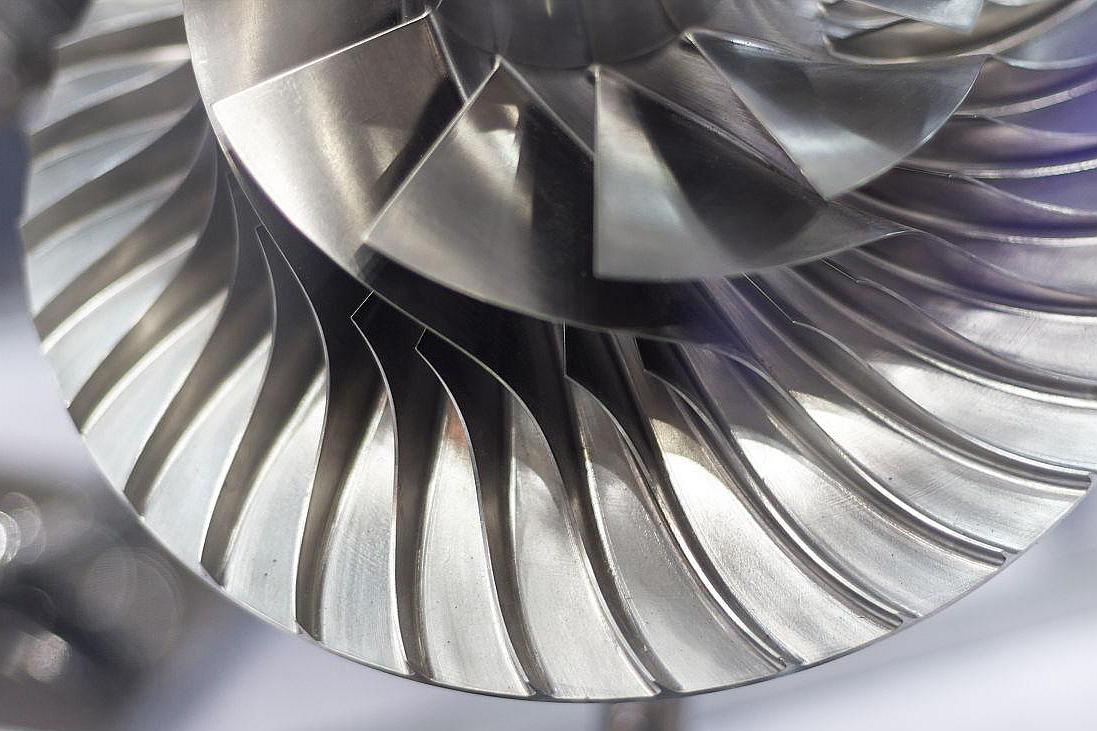
Due to its high hot hardness, abrasive carbides, cast microstructural heterogeneity, and tendency to generate concentrated cutting heat, MAR-M247 requires rigid workholding, sharp and thermally stable tooling, carefully controlled chip load, and low-vibration machine dynamics. For intricate airfoils or complex blade-root transitions, multi-axis machining is often preferred to reduce re-clamping error and improve control over local geometry in hard-to-access regions.
Applicable Process Table
Technology | Precision | Surface Quality | Mechanical Impact | Application Suitability |
|---|---|---|---|---|
CNC Milling | Typically ±0.02–0.05 mm | Ra 1.6–3.2 µm | Effective for local contour and root finishing | Blade roots, platforms, slots, datum features |
CNC Drilling | Typically ±0.02–0.08 mm | Application dependent | Suitable for holes and mounting features | Cooling-related access features, assembly holes |
CNC Grinding | Typically ±0.005–0.01 mm | Ra 0.2–0.8 µm | Best for tight tolerance and finished contact faces | Seal faces, root contacts, precision interfaces |
EDM | Typically ±0.005–0.02 mm | Ra 0.4–3.2 µm | Low-force shaping of difficult geometry | Fine slots, fir-tree details, sharp internal corners |
MAR-M247 CNC Machining Process Selection Principles
When the component is a cast turbine blade, vane, or hot-structure detail, CNC machining is generally used as a finishing process rather than the primary shape-generation route. The preferred strategy is to preserve as much cast geometry as possible while machining only the features that directly affect assembly, balance, aerodynamic accuracy, sealing, or load transfer.
Milling is typically selected for platforms, root forms, local datum pads, and corrected external contour zones because it offers good geometric flexibility. Grinding is preferred where finished accuracy, flatness, or contact performance is more important than removal rate, especially on root-bearing surfaces and sealing features.
EDM becomes the preferred option when the part contains narrow slots, sharp internal corners, delicate root geometry, or localized features where conventional tools would create too much force or risk microcracking. Drilling strategies must also be conservative because cast superalloy surfaces and internal microstructural variations can accelerate tool wear and reduce hole-quality consistency if chip evacuation is unstable.
MAR-M247 CNC Machining Key Challenges and Solutions
One of the major challenges in machining MAR-M247 is its poor machinability caused by strong hot hardness, abrasive carbide phases, and high gamma-prime content. This leads to rapid tool wear, notch wear, and edge chipping if the process is too aggressive. Practical solutions include lower cutting speed, rigid setups, carefully optimized feed, and tooling selected specifically for nickel-based cast superalloys.
Another challenge is the cast microstructure itself. Because MAR-M247 is often supplied as a cast blade or hot-section blank, local segregation, eutectic regions, and variable hardness can influence cutting stability and dimensional consistency. Careful process qualification, conservative step-over control, and close monitoring of tool condition are necessary to maintain repeatable results across batches.
Surface integrity is critical because hot-section parts can be highly sensitive to machining-induced damage. Burrs, smeared metal, grinding burn, recast layers, or microcracks may reduce fatigue or creep life if not controlled. For this reason, final finishing should follow disciplined precision machining practices with strict attention to edge condition, local thermal input, and process repeatability.
Residual stress and dimensional movement can also become important after casting or thermal processing. In high-value components, machining routes are often coordinated with heat treatment and inspection planning so that the final geometry reflects the true service-ready condition of the part rather than only its pre-finish state.
Industry Application Scenarios and Cases
MAR-M247 is primarily applied in industries requiring the highest level of hot-section durability and long-term strength retention:
Aerospace and Aviation: Turbine blades, guide vanes, shrouds, nozzle components, and hot-end structures exposed to extreme gas temperature, creep loading, and thermal cycling.
Power Generation: Industrial gas turbine blades, vanes, transition hot parts, and high-temperature structural castings that require long service life in oxidizing environments.
Industrial Equipment: Severe thermal service hardware, furnace-zone alloy details, and specialized hot-process components where conventional heat-resistant steels are inadequate.
Nuclear: Special high-reliability thermal structural parts and alloy details requiring stable dimensional finishing and controlled material integrity.
A common manufacturing route for MAR-M247 involves precision casting of the near-net-shape hot-section component, followed by localized CNC finishing of the root, platform, mounting, sealing, and inspection datum features. This route minimizes unnecessary material removal while preserving the alloy’s intended cast structure and delivering the final tolerances needed for turbine assembly and long-term service reliability.
Explore Related Blogs