Is heat treatment still required after HIP?
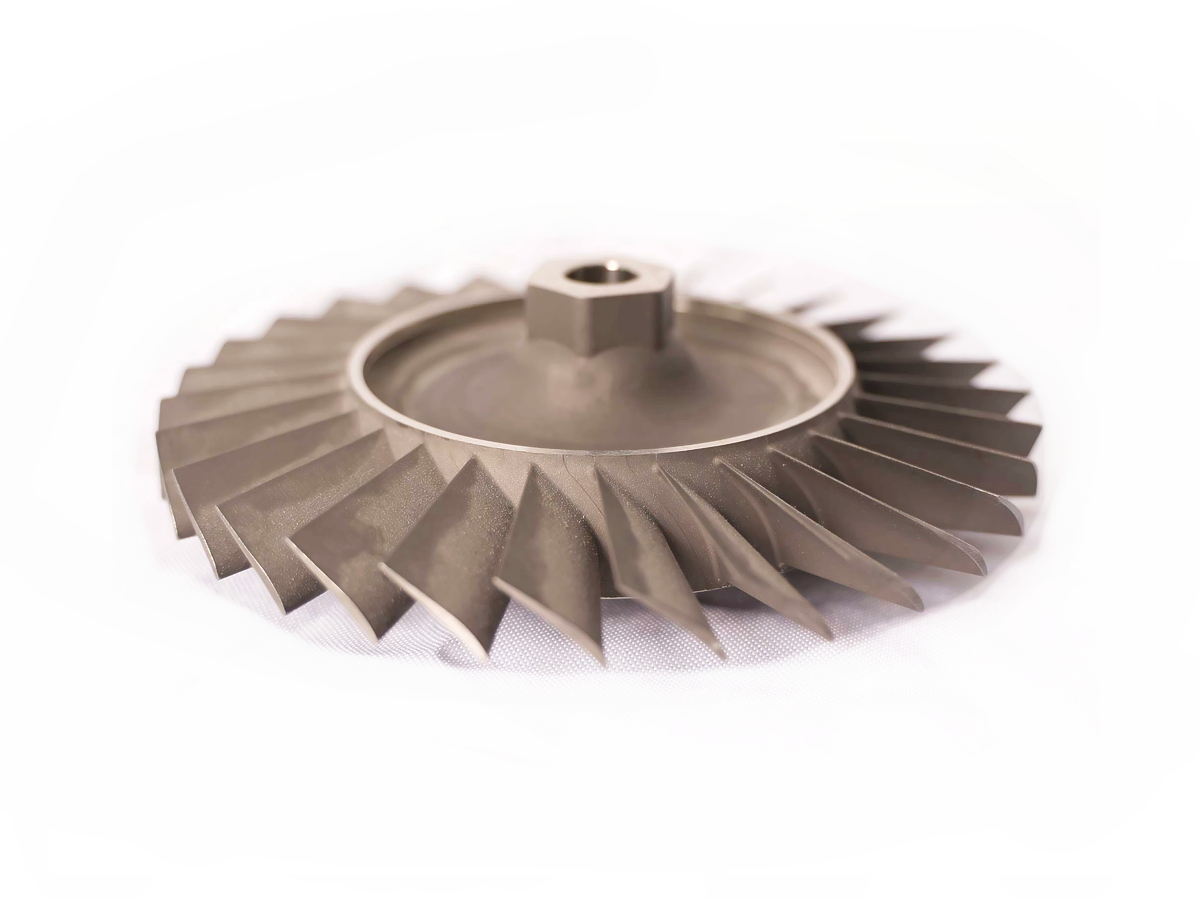
Yes, heat treatment is still required after HIP when the alloy specification or final property condition calls for it, but a separate post-HIP cycle is not universal. Hot Isostatic Pressing closes sealed internal porosity by combining temperature, gas pressure, creep, and diffusion. The cycle can also dissolve, coarsen, or redistribute phases, so density does not prove that the specified microstructure has been achieved. The governing material, product, and customer specifications must decide whether solution treatment, aging, annealing, stress relief, tempering, or an integrated HIP-and-heat-treatment route is acceptable. HIP establishes internal soundness; the approved thermal route establishes the final metallurgical condition. An RFQ should identify the exact alloy, product form, starting condition, HIP requirement, target properties, test coupons, final dimensions, and acceptance standard.
The Distinct Roles of HIP and Heat Treatment
HIP and heat treatment are not interchangeable because pressure-assisted pore closure and microstructure control answer different acceptance questions. A HIP record confirms the specified pressure, temperature, dwell, and cooling route. It does not prove tensile strength, hardness, creep resistance, fatigue performance, corrosion behavior, or dimensional compliance. Those results require the material condition and tests named by the drawing or governing specification.
HIP for Internal Soundness: HIP targets sealed internal porosity in cast, powder, or additively manufactured metal. Surface-connected pores may remain because vessel gas reaches both sides of the pore wall. The result depends on alloy, pore connectivity, starting density, section thickness, and cycle control. Components for aerospace and aviation or medical device service still need application-specific release requirements.
Heat Treatment for Material Condition: The thermal route controls phase balance, precipitate distribution, hardness, ductility, residual stress, and property stability. It may be performed after HIP or combined with HIP cooling and aging under a qualified route. A combined route is acceptable only when the material specification permits it and representative tests verify the required properties. Furnace uniformity, load arrangement, atmosphere, and cooling rate remain controlled variables.
Material-Specific Requirements
The alloy family, product form, starting microstructure, HIP temperature, cooling history, and target condition determine the post-HIP heat treatment. Material names alone are not enough. Wrought stock, castings, powder products, and laser powder bed fusion parts may use different routes for the same nominal alloy. The approved route sheet should connect every thermal step to a measurable acceptance result.
Nickel Superalloys and Alpha-Beta Titanium: Nickel alloys such as Inconel 718 may require solution treatment and aging, direct aging, or another qualified sequence after HIP. Feedstock route, grain structure, HIP cooling, and the required property balance determine the choice. Ti-6Al-4V does not use the gamma-prime or gamma-double-prime strengthening mechanism of nickel superalloys. Its route controls alpha-beta morphology, residual stress, grain structure, and properties. A separate anneal may be unnecessary when a qualified HIP cycle delivers the specified condition, but material tests must confirm that decision.
Precipitation-Hardening and Martensitic Stainless Steels: 17-4PH and 420 stainless steel cannot share one generic instruction. For 17-4PH, solution treatment and aging govern strength, hardness, toughness, and corrosion response. For 420, austenitizing, quenching, and tempering establish the martensitic condition. HIP does not automatically produce the specified H condition or tempered hardness. The route sheet should name the final condition, hardness range, required tests, and distortion allowance.
Aluminum and Tool Steels: An Aluminum 7075 product exposed to a high-temperature HIP route cannot be assumed to retain T6, T7, or another starting temper. Solution treatment, quenching, and aging may be needed after review of distortion, quench sensitivity, incipient melting limits, and oxide-related porosity. Tool steels may require austenitizing, quenching, multiple tempering, or stress relief. Hardness alone is insufficient when carbide distribution, retained austenite, toughness, or dimensional stability controls acceptance.
The Integrated Manufacturing Sequence
The sequence must protect pore closure, material properties, and final geometry. Dimension-changing thermal steps normally precede finish machining, although rough machining, support removal, stress relief, or inspection may occur between cycles. The traveler should record load identity, each furnace or HIP run, test coupons, measurement datums, and release authority.
Near-Net-Shape Production: Metal 3D Printing, casting, or powder consolidation can produce sealed internal porosity that may justify HIP. The locked Rapid Molding example is not automatically part of that route; polymer molding and ordinary rapid tooling normally do not receive metal HIP. The supplier must identify the actual material process, pore type, stock allowance, build or casting orientation, and any prior stress-relief step.
Hot Isostatic Pressing: The approved HIP specification should define alloy, pressure, temperature, dwell, heating and cooling controls, load configuration, and record retention. Density, computed tomography, ultrasonic testing, or metallography may verify internal soundness when the applicable acceptance plan requires them. None of these checks substitutes for post-HIP mechanical-property verification.
Post-HIP Heat Treatment: Apply a separate thermal cycle only when the approved route requires one. For a combined route, qualification must show that HIP cooling and any subsequent aging produce the specified microstructure and properties. Witness coupons should represent the same material lot, product route, thermal exposure, and section response closely enough for the governing specification. Tensile, hardness, impact, creep, fatigue, or microstructure tests are selected by the service requirement rather than added as a generic package.
Final Machining: Use Precision Machining after the last dimension-changing thermal step when the route permits. Rough stock must cover predicted HIP shrinkage, heat-treatment movement, scale removal, and datum restoration. Pre- and post-cycle measurements should use the same datum definition, temperature condition, fixture logic, and calibrated method. Final machining cannot recover a thin wall or feature that moved beyond available stock.
Surface Enhancement: Processes such as Passivation for suitable stainless steels or Anodizing for aluminum should follow the approved thermal and machining route. Surface treatment cannot repair an incorrect metallurgical condition. Cleaning, masking, dimensional allowance, corrosion testing, coating specification, and inspection method must match the final alloy state and functional surfaces.
Engineering Verdict
Heat treatment after HIP is required only when the qualified material route or final property specification requires it. A separate cycle is usually justified when HIP leaves the alloy outside its specified solution-treated, aged, annealed, stress-relieved, or tempered condition. It may be omitted when an approved combined HIP route produces the required microstructure and properties, and representative evidence confirms that result. Release should therefore compare HIP records, heat-treatment records, coupon results, hardness or mechanical tests, microstructure where required, and dimensions against one defined acceptance plan. The RFQ should state the alloy specification, product form, starting condition, HIP cycle, permitted combined route, final condition, test frequency, machining allowance, datums, and disposition rule for any failed result.