When Should Buyers Choose Low Volume Production for Custom CNC Parts?
When Should Buyers Choose Low Volume Production for Custom CNC Parts?
Buyers should choose low volume production for custom CNC parts when the design baseline is released, repeat batches are needed, and demand or process evidence does not yet justify mass production. The route fits projects that need functional parts in the specified material condition while retaining controlled change authority. It is a poor fit when critical geometry remains unresolved or when a qualified high-volume route already offers lower total landed cost. Before release, buyers should define the revision, material state, critical features, acceptance method, batch purpose, and exit condition in the request for quotation (RFQ).
A successful low-volume decision starts after prototype validation has closed the design questions that would invalidate a repeat batch. A working sample alone is not enough. The buyer needs a controlled drawing baseline, accessible CNC geometry, repeatable workholding, available stock in the required grade and condition, and inspection evidence matched to the final part state. Demand may remain uncertain, but acceptance cannot remain vague. Hold the release if material substitutions, datum relationships, post-processing effects, or functional interfaces are still undefined. The batch also needs a named disposition owner and a planned response when evidence does not meet acceptance. Choose the route only when the next batch will produce useful evidence or supply value that outweighs setup, inspection, rework, inventory, and change costs.
Why Buyers Search for Low Volume Production
Buyers search for low volume production when a custom CNC project needs more than a one-off proof but still carries uncertainty that makes a scaled commitment premature. The uncertainty may concern demand, assembly performance, field exposure, a new fixture, tool-life behavior, or an outside process. Low volume production is appropriate only when the batch has a defined purpose and a released input. It should be held when another batch would merely repeat an unresolved experiment. A schedule gap alone does not justify release if the supplier cannot identify the process state and acceptance evidence for the interim parts. A buyer should state which question the batch must close, what evidence will answer it, who can approve a deviation, and what result triggers release, correction, or another route.
This decision is common for custom mechanical parts and CNC machined parts because geometry, material state, setup sequence, and final-condition inspection interact. A dimension may pass while clamped but move after unclamping. A bore may change after coating, or a burr may grow as a tool approaches its replacement limit. Low volume production can expose those repeat-batch risks without assuming that one conforming sample proves stable delivery. The buyer still needs lot-linked records and a disposition rule; flexibility without controlled evidence only moves risk into later orders.
Project Signal | Evidence Needed Before Release | Buyer Decision |
|---|---|---|
The prototype works, but repeatability is unproven | Released revision, setup plan, first-piece result, and batch inspection coverage | Release a controlled batch only after open design questions are closed |
Demand is uncertain or split across revisions | Forecast range, revision ownership, reorder rule, and inventory exposure | Use low volume if flexibility costs less than obsolete stock risk |
Assembly or field approval is incomplete | Defined test purpose, acceptance result, traceable lot, and failure response | Hold commercial release while allowing only the evidence-building batch |
Dedicated tooling is not yet justified | Comparable setup, fixture, inspection, tooling, and change-cost assumptions | Compare total landed cost rather than piece price alone |
Bridge supply is needed before a scaled route is ready | Required dates, capacity limit, process owner, and approved exit event | Release only the quantity supported by the validated interim process |
When Is Low Volume Production Better Than Prototyping?
Prototyping is better while the project is still answering whether geometry, function, or material direction can work. Low volume production is better after those questions are closed and the buyer needs evidence that a released custom CNC baseline can be repeated across parts or lots. Quantity does not define the boundary by itself. A complex five-part batch may require production controls, while a larger experimental set may still be prototyping. Buyers should classify the stage from the purpose of the order, the stability of the inputs, and the acceptance responsibility, then state that classification in the RFQ.
The practical dividing line is the evidence contract. Prototype acceptance may focus on a specific experiment and allow documented exceptions. Low-volume acceptance should identify the drawing revision, exact material grade and condition, critical datum-feature relationships, finishing state, sampling or full-inspection rule, and authority for nonconformance. The batch purpose should also identify whether the parts support assembly learning, field testing, bridge supply, or saleable delivery because each purpose changes the release consequence. For example, a thin-wall 6061-T6 enclosure may satisfy fit during prototype review yet shift after a repeated roughing and unclamping sequence. The low-volume batch should test the controlled fixture and machining sequence, then measure the enclosure after release from the fixture and after any specified finish. If the result remains unstable, the buyer should hold repeat supply and reopen the process or design.
Stage | Input State | Required Evidence | Release Question |
|---|---|---|---|
Prototyping | Open design or material questions are intentionally allowed | Results tied to the stated experiment and documented deviations | Did the sample answer the defined design question? |
Low volume production | Revision, material state, critical features, and acceptance are released | First-piece and batch records tied to the controlled process state | Can the released baseline be repeated for the intended supply need? |
When Is Low Volume Production Better Than Mass Production?
Mass production is preferable when the design, demand, process route, capacity, and acceptance system are stable enough to support a scaled commitment. Low volume production is preferable when a released CNC part still needs controlled batch evidence, when demand cannot support dedicated tooling or inventory, or when approved changes remain likely. Low volume is not automatically safer or cheaper. Repeated setups, higher inspection coverage, short material buys, and outside-process minimums can raise total cost. Buyers should compare both routes on the same technical and commercial assumptions.
The decision should include total landed cost, not only quoted unit price. Compare programming and setup, fixture investment, material minimums, scrap and rework exposure, inspection effort, outside processing, logistics, inventory carrying cost, and the cost of a revision change. Separate recurring costs from one-time qualification or tooling costs so the crossover is visible across realistic demand ranges. A low-volume route should have a clear exit condition, such as stable demand plus demonstrated process and inspection capacity. A mass-production route should remain on hold if critical characteristics cannot be controlled at the intended rate or if change ownership is unclear. The correct route is the one that meets the current supply purpose with the lower combined conformity, change, delivery, and inventory risk.
Decision Condition | Low Volume Production | Mass Production |
|---|---|---|
Design and change status | Use when the baseline is released but approved changes remain plausible | Release after the design and change process are stable |
Demand and inventory exposure | Use for uncertain demand when smaller commitments limit obsolete stock | Use for sustained demand that supports planned inventory and capacity |
Tooling and fixture economics | Accept repeated setup cost when dedicated investment lacks a payback case | Invest when validated volume offsets tooling and qualification cost |
Process and inspection readiness | Build controlled batch evidence and close repeatability risks | Require proven capability, capacity, reaction plans, and measurement coverage |
Release or exit action | Continue only while each batch has supply or learning value | Hold scale-up until technical and commercial exit criteria are met |
What Custom Parts Are Suitable for Low Volume Production?
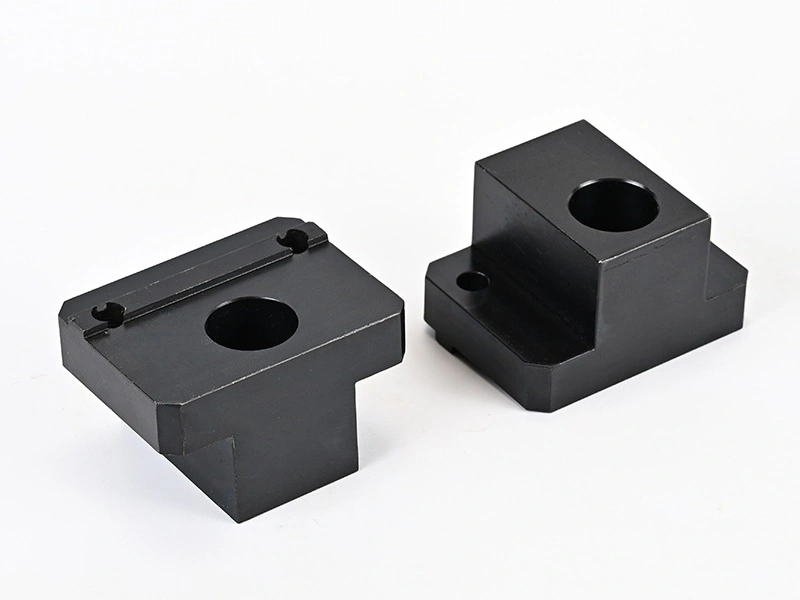
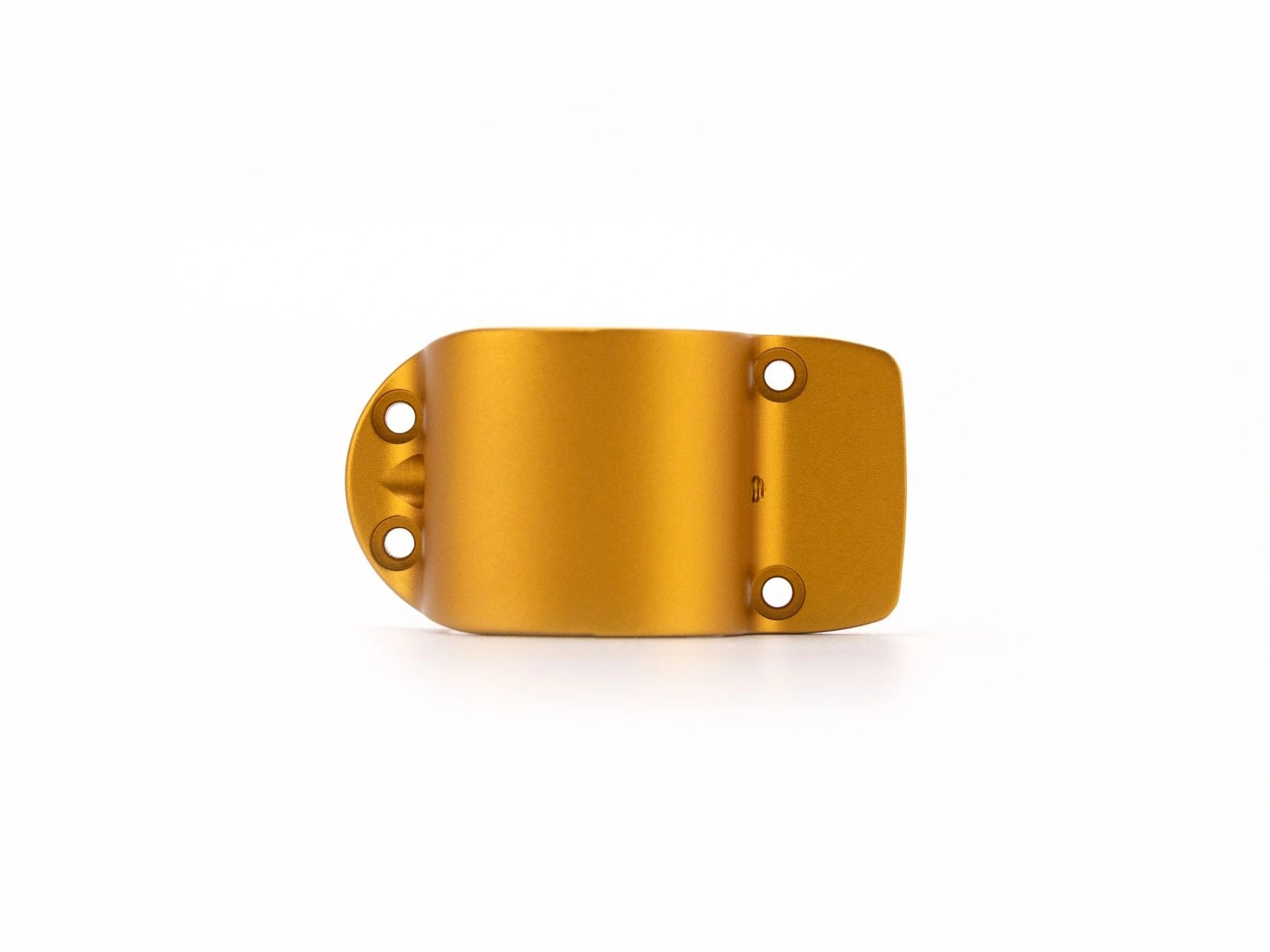
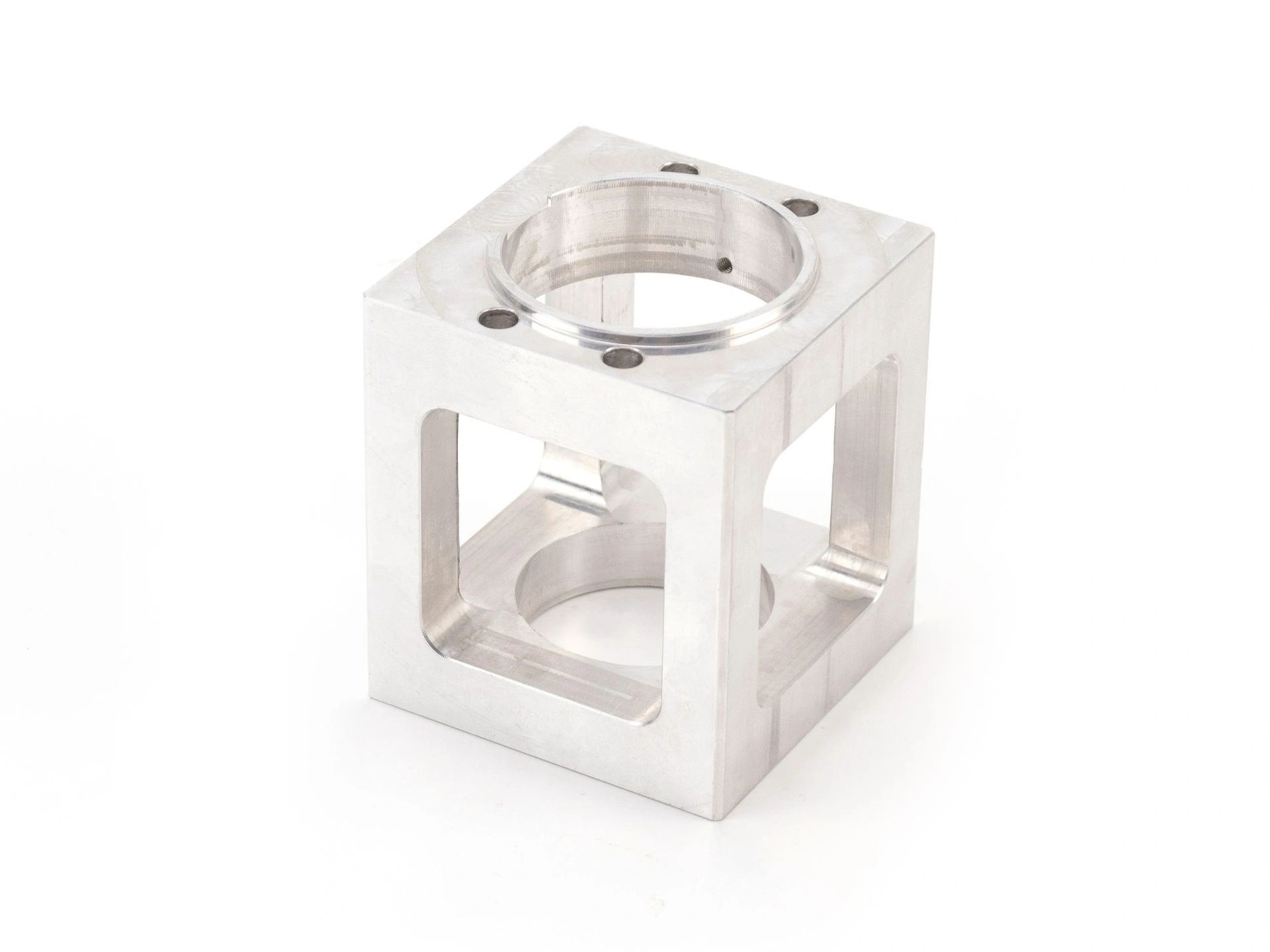
Custom parts suit low volume production when their geometry is accessible by a defined CNC setup, the specified material and stock form are available, and critical features can be verified in the final required state. Suitable candidates include housings, brackets, shafts, bushings, spacers, plates, mounting blocks, fixtures, and replacement components with a released drawing and a clear batch purpose. Industry names alone do not establish fit. A part should be held if deep inaccessible features, unstable thin walls, uncertain legacy dimensions, uncontrolled heat treatment, or an unqualified coating prevents credible acceptance. Low annual demand does not rescue a part whose geometry requires an impractical setup or whose service requirement lacks a measurable acceptance rule. Buyers should screen function, failure consequence, setup repeatability, and inspection feasibility before requesting quantity.
Aluminum CNC machining may fit lightweight housings and brackets when alloy, temper, stock form, and post-finish dimensions are specified. Stainless steel CNC machining can support corrosion-resistant or structural parts when the exact grade, condition, passivation or other finishing requirement, and service boundary are defined. Titanium CNC machining requires grade-specific planning for heat generation, distortion, tool wear, and traceability. Plastic CNC machining needs polymer grade, moisture or thermal condition, and dimensional inspection conditions. Material names never replace geometry, service, and final-state validation.
.webp)
Part Condition | Credible Failure Mode | Validation Before Release |
|---|---|---|
Thin-wall brackets or housings with accessible datums | Unclamping movement changes flatness or interface position | Measure released parts after the controlled roughing and finishing sequence |
Shafts, bushings, and spacers with critical fits | Tool wear or heat shifts diameter, runout, or surface condition | Link first-piece and batch results to tool and lot identity |
Fixtures and mounting blocks with repeated locating features | Datum or setup variation accumulates across mating locations | Inspect the functional feature pattern from the released datum scheme |
Parts requiring heat treatment, coating, or passivation | Outside processing changes size, texture, cleanliness, or traceability | Verify specified characteristics after the final ordered process |
Replacement parts from incomplete legacy information | Wear or measurement uncertainty is copied into the new batch | Resolve the approved design authority and acceptance baseline before machining |
Why CNC Machining Is Often Used for Low Volume Production
CNC machining often fits low volume production because programming and adaptable workholding can support released custom geometry without dedicated hard tooling. The fit depends on feature access, setup count, stock condition, tool reach, distortion risk, finishing sequence, and inspection feasibility. CNC machining is not the default answer for every low-volume part. Casting, additive manufacturing, molding, fabrication, or a combined route may be better when geometry, material, delivery, or total landed cost favors those processes. The RFQ should therefore define functional features and acceptance instead of prescribing a machine route without evidence.
CNC milling suits accessible prismatic faces, pockets, slots, and feature patterns, but deep reach and multiple setups can increase datum transfer risk. CNC turning suits rotational features when stock, chucking, slenderness, and runout control support the drawing. CNC drilling can produce mounting, threaded, or fluid holes when breakthrough, burr, depth, and positional acceptance are controlled. Precision machining should describe a verified feature requirement and process plan, not an unsupported promise of universal tolerance. Buyers should request evidence for the critical feature after all operations that can change it.
CNC process fit becomes credible when the supplier connects programming, stock preparation, workholding, roughing, finishing, deburring, outside processing, and inspection to one released revision. A first-piece result confirms only the measured state and setup. Batch control also needs a reaction to tool wear, material-lot change, fixture disturbance, or nonconformance. The process plan should identify which setup establishes each functional datum and whether later operations can disturb that relationship. If a characteristic cannot be measured with suitable access, method, uncertainty, and final-state timing, the buyer should resolve the inspection plan before releasing the batch. Flexibility has value only when changes remain authorized and traceable.
Process | Feature and Setup Boundary | Evidence for Low-Volume Release |
|---|---|---|
CNC milling | Accessible faces and pockets with controlled datum transfer | Setup plan plus released-part checks for critical position and form |
CNC turning | Rotational features with stable chucking and supported slenderness | Diameter, runout, finish, and tool-life results tied to the batch |
CNC drilling | Holes with defined depth, breakthrough, burr, thread, and position | Feature-specific gaging or measurement after deburring and finishing |
Precision machining | Drawing-defined critical interfaces with a feasible measurement method | Acceptance records matched to datum, environment, and final part state |
What Buyers Should Check Before Choosing Low Volume Production
Before choosing low volume production, buyers should release an RFQ baseline that lets suppliers quote the same technical scope. Include drawing and model revision, exact material grade and condition, stock or traceability requirements, critical features, datum and acceptance rules, surface treatment, cleanliness or packaging needs, batch purpose, quantity range, required records, delivery milestones, and deviation authority. Ask suppliers to identify assumptions and exclusions. A lower price may omit final-state inspection, material certification, dedicated gaging, outside-process responsibility, or setup recurrence. Compare those gaps as risk and total landed cost rather than treating every quote as equivalent. The comparison should also show which costs recur on every batch and which disappear after a validated process or fixture is released.
Quality planning should follow functional consequence. A sealing face, bearing fit, thread, hole pattern, or assembly datum may justify stronger first-piece and batch evidence than a noncritical surface. The inspection method must match the characteristic, datum reference, access, expected range, and final process state. Specify who reviews a nonconformance, whether use-as-is or repair needs written approval, and which changes require revalidation. Buyers should release the lot only when the required evidence identifies the revision, material lot where applicable, quantity, result, and disposition. Supplier claims or equipment lists do not replace current-batch conformity evidence.
Buyer Check | Risk if Undefined | Required Confirmation |
|---|---|---|
Released RFQ and quotation assumptions | Suppliers price different material, finish, inspection, or batch scopes | One revision-controlled requirement list with documented exclusions |
Material grade, condition, and lot evidence | Substitution or stock variation changes machining and service behavior | Specified certificates, traceability level, and substitution approval rule |
Critical features and final-state acceptance | Inspection misses distortion, coating growth, burrs, or functional relationships | Feature-linked method, timing, sampling, records, and acceptance authority |
Change and nonconformance control | Unapproved process changes or repairs invalidate prior evidence | Named approval owner, containment response, and revalidation trigger |
Exit condition and total landed cost | Low-volume orders continue after another route becomes safer or cheaper | Agreed review point covering setup, quality, delivery, inventory, and scale evidence |
How Low Volume Production Supports Future Scaling
Low volume production supports a future full-scale production decision by producing evidence about the released custom CNC baseline, not by guaranteeing that the same route will scale. Useful evidence includes stable material supply, repeatable setup and tool-life control, final-state conformity, outside-process performance, delivery dependencies, nonconformance response, and the cost of approved change. Evidence from the low-volume route must be reviewed against the proposed scaled route because different tooling, workholding, cycle pressure, or inspection sampling can introduce new risks. The buyer should define the review event before the first batch. Continue low volume while each batch serves a real supply or validation purpose; hold further release when unresolved failures repeat; exit when another validated route offers better capacity, cost, or risk.
Use the low volume manufacturing service, prototyping, mass production, and one-stop service pages as scope references when mapping the approved supply route. The project decision must still come from the drawing baseline, batch purpose, validation results, demand, capacity, and total landed cost. Before the next order, record whether the project remains in low volume, returns to prototype work, transfers to a qualified scaled process, or stops. That written exit decision prevents an interim route from continuing by habit after its technical or commercial purpose has ended.
FAQ