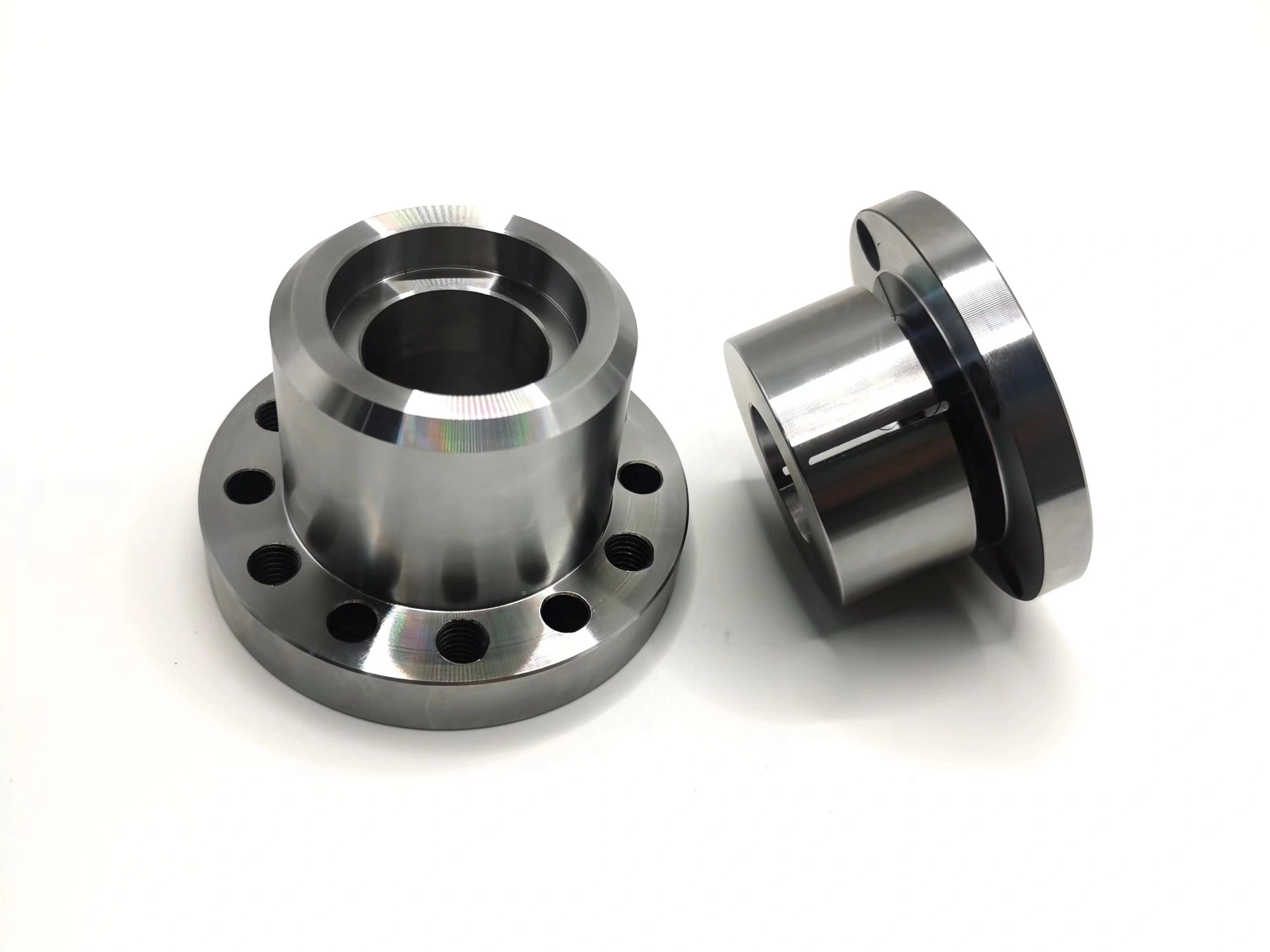
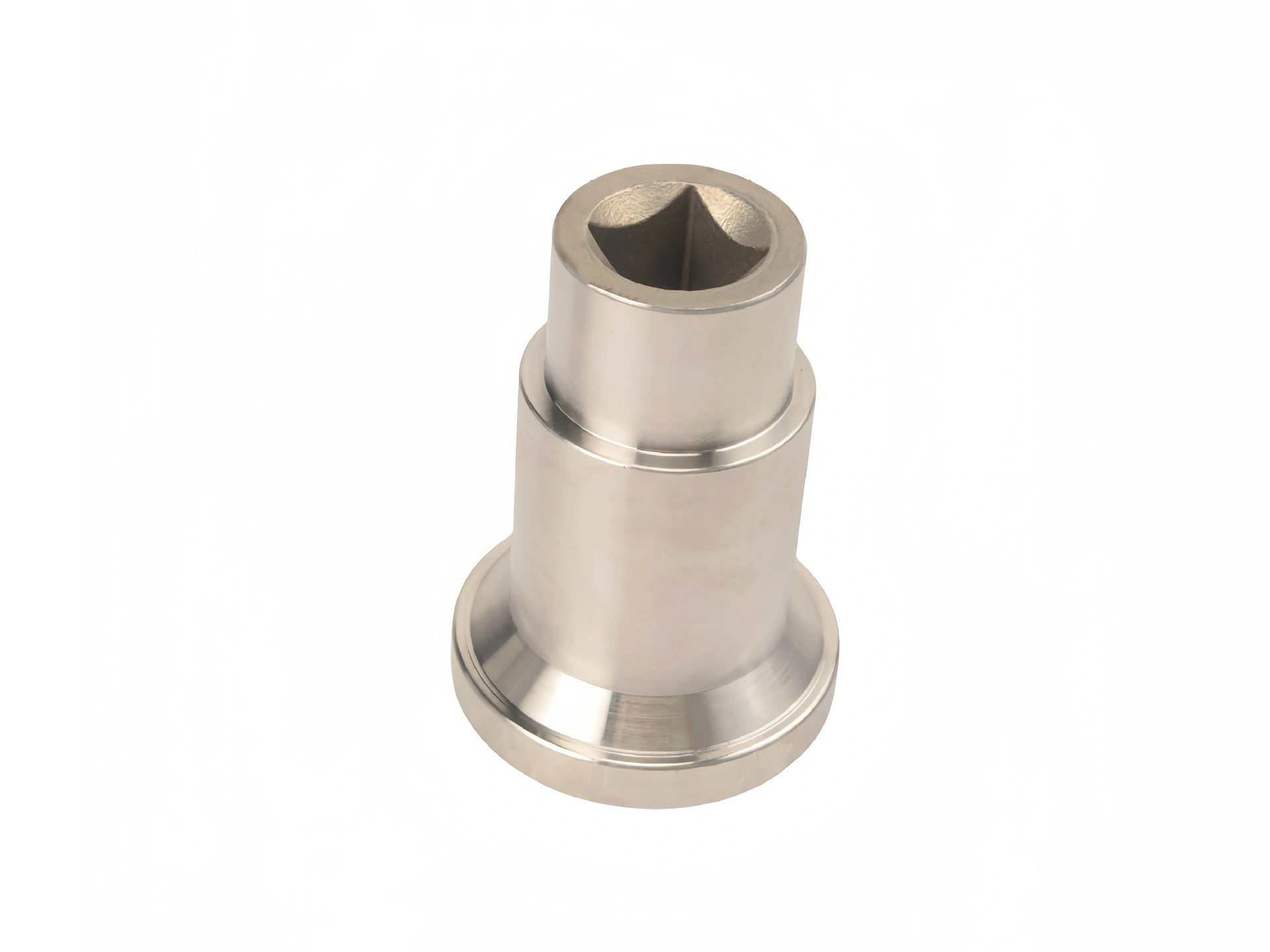
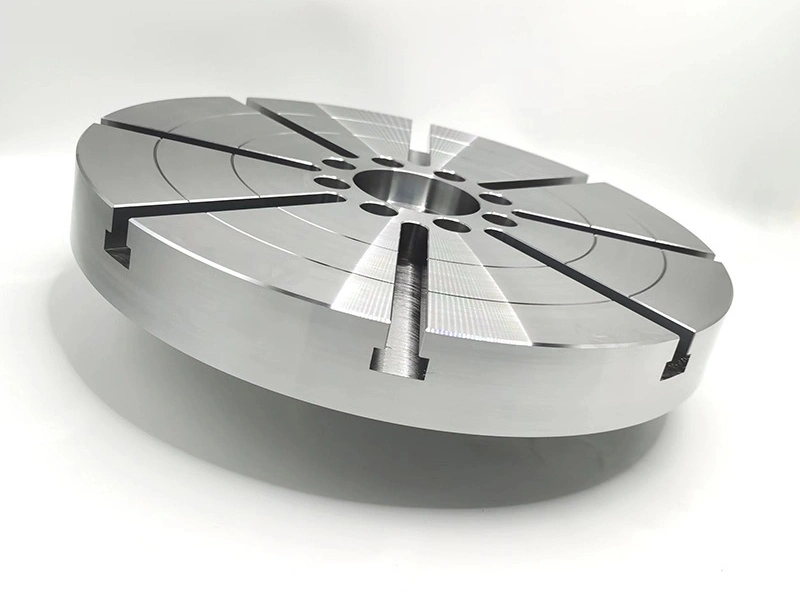
What Materials Are Commonly Used in Low Volume Production?
What Materials Are Commonly Used in Low Volume Production?
Low volume production commonly uses aluminum alloys such as 6061-T6 and 7075-T6, stainless steels such as 303, 304, 316, and 17-4 PH, titanium Grades 2 and 5, and engineering plastics such as POM, PEEK, PTFE, nylon, and polycarbonate. The right material depends on service environment, load, temperature, chemical exposure, finish, stock form, and critical geometry. A family name alone is not a purchase specification. Buyers should state the exact grade, condition, approved specification, and final-state acceptance requirements in the RFQ.
Low-volume flexibility does not remove material risk. Stock variation, residual stress, work hardening, heat, moisture, and coating response can change dimensions across a batch. Material selection must connect service requirements with machining, outside processing, inspection, and change authority.
1. Select an Aluminum Alloy and Temper, Not Just Aluminum
Aluminum CNC machining fits housings, brackets, fixtures, plates, and thermal structures when low mass, corrosion control, or machining efficiency matters. 6061-T6 is a common starting point for general structures, while 7075-T6 offers higher strength but different corrosion, finishing, and cost considerations. The drawing must identify the alloy and temper because annealed, solution-treated, and aged stock can machine and move differently.
Thin walls can shift after roughing or unclamping when stock stress and material removal are unbalanced. Anodizing can also change a bore or thread at the final acceptance stage. For extruded stock, ASTM B221/B221M defines relevant product forms and alloy-temper requirements; it does not guarantee the finished part. Confirm stock form, certificate, datum scheme, roughing allowance, finish masking, and inspection after the specified surface treatment.
Material Family | Use It When | Verify Before Batch Release |
|---|---|---|
Aluminum alloys | Mass, machinability, thermal response, or anodized appearance drives the design | Alloy, temper, stock form, thin-wall movement, and dimensions after finish |
Stainless steels | Corrosion exposure, cleanability, wear, or higher structural demand governs selection | Grade, heat-treatment state, work hardening, passivation, and critical surface acceptance |
Titanium alloys | Strength-to-mass ratio, corrosion resistance, or a qualified application requires titanium | Grade, stock traceability, heat control, tool condition, burrs, and surface integrity |
Engineering plastics | Electrical, friction, chemical, weight, or temperature behavior favors a polymer | Resin grade, conditioning, temperature, moisture, stress relief, and measurement state |
2. Match Stainless Steel Grade to Exposure and Machining Behavior
Stainless steel CNC machining is common for corrosion-resistant fittings, equipment parts, cleanable components, and loaded interfaces. Grade 303 improves machinability but is not interchangeable with 304 or 316 where corrosion or welding requirements control. 17-4 PH adds a heat-treatment condition that must be specified because Condition A, H900, and other aged states have different properties and machining implications.
Austenitic stainless steels can work-harden when a tool rubs instead of cutting, raising force, heat, burr size, and dimensional drift. A batch plan should control tool condition, engagement, coolant, and deburring, then inspect the feature in its delivered condition. ASTM A276/A276M can define stainless bar and shape requirements; confirm that it matches the purchased product form, drawing callout, and required certification.
3. Use Titanium Only When Its Qualified Benefit Justifies the Process Risk
Titanium CNC machining suits parts where corrosion resistance, low density, strength, or a qualified material requirement outweighs higher stock and machining cost. Commercially pure Grade 2 and Ti-6Al-4V Grade 5 are not substitutes. Grade, condition, traceability, and service specification must be explicit, especially for aerospace, medical, pressure, or chemically exposed components.
Titanium retains heat near the cutting edge, so worn tools or poor chip evacuation can damage surface integrity and increase variation. ASTM B348 covers titanium and titanium-alloy bars and billets within its stated product scope, not every finished-part requirement. Buyers should define permitted stock source, certificate content, prohibited substitutions, critical surfaces, burr limits, cleaning, and any inspection or qualification required after machining.
4. Specify the Polymer Grade, Conditioning, and Measurement State
Plastic CNC machining supports guides, insulators, seals, covers, bearings, and chemical-contact components, but "engineering plastic" is not a usable material callout. POM offers low moisture uptake and good dimensional behavior; nylon can absorb moisture; PTFE can creep; PEEK supports higher temperature and chemical demands; polycarbonate needs separate review for stress and chemical compatibility.
Heat from machining, clamping pressure, residual stress, moisture, and measurement temperature can move a polymer part after release. The RFQ should state resin grade, filler or reinforcement, color if controlled, supplied form, conditioning, service temperature, chemical exposure, and the state in which dimensions are accepted. Supplier datasheets help screen candidates, but representative finished-part testing must validate the actual geometry and environment.
RFQ or Validation Item | Decision It Controls |
|---|---|
Exact grade, condition, stock form, and governing material specification | Prevents an unapproved family-level substitution and defines certificate review |
Service load, temperature, fluid, cleaning, wear, and electrical conditions | Links material selection to the actual failure mechanism rather than a generic property |
Critical datums, thin walls, bores, threads, and surface requirements | Sets workholding, process sequence, inspection stage, and release evidence |
Heat treatment, coating, passivation, anodizing, or cleaning sequence | Defines the final material state and identifies dimensions affected by outside processing |
Lot identity, inspection records, substitution authority, and deviation response | Controls traceability, containment, buyer approval, and repeat-order consistency |
5. Compare Materials Through Failure and Validation Cost
Material price alone does not determine low-volume cost. Stock availability, cutting time, tool use, scrap, finishing, inspection, and certification affect landed cost. A cheaper grade can cost more when distortion, burrs, corrosion, or finish variation creates rework. A higher-priced grade is justified only when its service benefit is required and verified.
Consider a 6061-T6 housing with thin walls and an anodized precision bore. The risk is movement after unclamping and bore-size change after anodizing. A suitable low-volume route roughs the walls, allows the part to stabilize, finishes from the approved datums, controls coating allowance, and inspects the bore after anodizing. The buyer releases the material and route from final-state evidence, not from one unfinished first piece.
6. Connect Material Control From Receipt to Final Inspection
A supplier workflow should preserve material identity from receipt through cutting, machining, deburring, outside processing, inspection, and shipment. Lot mixing, undocumented substitutions, changed heat-treatment condition, or a new stock form can invalidate earlier evidence. The process plan should name who can approve a change, what product is contained, and which features require re-verification before release.
Dimensional acceptance should reference the released drawing and its datum system; ASME Y14.5 can define geometric tolerancing when invoked by that drawing. It does not establish machining capability by itself. Review material certificates, first-piece results, final-state dimensions, surface or chemical tests where required, and representative assembly evidence. Hold the batch when identity or condition cannot be traced to the approved requirement.
7. Release the Material From Grade-Specific Evidence
The common choices for low volume production are aluminum alloys, stainless steels, titanium grades, and engineering plastics, but selection must be grade-specific. Each family solves different service needs and introduces distinct distortion, heat, wear, moisture, finishing, and inspection risks.
Before release, issue the exact grade, condition, stock form, service environment, finish sequence, critical features, inspection records, and substitution authority. Choose among aluminum CNC machining, stainless steel CNC machining, titanium CNC machining, or plastic CNC machining only when delivered-state evidence matches those requirements.