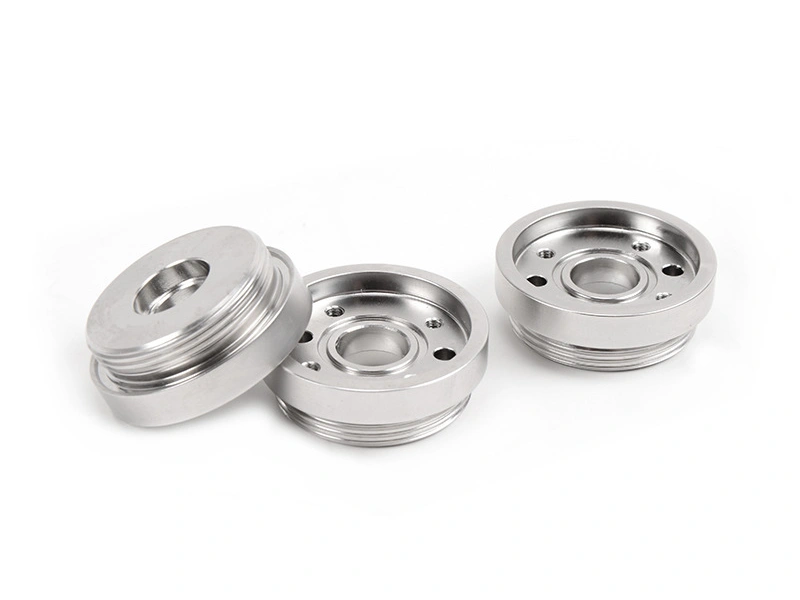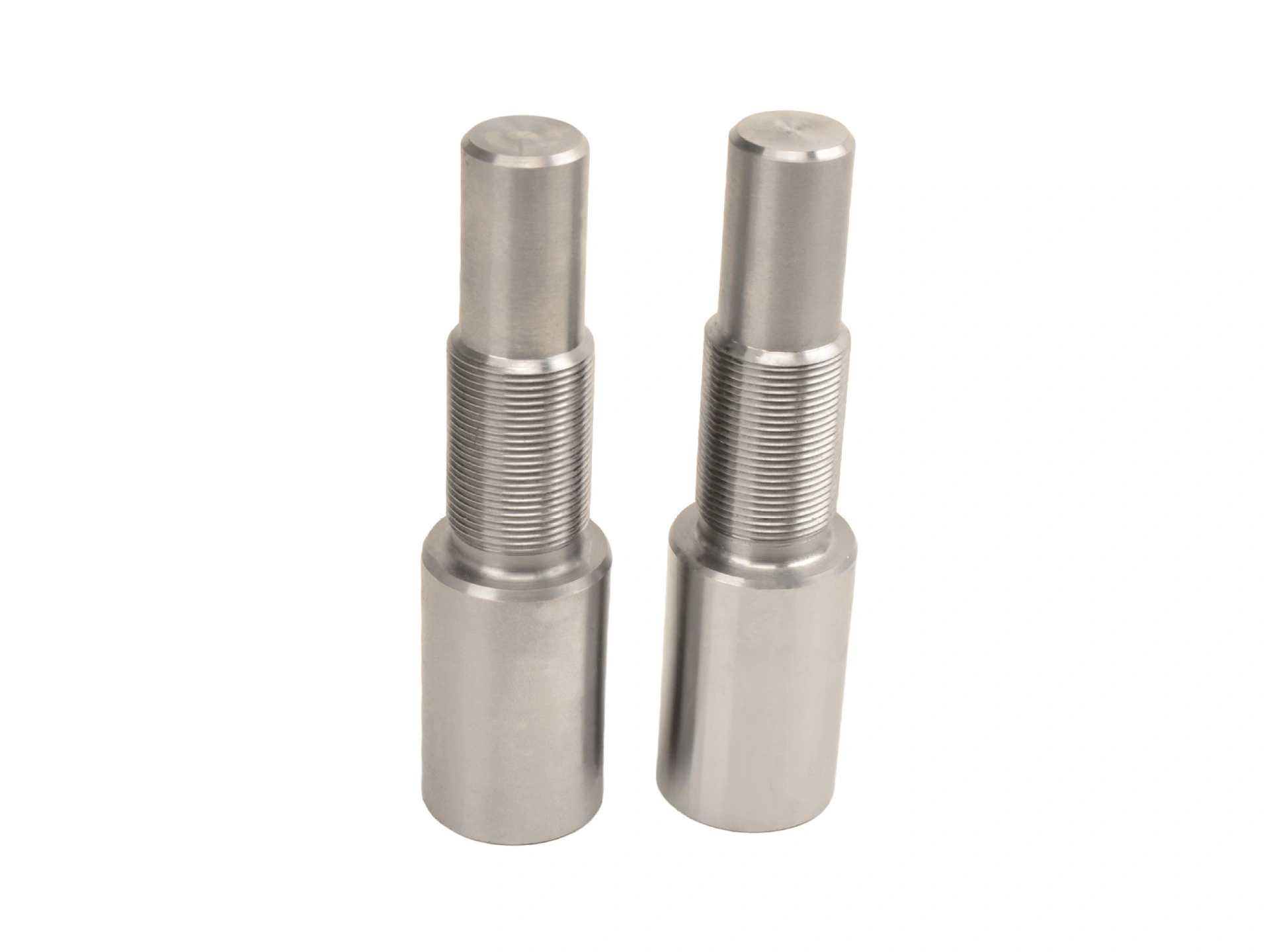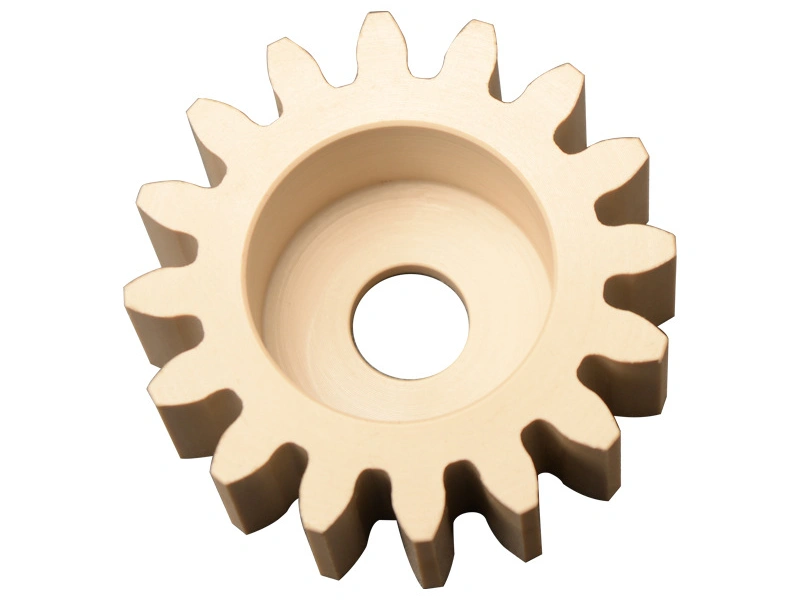
Low Volume Manufacturing Between Prototyping and Mass Production
Low Volume Manufacturing Between Prototyping and Mass Production
Between prototyping and mass production, low volume manufacturing is the controlled production stage between a proven prototype and a qualified mass production route. It is appropriate when a released design can support repeat parts, but batch evidence, demand, tooling, capacity, or process-transfer controls are still incomplete. The stage should produce evidence about material state, setup, critical interfaces, inspection, outside processing, and change response. It should not be treated as a universal quantity range or proof that the future scaled route is ready. Buyers should define the open production questions and the evidence required to release the next stage before ordering the batch.
A successful sample is only the entry point. Approved prototype parts can establish fit, function, or a material concept, yet one build rarely demonstrates repeatable workholding, tool-life control, lot traceability, final-state inspection, or delivery cadence. Low-volume orders convert those open assumptions into controlled batch evidence while inventory and process commitments remain limited. The tested evidence applies only to the released revision, material condition, geometry, setup, finish, inspection scope, and supply route. A different fixture, material source, outside processor, or scaled process needs its own transfer review and, where risk requires it, re-verification. Evidence from the stage should separate product conformity from process readiness. Conforming delivered parts answer the purchase requirement for that batch, while route readiness also depends on capacity, maintenance, inspection throughput, supply continuity, and controlled reaction to change.
Why Buyers Search for Low Volume Manufacturing After Prototyping
Buyers use low volume manufacturing after prototyping when the design question is largely answered but the production question remains open. A qualified prototype may show that one part fits and functions. It does not establish that the released revision, material state, datum scheme, setup, finish, and inspection method can remain controlled across a batch. The next order should therefore have a defined purpose, such as validating repeatability, supporting a pilot launch, bridging an unavailable production route, or supplying traceable service parts. If the design is still exploratory and no revision can be released, another prototype cycle is the correct decision.
The commercial reason must also be explicit. A low-volume batch can limit inventory exposure while demand is uncertain, but a smaller order does not automatically reduce total cost. Programming, fixtures, material purchase units, inspection records, outside-process minimums, packaging, and repeated setup may dominate piece price. Procurement should compare the cost of the learning or supply objective with the cost of delay, obsolete stock, rework, or premature tooling. The release package needs the approved files, exact material and finish, quantity and cadence, critical features, acceptance method, required records, deviation authority, and the event that closes the low-volume stage. Each repeat order should identify which evidence remains valid and which evidence must be renewed. A changed revision, material lot, fixture, processor, or inspection method can reopen a risk even when the nominal part number is unchanged.
Open Question After Prototyping | Evidence Needed Before Low-Volume Release | Hold or Release Decision |
|---|---|---|
Is the product configuration controlled? | Released drawing, model, bill of materials, material state, and approved finish | Hold mixed or unapproved revisions; release only the named baseline |
Are functional interfaces defined? | Critical features, datum references, mating conditions, and acceptance method | Release a batch only when function can be inspected or assembled |
Can the intended process be repeated? | Setup plan, workholding references, tool controls, and outside-process route | Hold scale claims until first-piece and batch evidence agree |
What must the batch teach or supply? | Pilot, bridge, service, or repeatability objective with quantity and cadence | Release only a quantity matched to the stated decision |
Who controls changes and deviations? | Named approval authority, record format, containment, and re-verification rule | Stop production when an unapproved change breaks the baseline |
How Low Volume Manufacturing Bridges Prototype Validation and Production Readiness
Prototyping closes a defined design or feasibility question, a Low volume manufacturing service builds controlled batch evidence, and Mass production sustains a qualified route at the required cadence. The stages differ by approved inputs, evidence outputs, and release responsibility, not by a universal part count. Low-volume manufacturing is the bridge only when it preserves the product baseline and exposes remaining process risk. Repeating uncontrolled samples in larger quantities does not create production readiness.
Consider a hypothetical thin-wall 6061-T6 enclosure; this is an engineering scenario, not a Neway customer case. A prototype can confirm interfaces and assembly access, yet stock removal may release residual stress. The wall can move after unclamping, and a later coating can change a critical bore or contact surface. A useful low-volume route records the material condition, roughing and finishing sequence, datum references, workholding support, tool-life reaction, deburring state, and coating requirement. First-piece inspection confirms that the setup can start. Batch checks reveal drift, while final-state inspection verifies the delivered condition. The buyer can then revise the design, qualify the route, or hold transfer instead of treating one conforming clamped measurement as proof.
The bridge is complete when evidence can be transferred without losing context. Drawing revision, material heat or lot, program and fixture baseline, accepted deviations, inspection method, outside-process records, nonconformance history, and change approvals should remain linked to the batch. If mass production uses different tooling, equipment, sources, sampling, or process sequence, the prior evidence defines what must be requalified. It does not automatically validate the new route. Evidence also needs enough coverage to support the decision being made. One first-piece result can approve setup start under a defined plan, but batch release requires the specified coverage across relevant cavities, setups, material lots, time windows, or other risk sources.
Stage | Required Input and Evidence Output | Decision That Ends the Stage |
|---|---|---|
Prototyping | Test objective in; fit, function, material, or feasibility evidence out | Release a controlled product baseline or continue design learning |
Low volume manufacturing | Released baseline in; first-piece, batch, assembly, and delivery evidence out | Approve another controlled batch, correct the route, or qualify scale |
Mass production | Qualified product and process in; sustained capacity and release records out | Continue recurring supply under defined monitoring and change control |
What Projects Need Low Volume Manufacturing Before Mass Production?
Projects need low volume manufacturing before mass production when a controlled batch can close a specific evidence gap or supply need. Strong candidates include pilot builds that must show part-to-part behavior, bridge orders tied to a delayed production dependency, limited launches with uncertain demand, and traceable replacement parts with irregular consumption. The label of the industry or component is not enough. A project fits only when the buyer can state the released configuration, the unanswered production question, the acceptance evidence, and the exit decision. Mature, predictable products with a qualified scalable route may gain no value from an extra low-volume stage. A project is also a poor fit when the design changes faster than a controlled batch can be released, because mixed revisions make the evidence ambiguous. In that case, targeted prototype iterations should close the open design questions before a production-intent batch begins.
Material family also cannot decide the stage by itself. aluminum machined parts may require control of temper, residual stress, and post-finish dimensions. stainless steel machined parts can raise work-hardening, burr, passivation, or traceability questions. titanium machined parts require the exact grade, condition, heat identity, tool strategy, and application-specific evidence. engineering plastic parts may move with temperature, moisture, stock stress, clamping, or time after machining. Buyers should define the actual grade, stock form, geometry, service condition, finish, and final inspection state rather than approving a route from a material name.
Project Type | Question the Low-Volume Stage Must Close | Gate Before Mass Production |
|---|---|---|
New product launch parts | Can a released configuration support field use without excessive inventory? | Accepted field evidence, demand rule, and controlled revision |
Pilot production parts | Do setup, tool, material, assembly, and inspection results repeat? | First-piece and batch records linked to the approved baseline |
Bridge production parts | Can temporary supply remain controlled until a named dependency is ready? | Defined bridge exit, transfer owner, and requalification plan |
Medical and aerospace trial parts | Does the ordered configuration meet its specified evidence and approval route? | Application-specific records and authorized release; no generic industry claim |
Spare and replacement parts | Is the legacy configuration and functional interface still known and traceable? | Approved baseline, substitute rule, mating evidence, and reorder record |
What Buyers Should Validate During Low Volume Manufacturing
Buyers should validate the production assumptions that control fit, function, conformity, and release during low volume manufacturing. The review starts with the released revision and exact material state, then connects each critical interface to a datum, process step, measurement method, acceptance rule, and reaction plan. Size, form, orientation, location, runout, and surface texture are different requirements and need appropriate controls. Machine positioning or repeatability is not a finished-part tolerance guarantee. A coordinate measuring machine result is also not sufficient unless access, datum alignment, uncertainty, part state, and the drawing acceptance rule support the decision.
Validation must reflect the delivered condition. Deburring, heat treatment, anodizing, plating, polishing, cleaning, and assembly can change dimensions, edges, surface condition, or functional relationships. A bore measured before coating does not prove its final size. A thin wall measured while clamped does not describe its free state unless the drawing requires that condition. ASME Y14.5-2018 provides a framework for drawing-defined geometric requirements and datum references; it does not supply a universal tolerance or prove supplier capability. Buyers should require records that identify the part, revision, batch or material lot, process state, method, result, disposition, and approving authority. Inspection coverage must follow feature risk and the acceptance plan. A 100% check of one accessible dimension cannot compensate for an uncontrolled datum, an unmeasured functional interface, or a finish applied after inspection. Sampling can support batch decisions only when the population, frequency, method, acceptance rule, and reaction to a failed result are defined.
What Buyers Should Validate | Credible Failure and Required Evidence | Reaction if Evidence Fails |
|---|---|---|
Critical dimensions | Datum or process drift; feature results tied to revision and final state | Contain affected parts, correct cause, and repeat the defined check |
Hole position and thread quality | Assembly misalignment or thread failure; location and functional gauge evidence | Hold mating release and review datum, tool, burr, and gauge conditions |
Flatness and perpendicularity | Unclamping or sequence movement; free-state result against drawing datums | Review stock, roughing, workholding, finishing, and inspection state |
Surface roughness and finishing consistency | Seal, wear, or coating variation; specified texture and final-finish evidence | Segregate the lot and review preparation, processor, and acceptance method |
Inspection reports and packaging | Untraceable release or transit damage; batch-linked records and protection check | Hold shipment until identity, disposition, and packaging risk are resolved |
How CNC Machining Supports Low Volume Manufacturing
CNC machining supports low volume manufacturing when production-intent material, geometry, and inspection can be tested without committing to dedicated high-volume tooling. Programs and fixtures can be revised under change control, but that flexibility is not free or automatically transferable. Setup time, tool access, stock condition, workholding, inspection burden, and outside finishing can control cost and schedule. The RFQ should identify the quantity and cadence, exact grade and condition, critical features, datum scheme, finish, final inspection state, records, and expected next route. A quotation based only on a model and part count cannot expose the full transfer risk.
CNC milling can develop datum and workholding strategies for prismatic housings, plates, pockets, and thin walls. CNC turning can control rotating interfaces, shoulders, bores, and threads when stock, chucking, tool wear, and part-off conditions are defined. CNC drilling supports hole systems only when location, depth, breakthrough, burr, coolant, and inspection access match function. Precision machining describes disciplined control of demanding features; it does not replace a drawing tolerance, a capable measurement method, or batch evidence.
The low-volume route should be designed with transfer in mind. If mass production will use another machine platform, fixture, tool, source, heat-treatment route, finish supplier, or sampling plan, the team should identify which characteristics can change. A useful batch records tool-life limits, setup references, in-process checks, final-state inspection, nonconformance reaction, and approved deviations. Those records show what worked under tested conditions and define the re-verification needed after a route change. Transfer review should compare the original and proposed routes characteristic by characteristic. Unchanged drawing limits do not eliminate risk when clamping, stock allowance, cutting sequence, heat input, coating buildup, measurement access, or inspection timing changes.
Process | Production Role and Transfer Risk | Buyer Confirmation |
|---|---|---|
CNC milling | Creates prismatic datums and features; reclamping or stress release can move walls | Confirm stock state, setup sequence, free-state condition, and datum inspection |
CNC turning | Controls rotational features; chucking, tool wear, and cutoff can affect relationships | Confirm references, runout rule, bore access, thread check, and part-off condition |
CNC drilling | Produces functional holes; drift, burrs, depth, and breakthrough can impair assembly | Confirm location, depth, thread, burr, fluid-path, and gauge requirements |
Precision machining | Coordinates demanding interfaces; vague tight-tolerance language creates acceptance disputes | Confirm drawing limits, datums, method, uncertainty, process state, and records |
When Should Buyers Move from Low Volume Manufacturing to Mass Production?
Buyers should move from low volume manufacturing to mass production when the released product baseline, demand, recurring cost model, process route, capacity, and quality evidence support sustained output. The decision is a release gate, not a quantity threshold. The approved revision, material state, critical interfaces, setup or tooling, outside processes, inspection capacity, deviation authority, and change plan must be ready for the scaled route. First-piece evidence shows that a setup can start; batch evidence shows that it remains controlled. Neither alone proves long-term capacity, maintenance, sampling, or supply continuity. Capacity evidence should use the planned cycle, staffing, maintenance, inspection load, outside-process queue, and material supply assumptions. The release decision also needs a response threshold: who contains affected output, who approves a deviation, and which change triggers renewed first-piece, batch, assembly, or field evidence.
Stay in low volume when field learning, demand, design, material source, finish, inspection, or the future route still needs controlled evidence. Scaling an unresolved condition can multiply scrap, rework, obsolete inventory, assembly disruption, and corrective-action cost. Tooling economics should include qualification, maintenance, inspection, outside-process minimums, inventory exposure, and change risk, not only planned unit price. When the scaled route differs from the tested route, define a transfer plan and re-verify affected characteristics before release.
Condition | Better to Stay in Low Volume | Better to Move to Mass Production |
|---|---|---|
Design stability | Revision, material, interface, or acceptance method still changes | Released baseline and change authority are controlled |
Demand forecast | Forecast uncertainty makes inventory or tooling exposure unacceptable | Cadence and inventory policy support the qualified capacity plan |
Testing status | Batch, assembly, field, or final-state evidence remains open | Required evidence is accepted for the released configuration |
Supplier readiness | Scaled tooling, sources, inspection, or outside processes remain unqualified | Route, capacity, ownership, and reaction plan are verified |
Cost priority | Learning and change exposure outweigh planned piece-price savings | Total recurring cost supports scale without hiding transfer risk |
How the Prototype-to-Production Workflow Should Connect
A controlled workflow connects low volume manufacturing with the relevant CNC machining, precision machining, outside processing, inspection, and one-stop service responsibilities without losing the approved baseline. The RFQ should state revision, quantity and cadence, exact material grade and condition, critical interfaces, datums and acceptance rules, finish state, inspection records, packaging needs, approved deviations, and the evidence required to exit the stage. The supplier response should identify setup and fixture assumptions, tool-life control, outside-process ownership, first-piece and batch checks, nonconformance reaction, change notification, and items that still need buyer approval. ISO 9001:2015 provides a framework for operational planning, controlled change, and product release. The standard does not prove that a supplier's specific route, measurement method, or delivered batch conforms to the drawing.
The final decision is not whether low-volume manufacturing produced acceptable parts once. It is whether the batch closed its stated questions and whether the next route can preserve or requalify the accepted product and process conditions. Release mass production when product, process, capacity, quality, supply, and change-control evidence are complete for the planned route. Continue a defined low-volume stage when useful learning or demand uncertainty remains. Hold the program when the baseline, evidence, responsibility, or transfer plan is unclear; increasing quantity cannot repair an undefined release decision.
FAQ