What Types of Parts Are Suitable for Low Volume Manufacturing?
<p><a target="_blank" href="https://www.newaymachining.com/services/low-volume-manufacturing/faq-what-types-of-parts-are-suitable-for-low-volume-manufacturing"><img src="https://www.newaymachining.com/storage/attachments/2026/04/29/What Types of Parts Are Suitable for Low Volume Manufacturing.webp" width="800" height="600" loading="lazy"></a></p>
<h2 id="what-types-of-parts-are-suitable-for-low-volume-manufacturing?">What Types of Parts Are Suitable for Low Volume Manufacturing?</h2>
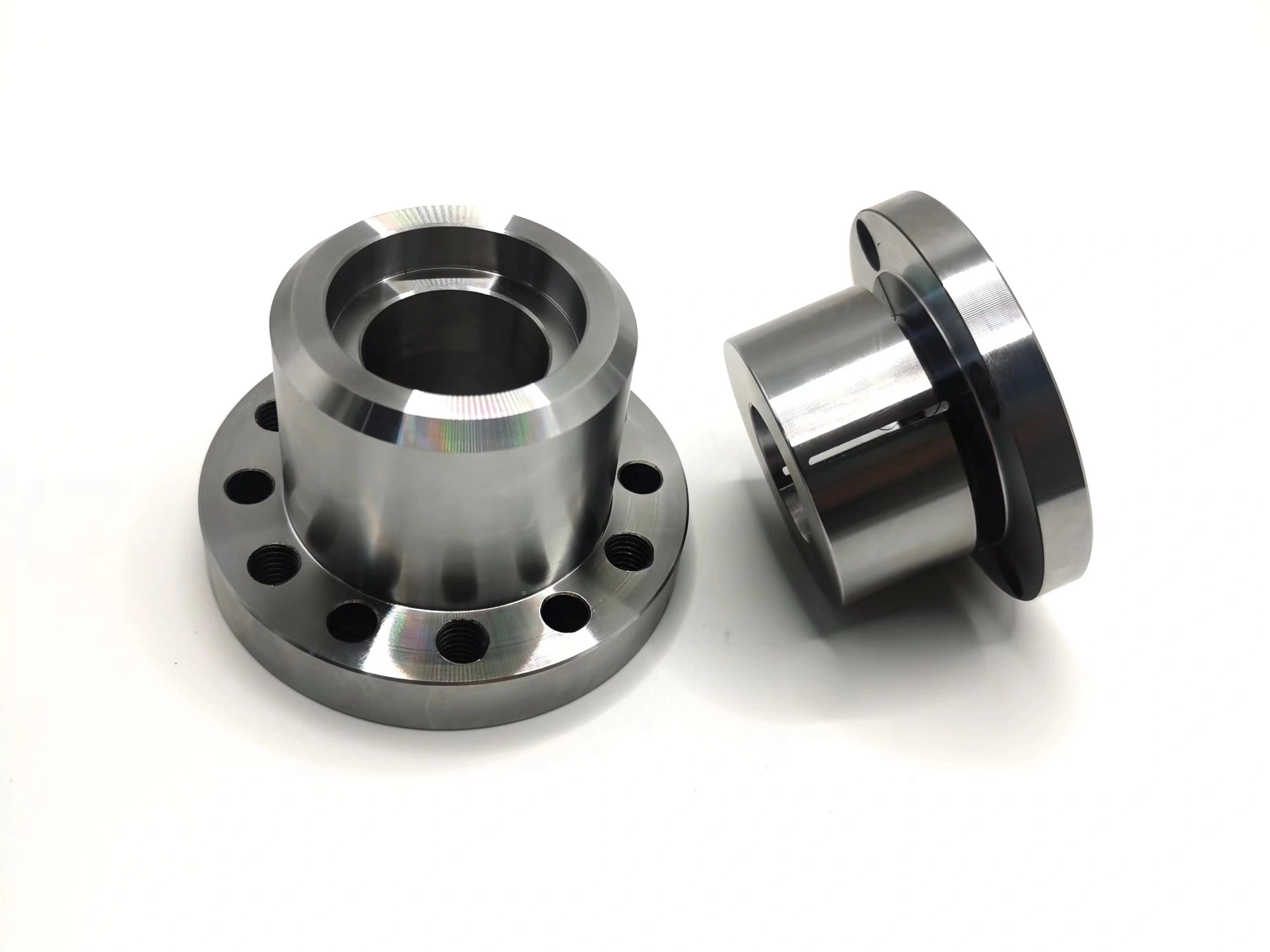
<p>Parts suit a <a target="_blank" href="/services/low-volume-manufacturing">low volume manufacturing service</a> when their required quantity is limited, their design and acceptance baseline are defined, and the intended process can economically hold the specified features without dedicated mass-production tooling. Common candidates include machined housings, brackets, shafts, bushings, spacers, fixtures, replacement components, and pilot or bridge-production parts. A category name alone does not establish suitability; buyers must screen geometry, material state, finish, inspection, demand, and the planned route to scale.</p>
<p>The strongest candidates need production-grade function in controlled repeat batches, yet demand or tooling economics do not justify a high-volume route. Low quantity does not rescue an unsuitable design. An unproven process, unavailable inspection access, or disposable tooling requires redesign, prototyping, or another method before release.</p>
<h3 id="1.-custom-cnc-machined-parts-are-one-of-the-most-common-low-volume-part-types">1. Screen Machined Parts by Geometry, Evidence, and Quantity</h3>
<p>Custom parts made by <a target="_blank" href="/services/cnc-machining">CNC machining</a> fit low-volume supply when accessible features, stock allowance, workholding, tool reach, and inspection access support the released drawing. Housings, plates, sleeves, connectors, and shafts are plausible candidates, but deep cavities, thin walls, inaccessible internal features, or datum changes between setups can dominate cost and variation.</p>
<p>Ask the supplier to identify setups, feature-to-datum relationships, final-condition inspection, and quantity breaks. Batch results can expose drift from tools, workholding, material, deburring, or temperature. Neither machine positioning data nor one conforming part proves finished-part capability.</p>
<div class="i-typography-table-responsive"><table><tbody><tr><th colspan="1" rowspan="1"><p>Part Screening Condition</p></th><th colspan="1" rowspan="1"><p>Failure if the Condition Is Open</p></th><th colspan="1" rowspan="1"><p>Buyer Confirmation Before Release</p></th></tr><tr><td colspan="1" rowspan="1"><p>Stable drawing and datum scheme</p></td><td colspan="1" rowspan="1"><p>Undocumented fitting or setup offsets hide revision risk</p></td><td colspan="1" rowspan="1"><p>Approve the controlled revision and deviation authority</p></td></tr><tr><td colspan="1" rowspan="1"><p>Machinable geometry and inspection access</p></td><td colspan="1" rowspan="1"><p>Tool reach or measurement limits leave features uncontrolled</p></td><td colspan="1" rowspan="1"><p>Review setups, tool access, datum transfer, and measurement method</p></td></tr><tr><td colspan="1" rowspan="1"><p>Defined material and final condition</p></td><td colspan="1" rowspan="1"><p>Stock or finishing changes alter dimensions and function</p></td><td colspan="1" rowspan="1"><p>Specify grade, state, stock form, finish, and substitution rule</p></td></tr><tr><td colspan="1" rowspan="1"><p>Quantity supports repeatable routing</p></td><td colspan="1" rowspan="1"><p>Temporary methods create avoidable unit cost or inconsistent evidence</p></td><td colspan="1" rowspan="1"><p>Request quantity breaks and identify the intended repeat-batch route</p></td></tr><tr><td colspan="1" rowspan="1"><p>Acceptance evidence is feasible</p></td><td colspan="1" rowspan="1"><p>Parts reach assembly without objective release records</p></td><td colspan="1" rowspan="1"><p>Define first-piece, in-process, final, and sampled inspection</p></td></tr></tbody></table></div>
<h3 id="2.-aluminum-brackets-and-housings-are-strong-fits-because-they-often-need-lightweight-small-batch-delivery">2. Qualify Aluminum Brackets and Housings in Final Condition</h3>
<p><a target="_blank" href="/services/aluminum-cnc-machining">Aluminum CNC machining</a> can suit limited batches of brackets, covers, frames, and housings when the exact alloy, temper, stock form, wall geometry, and finish are specified. Aluminum is not one uniform material. Machining response, distortion, corrosion behavior, appearance, and coating response depend on the selected condition and design.</p>
<p>Thin housings may move after unclamping, while finishing can affect threads, seals, and fits. Release measurements should cover the specified final condition. Masking, cosmetic zones, contact points, and post-finish checks belong in the request for quotation (RFQ).</p>
<h3 id="3.-stainless-steel-structural-components-fit-well-because-they-need-better-repeatability-than-ordinary-samples">3. Match Stainless Steel Parts to Load, Environment, and Process</h3>
<p><a target="_blank" href="/services/stainless-steel-cnc-machining">Stainless steel CNC machining</a> can support limited runs of mounts, manifolds, supports, and wear-resistant hardware when the specified grade and condition satisfy the actual service requirement. The word stainless does not guarantee corrosion resistance in every environment, and grade selection alone does not prove strength, weld condition, passivation result, or dimensional stability.</p>
<p>Provide load interfaces, exposure, heat-treatment or weld state, finish, critical dimensions, and traceability. Work hardening, burrs, tool wear, and later processing can affect edges, threads, and fits. Inspect after all specified operations.</p>
<h3 id="4.-titanium-parts-are-good-low-volume-candidates-because-they-are-often-high-value-and-specialized">4. Use Titanium Only Where the Requirement Justifies It</h3>
<p><a target="_blank" href="/services/titanium-cnc-machining">Titanium CNC machining</a> may suit low-volume aerospace, medical, energy, or industrial hardware, but an industry label does not define acceptance. Grade, material specification, traceability, geometry, surface integrity, cleaning, and regulatory responsibilities must be stated for the actual application. High material value also makes stock planning and scrap containment important RFQ decisions.</p>
<p>Titanium's thermal and cutting behavior requires a controlled process plan; it does not establish a universal tolerance or finish. Approve source rules, critical surfaces, inspection evidence, and cleaning requirements before release.</p>
<div class="i-typography-table-responsive"><table><tbody><tr><th colspan="1" rowspan="1"><p>Material Route</p></th><th colspan="1" rowspan="1"><p>Part Condition That Can Fit</p></th><th colspan="1" rowspan="1"><p>Evidence Needed to Confirm Suitability</p></th></tr><tr><td colspan="1" rowspan="1"><p><a target="_blank" href="/services/aluminum-cnc-machining">Aluminum CNC machining</a></p></td><td colspan="1" rowspan="1"><p>Thin housings or brackets with controlled alloy, temper, and finish</p></td><td colspan="1" rowspan="1"><p>Unclamped and post-finish dimensions plus mating checks</p></td></tr><tr><td colspan="1" rowspan="1"><p><a target="_blank" href="/services/stainless-steel-cnc-machining">Stainless steel CNC machining</a></p></td><td colspan="1" rowspan="1"><p>Mounts or manifolds with defined grade, environment, and edge condition</p></td><td colspan="1" rowspan="1"><p>Material identity, final dimensions, burr control, and applicable finish records</p></td></tr><tr><td colspan="1" rowspan="1"><p><a target="_blank" href="/services/titanium-cnc-machining">Titanium CNC machining</a></p></td><td colspan="1" rowspan="1"><p>Specialized hardware with justified grade, traceability, and surface needs</p></td><td colspan="1" rowspan="1"><p>Source records, critical-feature results, surface requirements, and cleaning evidence</p></td></tr><tr><td colspan="1" rowspan="1"><p><a target="_blank" href="/services/plastic-cnc-machining">Plastic CNC machining</a></p></td><td colspan="1" rowspan="1"><p>Insulators, guides, or covers with controlled polymer grade and stock condition</p></td><td colspan="1" rowspan="1"><p>Conditioned measurements, flatness or fit results, and service compatibility</p></td></tr></tbody></table></div>
<h3 id="5.-engineering-plastic-functional-parts-are-suitable-when-buyers-need-stable-short-run-performance">5. Control Polymer Grade, Moisture, and Measurement State</h3>
<p><a target="_blank" href="/services/plastic-cnc-machining">Plastic CNC machining</a> can suit low-volume guides, electrical insulators, wear pads, covers, and fluid-handling parts when the exact polymer grade, reinforcement, stock form, conditioning, and service environment are known. Family names such as nylon or PEEK do not establish dimensional, thermal, chemical, or electrical performance for every grade.</p>
<p>Moisture, thermal expansion, residual stress, and clamping can alter geometry. Define conditioning, inspection environment, service temperature, mating materials, and acceptance timing. Metal-like tolerances on large or thin plastic parts may add cost without stable function.</p>
<h3 id="6.-shafts,-bushings,-and-spacers-are-common-because-they-often-need-real-production-quality-in-moderate-quantities">6. Treat Shafts, Bushings, and Spacers as Fit Systems</h3>
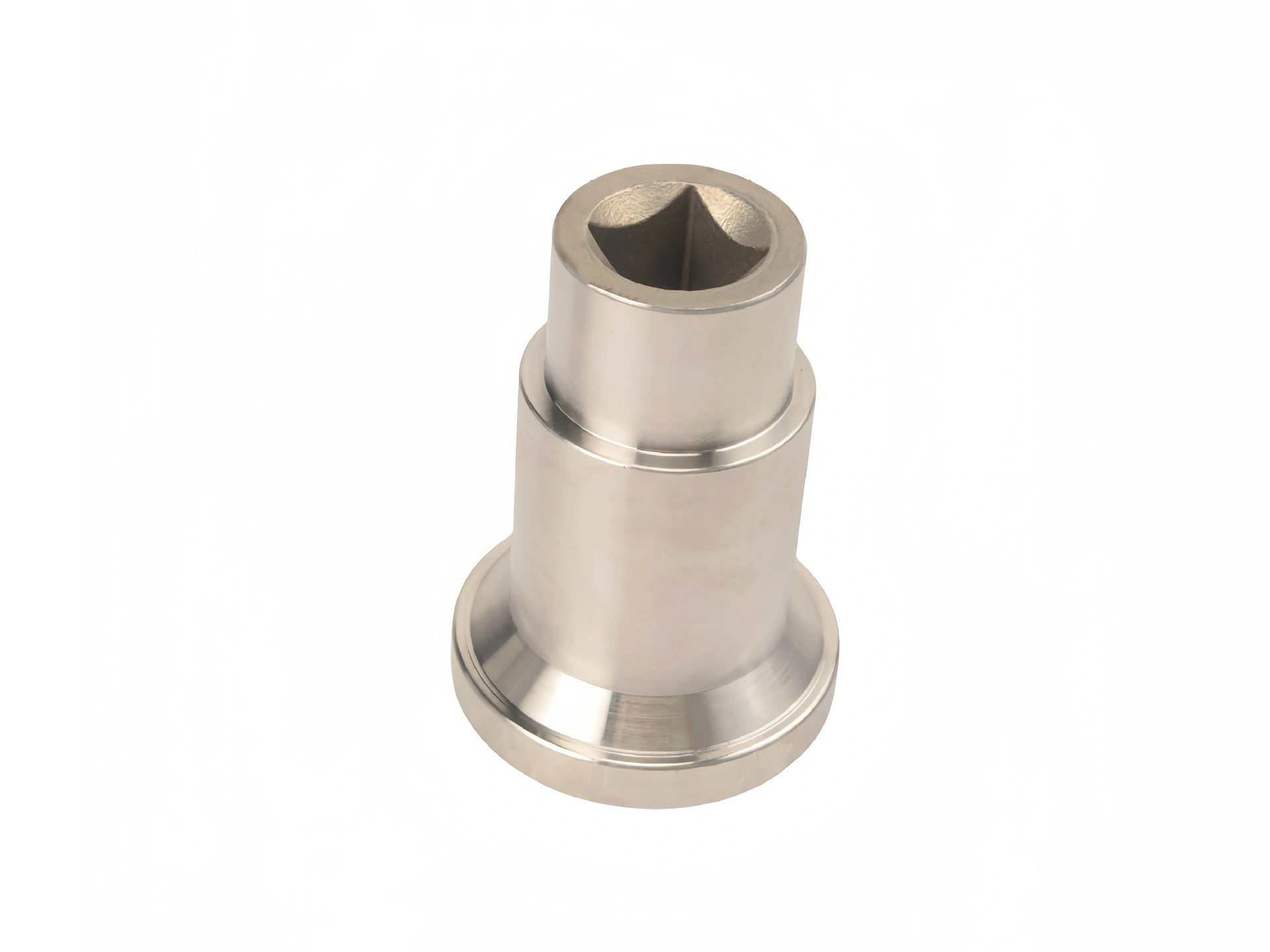
<p>Shafts, bushings, and spacers often fit low-volume manufacture because moderate annual demand can coexist with critical diameters, shoulders, runout, surface texture, and mating fits. Suitability depends on the complete fit system, including mating-part revision, material and heat-treatment state, lubrication, operating load, and measurement temperature.</p>
<p>The drawing should identify datums, fits, surface-texture evaluation, edge condition, and inspection. ASME Y14.5-2018 can govern geometric dimensioning and tolerancing interpretation when invoked, but it does not select tolerances or prove capability.</p>
<h3 id="7.-automation-fixtures,-industrial-replacement-parts,-and-bridge-production-parts-are-natural-low-volume-applications">7. Separate Fixtures, Replacement Parts, and Bridge Supply</h3>
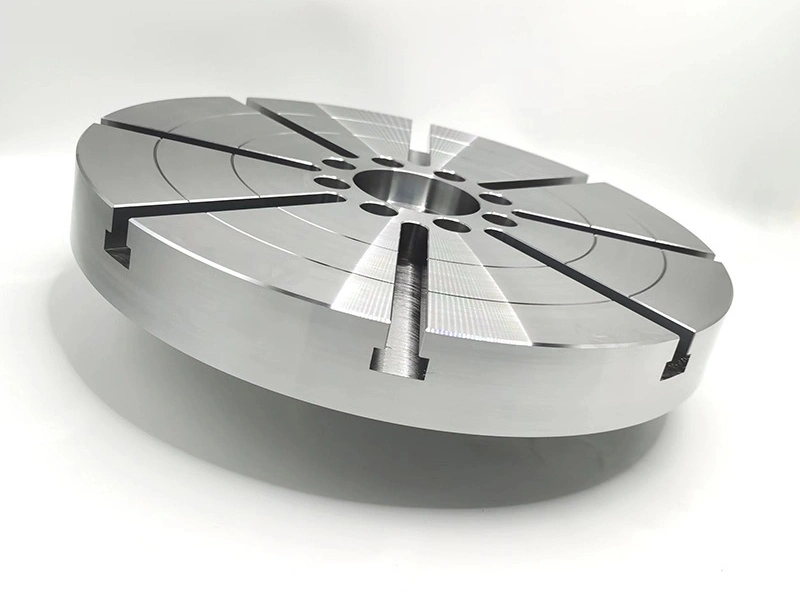
<p>Automation fixtures are suitable when location, clamping, wear surfaces, and machine interfaces are controlled. Replacement parts suit the route when reverse-engineered assumptions, legacy mating conditions, and material substitutions are explicitly approved. Bridge parts fit only when their temporary route, revision, and exit event are documented.</p>
<p>A fixture can distort a workpiece, a replacement can reproduce worn geometry, and bridge supply can continue without qualifying scale. Require an application-specific check and name who can approve deviations or route changes.</p>
<h3 id="8.-suitable-low-volume-parts-usually-have-limited-quantity-but-higher-than-prototype-quality-expectations">8. Identify Parts That Should Use Another Route</h3>
<p>A part is a weak low-volume candidate when its geometry requires a different process, its inspection cannot support acceptance, or its economics depend on high-rate tooling from the first order. Very simple recurring components may justify dedicated tooling earlier, while unresolved concepts should return to prototyping. Demand uncertainty alone does not make an unqualified process suitable.</p>
<p>Compare realistic routes by released quantity, tooling, material yield, cycle time, outside processing, inspection, expected changes, and transfer cost. Choose the controlled route that satisfies function and evidence at the required quantity.</p>
<h3 id="9.-summary">9. Put the Suitability Decision Into the RFQ</h3>
<p>A useful RFQ states the three-dimensional model, drawing revision, material state, quantity ladder, critical features, mating conditions, finish, inspection, traceability, packaging, and delivery event. It identifies substitutions, deviation authority, and whether the route is repeat low volume, bridge supply, or a precursor to scale.</p>
<p>Use a <a target="_blank" href="/services/low-volume-manufacturing">low volume manufacturing service</a> when the evidence and economics fit the part, not because it belongs to a broad material list. Compare <a target="_blank" href="/services/cnc-machining">CNC machining</a>, <a target="_blank" href="/services/aluminum-cnc-machining">aluminum CNC machining</a>, <a target="_blank" href="/services/stainless-steel-cnc-machining">stainless steel CNC machining</a>, <a target="_blank" href="/services/titanium-cnc-machining">titanium CNC machining</a>, and <a target="_blank" href="/services/plastic-cnc-machining">plastic CNC machining</a> against the released geometry, material condition, inspection plan, quantity, and next production route before approving the order.</p>