Low-Volume Manufacturing Cost Guide: How to Reduce Unit Price Before Mass Production
Low-Volume Manufacturing Cost Guide: How to Reduce Unit Price Before Mass Production
Reduce low-volume manufacturing unit price by separating one-time preparation from recurring work, then changing only the requirements, routing, batch plan, and commercial assumptions that do not weaken function or acceptance. The relevant cost is the total for conforming delivered parts, not machining price alone. Material yield, setup count, tool access, tolerance relationships, finishing, inspection, scrap risk, delivery splits, and inventory exposure can outweigh a small cycle-time saving. Before mass production, engineering should protect critical characteristics while procurement compares equal-scope quantity scenarios and identifies the evidence needed to justify any tooling investment or process transfer.
Cost control in low-volume manufacturing services starts with a controlled RFQ baseline. Match the CAD model and drawing revision; name material grade, condition, and product form; identify datums, critical features, surface state, records, packaging, and release dates. Ask suppliers to separate programming, fixture, qualification, recurring machining, outside processing, inspection, and logistics assumptions. A lower quote is not comparable when it excludes first-piece units, reports, masking, reprocessing, preservation, or later setup charges. Hold any saving that changes represented material behavior, fit, sealing, safety, life, appearance, or traceability until the affected function is revalidated.
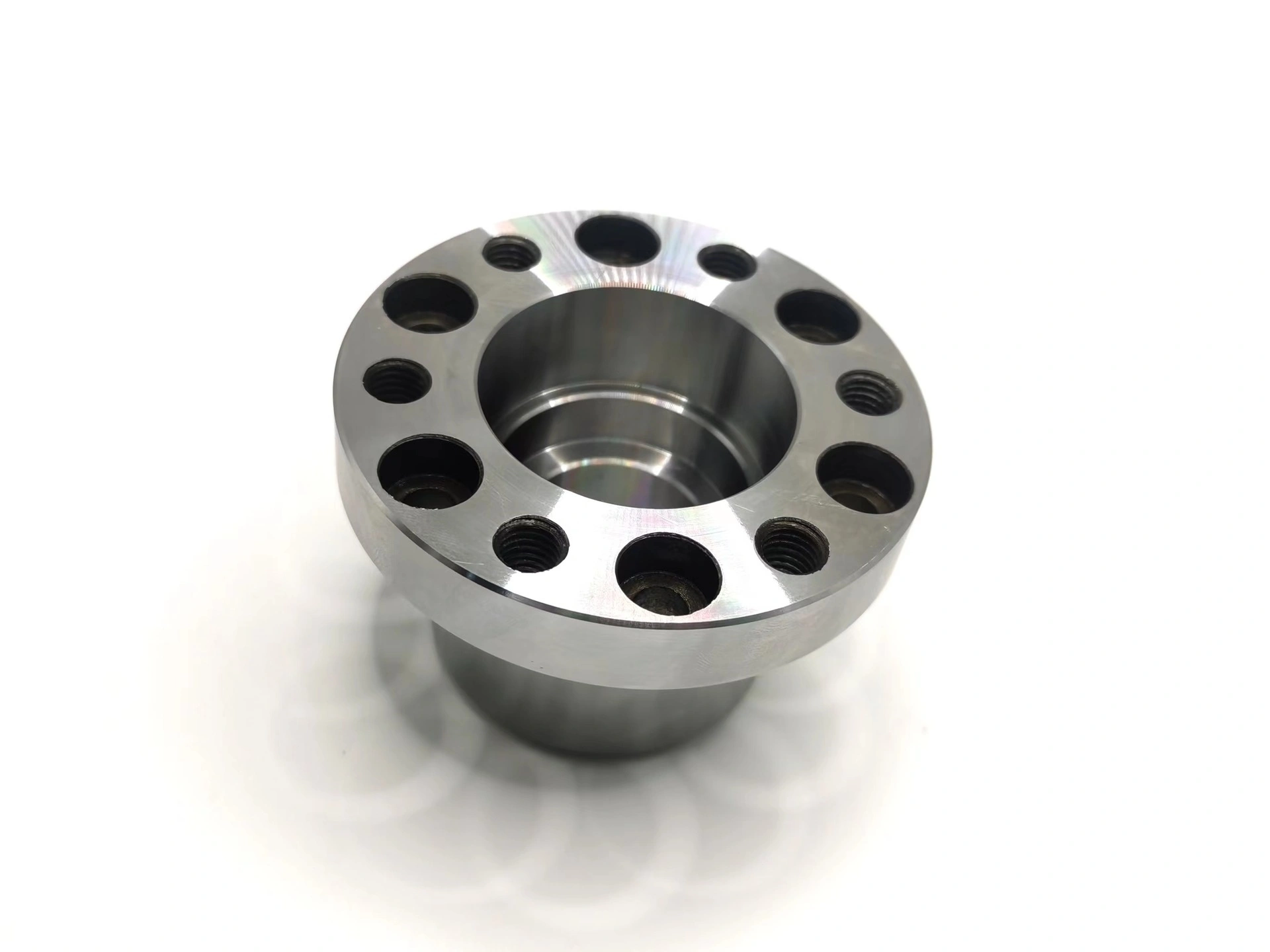
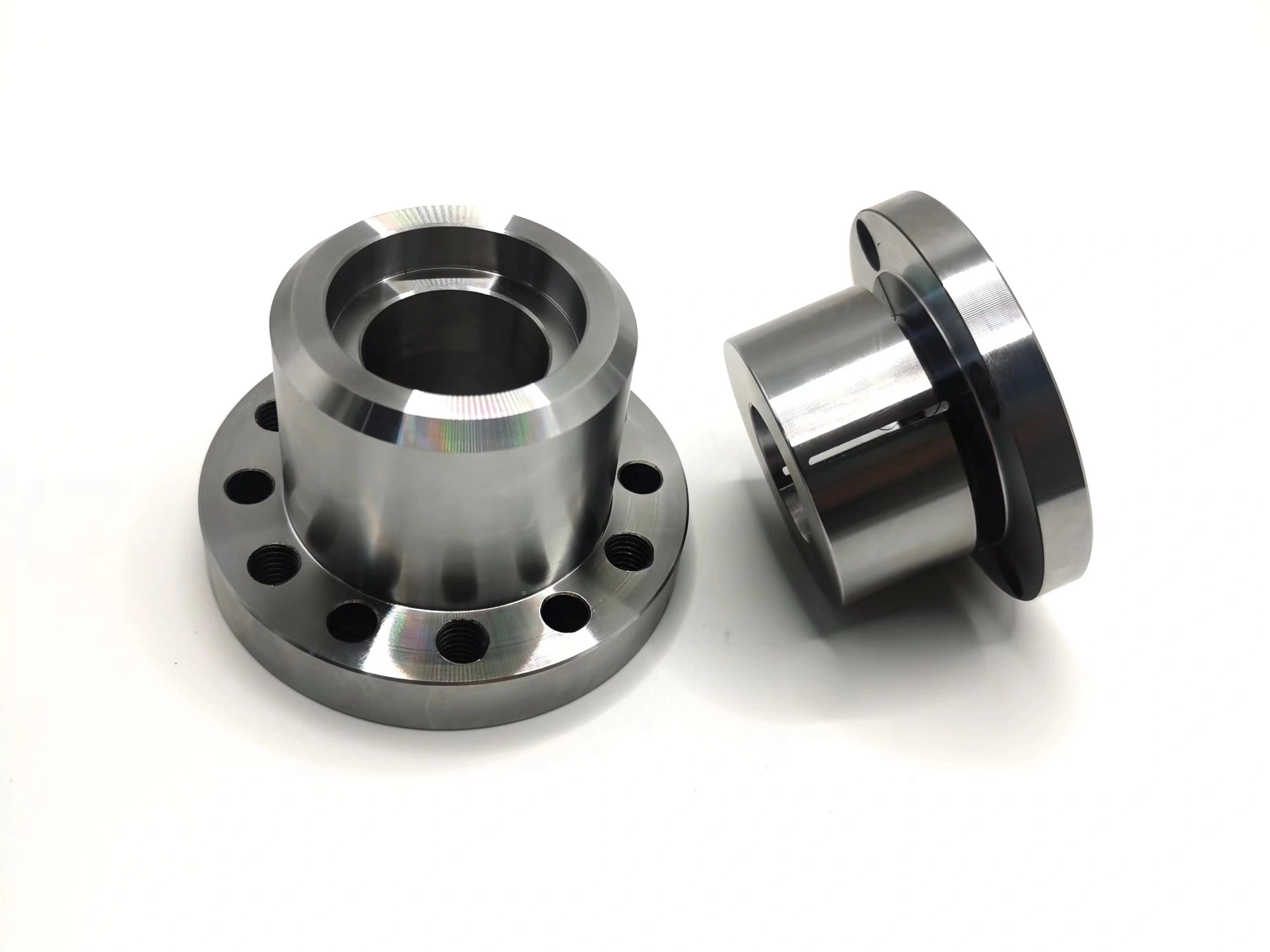
Why Low-Volume Manufacturing Costs More Per Part Than Mass Production
Low-volume manufacturing often has a higher unit price because route preparation and release work are divided across fewer accepted parts. Programming, process review, stock preparation, setup verification, fixture effort, first-piece inspection, treatment qualification, and document preparation can be required before recurring output begins. The denominator must be deliverable quantity, not pieces started. Setup samples, destructive tests, scrap, and qualification units consume material and capacity without increasing shipped quantity. Split releases can repeat setup, minimum treatment, inspection, packaging, and freight charges. A repeat order can also incur fresh first-piece work when the approved machine, fixture, stock source, processor, or measurement method changes. These effects vary by part and supplier, so no universal quantity establishes the economic boundary. A useful quote shows which costs recur for every release and which remain valid for the stated revision and route.
Variable cost also changes with the route. A deep pocket may require long-reach tools, reduced engagement, chip evacuation, and intermediate checks. A thin wall may require staged roughing, support, unclamping, and free-state inspection. Difficult material can increase tool consumption or stock risk, but grade, condition, hardness, product form, geometry, and cutting route determine the actual effect. Outside-process minimum charges can dominate a small lot, while repeated masking or dimensional correction increases both cost and failure exposure. Yield must include parts rejected after late operations, because machining cost already invested in a part is lost when coating, treatment, cleaning, or final inspection fails. Mass production can reduce recurring cost through dedicated tooling, automation, purchasing scale, and stable flow, but those advantages matter only after tooling, validation, maintenance, inventory, design-change, and capacity risks are included. The buyer should compare the expected cost range and the adverse case, not only the optimistic run rate.
Main Cost Drivers in Low-Volume CNC Machining
The main low-volume CNC cost drivers are the resources required to produce, verify, and release the specified part under its actual conditions. Buyers should request the assumption behind each driver and the consequence of changing it. A driver belongs in the model only once: fixture design may be a nonrecurring charge, fixture loading is recurring labor, and a fixture-caused defect belongs in yield risk. Inspection similarly separates method development, first-piece review, recurring measurements, report preparation, and reaction to failure. This prevents a generic percentage reduction from hiding a different material, tolerance, finish, inspection level, or delivery obligation. The table connects each cost factor to its mechanism, failure risk, and confirmation action.
Cost factor | Mechanism, risk, and confirmation |
|---|---|
Part complexity | Orientations, deep features, thin sections, burr access, and datum transfers add time and variation; compare routes against the same accepted geometry |
Material grade | Grade, state, stock form, size, yield, certificates, and machining response affect cost; approve substitutions only after functional review |
Tolerance level | Datum relationships, thermal state, setup, tool control, and measurement drive effort; retain limits tied to fit, sealing, motion, or safety |
Surface finish | Texture, treatment, masking, appearance, rework, and final-state checks can add separate operations; zone requirements by function |
Quantity | Accepted quantity spreads fixed work, but demand uncertainty and inventory can offset unit savings; compare total cost by release scenario |
Inspection | Characteristic count, method, frequency, reports, environment, and records create effort; reduce checks only with a risk-based reaction plan |
Lead time | Compressed dates can restrict stock, machine, treatment, and consolidation choices; verify schedule assumptions and the cost of split releases |
These drivers interact within CNC machining. Relaxing a noncritical size may not change cost if the same toolpath, setup, and inspection remain necessary. A larger corner radius may permit a stiffer cutter and shorter cycle, but only if assembly clearance and stress requirements allow it. Consolidating setups can remove handling yet create harder access or weaker datum control. The cost model should follow cause and effect: proposed change, affected operation, recurring saving, added risk, validation cost, and release decision. Ask the supplier which operation changes, which recurring cost disappears, what new failure mode appears, and how the revised route will be validated. If the answer only applies a discount without changing a documented cost driver, the buyer cannot judge whether the saving is repeatable.
How to Reduce Low-Volume Manufacturing Cost Without Risking Function
Start cost reduction by classifying requirements. Mark features that control assembly, sealing, alignment, motion, load path, safety, wear, conductivity, or regulated evidence. Separate them from clearance, hidden cosmetic, handling, and nonfunctional surfaces. Use the same datum and acceptance logic in design, machining, and measurement. A tolerance should be relaxed only by the design authority and only after confirming the affected stack or test. Broad decimal-place tolerances often price every feature as critical, while an ambiguous note forces a supplier to quote the more conservative interpretation. Record the approved change in the CAD, drawing, inspection plan, and purchase revision so the saving is not lost or misapplied on a repeat order.
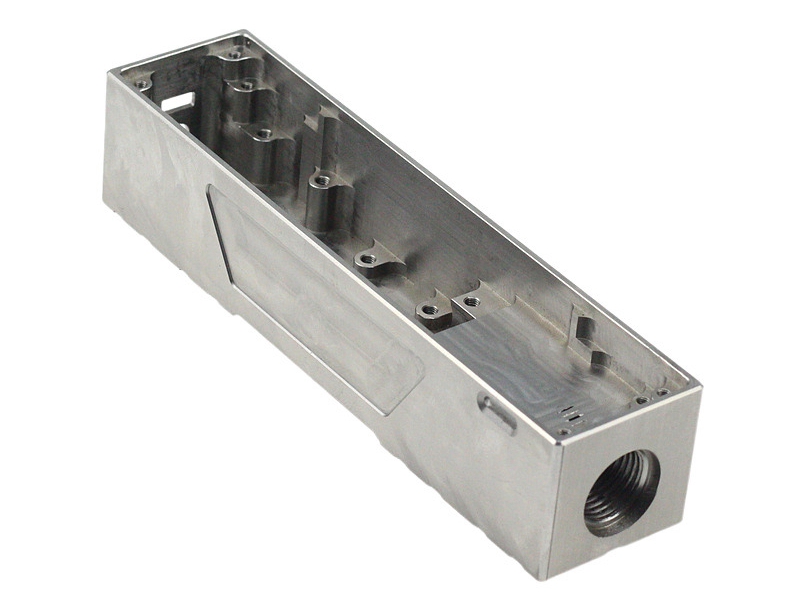
Next review geometry, workholding, material, and stock as one route. Reduce unnecessary depth-to-width ratios, inaccessible corners, very small tools, repeated orientations, and features that require manual recovery when function permits. Provide clamping or sacrificial areas and avoid locating from surfaces that move after roughing. A hypothetical aluminum electronics housing illustrates the tradeoff. Deep pockets and thin sealing rails may distort after unclamping, while anodizing can affect threaded and mating features. A lower-cost route could use staged roughing, a stable datum, supported finishing, defined masking, and free-state final inspection. Engineering releases the change only after fit and sealing evidence remain valid; procurement then compares the reduced cycle and scrap exposure against fixture and validation cost. Compare exact material grade, temper or condition, product form, stock size, certificate, and source restrictions rather than family names. A more machinable substitute can reduce cutting and tool cost but may change strength, stiffness, corrosion, temperature response, wear, conductivity, finish compatibility, or qualification. Improving stock nesting or choosing a closer blank can reduce waste if stock direction, surface condition, cleanup allowance, and availability still meet the drawing. Apply DFM for CNC machining to the specific material and route, then record every accepted substitution in the released purchasing baseline.
Finish and inspection should be engineered together. Distinguish machined texture from anodizing, passivation, plating, paint, blasting, polishing, or cosmetic acceptance. Zone visible, sealing, contact, threaded, masked, and unrestricted areas so the supplier does not process and inspect every face to the highest requirement. Review surface finishes for CNC machined parts against delivered function, not appearance alone. Define whether dimensions apply before or after treatment, what reprocessing is allowed, and which characteristics need final-state verification. Reduce full inspection only when feature risk, process stability, measurement method, sampling basis, and containment response support it. A sample plan cannot compensate for unstable datums, uncontrolled tool wear, or a treatment that changes a critical dimension. Include the cost of suspect-lot review and reinspection when comparing a reduced check frequency.
Batch planning converts accepted engineering changes into commercial savings. Request total-demand and release-quantity scenarios with the same material, revision, treatment, records, packaging, destination, and delivery dates. Separate nonrecurring programming, fixture, and qualification charges from recurring unit work. Ask whether repeat releases reuse a verified setup or incur new setup and first-piece effort. Larger batches can improve material yield and amortization, but they also increase inventory, obsolescence, cash, and design-change exposure. Split supply can protect demand flexibility while repeating minimum process and shipment costs. Calculate cost per accepted delivered part for each cadence, then test the result against lower demand, a revision, yield loss, and delayed consumption. Normalize each scenario with the same numerator and denominator. The numerator should include purchased stock, consumed tooling, setup, machining, treatment, inspection, expected rework, packaging, freight, and any nonrecurring charge assigned to the decision horizon. The denominator should include only conforming units available for the planned release, excluding setup pieces, destructive-test samples, replacements, and rejected parts. This distinction exposes a quote that appears cheaper only because it assumes perfect yield or treats qualification units as customer inventory. Compare at least a demand case, a yield case, and a revision case using assumptions that engineering and procurement can both approve. Record which charge disappears when quantity rises and which risk merely moves into stock, tooling, or future change. For a repeat release, replace quoted assumptions with actual material usage, setup hours, cycle time, outside-process yield, inspection effort, nonconformance disposition, and freight. Do not combine unlike revisions or routes into one average, because the result can hide the exact change that raised cost. A quantity break is actionable only when its saving remains after these controlled comparisons and the additional units have a credible use date. Generic CNC machining costs advice becomes useful only after these low-volume release conditions are included.
When Low-Volume Manufacturing Is More Cost-Effective Than Tooling
Low-volume manufacturing is more cost-effective than tooling when the avoided tooling and transfer commitment exceeds the recurring CNC or small-batch premium under the required demand, revision, material, and quality conditions. Build the comparison from total landed cost. The tooling route includes design and build, samples, validation, maintenance, storage, ownership, modification, minimum runs, process-specific material behavior, inventory, freight, and end-of-life exposure. The low-volume route includes setup, fixtures, cycle, tool wear, material yield, inspection, outside processing, and repeated releases. Use scenario ranges rather than one forecast, and identify the demand or design-change assumption that reverses the result. A simple crossover calculation can divide incremental tooling investment by expected recurring saving, but the result is only a planning point. It must be adjusted for yield, timing, financing, maintenance, release sizes, qualification units, residual tooling value, and the cost of obsolete inventory.
Continue low-volume supply when demand is uncertain, variants divide the forecast, field learning remains open, bridge parts are needed before tooling qualification, or specialized spares do not justify inventory. Tooling can become preferable when design and material are frozen, demand is supported, the process represents required function, capacity and maintenance are acceptable, and savings recover the full investment within the buyer's decision horizon. Compare what the later process changes: molded orientation or shrinkage, formed grain direction, cast porosity, forged flow, or automated datum and handling can invalidate prototype-era evidence. A one-stop CNC machining service link does not prove that commercial crossover. The buyer should require route-specific quotations, validation scope, responsibility, and release evidence, then approve tooling only when sensitivity analysis remains favorable under credible demand and change scenarios. Hold the transfer when the new route lacks measurable acceptance criteria or a plan for affected functional tests.
How to Prepare a Low-Volume Production RFQ
A cost-ready low-volume RFQ defines one technical baseline and asks suppliers to expose assumptions that change unit price. Submit native CAD and a matching controlled drawing, then identify precedence, revision, material, finish, quantity, delivery, inspection, traceability, packaging, and change authority. State whether setup, qualification, destructive-test, spare, and deliverable units are included. Request stepped scenarios only when every tier uses the same scope. Ask for validity limits on stock price, exchange, outside-process minimums, freight, and schedule. Require suppliers to identify which DFM proposals are included in the quote and which need engineering approval. The table below turns the existing RFQ list into a quote-normalization tool.
RFQ item | Cost assumption and buyer confirmation |
|---|---|
CAD file | Provide the controlled native model, revision, and precedence rule; confirm geometry, access, stock, setup, and fixture assumptions |
2D drawing | Define datums, critical tolerances, threads, texture, notes, acceptance stage, and approved prototype deviations |
Target quantity | Separate deliverable, setup, qualification, test, scrap allowance, and spare units for each proposed release |
Annual demand estimate | Give a range and release cadence; compare inventory and change exposure rather than treating the forecast as a commitment |
Material | Name grade, condition, product form, size constraints, certification, traceability, source limits, and substitution authority |
Finish | State texture, treatment, appearance zones, masking, allowance, reprocessing rule, and delivered-state inspection |
Tolerance | Identify functional characteristics and datum relationships; request the route and cost effect for proposed changes |
Inspection | Define first-piece, frequency, method, actual-value reports, lot linkage, retention, and reaction to failure or change |
Packaging | Specify preservation, separation, cleanliness, labels, lot identity, and any returnable or destination-specific requirements |
Delivery country | State destinations, terms, release dates, shipment splits, duties scope, freight responsibility, and landed-cost basis |
Get a Low-Volume Manufacturing Quote From Neway
A buyer should award a low-volume order only after technical and commercial comparisons use the same scope. Ask each supplier to return the proposed stock, machine class, setup count, fixture concept, tool-access limitations, outside processors, inspection stages, yield assumptions, recurring charges, nonrecurring charges, exclusions, and change terms. Engineering decides whether cost actions protect function and validation. Procurement separately decides whether lot size, release dates, records, inventory, payment, freight, and total landed cost fit the program. Keep those decisions distinct so a low unit price cannot override an unresolved feature risk. Establish a bid-normalization sheet that records every exception, buyer-supplied item, tax or duty boundary, shipment assumption, and recurring setup condition. Resolve differences before selecting the apparent lowest quote.
When requesting Neway's low-volume manufacturing services, provide the complete baseline and require written exceptions before award. The release sequence is practical: normalize quotes, approve material and route, close DFM proposals, verify the first setup, contain and disposition failures, complete outside processing, inspect the delivered state, reconcile records, and authorize shipment. For repeat orders, compare machine, fixture, program, stock, treatment, inspection, and packaging with the accepted baseline. Retain actual cycle, yield, treatment, inspection, nonconformance, freight, and inventory data by revision and lot. Before mass production, update the total-cost model with actual demand, quality, delivery, and change history. Continue low-volume production, revise the part, split demand, qualify another source, or invest in tooling according to that evidence rather than a generic quantity threshold. The defensible saving is the one that persists after conforming-part verification and the next release.
FAQ