What is the difference between low-volume manufacturing and prototyping?
What is the difference between low-volume manufacturing and prototyping?
The difference between prototyping services and low-volume manufacturing services is the release objective. A prototype is built to answer a defined engineering question while design, material, or process changes remain expected. A low-volume lot supplies multiple usable parts from a controlled revision with repeatable production and acceptance evidence. Quantity alone does not establish the stage. Ten parts made to compare two designs can still be prototypes, while ten released parts for pilot installation can be low-volume production. Buyers should therefore classify the order by configuration status, permitted changes, inspection evidence, and disposition authority before selecting the route.
Prototyping is appropriate while fit, motion, sealing, thermal behavior, manufacturability, or material response is unresolved. Low-volume manufacturing becomes appropriate when the drawing and CAD baseline are released, critical characteristics have acceptance criteria, and the supplier must control variation across an identified lot. The boundary is not absolute: a released assembly may still contain one experimental component, or a low-volume lot may expose a design risk that requires a controlled return to prototyping. The purchase order should state which units are experimental and which are deliverable product.
Decision evidence | Prototyping | Low-Volume Manufacturing |
|---|---|---|
Release purpose | Test a named design, material, assembly, or process hypothesis | Supply conforming units for pilot use, controlled trials, or early demand |
Configuration baseline | Revisions may follow test results, with each sample identified | One released revision governs the lot; deviations require recorded approval |
Quantity signal | Enough units to complete the experiment; no universal numeric boundary | A planned batch under one routing, lot identity, and delivery requirement |
Process control | Flexible setups may change when the learning objective is preserved | Approved setup, material state, tool-control points, and secondary operations |
Acceptance evidence | Measurements and test results tied to the question being investigated | Defined first-piece, in-process, final, and lot records for specified features |
Next gate | Revise, retest, or release the configuration | Repeat the lot or transfer with validated changes to mass production |
1. The release basis separates learning parts from delivery parts
A prototype should have a written test objective and a traceable configuration, even when its design is expected to change. For example, an assembly-fit sample may confirm hole location and tool access without proving cosmetic finish or production-cycle stability. Low-volume parts require a broader acceptance basis because the buyer intends to use multiple units. Where geometric dimensioning and tolerancing applies, ASME Y14.5 defines the drawing language for features and datum reference frames; it does not define process capability or inspection frequency. The RFQ must still identify critical features, measurement method, sampling or full-inspection requirement, and whether acceptance applies before or after coating, heat treatment, or conditioning.
2. Move forward when the remaining risks are controlled, not merely fewer
A project is ready for low-volume manufacturing when unresolved risks no longer permit unrecorded changes to delivered parts. The released package should align CAD, drawing revision, material grade and condition, surface treatment, and approved substitutions. Assembly trials should have closed the interfaces that drive function, while any remaining experiment is identified separately. A useful release review asks whether a tool-access change, stock substitution, fixture adjustment, or finishing correction could alter a critical characteristic. If the answer is yes, the buyer and supplier need a deviation and revalidation rule before the lot starts. Without that rule, a stable-looking design can still produce mixed configurations or evidence that no longer matches the delivered condition.
3. Low-volume production adds lot control and reaction rules
Low-volume manufacturing controls repeatability through more than a reusable fixture. Material certificates must map to the received stock or resin lot where required, travelers must identify routing and revision, and inspection records must identify the measured units. CNC tool wear, polymer moisture, heat-treatment distortion, coating buildup, and deburring can change results after an acceptable first piece. The control plan should therefore connect each significant failure mode to a check and a reaction. A drifting bore may trigger tool-offset review and containment; a coated thread failure may require final-state gaging and segregation. The buyer should define who may approve rework, use-as-is disposition, process substitution, and re-release after a nonconformance.
4. CNC evidence can bridge the stages without proving batch readiness
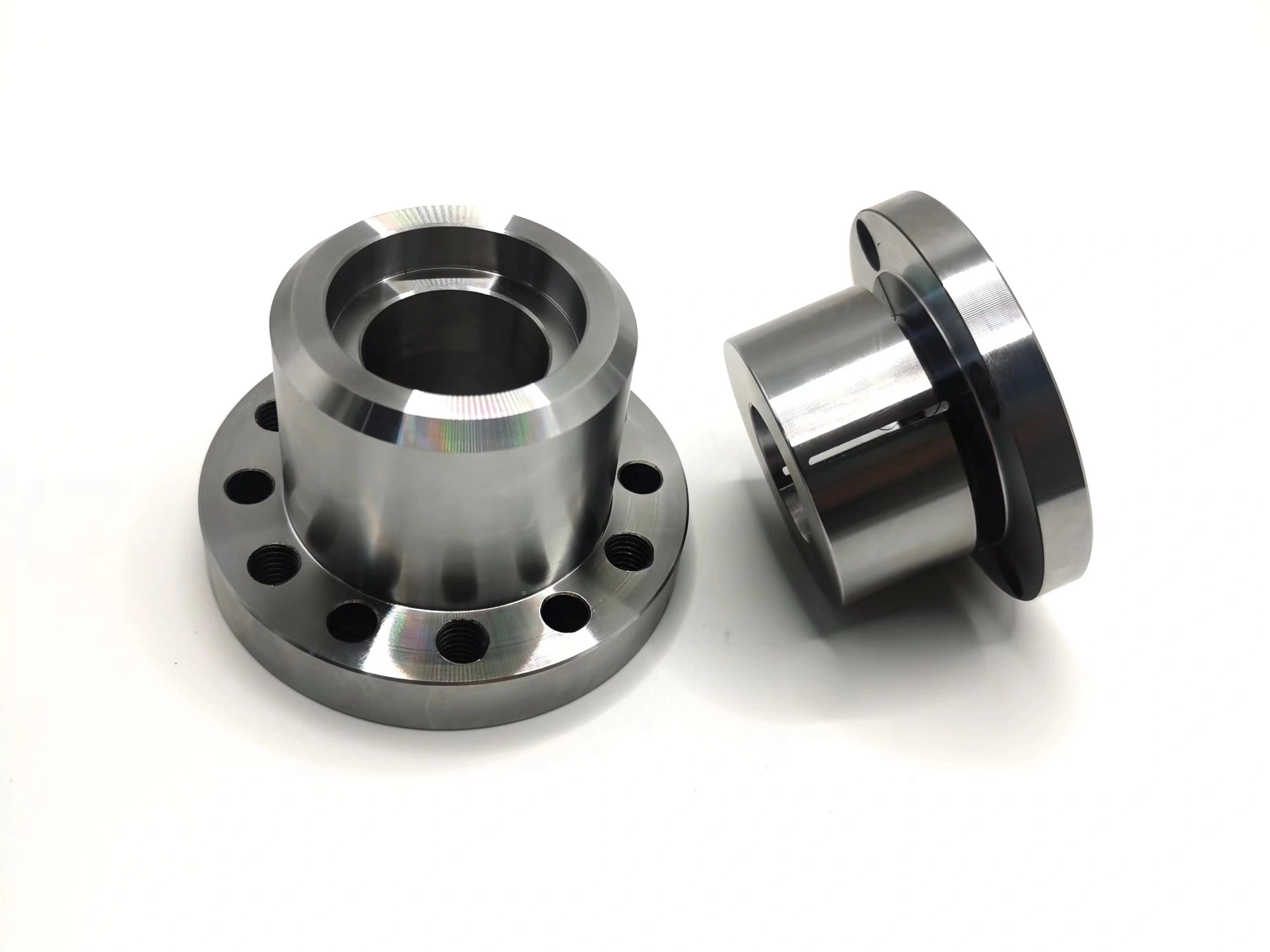
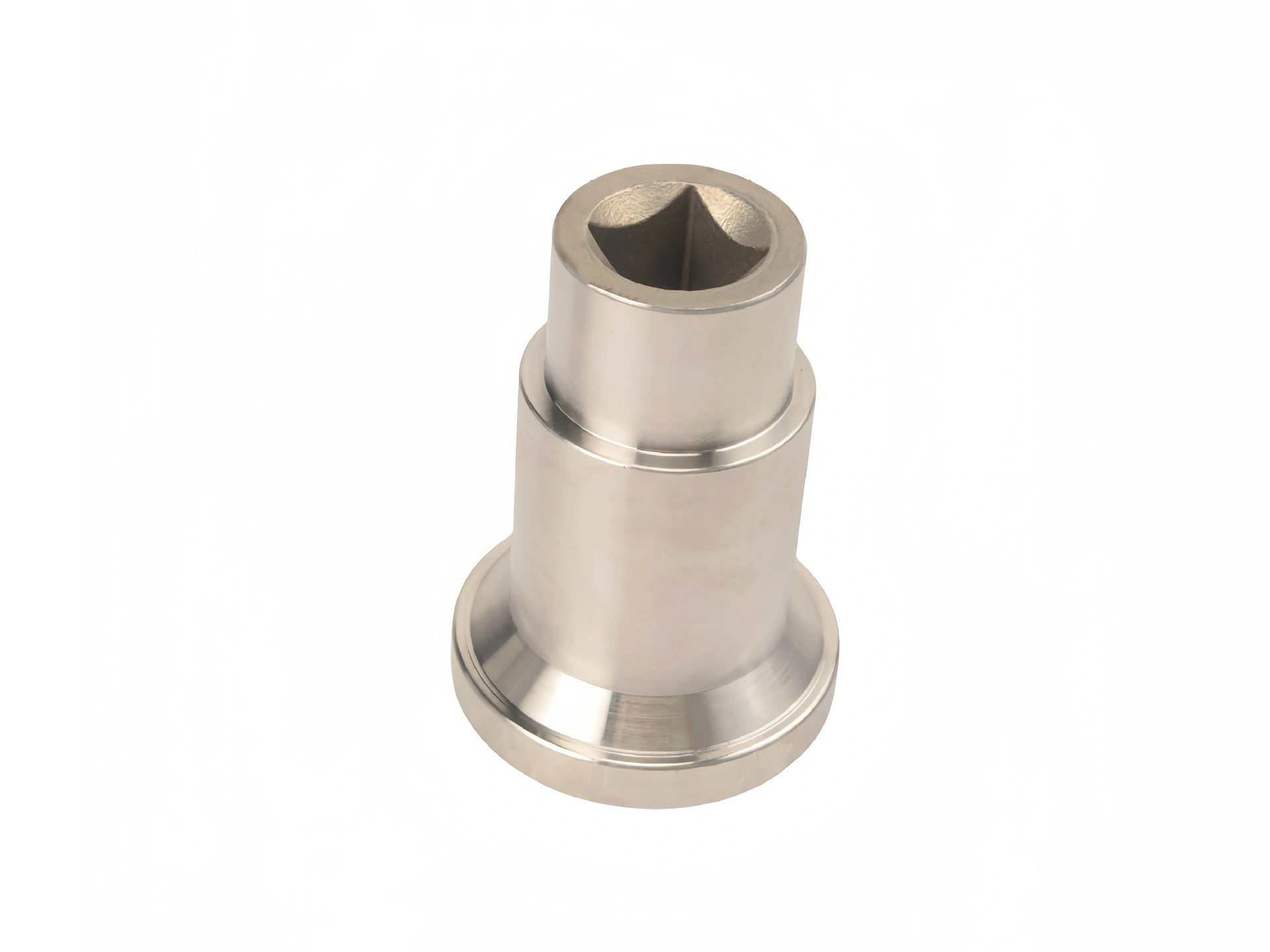
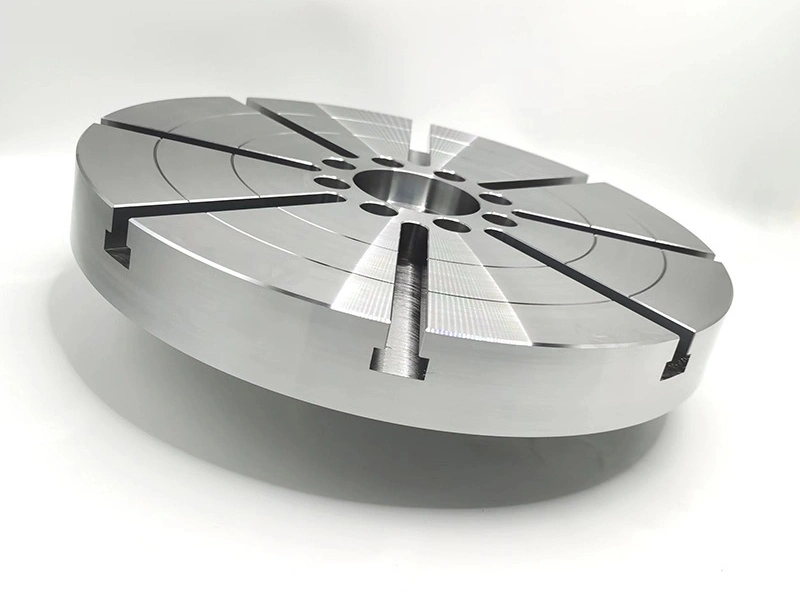
For a hypothetical aluminum pump manifold, CNC machining prototyping can verify port access, sealing-face geometry, thread engagement, and assembly clearance in the specified alloy condition. Those results support design release, but one accepted manifold does not prove that later units will remain conforming after tool wear, unclamping, deburring, cleaning, or anodizing. A low-volume routing would retain the released datum scheme, control the setup sequence, inspect the sealing face and ports at their agreed stage, and preserve unit or lot identity through finishing. The buyer can then decide whether the evidence supports pilot installation, another controlled lot, or a process-transfer study. This scenario defines engineering logic, not a Neway customer result or stated capability.
5. Choose the route by the next authorized decision
Choose prototyping when the next authorized decision is to revise or confirm the product definition. Choose low-volume manufacturing when the next decision is to release, hold, or disposition a batch made to one controlled definition. A mixed program can use both routes, but experimental and released units need separate identifiers and acceptance records. Do not infer readiness from unit price, lead time, or part count alone. Instead, review whether the supplier has the final inputs, whether the buyer accepts the proposed process and inspection stages, and whether a failed result has a defined containment path. If design ownership, acceptance authority, or final-state requirements remain unclear, keep the affected units in prototype status until those items are resolved.
An RFQ should include the native CAD model, controlled 2D drawing, revision, planned quantity and delivery splits, material grade and condition, finishing specification, critical characteristics, datum and acceptance requirements, and required inspection or material records. It should also identify prototype questions, released-use units, destructive-test allowances, traceability level, approved substitutions, deviation authority, and the event that requires revalidation. These inputs let the supplier quote comparable scope and prevent an inexpensive learning sample from being mistaken for a controlled low-volume lot. The correct stage is the one whose evidence supports the buyer's next decision without claiming that one sample proves repeatable production.