What to Expect from a Low Volume Manufacturing Service Before Mass Production
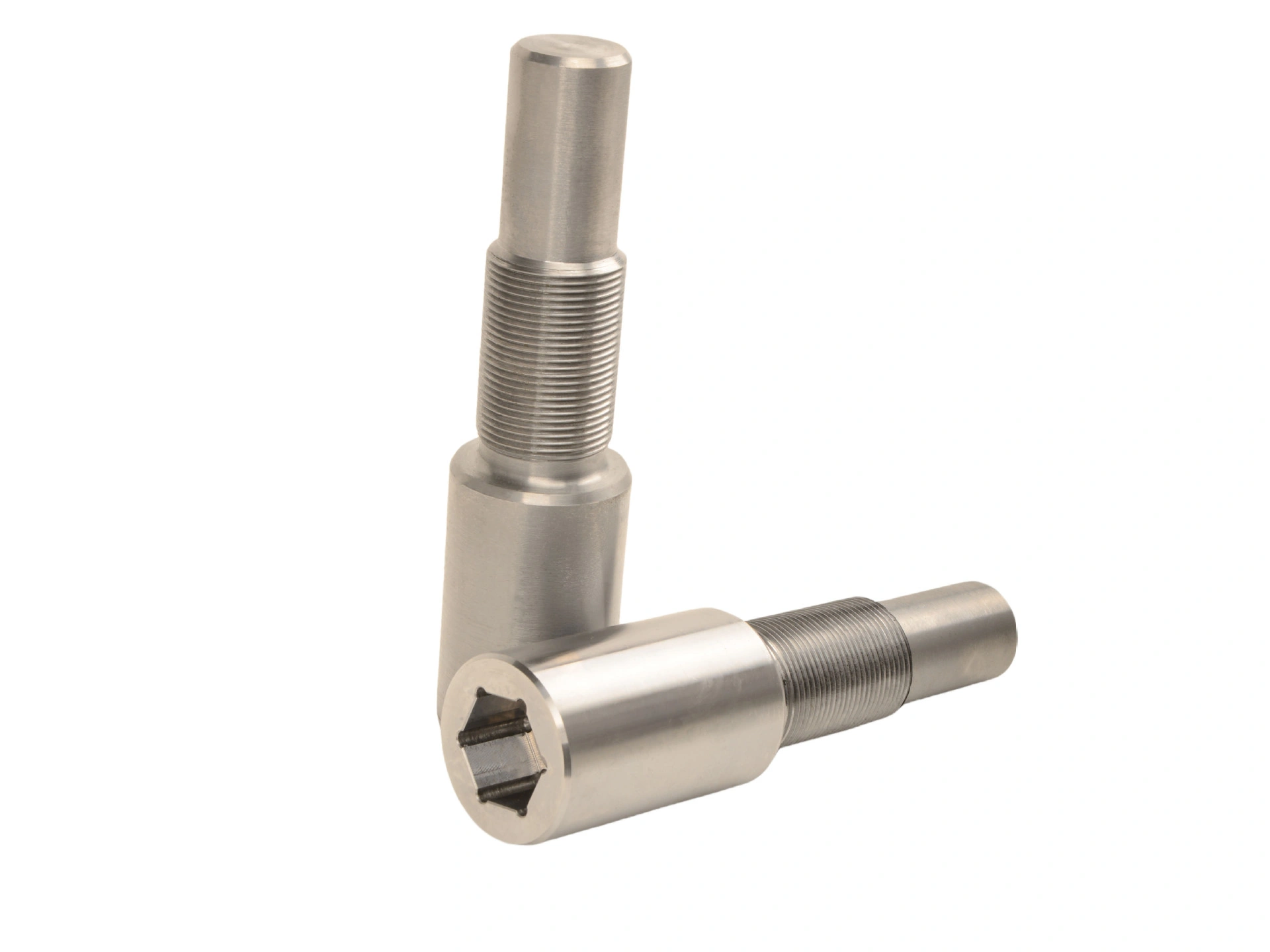
What a Low Volume Manufacturing Service Should Offer Before Mass Production
Before mass production, expect a low volume manufacturing service to turn an approved product state into controlled batch evidence. The service should identify the active revision, material and finish condition, critical interfaces, manufacturing route, inspection plan, batch purpose, and release authority. It should show which risks remain before mass production and how prior prototyping results apply to the released configuration. Short-run delivery alone does not prove that the product, process, demand, or capacity is ready to scale.
The buyer should receive evidence at defined review points rather than wait for a final shipment report. The first review confirms the released technical baseline and the question the batch must answer. Later reviews cover first-piece approval, in-process stability, final-state conformity, assembly or field results, change history, and the transfer decision. Low volume remains valuable while these reviews close uncertainty without committing excessive tooling or inventory. Results support only the documented revision, route, material state, and acceptance method. A later change can require re-verification. The purchase order should state record recipients, review timing, response deadlines, and whether production must stop while a deviation is awaiting approval.
Why Buyers Search for a Low Volume Manufacturing Service
Buyers use low volume manufacturing when one acceptable sample is no longer enough, but a long-term production commitment would be premature. A pilot or bridge batch can reveal variation caused by workholding, material lots, tool wear, deburring, surface treatment, assembly sequence, and inspection throughput. The expected output is therefore more than parts. It is a decision package that connects each batch to its purpose, controlled inputs, measured results, unresolved risks, and authorized next action. It should also identify any temporary fixture, manual operation, substitute source, or inspection workaround that cannot transfer unchanged to the intended production route.
Start by defining what the order must prove. One batch may test whether several mating features remain stable after unclamping. Another may supply field units while demand is measured. A bridge run may protect a launch until dedicated tooling is qualified. These purposes require different quantities, records, and exit criteria. Without a written objective, a successful delivery can consume schedule and budget without answering the question that blocks scale. The buyer should name the reviewer, evidence threshold, containment for a failed result, and whether the next action is another learning batch, a controlled change, or a mass-production transfer review. The supplier should map each requested record to that decision so reports are not produced merely because they are available.
Project Situation | Expected Low-Volume Deliverable | Release Risk Being Controlled |
|---|---|---|
Released design still needs process learning | Revision-linked first-piece and batch results with recorded changes | Process adjustments being mistaken for design acceptance |
Market demand remains uncertain | Authorized lot size, reorder trigger, forecast range, and stock exposure | Obsolete inventory after demand or revision changes |
Customer or field units are required | Configuration identity, acceptance records, and feedback disposition | Test evidence being applied to an unmatched product state |
Assembly and functional behavior need confirmation | Critical-interface results before and after final processing | Late discovery of fit, distortion, finish, or handling problems |
The future production route is not ready | Bridge controls, route differences, transfer owner, and defined exit gate | A temporary method becoming open-ended supply |
What Projects Are Suitable for Low Volume Manufacturing?
Suitable projects have a releasable configuration and a defined reason to produce a controlled batch. They include pilot builds, bridge production, limited launches, custom equipment components, replacement parts, and functional assemblies with intermittent demand. The common condition is not a universal quantity range. It is the need for repeatable parts and usable evidence while design, market, tooling, or capacity uncertainty still makes full production commitment risky. A project is not ready merely because its annual forecast is small; the drawing, material state, acceptance basis, and authority for changes still need enough definition to release work.
Quantity must be derived from the learning or supply objective. A few prototype parts may be enough for basic fit, but they may not expose tool-life drift or fixture-loading variation. A larger pilot lot may support assembly, field distribution, and in-process checks, yet it still cannot prove an annual capacity claim. Select the smallest batch that can represent the planned material state, setup sequence, process variation, inspection method, and intended use. Record why that amount is sufficient and what another batch would add. If destructive testing, multiple environments, or several assembly lines consume units, include those needs before selecting the release quantity.
Consider a hypothetical anodized 6061-T6 enclosure used only to illustrate the engineering decision, not an actual Neway project. The released drawing controls a thin wall, a locating bore, and a sealing face. Rough machining can release residual stress, unclamping can move the wall, and anodizing can affect the bore and measurement state. The low-volume plan should define supported workholding, rough and finish stages, inspection before and after final processing, assembly evidence, and the reaction to movement. The buyer then decides whether to revise the part, approve the route, or run another controlled batch. CNC machining is relevant because it can make the released geometry in the specified material, but the process still needs feature-specific controls. The report should distinguish values measured while restrained from the free-state condition required for acceptance and should record any masking or coating allowance affecting the locating bore.
Order Purpose | Quantity Basis | Expected Evidence | Exit Decision |
|---|---|---|---|
Initial configuration validation | Enough parts to verify defined interfaces and intended tests | Revision, material state, measured features, and test disposition | Revise, approve, or return to development |
Engineering or customer evaluation | Enough matched units for the stated environments and users | Unit identity, acceptance status, feedback, and approved response | Close findings or authorize a controlled follow-up lot |
Pilot run or bridge production | Enough output to exercise setup, inspection, assembly, and delivery cadence | First-piece, in-process, final, nonconformance, and delivery records | Continue the bridge, change controls, or start transfer review |
Stable recurring requirement | Authorized lots based on demand, inventory, capacity, and economics | Repeated-batch results plus process and capacity evidence | Release planned production or retain controlled low-volume supply |
How Is Low Volume Manufacturing Different from Prototyping and Mass Production?
The three stages differ primarily in the decision they support. A Prototyping service supports design learning when configuration and process choices can still change quickly. Low volume manufacturing supports controlled batch learning and limited supply against a released baseline. A Mass production service supports sustained output after product, process, quality, capacity, and commercial conditions are released. Quantity follows those conditions; it does not define them by itself. The same numerical order can belong to different stages when its purpose, risk, replenishment pattern, or production route differs.
Expect controls to become more formal as commitment increases. Prototyping may accept temporary methods when the record states their limits. Low-volume work should preserve revision, material-lot identity, setup references, inspection logic, deviations, and batch disposition. Mass production needs a transferred route, planned capacity, tooling and maintenance ownership, sampling or full-inspection rules, nonconformance reaction, and change notification. A buyer should not infer that low-volume success proves the next stage if the future equipment, fixture, supplier, surface process, or measurement method differs. Those differences need a transfer risk review and proportionate re-verification. The review should compare process steps, control points, expected variation, record systems, and responsibility rather than relying on service names.
Service Stage | Primary Decision | Minimum Evidence Expected | Important Limitation |
|---|---|---|---|
Prototyping | Does the selected configuration support the intended function? | Test identity, material and build state, results, and design response | Temporary methods may not represent repeat production |
Low volume manufacturing | Can controlled batches meet the stated purpose and acceptance basis? | Released revision, route, first-piece, batch, change, and delivery records | Flexible output does not prove sustained capacity |
Mass production | Can the released system sustain required output and conformity? | Transferred controls, capacity, maintenance, inspection, and reaction plan | Scale amplifies any unresolved product or process error |
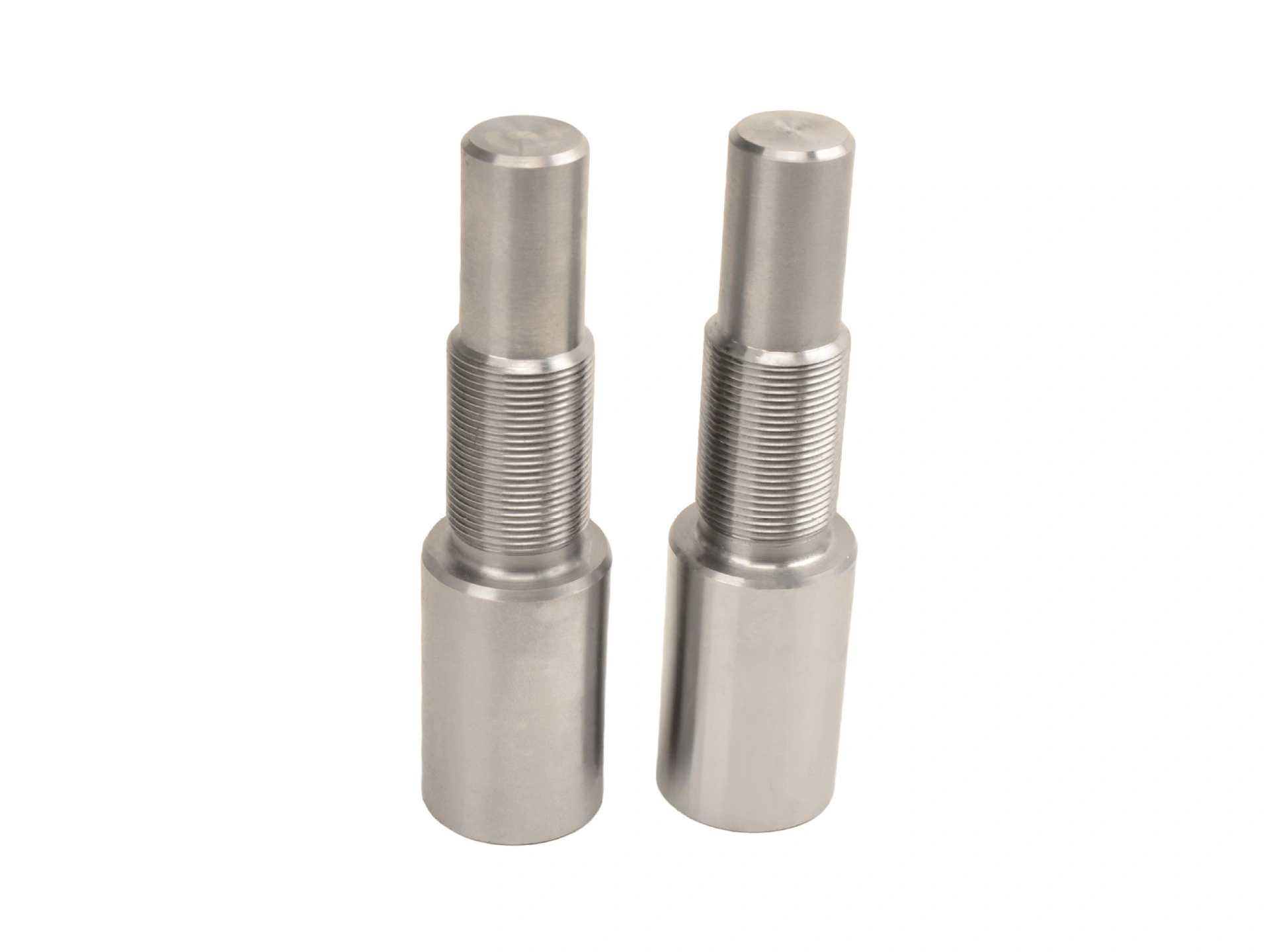
What Core Capabilities Should a Low Volume Manufacturing Supplier Offer?
Expect the supplier to translate the released specification into a route that can be reviewed before cutting starts. For CNC machining, that review includes stock condition, datum strategy, workholding, tool access, rough and finish sequence, burr control, surface processing, and the state in which features are measured. precision machining does not mean applying tight tolerances to every dimension. It means connecting function-critical dimensions and geometric relationships to suitable controls and acceptance methods while avoiding unnecessary cost on noncritical features. The supplier should flag conflicts between the model, drawing, finish note, inspection request, and mating requirements before the route is approved.
Material support should preserve the exact grade, condition, lot identity, and approved substitution rule. Links to aluminum CNC machining, stainless steel CNC machining, titanium CNC machining, and plastic CNC machining describe service categories, not interchangeable material behavior. An aluminum temper can influence residual-stress movement, stainless grades can differ in machining response, titanium heat and tool wear require route-specific control, and engineering plastics can move with temperature, moisture, or clamping. The RFQ must state the required material state and acceptance evidence instead of relying on a broad family name. When traceability matters, specify certificate content, lot segregation, marking, and the link between material records and delivered parts.
Engineering review should produce documented decisions, not informal promises. A supplier concern should identify the affected feature, failure mechanism, proposed action, validation method, buyer impact, and approval owner. Inspection planning should distinguish first-piece setup approval from batch conformity. It should state datums, equipment, measurement condition, frequency, report content, traceability, and reaction to a trend or nonconformance. Surface finishing also requires ownership for approved sources, masking, cosmetic limits, dimensional allowance, incoming checks, and final-state release. A coordinated one-stop service can simplify handoffs, but it does not remove the need to document each external process and responsible party. The release package should show whether inspection occurs before or after finishing and which result controls acceptance if the process changes a critical feature.
Repeatability must be demonstrated by matched records, not claimed from a single acceptable part. Expect batch identity, material certificates when required, setup or program revision, first-piece status, in-process results for risk-sensitive features, final inspection, nonconformance disposition, rework history, and approved changes. The buyer should compare results across repeated batches and ask whether the same route will transfer. If the production route changes equipment, fixture, tooling, material source, operator method, outside processor, or inspection technique, prior evidence has a defined boundary and cannot be carried forward without review. Trend review should distinguish common variation from a one-time event and should state the containment applied before another lot is released.
Core Capability | Evidence to Expect Before Mass Production | Failure Mode if Evidence Is Missing |
|---|---|---|
CNC machining route | Datum, workholding, sequence, tool, burr, and measurement plan | An acceptable sample cannot be reproduced after setup changes |
Precision feature control | Function-linked tolerances, methods, conditions, and acceptance results | Reports measure features without proving assembly relationships |
Material control | Grade, condition, lot identity, certificates, and substitution approval | Mixed material states change machining or product behavior |
Engineering review | Feature-specific concern, action, validation, and approval record | An undocumented process change becomes the production baseline |
Inspection control | First-piece, in-process, final-state, and nonconformance records | Drift after the first part remains undetected |
Surface processing | Approved source, masking, allowance, appearance, and final release | Post-processing changes dimensions or appearance after inspection |
Production repeatability | Comparable batch results, change history, route limits, and transfer plan | Low-volume success is assumed to prove an untested scale route |
What Buyers Care About Most Before Mass Production
Before mass production, buyers need a reliable commitment model for schedule, order quantity, total cost, conformity, engineering response, and scale transfer. Lead time should be a dependency schedule covering released inputs, material, programming, fixtures, production, outside processing, inspection, approval, and shipment. Minimum order quantity should be explained by setup, material purchase, outside-process minimums, inspection burden, and inventory policy. Unit price should be separated from one-time engineering, tooling, gauges, qualification, packaging, freight, expected scrap, and change exposure. This allows procurement to compare total program cost instead of accepting a low piece price that omits required evidence. Quote assumptions should identify currency, validity, quantity break, buyer-supplied items, approval delays, and the party carrying unused material or finished inventory.
Quality discussions should identify critical interfaces, datum relationships, surface and cosmetic states, inspection methods, record retention, traceability, sampling logic, and deviation authority. Engineering response should state who reviews a concern, who approves a change, and what is re-verified. Scalability should be tested through a route comparison, capacity evidence, tooling ownership, maintenance, outside-process capacity, inspection throughput, and contingency. Buyers should ask for known exceptions as well as strengths. A supplier that clearly defines a limit gives procurement a controllable risk; an unqualified promise hides the action needed before release. Review the proposed escalation path for missed checks, late material, equipment loss, outside-process rejection, and nonconforming product before those events affect a launch.
Buyer Priority | Evidence to Request | Buyer Verification |
|---|---|---|
Lead time | Dependency schedule with input, approval, outside-process, and inspection dates | Confirm assumptions, owner, response time, and recovery path |
Order quantity and cost | One-time, recurring, minimum, inventory, and change cost drivers | Compare authorized lot options against demand and stock exposure |
Quality control | Feature plan, batch identity, final-state results, and reaction records | Match evidence to revision, material, datum, lot, and acceptance rule |
Engineering support | Documented concern, proposed action, validation, and authority | Approve, reject, or revise without creating an uncontrolled change |
Scalability | Route comparison, capacity, tooling, maintenance, inspection, and contingency | Identify transfer differences and required requalification before release |
How Low Volume Manufacturing Supports the Move from Prototype to Production
Low volume manufacturing supports the move by converting product learning into controlled production records. The expected sequence is a released baseline, batch objective, route review, first-piece approval, in-process monitoring, final-state inspection, assembly or field disposition, and a transfer review. Each gate should name the evidence, reviewer, authority, and response to failure. The process is ready to advance only when remaining gaps have owners, containment, validation plans, and decision dates. A passed shipment with unresolved changes is delivery evidence, not mass-production release. The final review should reconcile every approved deviation and decide whether it is incorporated, retired, or carried into the next controlled revision.
Use the low volume manufacturing service information to define the short-run scope, then test the proposed route against the released RFQ. Compare how prototyping evidence transfers, which CNC machining controls preserve critical features, and how a coordinated one-stop manufacturing service assigns outside-process responsibility. The buyer should request the drawing and model revision, material grade and state, quantities and cadence, critical interfaces, finish, inspection records, traceability, packaging, deviation approval, change notification, and transfer criteria. The same package lets competing suppliers expose assumptions and omissions against one baseline. Add required record formats and retention periods when customer approval, service history, or later root-cause analysis depends on retrieving batch evidence.
After the required evidence is accepted, use the low volume manufacturing service page to confirm remaining short-run needs and compare them with prototype validation and future mass production. Keep the program in low volume when design, demand, route, capacity, or field evidence still needs controlled learning. Start the transfer review when the released product state, repeated-batch results, process changes, tooling, outside sources, inspection throughput, capacity, inventory assumptions, and change authority are documented. The practical expectation is not a promise of effortless scale. It is an auditable record showing what has been proven, what remains limited, and who can authorize the next commitment. Procurement should release only the quantity and investment supported by that record, with a documented hold point for any condition that remains open.
FAQ