Which Products Fit a Low Volume Manufacturing Service Best
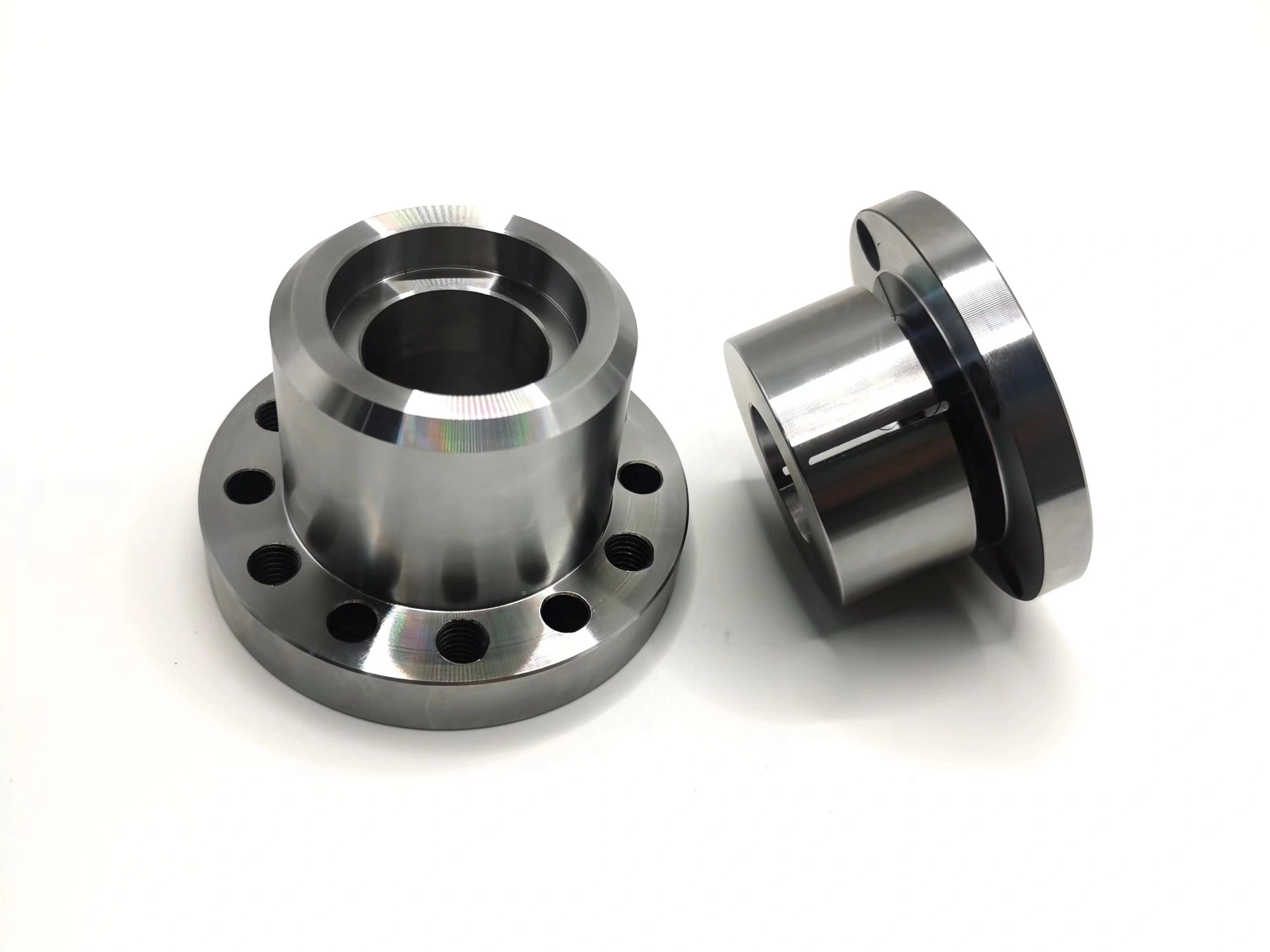
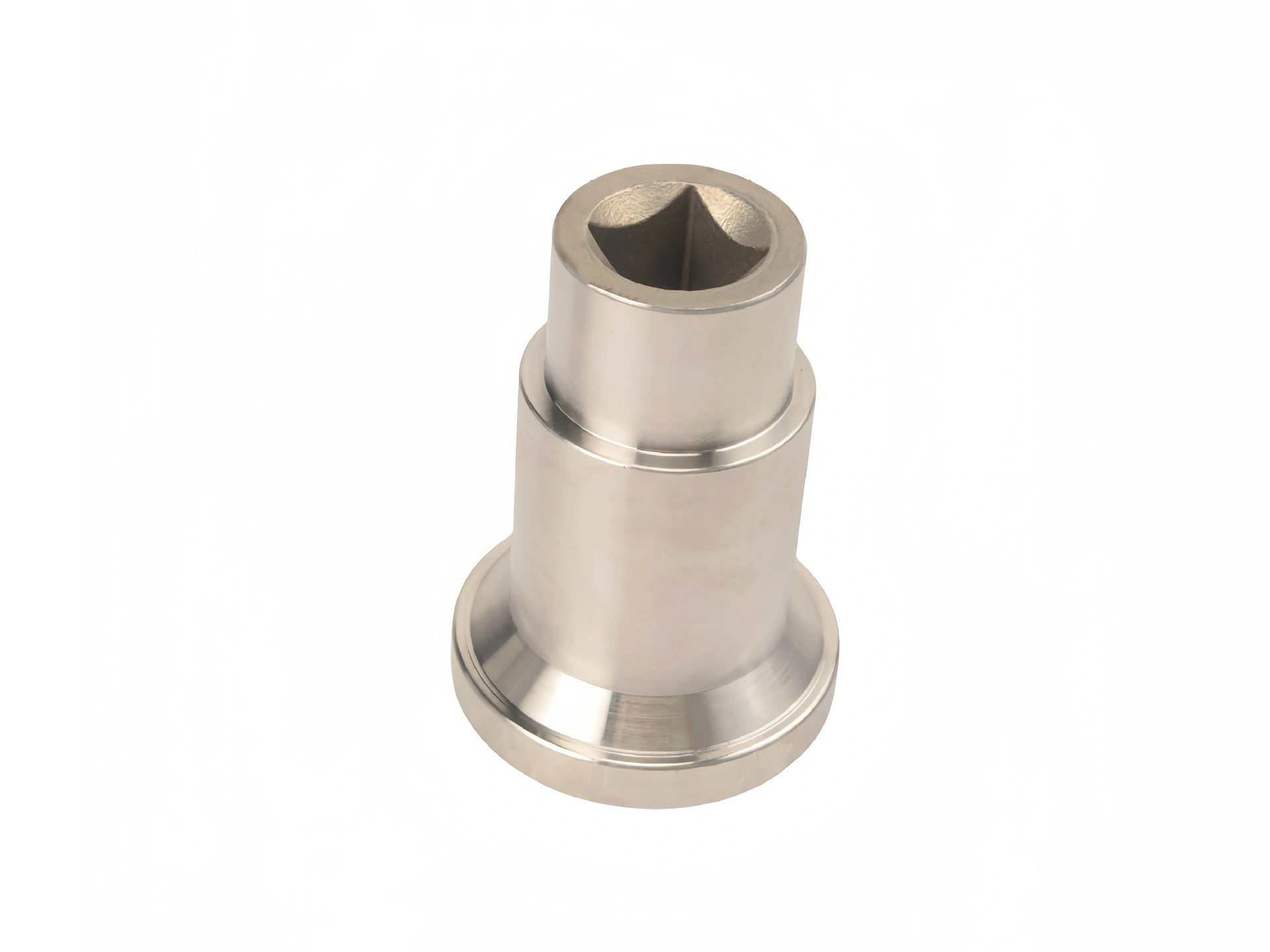
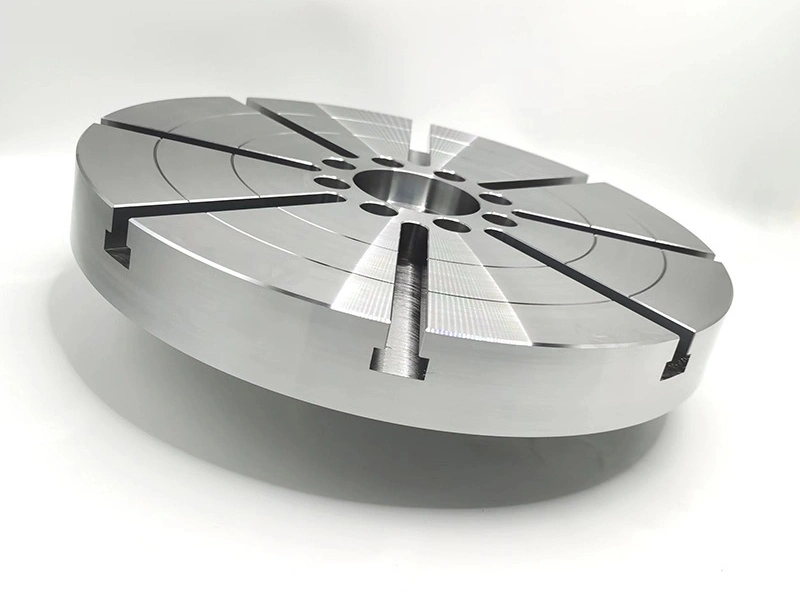
<p><a target="_blank" href="https://www.newaymachining.com/services/low-volume-manufacturing/faq-which-products-fit-a-low-volume-manufacturing-service-best"><img src="https://www.newaymachining.com/storage/attachments/2026/04/29/Which Products Fit a Low Volume Manufacturing Service Best.webp" width="1920" height="1440" loading="lazy"></a></p><h2 id="which-products-fit-a-low-volume-manufacturing-service-best?">Which Products Fit a Low Volume Manufacturing Service Best?</h2><p>Products fit a <a target="_blank" href="/services/low-volume-manufacturing">low volume manufacturing service</a> best when they need controlled repeat parts, but demand, design maturity, or route economics do not justify full-scale tooling and inventory. Strong candidates include pilot and bridge parts, specialized equipment components, replacement parts, custom fixtures, and trial components. A material or industry name alone does not establish suitability. Buyers must define the revision, functional interfaces, final material state, batch purpose, acceptance evidence, and decision after delivery.</p><p>The practical test is whether a limited batch reduces a named risk. A suitable product may need assembly evidence, field feedback, lot traceability, a verified restart, or supply while another route is prepared. A poor candidate still has unresolved safety or interface requirements, lacks measurable acceptance criteria, or uses a temporary route that cannot inform later production. Quantity should follow the test plan and demand.</p><h3 id="1.-custom-cnc-machined-parts-are-one-of-the-most-common-product-types-for-low-volume-manufacturing">1. Custom CNC Machined Parts Fit When Functional Features Are Controlled</h3><p>Custom parts made by <a target="_blank" href="/services/cnc-machining">CNC machining</a> fit when a released drawing identifies features that control fit, motion, sealing, load, or alignment. Housings, brackets, sleeves, shafts, plates, and connectors may suit limited batches because machining avoids dedicated forming tools. Suitability still depends on stock, access, setups, tolerance allocation, final processing, inspection, and recurring demand.</p><p>Map each critical feature to its datum, setup, finishing stage, and measurement. Thin walls can move after unclamping; heat treatment can shift a bore; coating can change a fit; tool wear can alter burrs. A useful batch records these effects and supports a hold, revision, repeat, or scale decision.</p><div class="i-typography-table-responsive"><table><tbody><tr><th colspan="1" rowspan="1"><p>Product condition</p></th><th colspan="1" rowspan="1"><p>Risk that makes a limited batch useful</p></th><th colspan="1" rowspan="1"><p>Evidence and buyer action</p></th></tr><tr><td colspan="1" rowspan="1"><p>Custom CNC machined parts</p></td><td colspan="1" rowspan="1"><p>Datum transfer or final processing changes functional relationships</p></td><td colspan="1" rowspan="1"><p>Review first-piece and batch results; approve or revise the route</p></td></tr><tr><td colspan="1" rowspan="1"><p>Aluminum housings</p></td><td colspan="1" rowspan="1"><p>Thin walls, bores, sealing faces, and finish interact</p></td><td colspan="1" rowspan="1"><p>Verify final geometry, surface condition, handling, and assembly</p></td></tr><tr><td colspan="1" rowspan="1"><p>Stainless steel brackets</p></td><td colspan="1" rowspan="1"><p>Forming, welding, machining, or treatment moves interfaces</p></td><td colspan="1" rowspan="1"><p>Specify grade and route; inspect after final processing</p></td></tr><tr><td colspan="1" rowspan="1"><p>Titanium components</p></td><td colspan="1" rowspan="1"><p>Material value, heat, tool wear, or traceability raises risk</p></td><td colspan="1" rowspan="1"><p>Control grade, lot, stock, tooling, and critical features</p></td></tr><tr><td colspan="1" rowspan="1"><p>Engineering plastic parts</p></td><td colspan="1" rowspan="1"><p>Moisture, temperature, stress, or clamping affects geometry</p></td><td colspan="1" rowspan="1"><p>Define conditioning and restraint; verify the specified state</p></td></tr></tbody></table></div><h3 id="2.-aluminum-housings-are-a-strong-fit-because-many-projects-need-lightweight-small-batch-parts-before-scale">2. Aluminum Housings Need Interface and Finish Evidence</h3><p><a target="_blank" href="/services/aluminum-cnc-machining">Aluminum CNC machining</a> can suit limited housing demand when alloy, temper, stock, geometry, and finish are specified. A housing may combine bearing bores, ports, mounting datums, sealing lands, and cosmetic surfaces. These require separate acceptance methods; appearance does not prove bore position, and machine capability does not prove part conformance.</p><p>Use the batch to check released geometry, assembly, thread protection, finishing buildup, masking, and handling. Do not select low volume solely because the part is aluminum. If demand and design justify another process, compare tooling, geometry limits, finish, and transfer validation.</p><h3 id="3.-stainless-steel-brackets-and-other-functional-support-parts-are-well-suited-because-quality-expectations-are-already-high">3. Stainless Steel Brackets Need a Representative Final Route</h3><p><a target="_blank" href="/services/stainless-steel-cnc-machining">Stainless steel CNC machining</a> may suit brackets and mounts with limited or irregular demand. Specify grade, condition, form, environment, and final treatment because "stainless steel" does not define corrosion behavior or machining response. Welding, heat, deburring, and passivation can affect geometry or surface condition.</p><p>Verify load interfaces, hole relationships, edge condition, and assembly after final processing. If a prototype used substitute stock, straightening, or unfinished surfaces, disclose those differences and revalidate affected results.</p><h3 id="4.-titanium-components-are-good-low-volume-candidates-because-they-are-often-high-value-parts-with-limited-early-demand">4. Titanium Components Need Material and Change Control</h3><p><a target="_blank" href="/services/titanium-cnc-machining">Titanium CNC machining</a> can fit specialized components with limited demand and high inventory or scrap exposure. Specify alloy, condition, stock, certification, surface requirements, and critical features. Titanium is not automatically suitable because a product is described as high performance.</p><p>A limited batch can expose tool-wear effects, heat control, thin-feature movement, burrs, cleanliness, and inspection access. Trace lots where required. If production changes stock, equipment, tooling, outside processing, or inspection, review and revalidate affected characteristics.</p><div class="i-typography-table-responsive"><table><tbody><tr><th colspan="1" rowspan="1"><p>Material route</p></th><th colspan="1" rowspan="1"><p>Conditions to define before release</p></th><th colspan="1" rowspan="1"><p>No-go or revalidation trigger</p></th></tr><tr><td colspan="1" rowspan="1"><p><a target="_blank" href="/services/aluminum-cnc-machining">Aluminum CNC machining</a></p></td><td colspan="1" rowspan="1"><p>Alloy, temper, stock, interfaces, and finish sequence</p></td><td colspan="1" rowspan="1"><p>Unspecified buildup or route change affecting final fit</p></td></tr><tr><td colspan="1" rowspan="1"><p><a target="_blank" href="/services/stainless-steel-cnc-machining">Stainless steel CNC machining</a></p></td><td colspan="1" rowspan="1"><p>Grade, form, heat history, environment, and final treatment</p></td><td colspan="1" rowspan="1"><p>Generic corrosion assumption or premature measurement</p></td></tr><tr><td colspan="1" rowspan="1"><p><a target="_blank" href="/services/titanium-cnc-machining">Titanium CNC machining</a></p></td><td colspan="1" rowspan="1"><p>Alloy, condition, traceability, allowance, and tool control</p></td><td colspan="1" rowspan="1"><p>Substitution or process change without feature review</p></td></tr><tr><td colspan="1" rowspan="1"><p><a target="_blank" href="/services/plastic-cnc-machining">Plastic CNC machining</a></p></td><td colspan="1" rowspan="1"><p>Grade, conditioning, temperature, restraint, and inspection state</p></td><td colspan="1" rowspan="1"><p>Acceptance under a condition different from use</p></td></tr></tbody></table></div><h3 id="5.-engineering-plastic-parts-are-strong-fits-when-buyers-need-functional-small-batch-components">5. Engineering Plastics Need a Defined Conditioning State</h3><p><a target="_blank" href="/services/plastic-cnc-machining">Plastic CNC machining</a> can support limited quantities of covers, insulators, guides, wear parts, and housings. Specify polymer grade, reinforcement, stock, conditioning, service environment, and acceptance state. Family names do not establish moisture response, thermal movement, wear, chemical compatibility, or electrical behavior.</p><p>Evaluate clamping release, creep-sensitive interfaces, thin sections, inserts, burrs, and assembly under relevant conditions. If required behavior depends on molded orientation or production material form, machined low-volume parts may not represent the future route.</p><h3 id="6.-automation-fixtures,-industrial-equipment-replacement-parts,-and-medical-device-trial-components-are-very-typical-low-volume-products">6. Fixtures, Replacement Parts, and Trial Components Need Different Controls</h3><p>Automation fixtures fit when a cell or variant needs project-specific tooling. Replacement parts fit when demand is irregular and interfaces come from controlled drawings or verified samples. Medical-product trial components may fit a limited build, but manufacturing does not establish regulatory approval, biocompatibility, sterilization suitability, or clinical performance.</p><p>Define the failure consequence and evidence owner. A fixture may need gauge correlation; a replacement part may need configuration review; a trial component may need traceability and an approved protocol. Stop if requirements or deviation authority are unclear.</p><h3 id="7.-pilot-production-parts-and-bridge-production-parts-are-natural-matches-because-the-project-is-between-validation-and-scale">7. Pilot and Bridge Parts Must Expose Route Differences</h3><p>Pilot and bridge parts suit a <a target="_blank" href="/services/low-volume-manufacturing">low volume manufacturing service</a> when they represent a controlled configuration and support a release decision. Pilot parts test product and route assumptions. Bridge parts supply demand while another route is prepared. Neither should hide differences in tooling, machine, supplier, stock, sequence, final processing, or inspection.</p><p>List temporary and future routes in the RFQ. Identify affected characteristics and required transfer evidence. Successful bridge delivery qualifies only its documented route and conditions, not the later production process.</p><h3 id="8.-the-best-low-volume-products-usually-share-two-key-characteristics">8. Suitable Products Combine Repeat Need with Unresolved Scale Economics</h3><p>The best candidates need repeat, real-use parts under controlled requirements, while demand or process maturity remains insufficient for full-scale investment. They also have measurable acceptance criteria and a batch purpose. Product value, material, or industry does not replace these conditions.</p><p>Avoid release when design is routinely changing, interfaces are undefined, final processing is unknown, or the temporary route cannot represent the decision. Use another prototype, process trial, or manufacturing method when it answers the question more directly.</p><h3 id="9.-summary">9. Submit Product Conditions, Not Just a Product Name</h3><p>Machined parts, housings, brackets, titanium or plastic components, fixtures, replacements, and pilot or bridge assemblies may fit a <a target="_blank" href="/services/low-volume-manufacturing">low volume manufacturing service</a>. Suitability comes from controlled requirements, limited or uncertain demand, a useful repeat-build question, and an acceptance plan. No category is automatically suitable.</p><p>Provide revision, quantity purpose, functional features, final material state, lots, outside processes, inspection, traceability, and change authority. Match <a target="_blank" href="/services/cnc-machining">CNC machining</a> and the existing <a target="_blank" href="/services/aluminum-cnc-machining">aluminum CNC machining</a>, <a target="_blank" href="/services/stainless-steel-cnc-machining">stainless steel CNC machining</a>, <a target="_blank" href="/services/titanium-cnc-machining">titanium CNC machining</a>, and <a target="_blank" href="/services/plastic-cnc-machining">plastic CNC machining</a> routes to those conditions. Release only when the evidence supports a hold, repeat, maintain, or scale decision.</p>