When Should Buyers Use a Low Volume Manufacturing Service?
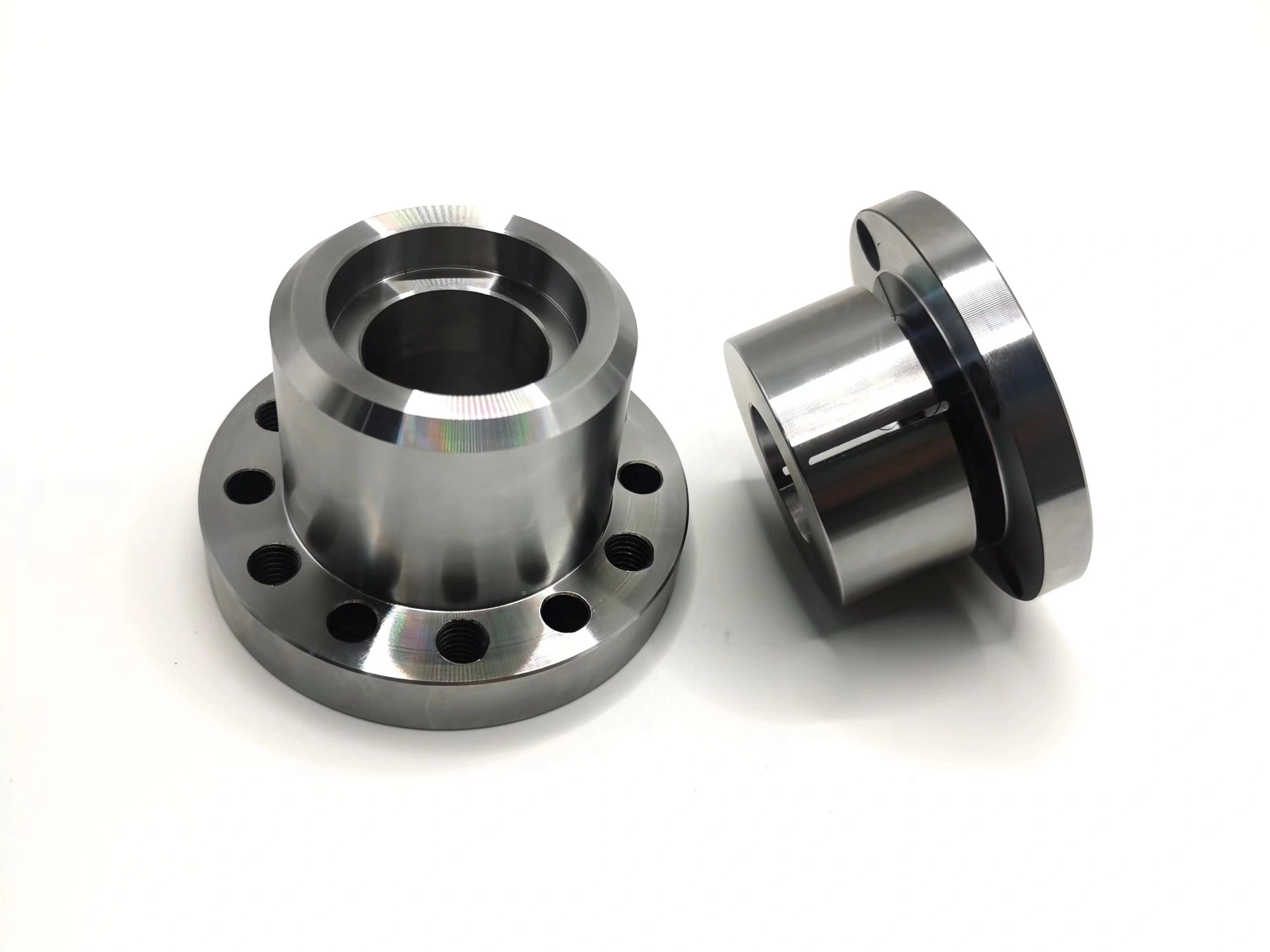
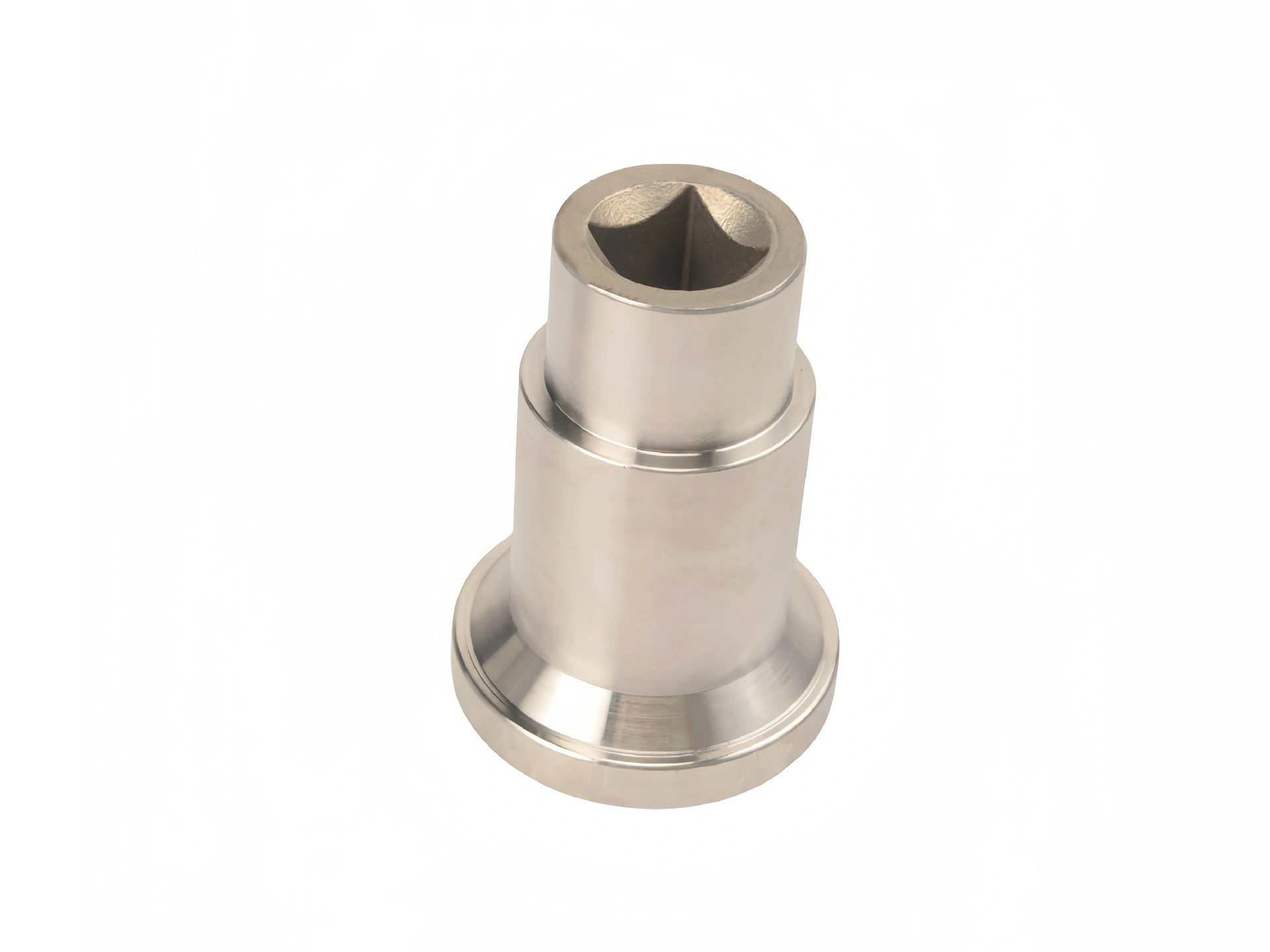
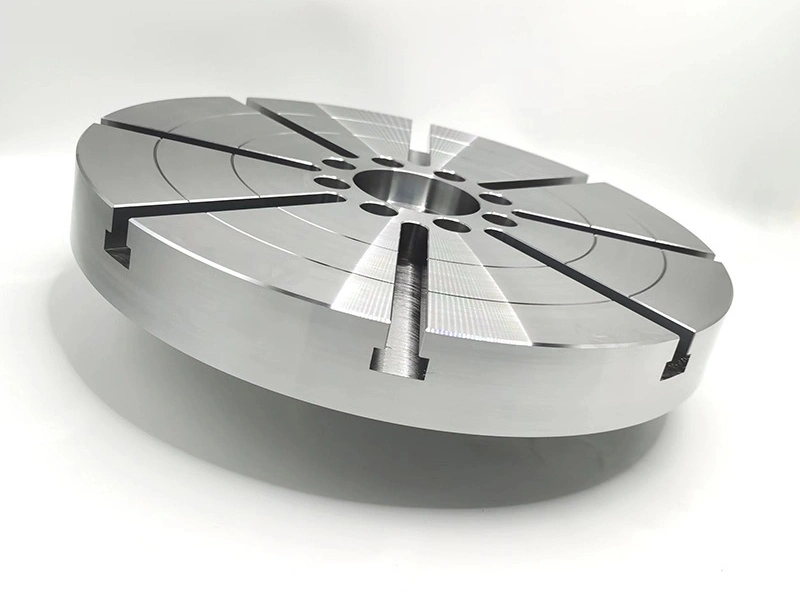
<p><a target="_blank" href="https://www.newaymachining.com/services/low-volume-manufacturing/faq-when-should-buyers-use-a-low-volume-manufacturing-service"><img src="https://www.newaymachining.com/storage/attachments/2026/04/29/When Should Buyers Use a Low Volume Manufacturing Service.webp" width="800" height="600" loading="lazy"></a></p><h2 id="when-should-buyers-use-a-low-volume-manufacturing-service?">When Should Buyers Use a Low Volume Manufacturing Service?</h2><p>Buyers should use a <a target="_blank" href="/services/low-volume-manufacturing">low volume manufacturing service</a> after a controlled design is ready for repeat builds, but before demand and the production route justify full-scale investment. The stage is useful when a <a target="_blank" href="/services/prototyping">prototyping service</a> has answered basic fit and function questions, yet the team still needs batch evidence for assembly, process stability, field use, inspection, or supply planning. It is not a universal quantity range. Release it only with a written batch purpose, acceptance criteria, and owner for the next decision toward <a target="_blank" href="/services/mass-production">mass production</a>.</p><p>The batch should reduce a named uncertainty that another prototype cannot resolve efficiently. It may confirm repeat assembly, distortion after final processing, inspection access, a market trial, or bridge supply. A successful batch supports only its tested revision, material condition, process route, and acceptance plan. It does not prove unlimited capacity, later design changes, or every future production condition.</p><h3 id="1.-low-volume-manufacturing-fills-the-gap-between-prototyping-and-mass-production">1. Use Low-Volume Manufacturing at a Controlled Transition</h3><p>The transition between a <a target="_blank" href="/services/prototyping">prototyping service</a> and <a target="_blank" href="/services/mass-production">mass production</a> should be defined by evidence, not a fixed part count. Prototype work explores design choices. A low-volume release uses a controlled revision and repeatable route to test batch behavior. Mass production begins when design, demand, tooling, controls, and acceptance responsibilities are stable enough for the planned scale.</p><p>Ask what the batch will prove and what decision follows it. If the answer is only "make more samples," another focused prototype loop may be clearer. A batch that confirms a released assembly, final material state, inspection plan, or delivery cadence under defined conditions has a measurable low-volume purpose.</p><div class="i-typography-table-responsive"><table><tbody><tr><th colspan="1" rowspan="1"><p>Manufacturing stage</p></th><th colspan="1" rowspan="1"><p>Release condition</p></th><th colspan="1" rowspan="1"><p>Evidence needed before moving on</p></th></tr><tr><td colspan="1" rowspan="1"><p><a target="_blank" href="/services/prototyping">Prototyping service</a></p></td><td colspan="1" rowspan="1"><p>Open design questions still require fast physical learning</p></td><td colspan="1" rowspan="1"><p>Documented fit, function, failure observations, and revision decisions</p></td></tr><tr><td colspan="1" rowspan="1"><p><a target="_blank" href="/services/low-volume-manufacturing">Low volume manufacturing service</a></p></td><td colspan="1" rowspan="1"><p>A controlled revision needs repeat-build or market evidence before scale</p></td><td colspan="1" rowspan="1"><p>Batch results tied to route, lot, inspection, assembly, and approved changes</p></td></tr><tr><td colspan="1" rowspan="1"><p><a target="_blank" href="/services/mass-production">Mass production</a></p></td><td colspan="1" rowspan="1"><p>Demand and process maturity justify production tooling and controls</p></td><td colspan="1" rowspan="1"><p>Approved capacity, quality plan, change control, traceability, and release criteria</p></td></tr></tbody></table></div><h3 id="2.-buyers-should-use-it-after-initial-prototype-validation-is-finished">2. Enter the Stage Only After the Required Baseline Is Controlled</h3><p>Before releasing a <a target="_blank" href="/services/low-volume-manufacturing">low volume manufacturing service</a> order, freeze the inputs needed to interpret its results: drawing and CAD revision, material grade and condition, approved substitutions, final treatment, critical features, inspection method, quantity, and deviation authority. "Prototype approved" is insufficient when the sample used temporary fixtures, manual rework, or a measurement method that will not continue.</p><p>Remaining changes should be controlled exceptions rather than routine exploration. If an interface dimension, material, or load requirement is open, isolate it first; a mixed batch can conceal the cause of an assembly result. Record the baseline in the RFQ and require disclosure of proposed route differences.</p><h3 id="3.-it-is-the-right-choice-when-the-project-is-not-ready-for-direct-mass-production">3. Use It When Direct Scale Would Create Uncontrolled Risk</h3><p>Moving directly into <a target="_blank" href="/services/mass-production">mass production</a> is premature when demand is uncertain, tooling cannot be justified, or the final route lacks repeat evidence. A controlled batch can test fixture location, heat-treatment movement, coating buildup on a fit, tool-wear effects on burrs, or the inspection time needed for functional features while limiting inventory exposure.</p><p>Low volume is not a remedy for an undefined product or missing safety and acceptance requirements. It is also a poor bridge when the temporary route differs so much from production that results cannot inform scale-up. Use a representative process trial or revise the validation plan instead.</p><h3 id="4.-it-is-ideal-when-buyers-need-dozens-or-hundreds-of-parts-for-real-testing">4. Set Quantity from the Evidence Required, Not a Generic Range</h3><p>The right quantity follows from the validation objective, expected variation, destructive tests, assembly opportunities, demand window, and setup economics. A complex assembly may need several lots or build events. A specialized replacement program may need only committed demand. "Dozens or hundreds" describes some projects, but it is not an engineering boundary without these conditions.</p><p>Allocate parts to tests, trials, delivery, retention, and destructive evaluation. Record material lot, setup, and process batch because repeated parts may represent only one condition. If the decision requires lot-to-lot evidence, plan distinguishable controlled builds.</p><div class="i-typography-table-responsive"><table><tbody><tr><th colspan="1" rowspan="1"><p>Buyer situation</p></th><th colspan="1" rowspan="1"><p>Failure risk to test</p></th><th colspan="1" rowspan="1"><p>Release evidence and action</p></th></tr><tr><td colspan="1" rowspan="1"><p>Assembly verification</p></td><td colspan="1" rowspan="1"><p>Datum or fit variation causes adjustment, interference, or unstable alignment</p></td><td colspan="1" rowspan="1"><p>Record feature results and assembly outcomes; approve or revise the baseline</p></td></tr><tr><td colspan="1" rowspan="1"><p>Field or customer trial</p></td><td colspan="1" rowspan="1"><p>Use conditions reveal failure not represented by bench testing</p></td><td colspan="1" rowspan="1"><p>Trace each unit to revision and lot; define feedback and containment rules</p></td></tr><tr><td colspan="1" rowspan="1"><p>Bridge supply</p></td><td colspan="1" rowspan="1"><p>Temporary tooling or inspection differs from the future production route</p></td><td colspan="1" rowspan="1"><p>Document route differences and revalidate affected characteristics at transfer</p></td></tr><tr><td colspan="1" rowspan="1"><p>Recurring specialized demand</p></td><td colspan="1" rowspan="1"><p>Infrequent releases lose setup knowledge or accept undocumented changes</p></td><td colspan="1" rowspan="1"><p>Control setup records, revision, material, inspection, and restart approval</p></td></tr></tbody></table></div><h3 id="5.-it-is-useful-for-pilot-runs,-bridge-production,-and-short-run-custom-parts-production">5. Match Pilot, Bridge, and Short-Run Orders to Different Decisions</h3><p>A <a target="_blank" href="/services/low-volume-manufacturing">low volume manufacturing service</a> can support pilot, bridge, or recurring short-run orders, but each serves a different decision. A pilot tests a controlled product and route; bridge production supplies demand while another route is prepared; recurring short runs may be the intended model for specialized or variable demand.</p><p>State the order type in the RFQ. For bridge work, identify characteristics requiring revalidation after route changes. For a pilot, define pass, hold, and corrective-action criteria. For recurring runs, control restart setup, tooling, revisions, material, inspection frequency, and obsolescence.</p><h3 id="6.-it-helps-buyers-verify-materials,-processes,-inspection-standards,-and-supplier-delivery-capability">6. Define What the Batch Must Prove and What It Cannot Prove</h3><p>A low-volume batch can verify defined material, process, and inspection assumptions when records preserve the relevant conditions. For a heat-treated thin-wall housing, useful evidence may include material heat, thermal-process lot, unclamped movement, final datum setup, bore-to-face relationship, and measurement method. Without those records, conforming dimensions reveal less about repeatability.</p><p>Request evidence proportional to functional risk: specified material certification, first-piece results, critical-characteristic records, deviations, and outside-process identification. One batch proves only its actual release conditions. Before scale-up, separately review capacity, alternate equipment, supplier changes, inspection resources, and the reaction plan for drift.</p><h3 id="7.-summary">7. Make a Written Hold, Repeat, or Scale Decision</h3><p>A <a target="_blank" href="/services/low-volume-manufacturing">low volume manufacturing service</a> is appropriate when a <a target="_blank" href="/services/prototyping">prototyping service</a> has closed the questions required for a controlled batch, but <a target="_blank" href="/services/mass-production">mass production</a> would still commit inventory, tooling, or capacity too early. The batch should answer a named engineering, supply, or market question under a released revision. Quantity follows from the evidence needed.</p><p>Close the stage with a documented decision: hold and correct the design or route, repeat a controlled batch, maintain low-volume supply, or authorize scale-up. Record revision, material and final state, route, lots, inspection results, failures, approved deviations, and open risks. This turns low-volume manufacturing into a decision gate rather than an undefined pause.</p>