How Suppliers Control Cost and Quality in Low Volume Manufacturing
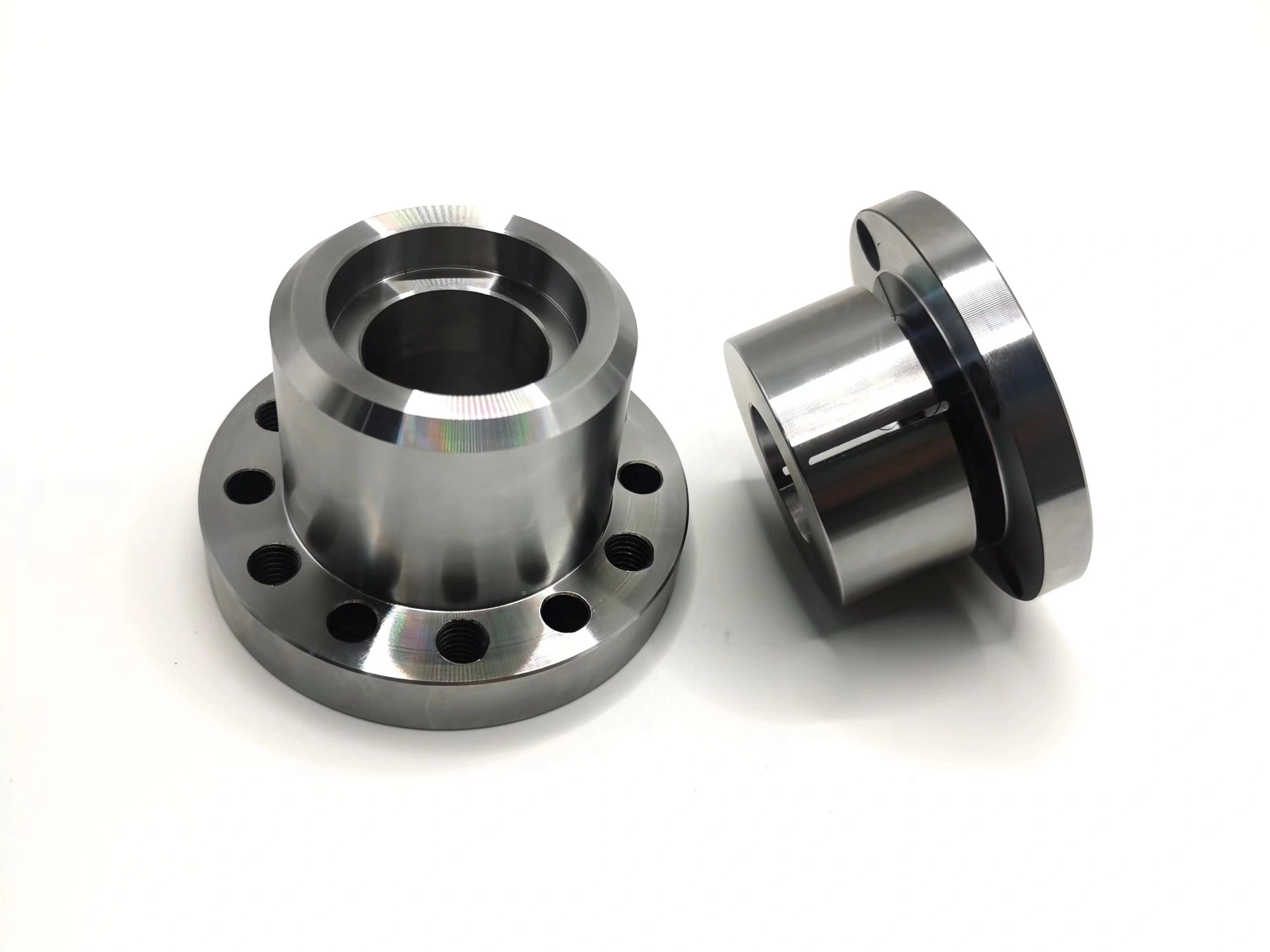
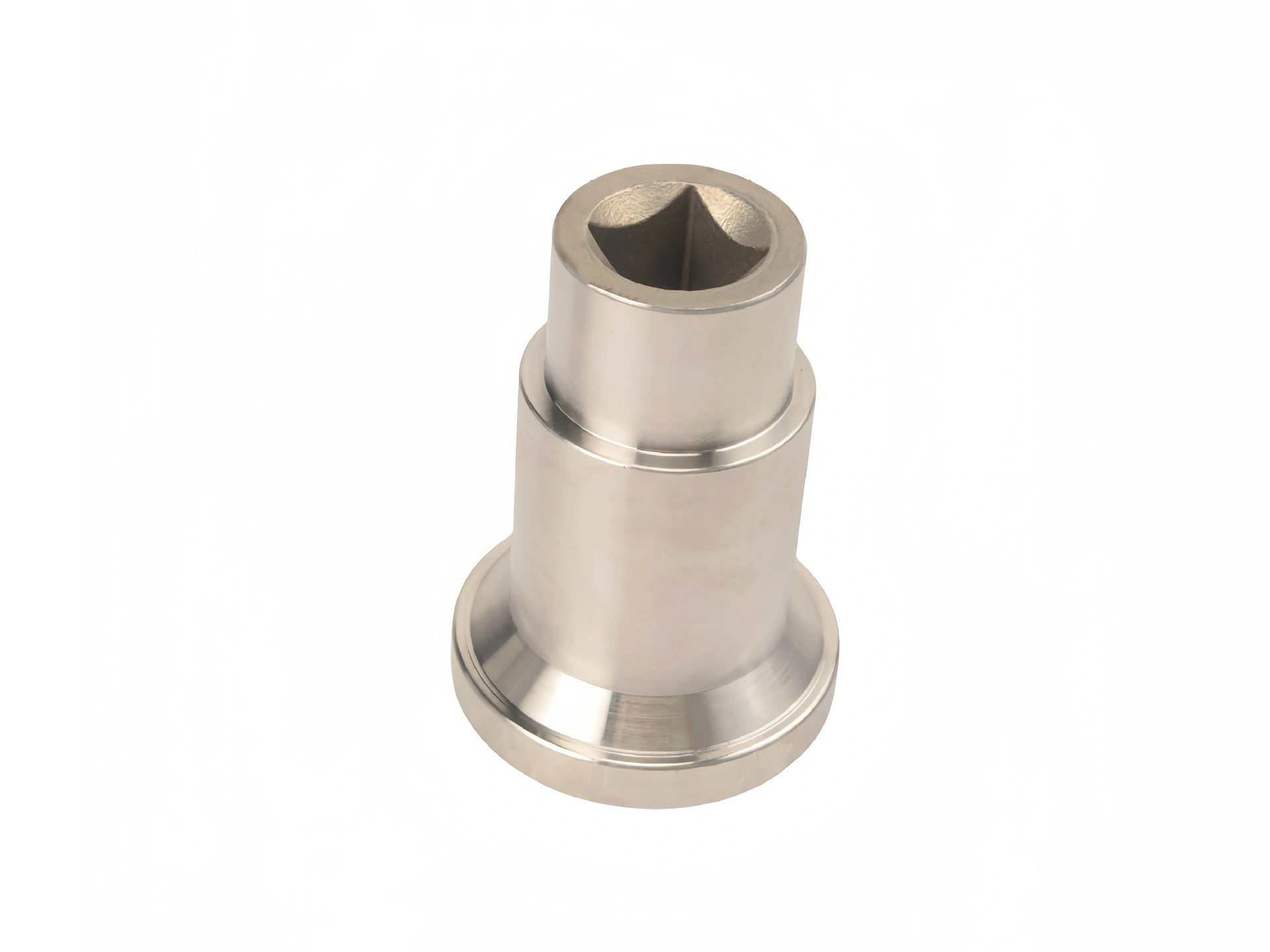
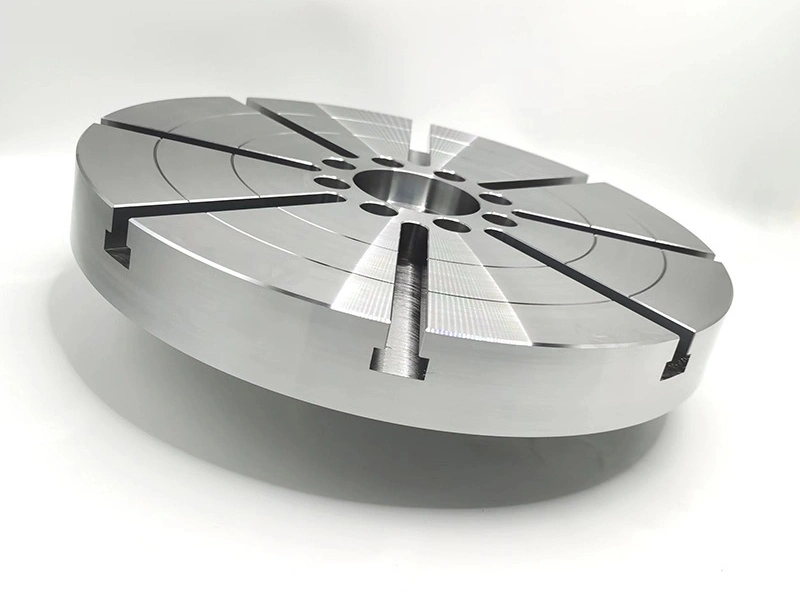
<p><a target="_blank" href="https://www.newaymachining.com/services/low-volume-manufacturing/faq-how-suppliers-control-cost-and-quality-in-low-volume-manufacturing"><img src="https://www.newaymachining.com/storage/attachments/2026/04/29/How Suppliers Control Cost and Quality in Low Volume Manufacturing.webp" width="1920" height="1440" loading="lazy"></a></p><h2 id="how-suppliers-control-cost-and-quality-in-low-volume-manufacturing">How Suppliers Control Cost and Quality in Low Volume Manufacturing</h2><p>Suppliers control cost and quality in <a target="_blank" href="/services/low-volume-manufacturing">low volume manufacturing</a> by defining the functional requirements first, then matching stock, setups, tooling, fixtures, process sequence, inspection, and outside processing to the batch purpose. Cost includes one-time engineering and recurring material, cycle, inspection, finishing, and nonconformance exposure. Quality means the specified features conform in their final state under agreed acceptance rules. A low unit quote is not equivalent to low delivered cost when requirements or included evidence differ.</p><p>The buyer should compare a documented route rather than a machine list. For <a target="_blank" href="/services/cnc-machining">CNC machining</a> and <a target="_blank" href="/services/precision-machining">precision machining</a>, ask which features drive setups, finishing, measurement, and risk. Require the supplier to state quantity assumptions, included reports, change authority, and the response to drift. This links each cost reduction to an approved control instead of silently weakening the product requirement.</p><h3 id="1.-dfm-review-is-the-first-step-because-cost-problems-often-start-before-machining">1. DFM Review Separates Functional Requirements from Avoidable Cost</h3><p>DFM review should identify the function of tight tolerances, thin walls, deep features, corner radii, surface requirements, and datum relationships. The supplier may propose a wider tolerance, different stock, accessible radius, or revised inspection method, but the buyer must approve any requirement change. DFM does not authorize the supplier to reinterpret a drawing for convenience.</p><p>Record each proposal with its affected interface, cost mechanism, risk, and validation action. A tolerance change may reduce finishing and inspection effort but alter assembly variation. A stock change may reduce removal yet introduce another material condition. Compare alternatives on total delivered requirements, not only machining minutes.</p><div class="i-typography-table-responsive"><table><tbody><tr><th colspan="1" rowspan="1"><p>Control area</p></th><th colspan="1" rowspan="1"><p>Cost or quality risk</p></th><th colspan="1" rowspan="1"><p>Evidence and decision</p></th></tr><tr><td colspan="1" rowspan="1"><p>DFM review</p></td><td colspan="1" rowspan="1"><p>Nonfunctional restrictions add setups, tools, or inspection</p></td><td colspan="1" rowspan="1"><p>Approve only changes that preserve documented function</p></td></tr><tr><td colspan="1" rowspan="1"><p>Process route</p></td><td colspan="1" rowspan="1"><p>Poor sequence moves datums or exposes finished features</p></td><td colspan="1" rowspan="1"><p>Review setup, final-state sequence, and in-process checks</p></td></tr><tr><td colspan="1" rowspan="1"><p>Material utilization</p></td><td colspan="1" rowspan="1"><p>Excess stock raises cost; insufficient allowance threatens finish</p></td><td colspan="1" rowspan="1"><p>Confirm grade, form, allowance, traceability, and nesting</p></td></tr><tr><td colspan="1" rowspan="1"><p>Fixture strategy</p></td><td colspan="1" rowspan="1"><p>Low investment can increase setup variation or distortion</p></td><td colspan="1" rowspan="1"><p>Validate location, clamp sequence, release, and restart</p></td></tr><tr><td colspan="1" rowspan="1"><p>Inspection planning</p></td><td colspan="1" rowspan="1"><p>Overchecking wastes cost; underchecking misses functional drift</p></td><td colspan="1" rowspan="1"><p>Assign method and frequency by characteristic risk</p></td></tr></tbody></table></div><h3 id="2.-a-reasonable-process-route-controls-both-machining-cost-and-part-stability">2. Process Sequence Must Protect Final Functional Relationships</h3><p>The route should establish datums, roughing, stress-producing operations, finishing, deburring, treatment, and inspection in an order that preserves required relationships. Features sharing a functional datum may benefit from one setup, while heat treatment or coating may require allowance and final finishing. Measuring before the last distortion-producing step does not establish final conformance.</p><p>Buyers should ask where work-in-process is accepted and which result releases the next operation. A first-off check can prevent a full-batch error, while an in-process trend can trigger tool change before nonconformance. The reaction plan should define hold, segregation, correction, and deviation authority.</p><h3 id="3.-material-utilization-and-setup-count-have-a-major-effect-on-low-volume-cost">3. Stock and Setup Decisions Need Quantity-Specific Economics</h3><p>Material form, blank size, allowance, and setup count strongly affect limited batches because their engineering cost is spread across fewer parts. Reducing stock can save material but leave insufficient allowance for distortion or finish. Combining setups can reduce handling but create access, clamping, or inspection problems. The lowest theoretical setup count is not automatically the lowest-risk route.</p><p>Request separate one-time and recurring costs at the quoted quantity. Identify fixture ownership, reuse assumptions, setup qualification, scrap allowance, and restart conditions. If future releases can reuse a controlled fixture and program, state storage, maintenance, and revision responsibilities.</p><h3 id="4.-tool-paths,-standard-fixtures,-and-soft-tooling-help-control-cost-without-lowering-quality">4. Tool Paths and Soft Fixtures Require Defined Limits</h3><p>Efficient tool paths can reduce air cutting, tool changes, and cycle time, but feeds or engagement must remain suitable for material, geometry, rigidity, and finish. Standard fixtures and soft jaws may reduce one-time cost when they locate functional datums repeatably. Their value must be verified after clamp release and setup restart.</p><p><a target="_blank" href="/services/precision-machining">precision machining</a> control should include program revision, tool identification, wear or change criteria, offsets, and first-off approval where risk requires it. If an optimization changes force, heat, sequence, or datum transfer, review affected characteristics rather than assuming equivalent output.</p><div class="i-typography-table-responsive"><table><tbody><tr><th colspan="1" rowspan="1"><p>Cost driver</p></th><th colspan="1" rowspan="1"><p>Failure mode</p></th><th colspan="1" rowspan="1"><p>Control and buyer check</p></th></tr><tr><td colspan="1" rowspan="1"><p>Raw material</p></td><td colspan="1" rowspan="1"><p>Wrong state or poor allowance causes movement or scrap</p></td><td colspan="1" rowspan="1"><p>Verify specification, lot, stock form, and allowance</p></td></tr><tr><td colspan="1" rowspan="1"><p>Setup count</p></td><td colspan="1" rowspan="1"><p>Repeated datuming shifts functional relationships</p></td><td colspan="1" rowspan="1"><p>Review datum transfer and inspect affected geometry</p></td></tr><tr><td colspan="1" rowspan="1"><p>Tool strategy</p></td><td colspan="1" rowspan="1"><p>Wear changes size, finish, burrs, or cutting force</p></td><td colspan="1" rowspan="1"><p>Define tool-life reaction and verify critical features</p></td></tr><tr><td colspan="1" rowspan="1"><p>Inspection scope</p></td><td colspan="1" rowspan="1"><p>Method or frequency does not detect relevant drift</p></td><td colspan="1" rowspan="1"><p>Match datum, method, frequency, and records to risk</p></td></tr><tr><td colspan="1" rowspan="1"><p>Rework and scrap</p></td><td colspan="1" rowspan="1"><p>Undocumented correction hides route instability</p></td><td colspan="1" rowspan="1"><p>Require segregation, disposition, approval, and traceability</p></td></tr></tbody></table></div><h3 id="5.-first-article-and-batch-inspection-prove-that-low-volume-does-not-mean-low-quality">5. First-Piece and Batch Evidence Serve Different Purposes</h3><p>A first-piece inspection checks whether the current setup, program, material, and measurement plan can produce an acceptable result. It does not prove the entire batch is stable. Batch controls should address characteristics susceptible to tool wear, temperature, fixture reload, material variation, or outside processing. Frequency should reflect risk, process knowledge, and the consequence of escape.</p><p>Define the drawing revision, characteristics, methods, sampling, report format, and acceptance rule before production. If a nonconformance occurs, identify the last verified point and affected population. Sorting or rework must be authorized and traceable.</p><h3 id="6.-cmm,-thread-gauges,-pin-gauges,-and-roughness-checks-are-used-because-different-features-need-different-verification-methods">6. Measurement Methods Must Match the Characteristic</h3><p>A CMM can evaluate specified geometric relationships when datum simulation, access, strategy, and uncertainty are suitable. Thread and pin gauges provide functional or limit checks for their defined features. Roughness instruments measure specified texture parameters under an agreed method; they do not prove flatness, sealing performance, or cosmetic acceptance by themselves.</p><p>Ask how each critical result is obtained and correlated across stages. Device resolution is not finished-part accuracy. Measurement environment, restraint, final surface state, and operator method can change the result and must be controlled where relevant.</p><h3 id="7.-surface-treatment-consistency-must-also-be-controlled-because-quality-does-not-end-after-machining">7. Outside Finishing Must Be Included in Final-State Control</h3><p>Surface treatment can add buildup, remove material, mask features, alter edges, or create cosmetic variation. The route should define pretreatment, masking, rack or contact areas, finish specification, protected threads and fits, and the characteristics rechecked afterward. Dimensional acceptance before treatment is insufficient when treatment can change the requirement.</p><p>A coordinated <a target="_blank" href="/services/one-stop-service">one-stop service</a> should still identify outside-process responsibility, lot traceability, transport protection, inspection, and nonconformance ownership. Coordination is useful only when these controls are documented.</p><h3 id="8.-the-best-suppliers-control-total-project-cost,-not-only-piece-price">8. Compare Total Delivered Cost on a Common Scope</h3><p>Total cost includes engineering, fixtures, stock, cycle, inspection, finishing, records, packaging, rework, scrap, delay, and change management. Compare quotes using the same drawing revision, quantity profile, material condition, final state, documentation, and delivery assumptions. An omitted report or post-treatment check is a scope difference, not an efficiency.</p><p>Require cost-reduction proposals to name the affected control and evidence. Approve a change only when product function and acceptance remain protected. This makes cost and quality compatible instead of trading an invisible risk for a visible unit-price reduction.</p><h3 id="9.-summary">9. Request the Route, Evidence, and Reaction Plan</h3><p>Suppliers control cost and quality in <a target="_blank" href="/services/low-volume-manufacturing">low volume manufacturing</a> through approved DFM, stock, setup, tools, first-piece and batch evidence, final-state inspection, and traceable nonconformance handling. Controls must fit the order, not a generic capability statement.</p><p>For RFQ comparison, ask for the route, one-time and recurring costs, critical-feature controls, sampling, included records, outside-process responsibility, and change authority. Use the existing <a target="_blank" href="/services/cnc-machining">CNC machining</a>, <a target="_blank" href="/services/precision-machining">precision machining</a>, and <a target="_blank" href="/services/one-stop-service">one-stop service</a> links to clarify scope, then award only after every quote represents the same final deliverable.</p>