What Is Low Volume Production for Custom CNC Parts?
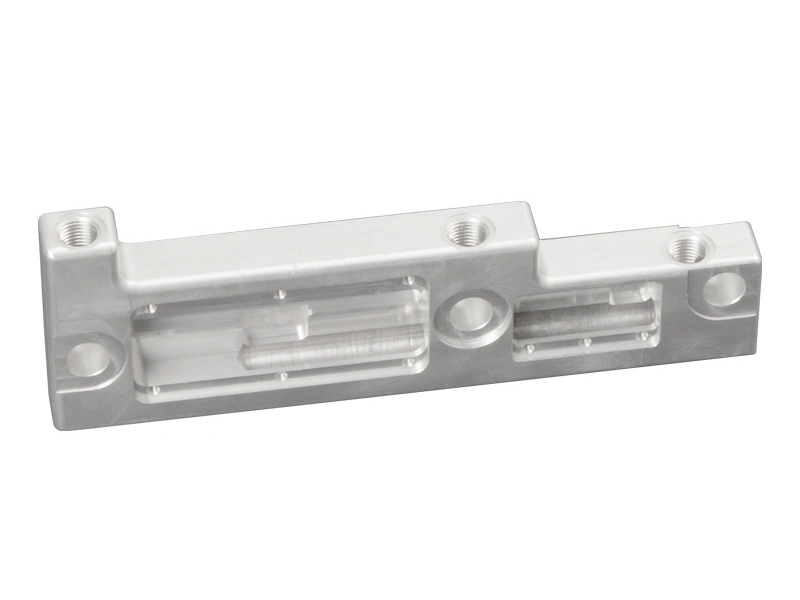
What Is Low Volume Production for Custom CNC Parts?
Low volume production for custom CNC parts is controlled, repeatable manufacture of a limited batch of functional parts after the design has moved beyond one-off prototyping. It is defined by a released revision, repeatable setups, specified materials, critical-to-quality features, and an agreed inspection plan, not by one universal quantity range. Buyers should use the stage to obtain usable parts while proving that the process and acceptance evidence remain stable across the batch.
A low-volume order may support assembly trials, regulatory or field validation, bridge supply, replacement demand, or limited sales. Quantity alone does not make the order production-ready. The drawing revision, material condition, datum scheme, surface-treatment requirements, sampling or inspection rules, and nonconformance process must be clear enough to reproduce and accept each delivery. If these inputs are still changing from part to part, the work remains closer to development prototyping.
1. Low Volume Production Sits Between Prototyping and Mass Production
The easiest way to distinguish the stages is by the question each one must answer. Prototyping asks whether the design can satisfy fit and function, while low-volume production asks whether a released design can be repeated under controlled batch conditions. Mass production adds a further question: whether the process, capacity, supply chain, and economics can sustain the forecast rate.
The release point is therefore evidence-based rather than a fixed part count. A buyer can enter low-volume production when functional risks are understood, critical characteristics are identified, and manufacturing changes are controlled. A batch should stay in this stage when demand, revision maturity, tooling economics, or long-term capacity still needs evidence before a larger commitment.
Stage | Decision the Stage Must Support | Evidence Needed Before Release |
|---|---|---|
Confirm geometry, fit, function, and material direction | Test results, open design changes, and a documented revision decision | |
Confirm repeatable manufacture and acceptance of a limited functional batch | Released revision, controlled process, feature-level inspection, and lot records | |
Mass production | Confirm sustainable rate, capacity, supply, and unit economics | Stable demand, capable process, production controls, and capacity evidence |
2. It Helps Buyers Make Real Functional Parts, Not Just Samples
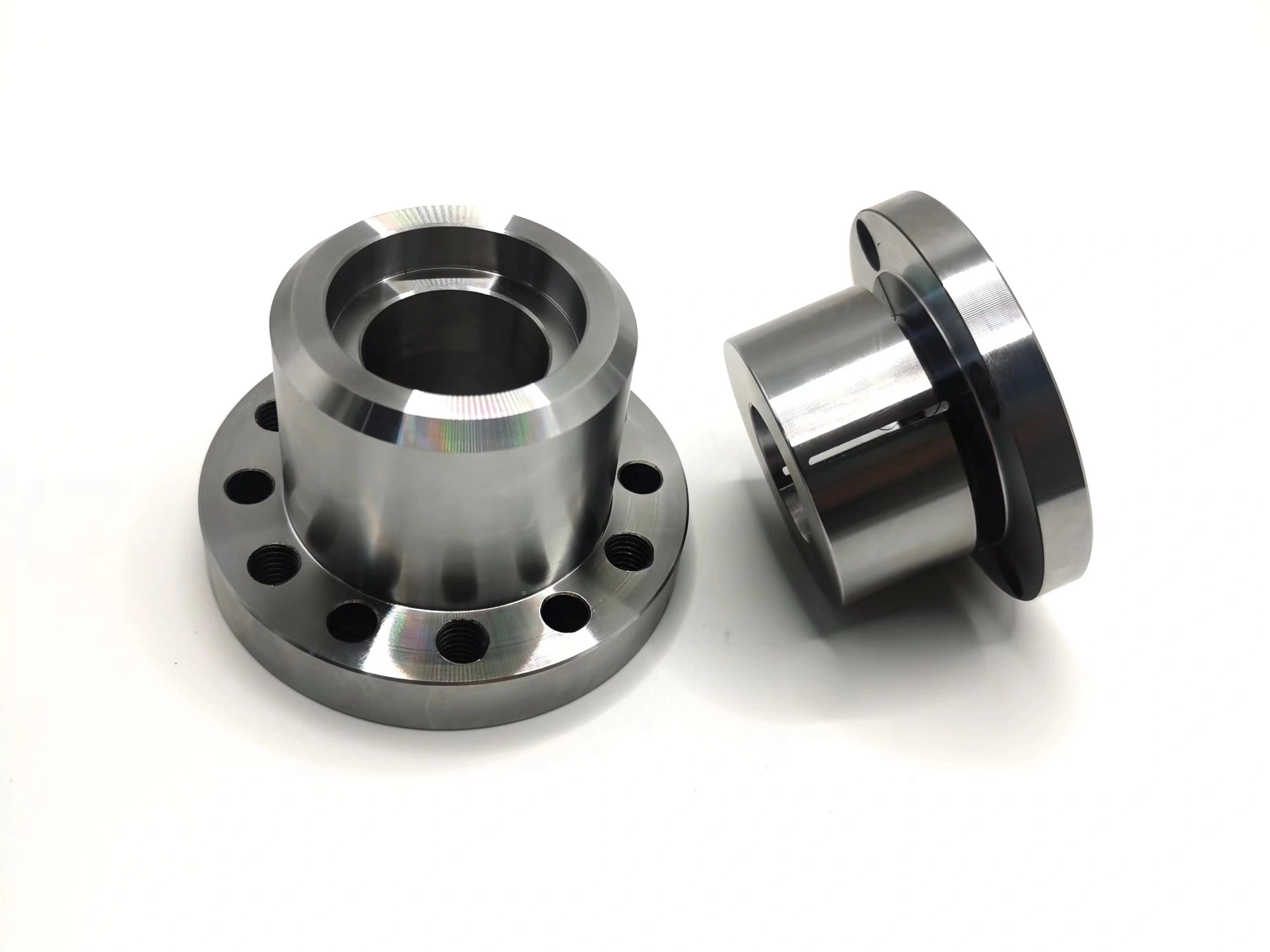
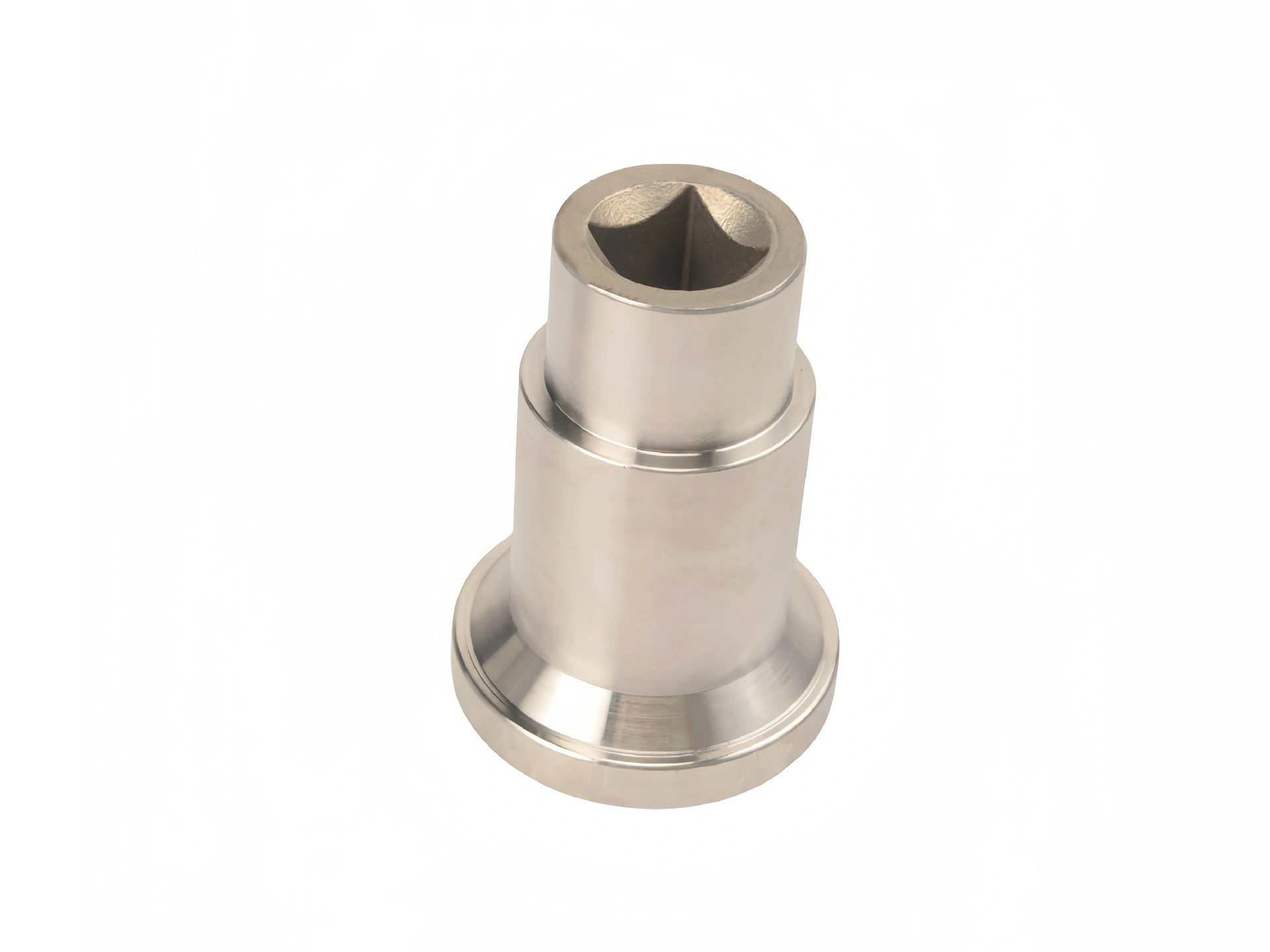
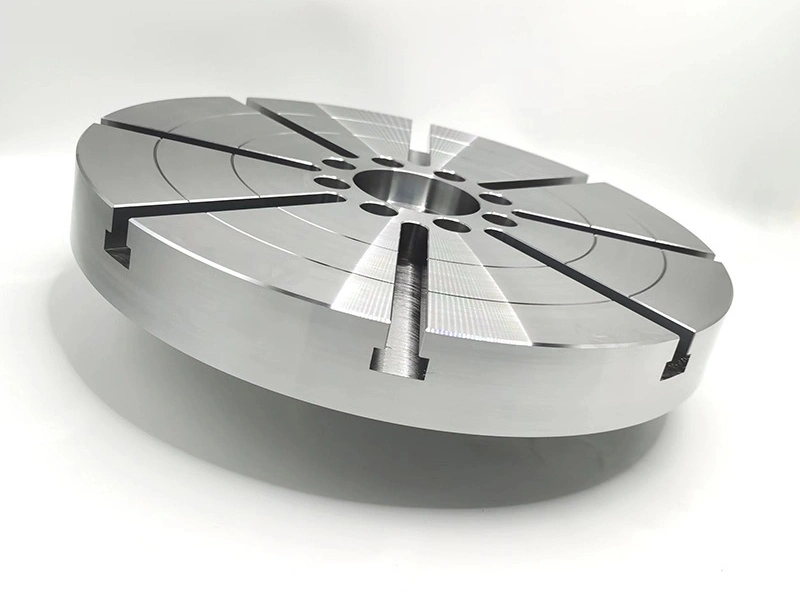
Low-volume parts are normally released for an intended use, so they must satisfy the applicable drawing, material, finish, and acceptance requirements rather than merely demonstrate a concept. That distinction changes the supplier's work. Revision control, material traceability where specified, setup approval, tool-life control, in-process checks, final inspection, and segregation of nonconforming parts become part of the delivery logic.
Consider an engineering scenario, not a Neway customer result: a buyer orders 120 machined 6061-T6 housings for an assembly trial. The functional risk is a mounting-hole pattern referenced to a machined datum, while anodizing may change thread and bore conditions. A useful low-volume release would define the datum inspection, thread acceptance before and after finishing, lot identification, and the evidence needed to approve the next batch.
3. For Custom CNC Parts, the Main Question Is Stability, Not Only Quantity
Process stability in CNC machining means that the chosen stock, setup sequence, workholding, datum transfer, cutting tools, and inspection method can repeatedly control the specified features. A conforming first piece does not prove the remaining batch. Tool wear may enlarge a bore, chip accumulation may damage a surface, re-clamping may shift a positional relationship, and deburring may alter an edge condition.
The drawing must define what matters, and the control plan must show how it is verified. When geometric dimensioning and tolerancing is specified, ASME Y14.5 can define the datum and tolerance language, but it does not establish process capability or an inspection frequency. Buyers should identify critical features, measurement conditions, sampling expectations, and required records rather than treating a machine specification or gauge resolution as a finished-part guarantee.
4. Hole Position, Threads, and Surface Finish Are Often What Matter Most in Low-Volume Custom Parts
Feature risk depends on function and process sequence. Hole position can control assembly alignment only when it is evaluated from the correct datums. Threads require the specified class, depth, entry condition, and gauge method. Surface roughness is different from coating appearance, burr condition, or cosmetic acceptance. Heat treatment, anodizing, plating, or blasting can also change dimensions or mask defects, so inspection timing must follow the drawing and end-use risk.
A useful low-volume plan connects each requirement to a failure mode and a verification action. The buyer does not need the same inspection depth for every dimension. Critical interfaces may require first-piece and lot-level evidence, while stable noncritical features may use an agreed sampling plan. Any sampling plan must reflect lot size, risk, history, and contractual requirements; it cannot be inferred from the phrase low volume.
Custom CNC Part Check | Risk and Required Confirmation |
|---|---|
Material and condition | Wrong alloy, temper, or stock form can change function and machining response; state the exact requirement and requested traceability. |
Dimensions and datums | Setup or datum-transfer error can shift functional relationships; define the datum scheme, tolerance, and measurement method. |
Hole position | Mislocation can prevent assembly; verify the hole pattern from the drawing datums under the stated acceptance rule. |
Threads | Wear, burrs, or finishing can affect fit; specify class, depth, coating allowance, and gauge acceptance. |
Surface finish and treatment | Roughness, edge condition, coating buildup, and appearance are separate risks; define each requirement and inspection stage. |
Inspection evidence | Undefined records create acceptance disputes; identify critical features, frequency, report format, and lot linkage in the RFQ. |
5. It Is Best for Projects That Are Not Ready for Mass Production Yet
Low-volume production fits a project whose functional design is sufficiently stable for controlled repetition but whose demand, revision maturity, tooling investment, or supply plan does not justify mass production. It is a poor substitute for prototyping when fundamental geometry or performance is still changing. It is also inefficient when demand is stable and a validated high-rate process would materially reduce recurring cost without compromising requirements.
For an RFQ, buyers should provide the released 2D drawing and 3D model, revision, batch quantity and forecast, material grade and condition, finish specification, critical features, datum and tolerance requirements, inspection and documentation expectations, packaging needs, and change-control rules. The quotation should identify assumptions, one-time and recurring costs, proposed process route, lead-time basis, and any feature that requires clarification before release.
6. Summary
Low volume production converts a validated custom CNC design into a controlled limited batch; unlike prototyping, its primary evidence is repeatable conformance across usable parts rather than proof from one or a few samples. It does not guarantee readiness for mass production, because long-term demand, capability, capacity, supply continuity, and production economics still require separate validation.
The practical buyer decision is whether the revision and acceptance basis are stable enough to release repeated manufacture. Confirm the critical features, failure risks, process and finishing sequence, measurement method, required records, and lot traceability before issuing the order. Those inputs make low-volume production a defined manufacturing stage instead of an arbitrary quantity label.