Consumer Goods Machining: Fast, Consistent Production for High-Volume Products
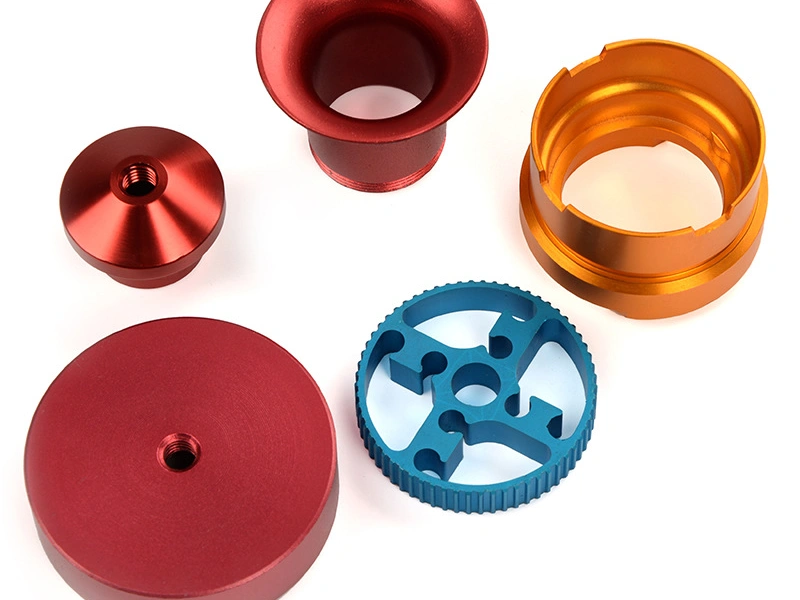
For brands and buyers developing everyday products, consumer goods machining refers to the precision manufacturing of custom parts used in electronics, appliances, hardware, smart devices, lifestyle accessories, and other consumer-facing products. These parts often need more than basic dimensional accuracy. They must also deliver stable appearance, consistent surface quality, reliable fit, and predictable lead times across repeated batches. In many programs, this combination of cosmetic and functional control is what makes machining such an important part of the consumer product supply chain.
Compared with purely industrial components, consumer product parts are often judged more visibly. Buyers usually care not only about whether the part fits, but also whether the edges feel clean, the finish looks uniform, the color treatment is stable, and the next production batch matches the first approved sample. That is why strong CNC machining services for consumer goods must balance speed, appearance, dimensional repeatability, and scale-up readiness at the same time.
What Is Consumer Goods Machining?
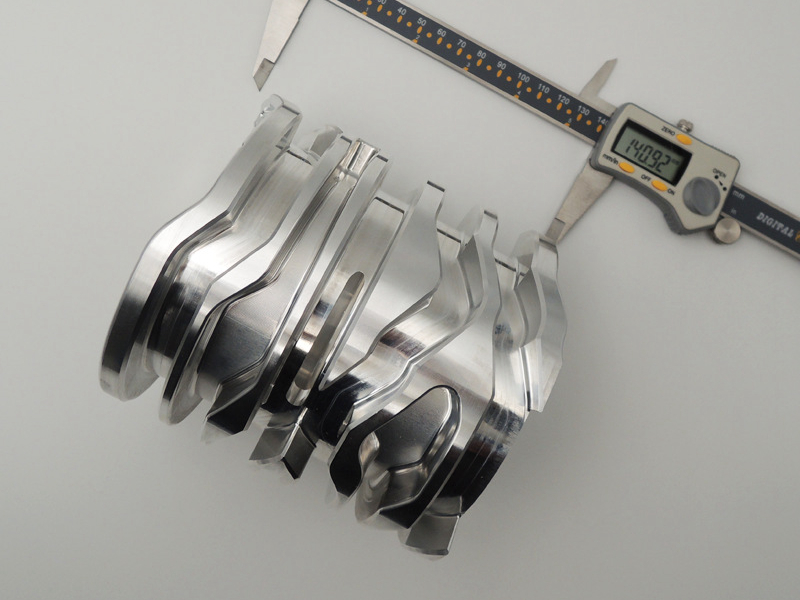
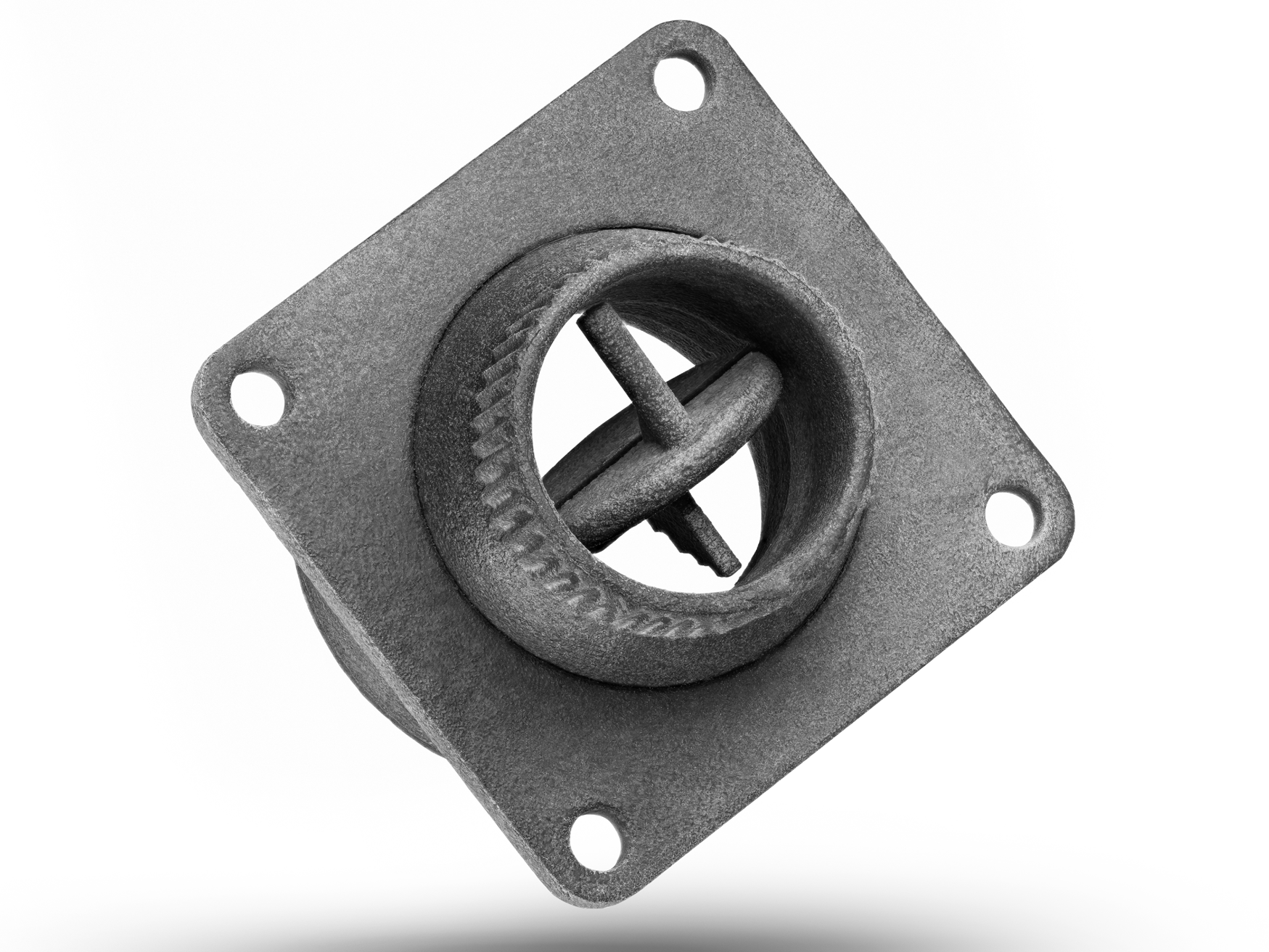
Consumer goods machining is the CNC-based production of custom parts used in consumer products where precision, appearance, and batch consistency all matter. These parts may include housings, frames, brackets, panels, knobs, connector details, thermal parts, structural inserts, decorative metal components, and other machined features used in products that are sold directly to end users.
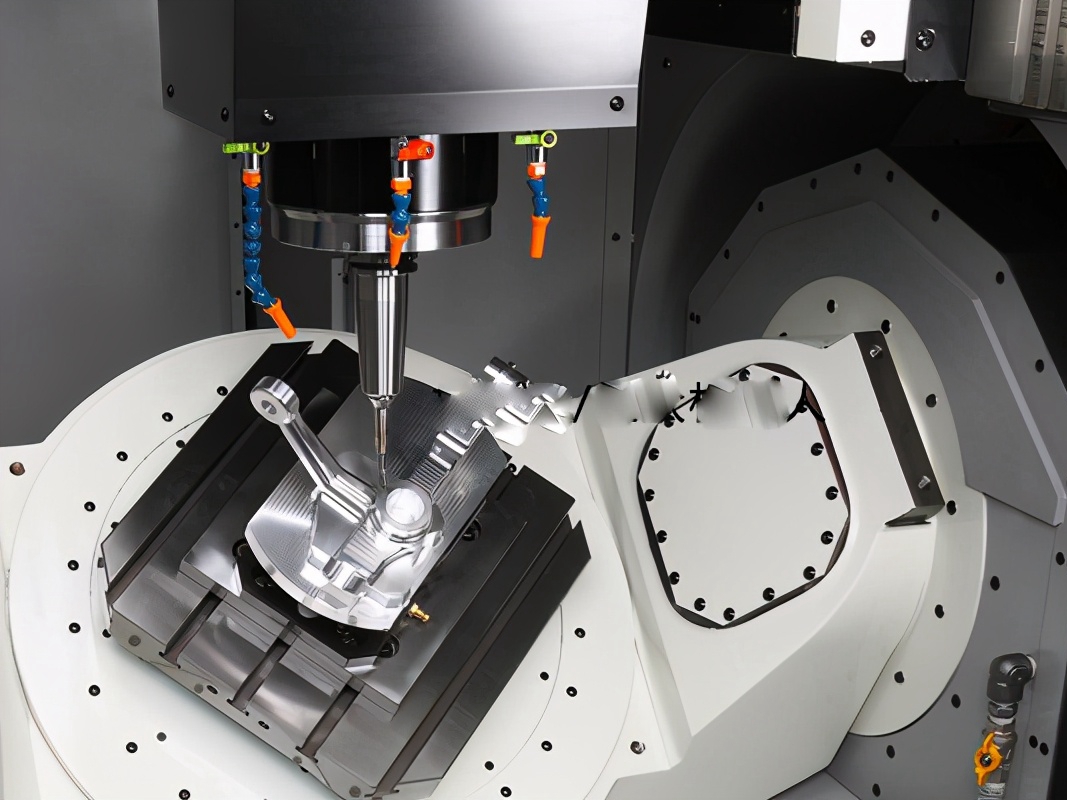
From a buyer perspective, this type of machining is valuable because it supports both development speed and production discipline. It can produce early pilot parts quickly, support design revisions without waiting for hard tooling, and still deliver stable repeat production when the product moves into larger-volume demand. For consumer goods, machining is especially useful when the part must combine functional geometry with a controlled visible finish.
Why Appearance, Surface Finish, and Consistency Matter So Much
In consumer products, appearance is often part of product value. Even when the machined part is not the main visual surface, customers may still see or touch it during use. That means tool marks, edge condition, color variation, texture inconsistency, and burrs can directly affect perceived quality. A part that is dimensionally correct but visually inconsistent may still be rejected by the brand or the end market.
Surface finish also affects function. Mating surfaces must fit correctly, covers need clean seating planes, and thin visible housings must avoid obvious deformation or chatter marks. In higher-volume consumer programs, appearance standards must remain stable across repeated batches, not only across a few first samples. This is why consumer goods machining often requires more disciplined process control than buyers expect from a general machining order.
Consumer Product Requirement | Why It Matters | Main Machining or Finish Focus | Risk if Poorly Controlled |
|---|---|---|---|
Visible appearance | Affects perceived product quality | Uniform texture, clean edges, stable finish | Cosmetic rejection and brand risk |
Surface consistency | Batch-to-batch visual match is important | Controlled finish process and inspection | Color or texture variation between lots |
Functional fit | Supports clean assembly and stable product feel | Hole position, flatness, threads, datums | Assembly issues and poor user experience |
Lead-time stability | Consumer launches often run on tight schedules | Material readiness and repeat process planning | Missed launch windows or stock shortages |
From Pilot Run to High-Volume Production
Most consumer product programs do not jump directly from CAD to large-scale output. They usually move through a staged path that starts with early validation, then pilot builds, then larger-volume production. This is where machining can provide strong flexibility and lower risk compared with committing too early to dedicated tooling.
Pilot Run Stage
Pilot runs are used when the design is mostly defined, but the team still needs to confirm assembly behavior, cosmetic acceptance, packaging fit, or early market readiness. At this stage, low-volume manufacturing is often the most practical route because it supports controlled batch production without requiring the buyer to lock everything into a hard-tooling decision too early.
Scale-Up Stage
Once the product design is stable and demand becomes more predictable, the process can shift toward mass production. Here, the focus moves from flexibility to repeatability. Fixture strategy, tool-life control, appearance inspection, and process stability become more important because the buyer now needs fast output without losing cosmetic or dimensional consistency.
The advantage of a staged machining path is that it reduces launch risk. A supplier can support early batches, reveal design or finish issues before scale-up, and then tighten the route for larger recurring demand. For consumer products, this transition is often the key to balancing fast market entry with long-term quality control.
Production Stage | Main Goal | Best Supply Logic | Buyer Priority |
|---|---|---|---|
Pilot run | Validate assembly, appearance, and early demand | Flexible small-batch machining | Fast feedback with lower risk |
Bridge volume | Support launch or controlled market entry | Repeatable low-volume supply | Consistency and manageable inventory |
High-volume production | Scale stable product output | Process-controlled mass production | Fast delivery and stable unit quality |
Common Materials Used in Consumer Goods Machining
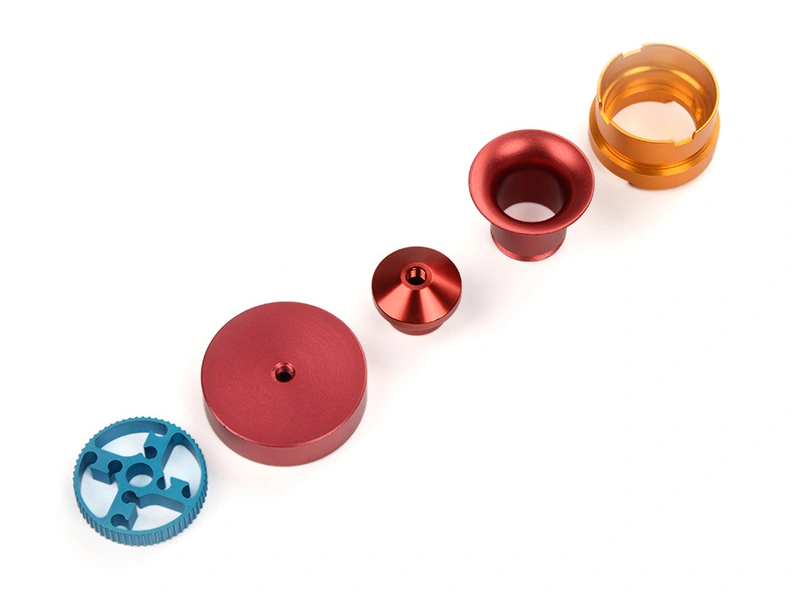
Material selection in consumer product machining depends on the balance between appearance, weight, durability, machinability, and cost. Buyers often choose materials not only for structural performance, but also for how they accept finishing and how they feel in the final product.
Aluminum
Aluminum CNC machining is one of the most common routes for consumer goods because aluminum offers low weight, good machinability, and strong compatibility with appearance-oriented finishes. It is widely used for housings, frames, enclosures, structural panels, handles, and thermal parts in electronics and appliances. Aluminum is especially attractive when buyers want a clean machined feel combined with anodized or coated cosmetic surfaces.
Stainless Steel and Other Materials
Stainless steel is often used in consumer product parts that require higher corrosion resistance, a stronger premium feel, or better durability in exposed-use environments. Other materials may include brass for specialty hardware or plastics where lightweight geometry and non-metallic performance are needed. In most consumer product programs, material choice should align with both visual requirements and the expected user environment.
Material | Main Benefit | Typical Consumer Use | Buyer Selection Logic |
|---|---|---|---|
Aluminum | Lightweight, machinable, finish-friendly | Housings, frames, covers, thermal parts | Best for visible and lightweight metal parts |
Stainless steel | Durability and corrosion resistance | Hardware, exposed fittings, premium structural parts | Best for stronger long-term use conditions |
Brass | Machinability and decorative potential | Precision hardware and specialty fittings | Useful for smaller premium details |
Engineering plastics | Low weight and design flexibility | Covers, supports, internal consumer components | Best where metal is not required |
Common Surface Treatments for Consumer Product Parts
Surface treatment is often one of the most important steps in consumer goods machining because it affects both appearance and durability. For visible parts, the finish must look consistent from batch to batch. For functional surfaces, the finish must support corrosion resistance, clean handling, or wear performance without affecting critical dimensions excessively.
Common consumer-product finishing options include anodizing for aluminum parts that need corrosion protection and a refined appearance, powder coating where durable coverage and cosmetic consistency are important, and polishing for smoother, more premium-looking surfaces. The right finish should be defined early because finish thickness, texture, and visual acceptance criteria all influence final part planning.
Surface Treatment | Main Purpose | Best For | Buyer Note |
|---|---|---|---|
Anodizing | Appearance and corrosion resistance | Aluminum housings and visible frames | Strong choice for lightweight premium parts |
Powder coating | Protective and cosmetic coverage | Visible consumer hardware and durable shells | Good when uniform color coverage matters |
Polishing | Smoother and more refined surface feel | Premium visible metal surfaces | Useful where tactile quality matters |
How Consumer Goods Machining Reduces Defects While Keeping Delivery Fast
Fast delivery in consumer goods is only valuable if the parts arrive usable. The best machining suppliers reduce defects by controlling both process and appearance. That includes stable fixturing, controlled deburring, repeatable finishing, clear cosmetic standards, and inspection focused on both dimensions and visible surfaces. A part that meets the drawing but shows inconsistent finish or edge quality can still disrupt consumer product assembly or brand approval.
At the same time, delivery speed is maintained by using the correct production path for the order stage. Pilot and low-volume batches prioritize flexibility and fast response. Higher-volume runs depend more on repeatable process control, fixture stability, and predictable finish scheduling. When this is managed well, consumer goods machining can reduce defect risk without slowing the product launch cycle.
Conclusion
Consumer goods machining is a practical way to produce visible and functional product parts with strong control over appearance, surface finish, lead time, and repeatability. It supports the full path from pilot run to higher-volume supply by giving buyers faster early-stage response and a scalable route once the product becomes stable.
If your project requires fast, consistent production for consumer-facing parts, the next step is to review the dedicated consumer-products page and align your program with the right mix of low-volume manufacturing, mass production, and CNC machining support.
FAQ
What Is Consumer Goods Machining and Which Everyday Products Depend on It?
Why Are Surface Finish, Appearance, and Consistency So Important in Consumer Goods Machining?
How Do Manufacturers Scale Consumer Product Parts from Pilot Runs to High-Volume Production?
Which Materials Are Most Common in Consumer Goods Machining for Durability and Appearance?
How Can Consumer Goods Machining Reduce Defects While Maintaining Fast Delivery Cycles?