What Is Consumer Goods Machining and Which Everyday Products Depend on It?
What Is Consumer Goods Machining and Which Everyday Products Depend on It?
Consumer goods machining uses milling, turning, drilling, engraving, and finishing to make functional or visible parts for electronics, home hardware, outdoor products, and accessories. CNC is suitable when the part needs controlled interfaces, threads, ports, sealing features, or cosmetic surfaces in a machinable material. It is less attractive when stable high volume justifies dedicated molding, casting, extrusion, or stamping tooling. Buyers should define the product function, material, quantity, finish, critical features, and acceptance evidence in the RFQ.
CNC machining is valuable during design validation, bridge supply, premium production, and product variants because geometry can change without replacing dedicated tooling. That flexibility does not make every machined part production-ready or economical at scale. A sample route can differ from the final blank, fixture, finish, or process. Before moving to mass production, compare total demand, product life, change frequency, material utilization, required properties, and the validation needed after a process transfer.
1. Consumer Goods Machining Covers a Wide Range of Everyday Products
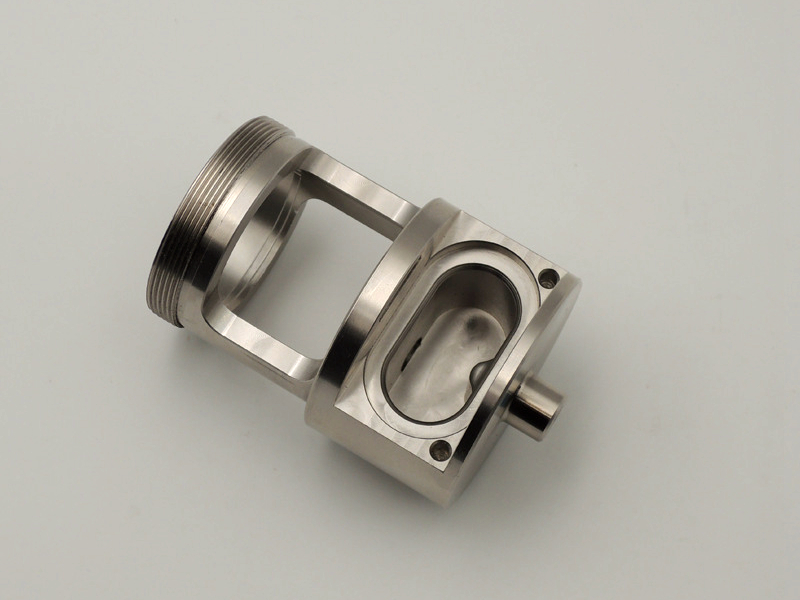
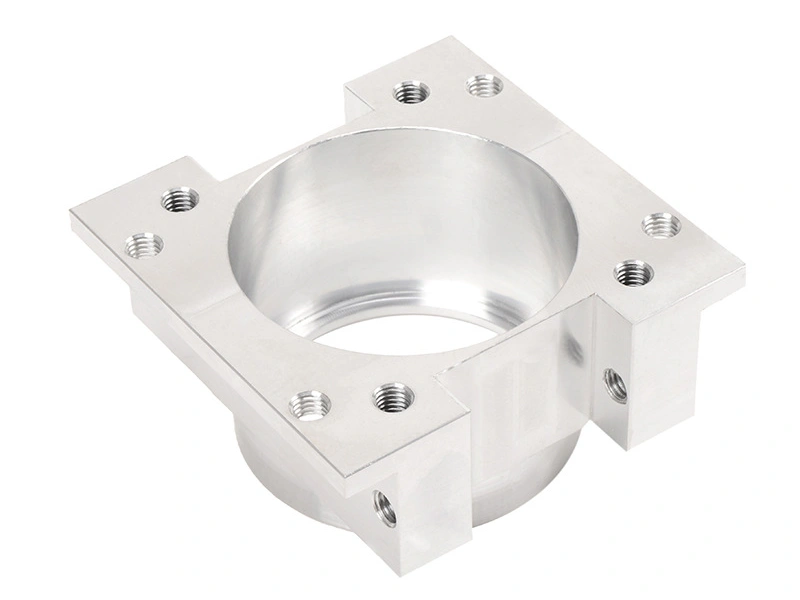
Everyday products depend on machining where users, fasteners, seals, electronics, or moving parts meet. Typical examples include aluminum device housings, knobs, handles, mounting plates, camera or lighting brackets, outdoor joints, threaded inserts, and metal accessory components. The commercial category alone does not select the process. Geometry, exposed surfaces, load, environment, quantity, and change risk determine whether CNC adds useful control.
A simple-looking part can combine several acceptance problems. A housing may need port location, internal board clearance, flat sealing lands, and a uniform anodized exterior. A handle may need thread engagement, comfortable edges, coating clearance, and installation strength. Classify each requirement as dimensional, functional, cosmetic, or environmental, then assign a drawing control or test instead of relying on a general statement that the part must look premium.
Consumer Product Category | Typical Machined Parts | Why Machining Is Used |
|---|---|---|
Electronics | Housings, heat-spreader frames, covers, lens or port interfaces | Control board location, openings, thermal contact, sealing lands, and visible surfaces |
Home hardware | Handles, brackets, knobs, connectors, and precision fittings | Maintain thread engagement, installation datums, touch edges, and finish clearance |
Outdoor products | Mounts, joints, clamps, frames, and accessory interfaces | Protect loaded features, drainage, corrosion treatment, and repeat assembly |
Accessories | Clips, bezels, compact supports, and decorative-functional details | Combine tactile edge quality, mating fit, appearance zones, and variant flexibility |
2. Electronics Housings Are One of the Most Common Consumer Goods Machining Applications
Machined electronics housings can locate circuit boards, connectors, buttons, lenses, heat-transfer pads, gaskets, and fasteners while providing a visible shell. Thin walls can move after unclamping, coating can reduce port or bore clearance, and a clean exterior can hide an internal burr. The drawing should identify mounting datums, keep-out zones, grounding or masked areas, cosmetic faces, and dimensions accepted after finishing.
An enclosure is not proven weather-resistant by dimensional inspection alone. If the product specification calls for an IP Code, IEC 60529 defines degrees of protection provided by enclosures. The required assembly state and test still need to be specified. Buyers should provide the gasket, fastener condition, ports, pressure equalization features, and test requirement; the supplier should not infer ingress performance from a housing drawing.
3. Home Hardware Parts Depend on Machining for Fit, Durability, and Repeat Assembly
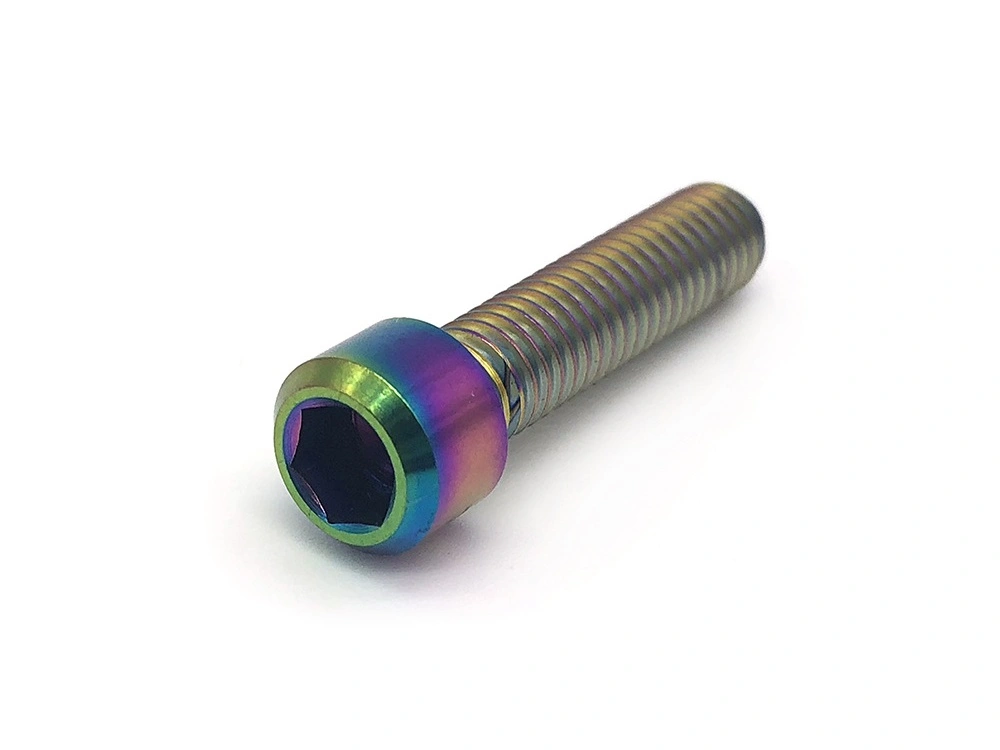
Home hardware relies on machining when handles, brackets, connectors, and fittings must install repeatedly without rocking, cross-threading, or exposing sharp touch edges. Hole position and contact faces control alignment; thread form and engagement control fastening; coating thickness can change both. A cosmetic surface may be acceptable while an installation datum or concealed thread is not.
The RFQ should state substrate, mating hardware, installation load or torque requirement, indoor or outdoor exposure, finish, masking, and the inspection state. A functional installation check can reveal interference that isolated caliper measurements miss. Critical dimensions should reference the assembly datums rather than an arbitrary exterior face, particularly where cast, extruded, or formed mating parts also vary.
4. Outdoor Products Often Use Machined Parts Because They Need Strength and Reliable Interfaces
Outdoor products use machined clamps, joints, mounts, frames, and threaded interfaces where load transfer and environmental exposure meet. Strength depends on the specified alloy and condition, section geometry, load direction, fastener preload, and surface damage, not on material name alone. Water traps, galvanic couples, coating breaks, and inaccessible burrs can create failures even when the part passes initial fit checks.
Buyers should identify the service environment, mating materials, drainage path, maximum load case, safety factor source, finish system, and required validation. Salt-spray hours or corrosion claims are meaningful only under a named test method and acceptance criterion. When safety depends on the assembly, validate the complete joint and retention method rather than treating a machined component inspection as proof of product performance.
5. Consumer Accessories Often Require Machining Because Small Details Define Product Quality
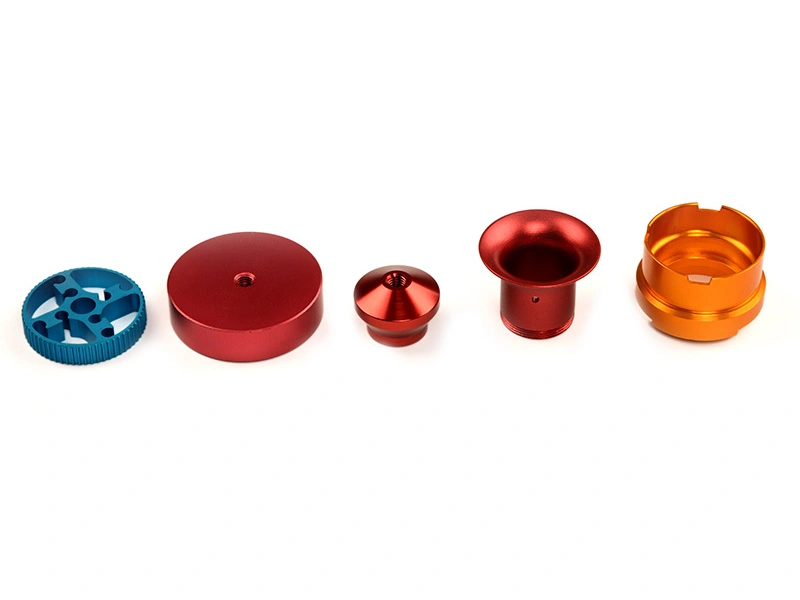
Machined accessories often earn their value through controlled gaps, aligned edges, tactile transitions, crisp engraving, and consistent color or texture across visible surfaces. Those details are not interchangeable with tight dimensional tolerances. Surface texture, edge break, coating thickness, color range, gloss, and allowable handling marks need separate definitions. ISO 21920 addresses profile surface texture; it does not define a cosmetic color standard.
A controlled appearance sample can resolve subjective expectations, but it should identify material, finish batch, viewing conditions, and approved zones. Dimensions that affect clips, magnets, hinges, lenses, or mating shells still require measurable acceptance. Buyers should mark cosmetic faces and hidden contact areas, then confirm whether rework, blending, rack marks, or color variation is permitted on each zone.
Everyday Product Example | Common Machined Feature | Main Value of Machining |
|---|---|---|
Electronics housing | Board datums, ports, gasket lands, thermal pads, and cosmetic shell | Verify assembly, thermal contact, final-finish dimensions, and the specified ingress test |
Home fitting or bracket | Mounting pattern, contact plane, threads, and touch edges | Confirm installation fit, thread acceptance, finish clearance, and load-related function |
Outdoor gear component | Loaded joint, slot, clamp, drainage path, or fastener interface | Validate the complete joint under the specified load and environmental condition |
Accessory part | Mating gap, edge transition, engraving, magnet seat, or visible face | Separate measurable fit from an approved cosmetic reference and finish limits |
6. Consumer Goods Machining Is Especially Valuable Because Product Cycles Are Fast
CNC supports fast consumer product cycles when the team controls revisions and answers a specific question with each build. Speed is lost when the 2D drawing, 3D model, finish callout, and inspection plan describe different versions. A released file set should identify which document governs, which features changed, and whether earlier fit, cosmetic, environmental, or load evidence remains valid.
Use prototypes to resolve geometry and user interaction, then use pilot lots to test the intended blank, fixtures, deburring, finishing, assembly, and inspection route. A golden appearance sample can control visual comparison, while measured characteristics control function. Neither replaces the other. When a change affects a critical interface or test boundary, repeat the affected validation before approving the next supply stage.
7. Consumer Goods Machining Often Connects Development Speed with Scalable Production Support
Machining can remain the production route for premium, configurable, low-to-medium volume, or frequently revised products. It can also bridge demand while dedicated tooling is prepared. At stable higher volume, casting, extrusion, molding, or stamping may reduce material and cycle cost, with CNC retained for critical interfaces. The correct decision compares lifetime quantity, tooling, yield, secondary operations, inventory risk, and expected design changes.
A process transfer needs new evidence because blank variation, draft, shrinkage, parting lines, residual stress, datum surfaces, and finish behavior can change. The buyer should state which prototype results remain applicable and which dimensions, assemblies, loads, environmental tests, or cosmetic approvals must be repeated. Production readiness is a verified route, not simply a larger purchase order for the sample process.
8. Summary
Use consumer products machining for everyday components whose ports, threads, sealing lands, mounting datums, touch edges, or visible surfaces benefit from flexible precision manufacturing. Electronics housings, home hardware, outdoor joints, and accessories depend on it for different reasons, so each needs a different acceptance plan. If dedicated tooling offers a better lifetime route, treat the machined part as controlled development or bridge evidence.
Send CNC machining suppliers the released files, material and condition, quantity by stage, mating interfaces, functional risks, finish zones, test methods, reports, and required-use date. For mass production, also request the proposed blank, process flow, control points, transfer-validation plan, and change rules. The best process is the one whose evidence matches how the consumer product will actually be assembled, used, judged, and supplied.