Which Materials Are Most Common in Consumer Goods Machining for Durability and Appearance?
Which Materials Are Most Common in Consumer Goods Machining for Durability and Appearance?
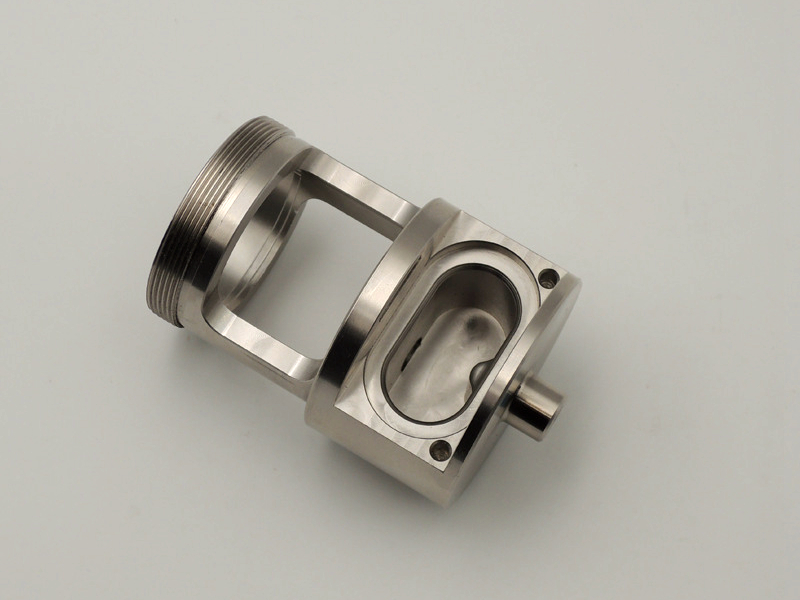
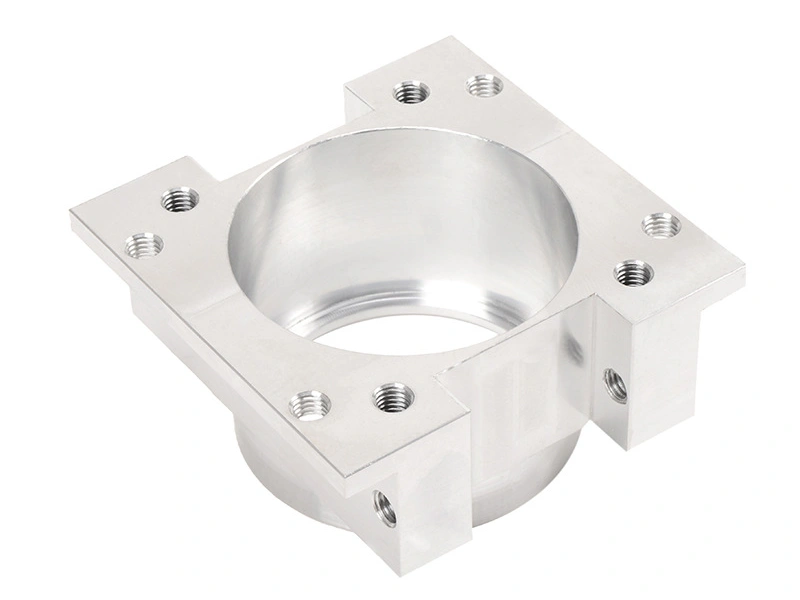
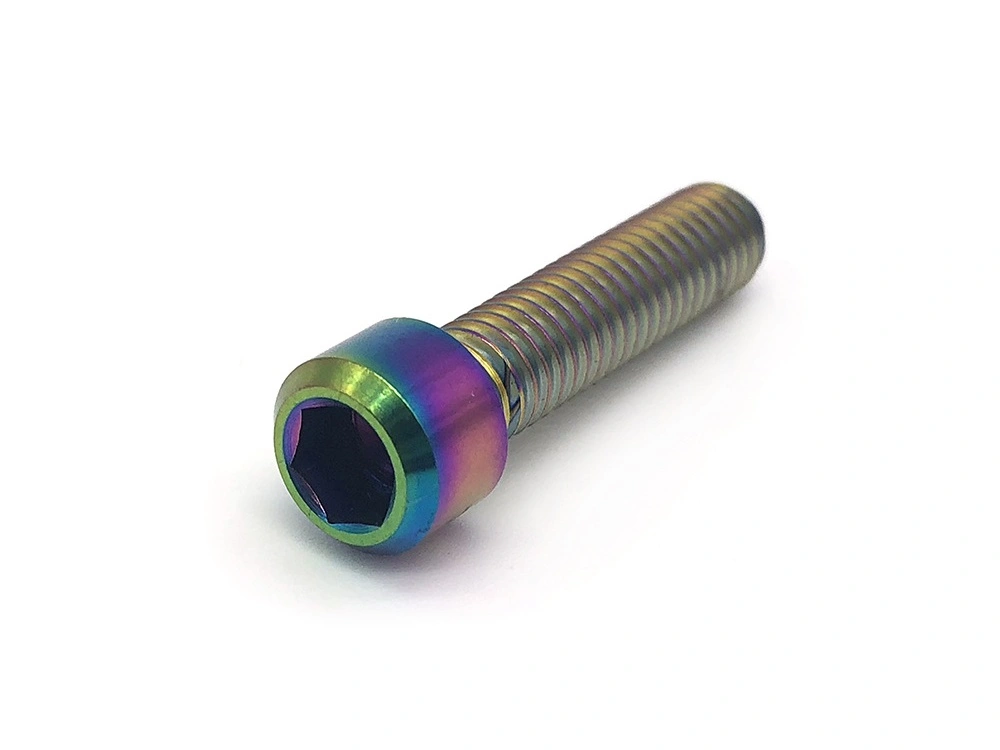
The most common metals in consumer goods machining for durable, visible parts are aluminum alloys such as 6061-T6, austenitic stainless steel grades such as 304 or 316, and machinable brasses such as C36000. Aluminum suits low mass and anodized finishes, stainless steel suits demanding moisture or cleaning exposure, and brass suits fine detail with a warm metallic appearance. No family is automatically the most durable or attractive. The exact grade, condition, environment, finish, compliance requirement, and final-state inspection method must match the product, so buyers should state those inputs in the RFQ.
Material selection starts with the finished part, not a generic property list. Define how the user handles the product, the loads and impacts, exposure to sweat, salt, humidity, cleaners or outdoor weather, permitted mass, tactile temperature, cosmetic zones, color or texture, and service life test. Then compare machining, deburring, finishing yield, dimensional change, corrosion control, regulatory status, and replacement risk. Engineering plastics may be the better route when insulation, color-through material, radio transparency, or still lower mass matters more than a metallic surface.
1. Consumer Products Need Materials That Perform Both Visually and Functionally
Consumer products need a material and finish system that meets mechanical, environmental, tactile, and cosmetic requirements at the same time. A visible housing can pass strength checks yet fail because thin walls dent, a coating changes a bore, fingerprints remain obvious, dissimilar metals create galvanic exposure, or cleaning chemicals stain the surface. Appearance is therefore an acceptance requirement with defined conditions, not a substitute for function or corrosion validation.
Build a selection matrix before approving a grade. Record the load path, wall and edge risks, mating materials, environment, cleaning method, contact regulations, desired finish, masked areas, drawing dimensions that apply after finishing, and the inspection or test that releases each requirement. The supplier can then quote the actual material condition and complete process route. A material-family name without grade, temper or condition leaves too much room for substitutions that change machining and appearance.
Material | Strong Fit When | Main Risk and Buyer Confirmation |
|---|---|---|
Low mass, good heat transfer, CNC detail and anodized color are important | Confirm alloy and temper, dent risk, galvanic isolation, cosmetic master and dimensions after anodizing | |
High-touch hardware faces moisture, cleaners, wear or a higher-mass tactile target | Select grade from the real exposure; confirm machining finish, passivation scope and corrosion test conditions | |
Brass | Fine machining detail, threads, tactile mass or a warm metal appearance adds product value | Confirm alloy composition, market compliance, tarnish strategy, coating or plating and final color acceptance |
2. Aluminum Is Common Because It Balances Low Weight and Strong Finish Potential
Aluminum is a common choice for portable housings, frames, knobs, brackets, and heat-spreading structures when low mass, machinability, and finish flexibility must work together. 6061-T6 is a frequent machined-part candidate, but the designation matters because alloy and temper affect strength, cutting behavior, residual stress, and anodizing response. Thin walls or heavily relieved stock can move after unclamping, so datum strategy and final inspection must reflect the actual geometry and material condition.
Anodizing can add corrosion protection, wear resistance, and controlled color, but it does not hide machining marks or guarantee color equality across alloys, lots, surface preparation, thicknesses, and viewing conditions. Masking and coating growth can also affect threads, bores, sharp edges, and electrical contact areas. Specify alloy, temper, pretreatment, finish class, cosmetic zones, approved color sample, masked features, and whether dimensions apply before or after finishing. Validate fit and appearance on production-intent parts.
3. Stainless Steel Is Used When Corrosion Resistance and Long-Term Surface Stability Matter More
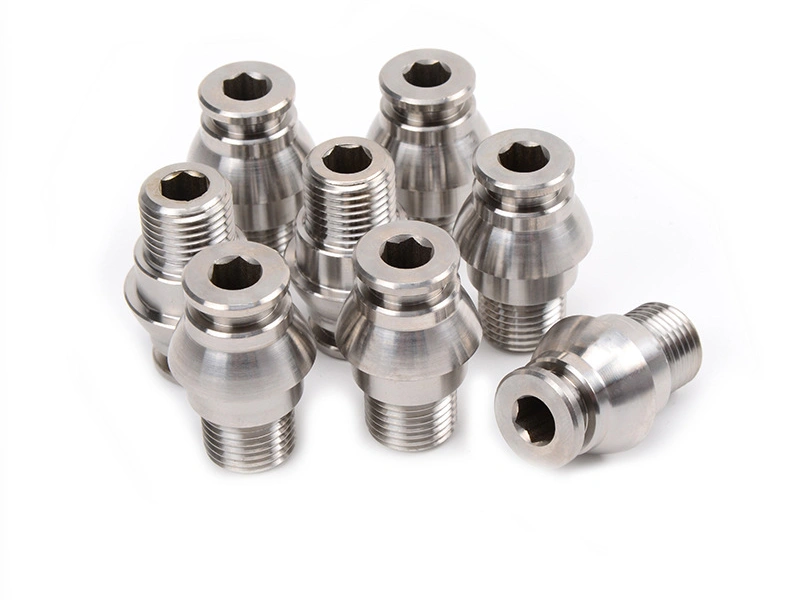
Stainless steel is common for high-touch fittings, kitchen or bathroom hardware, wearable details, and outdoor accessories when corrosion resistance and surface durability justify greater mass and machining effort. Grade 304 is widely considered for general exposure, while 316 contains molybdenum and can provide better pitting resistance in chloride conditions. That comparison is conditional: crevices, surface contamination, temperature, cleaners, salt concentration, and finish can change performance, so exposure requirements must select the grade.
Austenitic stainless steels can work harden during machining, and worn tools or poor heat control can leave burrs, smeared surfaces, heat tint, or inconsistent texture. Passivation removes free iron contamination and supports the passive surface; it is not a decorative finish and does not guarantee service life in an undefined environment. State the required machining or polishing direction, edge condition, passivation requirement, permitted discoloration, cleaning chemistry, and corrosion or use test. Inspect after every process that can alter the final surface.
4. Brass Remains Popular Because It Combines Machinability with a Premium Decorative Look
Brass remains useful for knobs, trim, threaded inserts, connectors, and compact hardware because machinable grades can produce fine details, clean threads, and a warm metallic appearance. C36000 is a familiar free-machining candidate, but its lead content means the material cannot be approved from machinability alone. The buyer must state destination-market and product-contact requirements, especially for children's products, food or drinking-water contact, skin contact, electrical use, or restricted-substance declarations. Another brass grade may be required.
Uncoated brass changes color as the surface oxidizes, and fingerprints, cleaners, humidity, salt, plating quality, or clear-coat wear can make that change uneven. Some environments also require resistance to dezincification or stress-corrosion mechanisms, which depends on alloy and condition. Decide whether the design accepts a natural patina or requires a protected, plated, or controlled-color surface. The RFQ should name the alloy standard, finish stack, polished direction, handling method, color reference, compliance documents, and final exposure test.
Selection Priority | Best Material Direction | Risk and Buyer Check |
|---|---|---|
Low mass with an anodized color system | Qualify alloy, temper, dent resistance, color master, masking and post-anodize critical dimensions | |
Moisture, chlorides or repeated cleaning exposure | Choose 304, 316 or another grade from exposure; define finish, passivation and test conditions | |
Warm machined decorative surface or tactile mass | Brass | Verify composition compliance, tarnish behavior, coating or plating durability and color acceptance |
Lowest qualified total cost for a lightweight visible part | Confirm final-state yield and finish cost; stainless, brass or plastic may win if exposure or rejects dominate |
5. Balancing Appearance, Weight, and Cost Is the Real Material Selection Challenge
The real material trade-off is appearance, mass, durability, and qualified total cost across the complete route. Raw stock price is only one input. Compare machining cycle, tool wear, fixture needs, burr removal, polishing, masking, coating or passivation, finish rejects, inspection, packaging, freight mass, rework, compliance evidence, and likely field exposure. A cheaper metal can cost more after finishing, while a higher stock cost can be justified if it reduces rejects or eliminates a coating step.
Consider a handheld control knob, as a general engineering scenario rather than a Neway customer case. Anodized 6061-T6 can reduce mass and offer controlled color, brushed 316 can suit chloride exposure with a heavier feel, and protected brass can create a warm accent. The decision depends on impact and dent risk, cleaning chemistry, tactile target, color master, coating wear, production volume, and allowable cost. Prototype each final finish and run the intended assembly and exposure checks before freezing the material.
6. Typical Consumer Product Examples Show Why Different Materials Win in Different Cases
A portable enclosure may favor aluminum when low mass, thermal spreading, machined interfaces, and an anodized cosmetic system align. A bathroom fitting may favor 316 stainless steel when chloride-bearing cleaners and crevices have been defined and validated. A decorative switch cap may favor compliant brass when fine detail, tactile mass, and controlled patina or plating support the design. Each material wins because the complete requirement set matches, not because the family is universally superior.
Use prototypes to close the uncertainty that datasheets cannot resolve. Machine the proposed grade and condition with production-intent wall thickness, edge breaks, texture, and finishing. Assemble it against the real mating parts, then evaluate handling, cleaning, impact, scratch, corrosion, color, and critical dimensions under buyer-approved methods. Record the approved sample, test conditions, failure criteria, and any process limits. That evidence lets procurement compare suppliers on the same finished-part basis.
7. Surface Treatment Also Influences Which Material Makes the Most Sense
Surface treatment can change the material decision because the finish affects appearance, corrosion control, wear, electrical contact, cleanability, dimensions, and repair. Aluminum may use anodizing or coating; stainless steel may use a defined machined, brushed, polished, electropolished, or passivated route; brass may remain natural or receive polishing, clear protection, plating, or another controlled finish. The base material, preparation, finish sequence, masking, rack or contact marks, and final inspection must be evaluated as one system.
ISO 7599 provides a specification framework for decorative and protective anodizing of aluminum, but the buyer still defines the product class, appearance sample, thickness or performance requirements, and acceptance method. ASTM A967/A967M covers chemical passivation treatments and verification for stainless steel parts; it does not define a cosmetic surface or guarantee corrosion life. Drawings and RFQs should state the applicable standard's purpose, the final-state dimensions, test conditions, sampling rule, and lot-disposition criteria.
8. Summary
For durable, visible consumer goods, the usual metal shortlist is aluminum, stainless steel, and brass. Choose aluminum when a qualified grade and finish meet low-mass, thermal, and appearance requirements. Choose stainless steel when a selected grade, surface route, and test address the real moisture, chloride, cleaner, and wear exposure. Choose brass when detail, tactile mass, and warm appearance justify composition-compliance and tarnish controls. Engineering plastics remain an alternative when insulation, radio transparency, color-through construction, or lower mass governs the design.
A useful consumer product RFQ names the exact grade or permitted equivalent, temper or condition, stock form, mating metals, loads, exposure media, cleaning method, contact regulations, cosmetic zones, texture or color master, finish stack, masked features, final-state dimensions, critical characteristics, test method, sampling rule, and acceptance limits. Ask the supplier to identify substitutions and process changes before production. The final choice should be released from finished-part evidence, not a material-family label or raw-price comparison.