How do I select the right CNC Milling service provider for my project?
How Do I Select the Right CNC Milling Service Provider for My Project?
Key Criteria for Choosing a CNC Milling Supplier
Select a CNC milling service provider with five non-negotiable gates: a drawing-specific process route, representative inspection evidence, capacity for the requested schedule, controlled special processes where required, and formal revision/change control. Give every candidate the same released drawing and model, exact material and condition, quantity profile, critical characteristics, finish, inspection deliverables, packaging, and required date. A missing gate is not offset by a lower price, more machine axes, or a certificate. Compare only the providers that pass all five on total landed cost, comparable-risk experience, communication, and residual project risk. For a critical, regulated, or repeat part, use a controlled first-article or pilot order tied to the same revision, route, records, and acceptance rules intended for production. Review the actual result and change response before increasing volume. The right provider explains constraints and evidence clearly instead of accepting every requirement without qualification.
1. Technical Capabilities
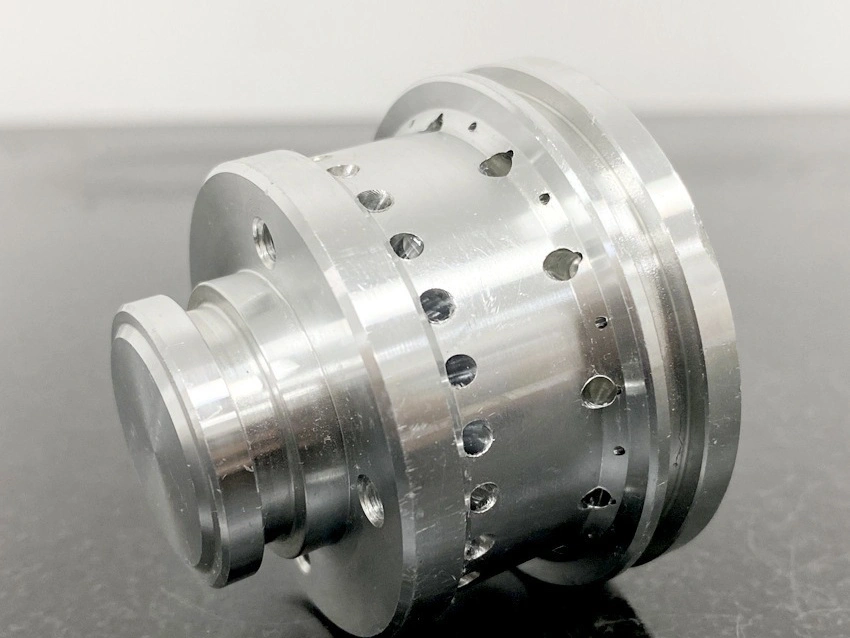
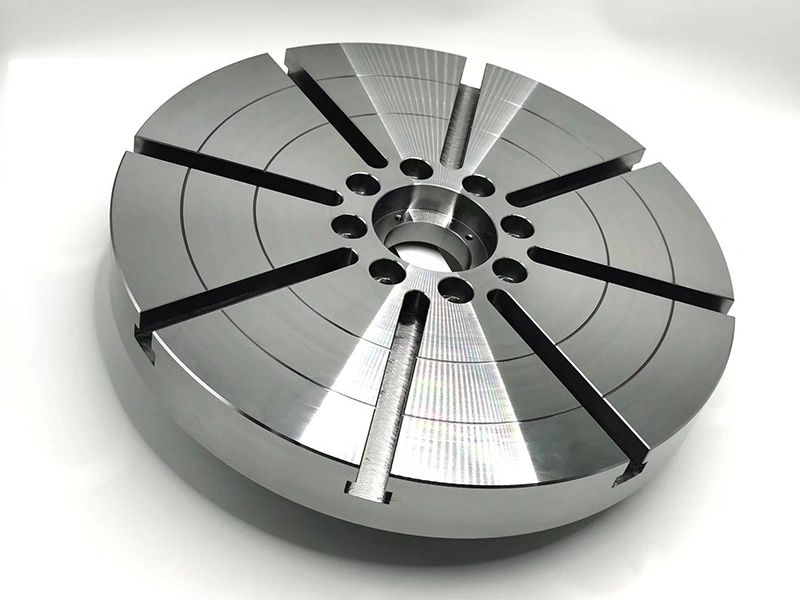
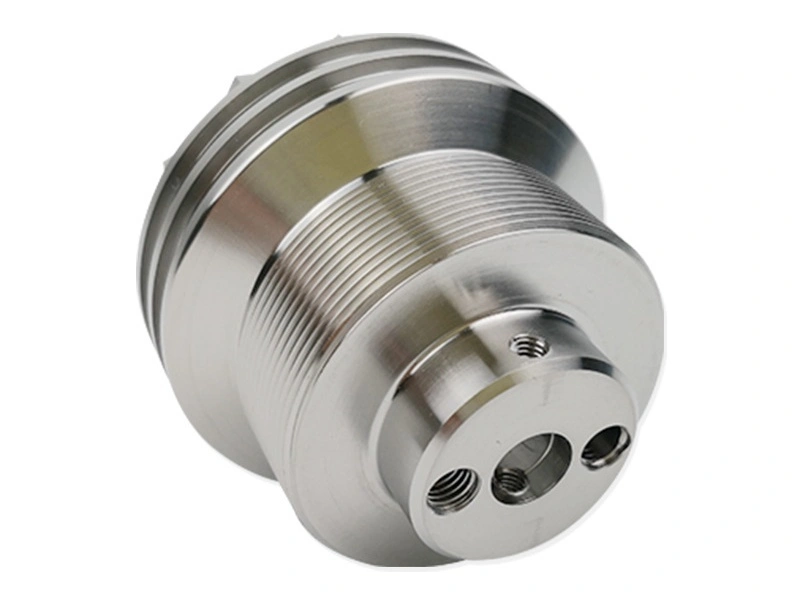
The proposed route should map drawing features to operations, setups, datums, re-clamps, tool and holder access, fixture support, and inspection access. A supplier may use 3 Axis, indexed or simultaneous 4 Axis, or 3+2 or simultaneous 5 Axis CNC Milling; axis count is not a quality grade. Material references for aluminum, titanium, PEEK, and superalloys identify specific or category pages, not grade-specific supplier evidence. Require a route for the actual grade, condition, geometry, quantity, tool reach, workholding risk, and critical feature relationships, with unresolved constraints stated before award.
2. Tolerances and Quality Standards
Quality evidence must separate machine-axis positioning, finished-part inspection, coordinate measuring machine (CMM) status, first-article inspection, measurement system analysis (MSA), and statistical process capability. None can substitute for the others. For precision machining, request a representative inspection packet showing drawing revision, measured characteristic, datum alignment, method, equipment status, actual result, measurement uncertainty where relevant, acceptance rule, traceability, and nonconformance disposition. One conforming first article does not establish repeated-process capability. If ISO 9001 certification matters, verify the organization, site, scope, standard, issuer, and current status; the certificate concerns a quality management system, not a particular machine, part result, or delivery date. Confirm calibration control, sampling, final release, corrective action, and measurement-dispute handling.
3. Industry Experience
Comparable-risk experience matters more than a sector label. References to aerospace, medical device, automotive, robotics, or oil & gas do not establish approval for a new program. Compare material and condition, geometry, tolerance relationships, quantity, cleanliness, traceability, documentation, and special-process risk. Accept anonymized or redacted inspection records, material and process certificates, lot traceability, and revision history where confidentiality permits. Do not request customer drawings, identities, or confidential models. Current evidence that matches the new risk profile is more useful than an unverified case list.
4. Prototyping to Mass Production Capability
Capacity is a dated plan, not a claim that one successful prototype can scale. The rapid prototyping, low-volume production, and mass manufacturing pages describe production stages but do not prove available capacity for the requested dates. Review machine-hours by operation, fixture and gauge lead times, batch assumptions, material availability, staffing, maintenance constraints, inspection throughput, reserved capacity, and qualified backup equipment. Identify whether prototypes and production use the same material source, datum strategy, tooling, finishing source, inspection method, and acceptance criteria. Any route change should have a defined revalidation and customer-notification decision before volume increases.
5. Lead Time and Global Delivery
Treat lead time as a traceable sequence from approved inputs to receipt. Separate material procurement, programming, fixtures, machining, outside processing, inspection, documentation, packing, and transport; define when the clock starts, required customer approvals, schedule buffers, and how revisions change the date. The linked global delivery phrase leads to a broader one-stop-service page and is not a shipment commitment. For comparable quotes, align Incoterms, freight mode, insurance, export and customs responsibility, duties and taxes, packaging, tooling, inspection, documentation, and rework allocation. Distinguish shipment from receipt and target dates from committed dates. The supplier's escalation path should identify dated dependencies before they threaten the required schedule.
6. Post-Processing Capabilities
When a finish is required, determine whether it is performed in-house or by an approved outside source and keep ownership visible. For anodizing, electropolishing, or powder coating, the supplier response should cover source approval, specification and revision, lot linkage, certificates, dimensional allowance or removal, masking, rack or contact limits, handling, post-finish inspection, and nonconformance or rework control. Threads, fits, datums, sealing faces, contacts, and cosmetic zones need explicit protection and final acceptance. Integrated purchasing adds value only when machining and finishing records remain traceable to the same order and drawing.
7. Engineering Support and Communication
Use a real design for manufacturability (DFM) exchange to test engineering support. A useful review identifies inaccessible features, excessive tool reach, weak workholding, datum conflicts, thin-wall distortion, unnecessary tolerances, ambiguous finish callouts, and inspection difficulty, then records the proposed disposition and approval owner. Production inputs should identify the released drawing and model, quotation assumptions, deviations, effective date, affected lots, revalidation, and customer notification. Assign technical, quality, schedule, and escalation owners and keep one controlled record of decisions. Check how delays, nonconformance, root-cause analysis, corrective action, and shipment documents are communicated. Clear traceability before award is more useful than fast sales replies that never resolve engineering responsibility.
End-to-End CNC Manufacturing with Trusted Expertise
Build one evidence register for every candidate and compare the proposed 3 to 5 Axis CNC Milling route, inspection packet, capacity plan, controlled surface treatments, and prototyping-to-production handoff against the same RFQ. Record PASS or FAIL for the five mandatory gates first; eliminate a provider with an unresolved gate. Rank the survivors with project-specific criteria rather than universal weights, normalize tooling, finishing, inspection, documentation, shipping, and rework responsibility, and record every exception. Verify required certificates at their source. Award a representative first article or pilot with the released revision, material lot, route, inspection records, schedule assumptions, and acceptance rules. Review quality, delivery, communication, nonconformance response, corrective action, and change control before expanding, holding, or ending the award. This process selects the provider that best controls the actual project risk, not the strongest marketing claim.