How Should Buyers Compare Custom CNC Suppliers Beyond Just Unit Price?
How Should Buyers Compare Custom CNC Suppliers Beyond Just Unit Price?
Buyers should compare custom CNC suppliers by normalizing the quoted scope and then evaluating total landed cost, engineering fit, process evidence, delivery credibility, change control, nonconformance response, traceability, and transfer risk. Unit prices are comparable only when material condition, quantity, tolerances, final finish, inspection, documentation, packaging, freight terms, and exclusions are the same. A supplier with the lowest number can still be the higher-risk source. Purchasing should use one controlled RFQ and require evidence for every score before approving a sample, pilot, or production order.
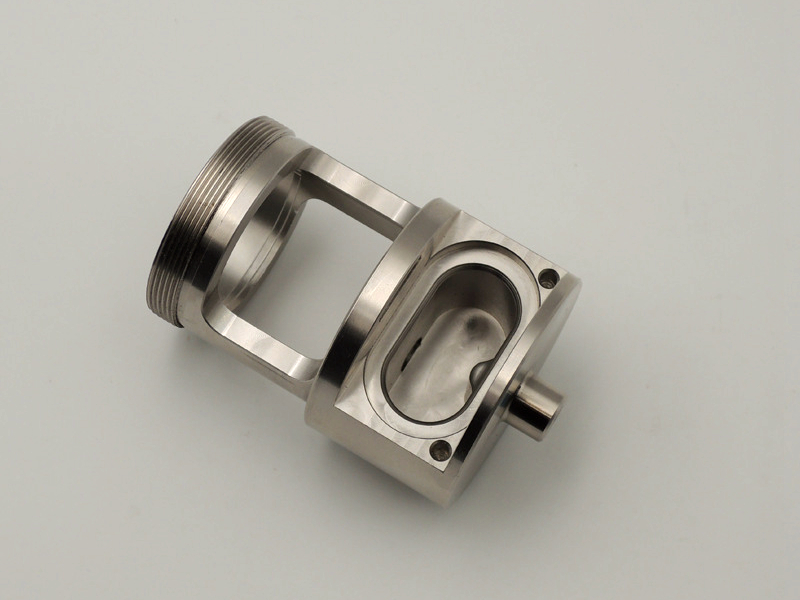
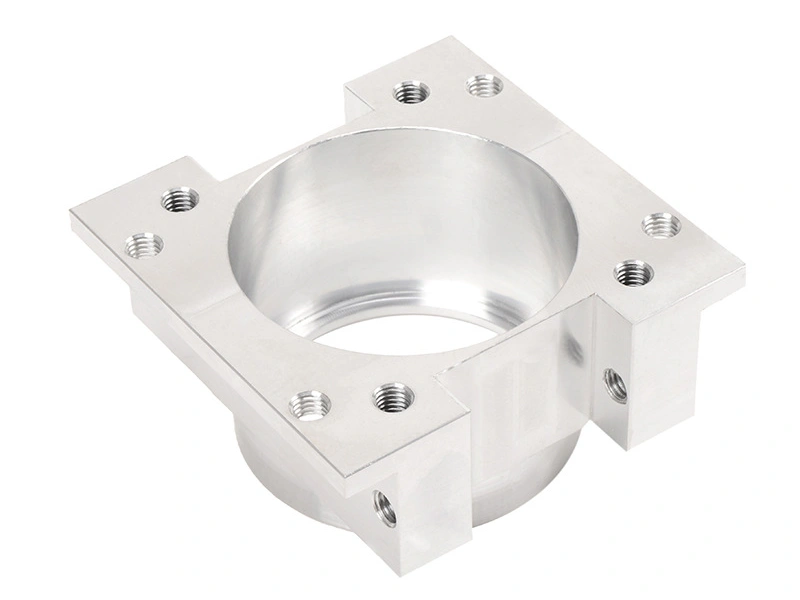
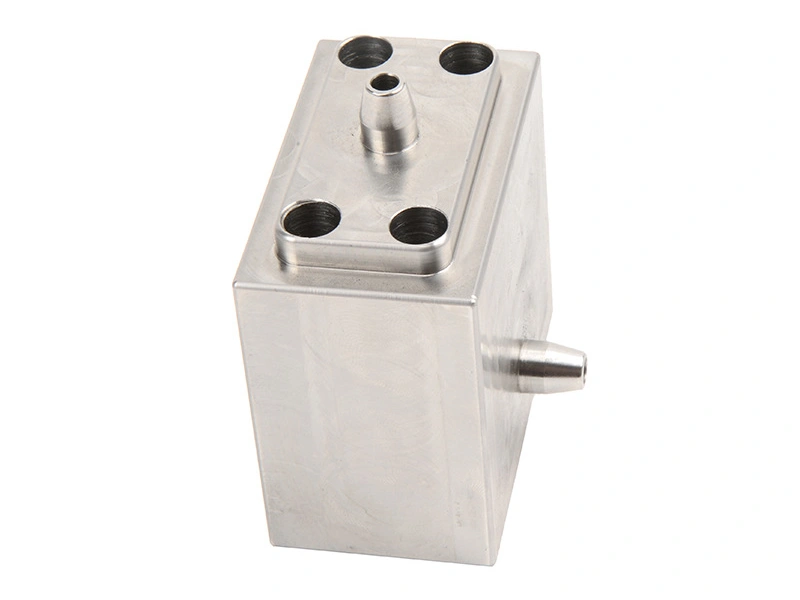
Published pages can help frame the evaluation, but they cannot prove capability for a specific part. A custom CNC machining service capability page identifies processes to question; quality control in CNC machining content can identify inspection topics; and this precision machining case study may show how a supplier explains an earlier job. Buyers still need order-specific assumptions, records, sample results, capacity facts, and approval responsibilities. The decision should rest on comparable evidence, not website claims or a single successful part.
1. Unit Price Alone Does Not Show the Real Cost of a CNC Supplier
Unit price does not show the real sourcing cost until every supplier quotes the same technical and commercial boundary. Normalize quantity and price breaks, raw-material grade and condition, certificates, nonrecurring engineering, tooling, inspection records, outside processing, protective packaging, freight basis, duties, payment terms, and approved deviations. Record each exclusion beside the quoted number. Otherwise, one supplier may appear cheaper only because another supplier included work that the buyer will still have to purchase.
Total evaluated cost also includes buyer effort and failure exposure, but risk should not be converted into invented currency. Track measurable items separately: clarification hours, sample iterations, late-delivery impact, incoming inspection, containment, scrap, rework, replacement freight, line interruption, and transfer work. Use actual company data when available. When data is absent, score the risk and evidence strength instead of pretending that an unsupported estimate is precise.
Comparison Factor | Scope to Normalize | Evidence and Buyer Action |
|---|---|---|
Quoted unit price | Quantity, price break, material, finish, inspection, packaging, freight basis, and exclusions | Issue one RFQ revision and return a line-by-line scope comparison before award |
Quality stability | Critical features, final part state, sampling, records, nonconformance, and revalidation | Review the proposed control plan and release a representative sample or pilot |
Engineering support | DFM questions, quotation assumptions, deviation authority, revision handling, and response ownership | Compare written responses to the same controlled drawing and technical questions |
Lead time reliability | Start event, material allocation, capacity, outside processing, approval waits, dispatch, and transit | Require dated milestones, dependency owners, recovery actions, and a defined delivery event |
Communication efficiency | Technical contact, commercial contact, escalation route, decision authority, and status cadence | Test one real clarification and assess accuracy, closure, and revision traceability |
2. Quality Capability Should Be Checked First, Because It Protects the Whole Project
Quality capability should be checked against the part's actual acceptance risks, not a generic equipment list. The linked quality control in CNC machining and ISO-certified CMM quality assurance pages can supply audit questions, but the buyer needs order-specific proof. Ask how the supplier will establish datums, support the part, control temperature and surface state, verify threads and roughness, inspect after coating or heat treatment, identify the instrument, and connect each result to the released revision.
Release a sample or pilot that represents the intended material, setup, finish route, and measurement method. Compare the supplier's results with the buyer's method when a feature is critical or historically disputed. A passed first article shows that the inspected sample met the specified requirements under recorded conditions; it does not prove recurring capability. Production approval also needs an agreed sampling plan, reaction limits, nonconformance workflow, traceability, and revalidation trigger after a material, program, fixture, machine, gauge, or outside-process change.
3. Lead Time Should Be Compared by Reliability, Not Only by the Fastest Promise
Lead time should be compared through a dated critical path rather than the shortest headline promise. Each quotation should state when the clock starts, whether material is allocated, what capacity is reserved, and which fixtures or tools must be prepared. The quotation should also identify where outside processing occurs, when final inspection is available, which buyer approvals are assumed, and whether the date means ready to ship or delivered. A promise without these conditions is difficult to validate or recover.
Ask each supplier to identify the longest dependency and the response when it slips. Useful evidence includes milestone ownership, material confirmation, first-piece timing, outside-processor booking, inspection capacity, status reporting, and a recovery route that does not remove required controls. Historical on-time delivery can support the review only when its definition, date range, order mix, and exclusions are known. An attractive percentage without those boundaries is not comparable evidence for the current order.
4. Engineering Communication Matters Because Custom Parts Almost Always Need Clarification
Engineering communication matters because an unresolved clarification can alter price, process, inspection, or acceptance after award. Compare how suppliers handle conflicts between model and drawing, missing datums, ambiguous thread notes, finish allowances, unrealistic tolerances, inaccessible features, cosmetic limits, and revision changes. A useful response identifies the affected requirement, explains the manufacturing consequence, proposes bounded options, and asks the authorized buyer to approve one route.
Test communication before supplier selection with the same drawing-based question for every bidder. Record response accuracy, assumptions, evidence, decision owner, due date, and whether the released files require revision. Fast answers that are technically incomplete should not score above slower answers that close the issue correctly. The purchase order should name technical and commercial contacts, escalation points, change authority, and the status format, so informal email comments cannot silently replace the controlled product definition.
5. Material Capability Is Important Because Not All Suppliers Handle Metals Equally Well
Material capability should be evaluated for the exact grade, condition, stock form, section size, certification, and final process required by the drawing. Broad claims about aluminum, steel, titanium, or nickel alloys do not show whether a supplier understands work hardening, heat generation, residual stress, burr behavior, tool wear, distortion, or finish compatibility for the selected material and geometry. Request the proposed stock specification, source status, certificate scope, machining route, and controls for substitution or lot change.
The supplier also needs a plan for material-related failure. Wrong condition, insufficient machining allowance, mixed lots, missing traceability, delayed stock, or a finish incompatible with the selected alloy can stop the order after release. Ask who verifies incoming material, how identity follows blanks and work in process, what evidence accompanies delivery, and which alternate grades are preapproved. Material familiarity has value only when it appears in the quoted route and validation evidence.
Supplier Capability Area | Order-Specific Evidence to Request |
|---|---|
Quality system | Part control plan, final-state inspection method, sample records, reaction plan, and traceability route |
Lead time discipline | Dated critical path, allocated resources, dependency owners, status cadence, and recovery logic |
Engineering communication | Controlled clarification log, named authority, closed assumptions, revision hierarchy, and escalation route |
Material capability | Exact grade and condition, stock source, certificate scope, process risks, and substitution control |
DFM support | Marked requirement, causal explanation, bounded alternative, functional impact, and approved disposition |
6. DFM Support Is One of the Best Signs of a Strong Custom CNC Supplier
DFM support is valuable when it connects a specific drawing requirement to tool access, setup count, workholding, distortion, burr removal, inspection, finishing, cost, or schedule. A generic request to loosen every tolerance is not useful DFM. Compare suppliers by issuing the same controlled model and asking them to identify the three requirements that most strongly affect risk. Each proposal should preserve the required function or state the functional evidence needed before a change is approved.
Convert accepted DFM into controlled product data before manufacturing. The record should show the original requirement, proposed change, reason, affected fit or performance, cost and schedule effect, approval authority, and resulting revision. This prevents a quotation assumption from becoming an unauthorized production change. A supplier that finds a real issue but cannot maintain the approved disposition may create more risk than a supplier that proposes fewer, better-supported changes.
7. Buyers Should Look for Real Execution Proof, Not Just Capability Claims
Execution proof should be relevant to the proposed material, process, geometry, volume, final finish, and acceptance method. A published page such as this precision machining case study can show the questions a supplier is prepared to discuss, but self-published content is not independent verification. Request appropriately redacted sample reports, process and inspection plans, change records, nonconformance examples, corrective-action closure, delivery definitions, and references where confidentiality permits.
Then verify capability on the buyer's part. Use a representative sample or pilot, identify critical features and known risks, agree the final part state, and review results before releasing larger quantities. An earlier project on a different alloy or geometry is context, not a guarantee. Supplier evidence becomes decision-grade only when its scope is known and the current order confirms the assumptions that matter.
8. Low Quotation Does Not Always Mean Low Total Cost
A low quotation can become the higher total cost when its scope omits material documentation, final finishing, critical-feature inspection, protective packaging, or revision control. The apparent saving then returns as change orders, buyer inspection, rework, replacement freight, delayed approval, or line interruption. Another failure occurs when a supplier prices an easy temporary route for samples but does not identify the fixtures, gauges, controls, and capacity needed for recurring production.
Before award, reconcile every quote to a common scope and record residual risks separately from price. If the low bidder lacks evidence for a critical requirement, use a bounded sample or pilot with explicit release criteria rather than assuming the risk is harmless. If the evidence still fails, the buyer can reject the source or require a corrective plan. This decision protects cost without treating the highest quote as automatically superior.
9. Practical Procurement Checklist for Comparing Custom CNC Suppliers
Checklist Item | What Buyers Should Ask | Evidence Required for the Decision |
|---|---|---|
Quality capability | How will every critical feature be controlled and verified in its final state? | Control plan, suitable measurement method, sample results, reaction plan, and traceability |
Lead time reliability | Which dependency controls the date, and what happens if it slips? | Dated milestones, allocations, owners, recovery action, and defined delivery event |
Engineering communication | How are assumptions, clarifications, deviations, and revision changes closed? | Named authority, clarification log, approval record, escalation route, and updated files |
Material capability | Can the exact grade, condition, stock form, certification, and finish route be controlled? | Source confirmation, certificate scope, process plan, lot identity, and substitution rules |
DFM support | Which requirement drives risk, and how does the proposed change preserve function? | Marked requirement, cause, alternative, functional impact, approval, and resulting revision |
Execution evidence | Which previous evidence is relevant, and what must the current order revalidate? | Scoped records, representative sample or pilot, closed deviations, and release decision |
Total cost view | Which included, excluded, and risk costs differ after quote normalization? | Common scope matrix, actual internal cost data, risk score, and award rationale |
10. Summary
Buyers should select the supplier that offers the strongest verified value for the released order, not automatically the lowest or highest quote. Compare normalized scope, relevant machining capability, final-state quality evidence, critical-path credibility, material control, engineering decisions, change and nonconformance handling, packaging, traceability, and transfer readiness. Weight the scorecard according to the part's actual failure consequences and document the award rationale.
Use published quality pages and case pages to prepare questions, not to replace verification. Send every bidder the same controlled RFQ, normalize each response, close assumptions, and test critical claims with a relevant sample or pilot. Release production only when the chosen supplier's evidence, responsibilities, limits, and change rules match the drawing, purchase order, and buyer's risk tolerance.