How Is Quality Controlled Throughout the Parts Machining Process?
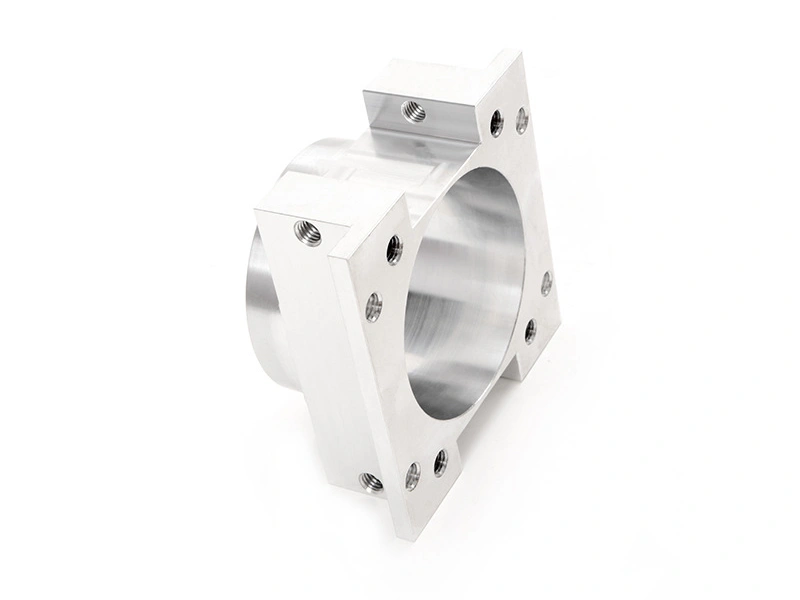
How Is Quality Controlled Throughout the Parts Machining Process?
Quality is controlled throughout a parts machining process by linking drawing review, process planning, first-article approval, in-process controls, final-state inspection, and a reaction plan for nonconformance. Inspection alone cannot create a capable process. The control plan must identify each critical feature, its datum and acceptance rule, when it is measured, the suitable method, and what happens when drift appears. Buyers should define required reports, sampling or full-inspection scope, and whether dimensions apply before or after finishing.
Layered control detects different risks at different times. First-article inspection finds setup, revision, tool, and interpretation errors. In-process checks detect tool wear, heat, chip contamination, or fixture movement before a lot is affected. Final inspection verifies the released condition, including burrs and surface damage. Related detail appears in quality control in CNC machining and ISO-certified CMM quality assurance for CNC machined components, but the actual method must match the drawing and feature.
1. Quality Control Starts Before the First Part Is Cut
Pre-production quality control converts the drawing into a process and inspection plan. The review identifies critical datums, bores, threads, sealing faces, thin walls, surface states, and features that can move after unclamping or finishing.
The team then assigns workholding, operation sequence, tool access, intermediate stock, measurement stage, and reaction limits. This prevents an accurate measurement of the wrong revision or an inspection setup that does not reproduce the drawing datum scheme.
Pre-Production Quality Step | Required Output |
|---|---|
Drawing and tolerance review | Critical features, datum scheme, acceptance state, and unresolved questions |
Process planning | Operation sequence that controls access, distortion, burrs, and finish allowance |
Fixture strategy review | Repeatable locating, controlled clamping, and verified datum transfer |
Tooling and gauge planning | Feature-specific cutting, measurement, calibration, and reaction method |
2. What Is First Article Inspection and Why Is It So Important?
First-article inspection verifies that the released revision, setup, program, tooling, workholding, and inspection interpretation can produce an acceptable first part. Its scope should follow the buyer's requirement and the component risk rather than an assumed universal checklist.
A failed position, thread, bore, or surface result can reveal an incorrect datum, offset, tool, or finishing allowance before the remaining lot is made. Approval should record the inspected state and any permitted correction; it should not hide a drawing conflict behind an operator adjustment.
3. How Does In-Process Inspection Control Quality During Machining?
In-process inspection checks selected features or process signals while correction is still possible. Measurements after roughing, semi-finishing, or a controlled interval can confirm remaining stock, bore trend, thickness, slot width, thread condition, or part seating.
The check frequency should reflect feature risk, tool behavior, lot size, and process evidence. When drift appears, the reaction plan can stop production, segregate affected parts, inspect back to the last accepted result, correct the cause, and document restart approval.
Inspection Stage | Main Decision | Typical Evidence |
|---|---|---|
First article inspection | Is the released setup ready to continue? | Revision, critical dimensions, datum results, threads, and surface state |
In-process inspection | Is the process stable and within its reaction boundary? | Trend checks, remaining stock, tool-related variation, and corrective records |
Final inspection | Does the finished, released condition meet acceptance? | Dimensions, geometry, threads, burrs, finish, damage, and required reports |
4. What Happens in Final Inspection?
Final inspection verifies the part in the state the buyer will receive. Dimensions that can change during coating, heat treatment, deburring, cleaning, or unclamping should be checked after the relevant operation unless the specification states otherwise.
The final plan combines dimensional, geometric, functional, and visual checks according to the drawing. Sampling is not automatically acceptable for every critical feature, and 100% inspection is not automatically necessary for every dimension; the buyer and supplier should agree the scope and records.
5. Which Inspection Tools Are Most Commonly Used?
Inspection tools are selected by feature, tolerance, datum, accessibility, surface, and required uncertainty. A coordinate measuring machine can evaluate complex relationships, while a micrometer, bore gauge, height gauge, or functional gauge may provide a more direct result for a simpler feature.
Visual inspection covers burrs, dents, scratches, edge damage, contamination, or coating defects that dimensional data may miss. The instrument's resolution alone does not prove that the method is suitable or that the manufacturing process can hold the requirement.
Inspection Tool | Appropriate Use Boundary |
|---|---|
CMM | Datum relationships, position, profile, and accessible complex geometry |
Micrometer and caliper | Accessible sizes when range, contact, method, and uncertainty are suitable |
Bore gauge and plug gauge | Bore size, trend, or functional acceptance under the specified gauge method |
Thread gauge | Specified internal or external thread functional conformity |
Height gauge | Feature height or location from an appropriate surface datum |
Visual inspection | Burrs, scratches, dents, finish variation, contamination, and edge quality |
6. How Are Burrs Controlled in Parts Machining?
Burr control begins with material behavior, tool condition, cutting direction, support, and edge geometry. Tool exit across a thin or unsupported edge can create a different burr from the same cut on a rigid feature.
Deburring may use a defined edge break, brushing, manual work, or another approved method. Inspection should cover intersecting holes, threads, sealing paths, and inaccessible edges where residual burrs can block flow, alter assembly, or detach in service.
7. How Is Dimensional Drift Controlled During Production?
Dimensional drift is controlled by monitoring the features most sensitive to tool wear, heat, chip buildup, material variation, or fixture seating. Trend data can trigger tool replacement, offset review, fixture cleaning, or process stoppage before results cross the drawing limit.
Offset correction should follow an authorized reaction plan, not become a substitute for finding the cause. Parts produced since the last accepted check need a defined containment and review boundary.
8. How Are Surface Defects Kept Under Control?
Surface defects are controlled through tool condition, cutting stability, clamping protection, chip handling, cleaning, transport, and packaging. Functional bearing or sealing surfaces require different acceptance from cosmetic faces or noncritical stock-removal areas.
The drawing or approved reference should identify visible zones, finish state, edge criteria, and allowable variation. Inspection after the final handling step confirms that an acceptable machined surface was not damaged during finishing or packing.
Common Quality Risk | Main Cause | Control and Validation |
|---|---|---|
Burrs | Tool wear, exit geometry, material behavior, or unsupported edges | Cutting review, controlled deburring, and feature-specific edge inspection |
Dimensional drift | Tool wear, heat, poor seating, chip buildup, or material variation | Trend checks, reaction limits, containment, correction, and restart approval |
Surface defects | Vibration, worn tools, clamping, handling, finishing, or packaging damage | Stable cutting, protected handling, approved reference, and final visual check |
9. Why Layered Quality Control Is Better Than End-Only Inspection
Layered control is better than end-only inspection because it prevents and contains defects before all value is added. Planning controls known risks, first-article inspection confirms the setup, in-process checks detect drift, and final inspection verifies the released state.
For buyers, the useful evidence is not a long list of instruments. It is a control plan showing critical features, check stage, method, frequency, acceptance rule, reaction, records, and responsibility.
10. Summary
Quality throughout parts machining is controlled by connecting drawing requirements to process controls, staged inspection, reaction limits, containment, and final-state acceptance. First article, in-process, and final inspection each answer a different production question.
A reliable parts machining quality plan assigns the appropriate method to each critical feature and records what happens when a result trends or fails. Buyers should put the required inspection scope, reports, sampling rule, final measurement state, and nonconformance response in the RFQ.