Услуга 3D-печати термопластами | Многоструйное сплавление (MJF)
Введение: Переосмысление мелкосерийного производства пластиковых деталей
В быстро меняющемся ландшафте современного производства спрос на пластиковые детали становится все более разнообразным и индивидуализированным. Традиционное литье под давлением предлагает незаменимое преимущество в стоимости при массовом производстве; однако оно уступает в мелкосерийном производстве, быстрой итерации и создании сложных геометрий. Именно здесь технология многоструйного сплавления (MJF) демонстрирует свою уникальную ценность. Как инженеры аддитивного производства в Neway, мы воочию наблюдали, как эта технология помогает клиентам преодолеть ограничения традиционного производства, значительно сокращая циклы разработки продукции при сохранении отличного качества деталей.
Основной принцип технологии MJF: Высокоскоростное прецизионное плоскостное производство
Уникальность многоструйного сплавления заключается в его инновационном принципе работы. В отличие от традиционного лазерного сканирования точка за точкой, MJF использует подход полного плоскостного производства. Процесс начинается с равномерного нанесения ультратонкого слоя нейлонового порошка на платформу построения. Затем высокоточная печатающая головка выборочно наносит два типа специальных агентов на поверхность порошка: агент сплавления и детализирующий агент. Агент сплавления наносится на области, где материал должен быть сформирован, в то время как детализирующий агент используется для точного определения краев и предотвращения потери точности, вызванной нежелательной диффузией тепла.
Когда инфракрасная энергия равномерно нагревает всю камеру с порошком, области с агентом сплавления быстро поглощают энергию, заставляя частицы нейлонового порошка плавиться и сплавляться вместе в плотные твердые структуры. Этот процесс повторяется слой за слоем, пока не будет создана полная деталь. По сравнению с селективным лазерным спеканием (SLS), механизм плоскостного экспонирования MJF обеспечивает значительное преимущество в скорости печати, что делает его особенно подходящим для среднесерийного производства.
Основные варианты материалов для MJF: Исключительные характеристики нейлоновых материалов
Выбор материалов для MJF в основном сосредоточен на высокопроизводительных нейлоновых материалах, каждый из которых обладает отличительными характеристиками. PA12 (Нейлон 12) является наиболее часто используемым базовым материалом, обладающим отличным балансом механических свойств, высокой химической стойкостью и выдающейся размерной стабильностью, что делает его предпочтительным выбором для большинства применений. PA11 известен своей большей вязкостью и ударной прочностью, и, поскольку он получен из возобновляемых ресурсов, он лучше соответствует целям устойчивого развития.
Для применений, требующих более высокой жесткости и термостойкости, идеальным вариантом является нейлон, наполненный стеклянными микросферами (PA12 GB). Добавленные стеклянные микросферы не только увеличивают жесткость и температуру тепловой деформации, но и значительно уменьшают усадку при формовании. Нейлон, наполненный углеродным волокном, предлагает исключительную прочность, жесткость и размерную стабильность, что делает его идеальным выбором для высоконагруженных конструкционных компонентов. Благодаря этим высокопроизводительным материалам MJF выделяется в области 3D-печати пластиком.
Шесть ключевых причин выбрать 3D-печать MJF
Технология MJF выделяется среди различных процессов аддитивного производства своими уникальными преимуществами. Во-первых, ее выдающиеся механические характеристики являются основной конкурентной силой. Благодаря механизму полного плоскостного нагрева детали, произведенные методом MJF, обладают действительно изотропными механическими свойствами, что означает, что они сохраняют постоянную прочность во всех направлениях.
Высокая производственная эффективность — еще одно заметное преимущество. По сравнению с традиционным сканированием точка за точкой, принцип плоскостного построения MJF обеспечивает гораздо более высокие скорости построения. В реальных производственных сценариях скорость печати MJF может в несколько раз превышать скорость других технологий, обеспечивая критическое временное преимущество для срочных проектов клиентов.
Отличная точность и качество поверхности позволяют деталям MJF соответствовать требованиям большинства промышленных применений. Технология обеспечивает высокое разрешение деталей и однородную текстуру поверхности, часто достигая функциональных стандартов без сложной постобработки. Что еще более важно, MJF не требует опорных структур, что не только максимизирует свободу проектирования, но и значительно сокращает время и стоимость постобработки.
С экономической точки зрения, MJF успешно преодолевает традиционный порог рентабельности серийного производства при литье под давлением. При производстве от 50 до 5000 пластиковых деталей MJF часто является наиболее экономически эффективным решением. Кроме того, до 80% неиспользованного порошка в процессе MJF может быть переработано, тем самым снижая производственные затраты и отражая передовую концепцию устойчивого производства.
Варианты постобработки и финишной отделки деталей MJF
Детали, произведенные методом MJF, могут быть дополнительно улучшены с помощью различных методов постобработки. Пескоструйная обработка является наиболее распространенной и базовой процедурой, обеспечивающей равномерное матовое покрытие всех поверхностей. Для применений, требующих определенных цветов, мы предлагаем профессиональные услуги окрашивания для достижения стойкого черного и других цветовых эффектов.
С помощью процессов сглаживания можно значительно улучшить текстуру поверхности и уменьшить пористость, тем самым повышая герметичность и чистоту. Когда требуется особый внешний вид, услуги покраски предоставляют широкий выбор цветов и специальных эффектов для удовлетворения требований бренда или эстетических запросов.
MJF против других технологий 3D-печати пластиком: Всестороннее сравнение
При выборе правильной технологии 3D-печати важно понимать, как MJF сравнивается с другими процессами. По сравнению с SLS, MJF имеет явные преимущества в скорости печати, экономической эффективности и качестве поверхности, особенно для среднесерийного производства. Хотя SLS может предлагать более широкий ассортимент материалов, MJF превосходит его с точки зрения производственной эффективности и согласованности.
По сравнению с FDM, MJF обеспечивает превосходную производительность в точности, прочности и изотропии. Хотя оборудование FDM обычно дешевле, слабое межслойное сцепление и видимые линии слоев ограничивают его пригодность для ответственных функциональных деталей. Напротив, детали MJF обладают однородными механическими свойствами и превосходной отделкой поверхности.
По сравнению с SLA, детали, произведенные методом MJF, демонстрируют лучшие механические свойства, термостойкость и долгосрочную стабильность. Хотя SLA превосходит в мелких деталях и гладкости поверхности, хрупкость и склонность к старению многих смоляных материалов ограничивают их использование в функциональных применениях.
Инновационные применения технологии MJF в различных отраслях
Технология MJF трансформирует подходы к производству в различных отраслях. В автомобильном секторе она поддерживает все: от функциональных прототипов и мелкосерийных индивидуальных деталей до приспособлений и кондукторов, предлагая быстрые и экономичные решения. Получаемые детали соответствуют строгим требованиям к производительности при значительном сокращении циклов разработки.
Индустрия медицинских устройств является еще одной ключевой областью применения MJF. Благодаря нашим услугам по производству медицинских устройств, мы можем изготавливать точные хирургические направляющие, сложные корпуса для медицинских инструментов и индивидуальные реабилитационные средства. Варианты биосовместимых материалов дополнительно расширяют ее использование в медицинских приложениях.
Потребительские товары также сильно выигрывают от технологии MJF. Будь то корпуса электронных устройств, спортивное оборудование или компоненты бытовой техники, MJF обеспечивает высококачественные результаты. Благодаря нашим услугам по производству потребительских товаров, компании могут быстро превращать концепции в продукты и ускорять проверку рынка.
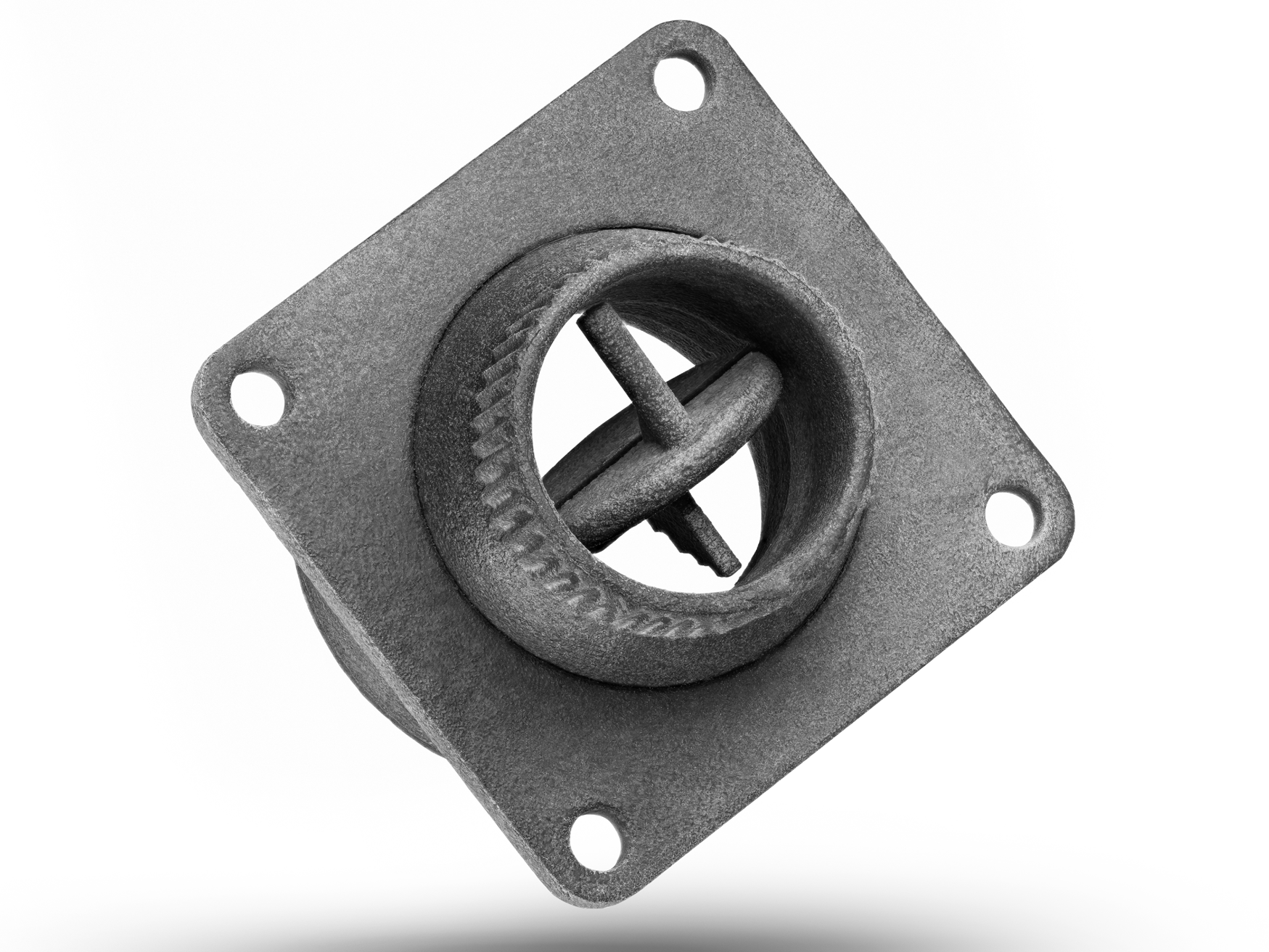
В промышленном производстве MJF используется для производства фитингов труб, шестерен, корпусов и широкого спектра индивидуальных инструментов. Эти детали не только обладают высокими механическими характеристиками, но и соответствуют конкретным экологическим и эксплуатационным требованиям. Благодаря нашим услугам по производству промышленного оборудования, мы помогаем клиентам решать сложные производственные задачи.
Преимущества услуг 3D-печати MJF от Neway
В Neway мы стремимся предоставлять высококачественные услуги 3D-печати MJF. Мы используем промышленные системы HP MJF, чтобы гарантировать, что каждая деталь соответствует высочайшим стандартам качества и согласованности. Наша инженерная команда обладает обширным опытом в области материалов и оптимизации процессов, что позволяет нам поддерживать клиентов на всем пути от доработки дизайна до постобработки.
Мы предлагаем полный спектр вариантов материалов, от стандартного PA12 до различных армированных составов нейлона, чтобы удовлетворить разнообразные требования приложений. Что касается постобработки, наши комплексные рабочие процессы и оборудование гарантируют, что каждая деталь будет доставлена в оптимальном состоянии. Будь то быстрое прототипирование или мелкосерийное производство, мы предоставляем оперативную поддержку проектов и экспертные рекомендации по процессам.
Руководство по проектированию: Как оптимизировать дизайн деталей для MJF
Чтобы в полной мере использовать преимущества технологии MJF, критически важна правильная оптимизация дизайна. Для толщины стенок мы рекомендуем минимум 0,8 мм, с идеальным диапазоном 1,5–3 мм для баланса между механической прочностью и качеством построения.
Для отверстий и каналов мы рекомендуем минимальный диаметр 1,5 мм и советуем избегать чрезмерно глубоких элементов с высоким соотношением сторон. В сборных конструкциях, таких как живые петли и защелки, важно учитывать усталостное поведение материала и модуль упругости; введение больших радиусов скругления может значительно увеличить срок службы.
Для текстур и маркировок дизайн должен учитывать технологические особенности MJF. Мы рекомендуем минимальную высоту символа 0,8 мм и глубину не менее 0,3 мм для обеспечения читаемости деталей. Для элементов с более высокой точностью может быть использована вторичная механическая обработка с применением услуг многоосевой обработки.
Заключение: Выберите MJF для эффективного и надежного производства пластиковых деталей
Технология MJF меняет ландшафт мелкосерийного производства пластиковых деталей. Она не только достигает идеального баланса между качеством продукции, производственной эффективностью и экономической целесообразностью, но и предлагает беспрецедентную свободу для проектирования и инноваций продуктов. В Neway мы верим, что эта технология продолжит открывать новые возможности для производственной отрасли.
Мы искренне приглашаем вас испытать уникальные преимущества технологии MJF. Нужны ли вам функциональные прототипы с помощью 3D-печати нейлоном или вы ищете дополнительное решение помимо традиционных услуг ЧПУ-обработки, наша инженерная команда готова предоставить вам профессиональную поддержку. Давайте вместе исследуем безграничный потенциал аддитивного производства и воплотим инновационные идеи в жизнь.
Часто задаваемые вопросы