316 Stainless Steel CNC Machining for Corrosion-Resistant Fluid, Medical, and Chemical Components
316 Stainless Steel CNC Machining for Corrosion-Resistant Fluid, Medical, and Chemical Components
For buyers selecting a CNC-machined part for chloride-bearing fluid, medical, food, or chemical equipment, 316 or 316L is a sound starting point when corrosion exposure, cleanability, and stable sealing surfaces matter more than minimizing material cost. The choice is conditional: confirm the actual medium, concentration, temperature, pressure, crevice risk, product form, heat treatment, weld exposure, and cleaning method before releasing the drawing. 316's molybdenum-bearing chemistry generally gives more chloride resistance than 304, while 316L is usually preferred when welding or heat-affected zones could affect corrosion performance. Neither grade removes the need to control work hardening, burrs, contamination, dimensional drift, and final-state evidence. This article connects those material limits to a practical CNC machining and RFQ review.
A supplier should receive more than a grade callout when a 316 stainless steel part will carry fluid, sit inside a cleanable assembly, or contact a process chemical. The drawing package should identify the product form and supply condition, critical datums, sealing geometry, thread standard, surface treatment, cleanliness boundary, inspection method, and traceability expectation. Teams requesting Stainless Steel SUS316 CNC machining should also state whether the part is machined from bar, plate, forging, or another approved form, because grain direction, stock allowance, and heat or lot records can affect the final acceptance review. Early alignment prevents a finished part from meeting dimensions while still failing a corrosion, cleanliness, or documentation requirement.
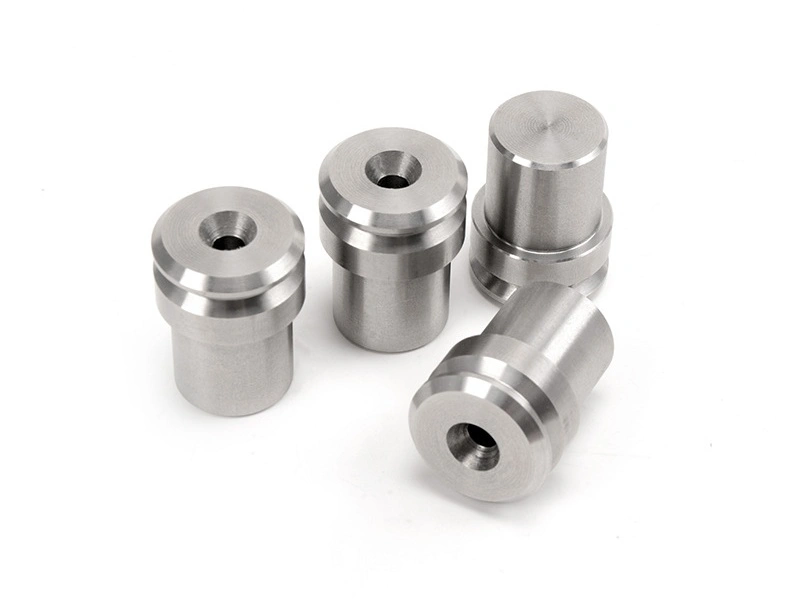
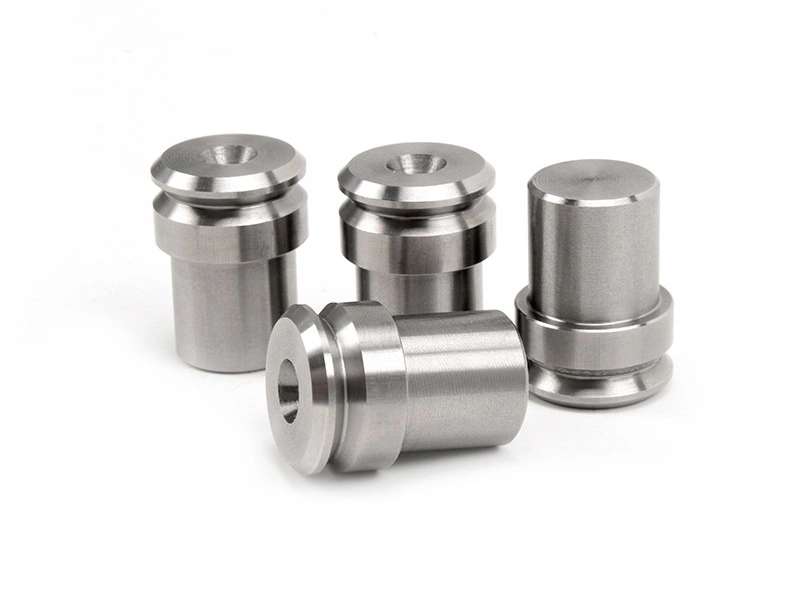
Why 316 Stainless Steel Is Used for Fluid and Corrosion-Resistant CNC Parts
316 stainless steel is often selected because its molybdenum-bearing composition can provide a wider corrosion margin than 304 in many chloride-containing or wet service conditions. That does not make it immune to pitting, crevice attack, galvanic effects, or chemical incompatibility. The buyer still needs to identify the fluid, concentration, temperature cycle, aeration, deposits, cleaning chemistry, and exposure time. A part with stagnant fluid in a narrow crevice can see a different risk than a part in an open, regularly flushed line. In sourcing terms, 316 is a candidate for manifolds, valve bodies, pump parts, connectors, sensor housings, and other precision components when the material decision is tied to a documented environment rather than to the alloy name alone.
For designs that include welding, brazing, or other thermal input, Stainless Steel SUS316L CNC machining is commonly evaluated because the lower-carbon grade can reduce sensitization risk in heat-affected zones when the welding procedure and post-weld condition are appropriate. The product form and supply condition also matter: bar, plate, and forged stock may have different machining allowances and heat or lot records. 316 and 316L are denser than aluminum alloys, so weight, handling, and section thickness should be considered alongside corrosion performance. If strength, wear, magnetic response, or temperature exposure drives the design, the purchaser should compare the complete material specification and not assume that a nominally similar grade will behave identically after machining or finishing.
This family can be useful for fluid connectors, hygienic hardware, chemical equipment parts, medical-device components, pump and valve features, and corrosion-exposed structural pieces. The boundary is important: material selection alone cannot guarantee service life. Crevices, deposits, chlorides, poor drainage, dissimilar-metal contact, or a damaged passive surface can still create failure. Buyers should therefore review geometry, cleaning access, joining method, surface treatment, and inspection evidence together. A lower-cost alloy may be acceptable in a controlled environment, while 316 may be unnecessary where exposure is mild; the correct choice follows the actual risk and the evidence required at release.
Stainless Steel Components That Benefit From 316 or 316L
The main value of 316 and 316L is not that they fit every stainless part, but that they suit components whose corrosion margin, cleanability, and precision-machined function must be considered together. The table below is a screening aid, not a substitute for a material review. Confirm the medium, mating parts, cleaning cycle, weld condition, and acceptance records before converting a recommendation into a purchase requirement.
Component Type | Recommended Material | Key Manufacturing Requirements |
|---|---|---|
Hydraulic fittings and manifolds | 316 or 316L when chloride exposure and sealing risk justify it | Define thread form, datum scheme, sealing bores, deburring, cleaning, and passivation evidence |
Medical device components | 316L where welding, cleanability, and surface control are part of the design | Control work hardening, surface texture, burr removal, process segregation, and treatment verification |
Chemical equipment parts | 316 or 316L only after the chemical and temperature envelope is reviewed | Retain material certificate, corrosion assumptions, sealing surfaces, and lot traceability |
Food-contact hardware | 316L when cleaning chemistry, deposits, and surface condition require the margin | Specify smooth accessible surfaces, burr-free transitions, cleanability, and final cleaning controls |
Pump and valve parts | 316 or 316L according to fluid, pressure, joining, and corrosion conditions | Protect sealing faces, bores, threads, datum features, and post-machining surface integrity |
Sensor housings | 316 or 304 after exposure, assembly, weight, and appearance are compared | Balance corrosion margin with fit, cable or port geometry, cleaning access, and appearance control |
Medical-related applications especially benefit from process routes that align machining, cleanliness, and surface finishing with the requirements of the Medical device CNC machining sector. The service label does not replace a product specification. The buyer should define whether the part is a fluid path, an enclosure, a structural insert, or a patient-adjacent component, then connect that role to allowable residues, surface treatment, packaging, and inspection records. The same 316L stock can require a different route when it has a polished bore, a welded joint, a hidden blind hole, or a critical sealing land.
Machining Risks in 316 Stainless Steel Parts
316 stainless steel can be machined reliably, but its behavior rewards a stable process plan. Work hardening is a primary risk: rubbing, dwelling, light cuts, or a tool that loses its edge can create a hardened layer that increases cutting force and accelerates wear on the next pass. The result may be a drifting bore, inconsistent thread form, or a finish that changes as the tool wears. Built-up edge, heat accumulation, and chip recutting can damage sealing lands or smear material across cross holes. A quote review should therefore ask how the supplier will maintain tool engagement, chip evacuation, coolant delivery, tool-life checks, and datum control rather than accepting a generic statement that the grade is machinable. Tool condition should be linked to the feature risk: a cosmetic face and a final sealing bore should not share the same uncontrolled end-of-life decision. When roughing and finishing use different setups, the plan should preserve enough stock for the final cut and establish which datum survives the transfer.
Burrs need equal attention at thread starts, intersecting holes, keyways, blind pockets, and small passages where a visual check may not reach. A burr that remains in a fluid path can shed debris, obstruct flow, or prevent a seal from seating. Thin-wall housings can release stress and move after roughing, heat, or unclamping; a machining sequence may need a controlled stock-removal plan, soft workholding, intermediate inspection, and a final finishing pass. Internal corners and cross-drilled features should be reviewed for tool access and deburring reach. When a part will be passivated or electropolished, protect it from free iron, carbon-steel contact, dirty media, and handling residues before treatment, then verify that the cleaning and treatment route reaches blind features. An engineering scenario illustrates the decision: a 316L manifold with intersecting ports and a thin sealing flange may pass an in-process bore check but shift after unclamping. The safer approval route is to define the functional datum on the flange, finish critical bores after stress-releasing stock removal, inspect the unclamped part, and verify every cross-port edge before cleaning.
These controls are why buyers often reference precision machining when critical bores, threads, sealing faces, or thin-wall geometry must remain stable through the final operation. The process requirement should identify the features that govern fit or flow, the datums used to measure them, and the stage at which they are accepted. It should also state whether deburring, edge break, cleaning, or visual inspection applies to hidden surfaces. A supplier may propose a different tool, fixture, or sequence, but the approved route should still show how it prevents work-hardening damage, thermal distortion, contamination, and late discovery of inaccessible defects.
Surface Finish, Passivation, and Electropolishing Requirements
Surface requirements on 316 parts should be assigned by function and measured on the specified feature, not copied as one uniform value for the entire component. An external support face may accept an as-machined condition while a sealing land, fluid bore, thread flank, or hygienic cavity needs a different texture and inspection method. The drawing should identify the location, direction, sampling plan, instrument or comparator, and state of the part at measurement. Roughness is only one part of the decision; waviness, tool marks, torn material, embedded debris, edge condition, and access for cleaning can matter just as much. If a seal or coating supplier has a compatible limit, include that interface requirement instead of inventing a fixed range without the mating design.
Electropolishing can reduce peaks and improve cleanability, but it also removes material and may change edges, dimensions, and the appearance of a machined surface. Passivation removes free iron and supports formation of the passive layer, yet it cannot compensate for a smeared surface, embedded contamination, or a crevice that traps process residue. For sealing bores, threaded holes, and blind passages, the RFQ should define pre-treatment deburring, masking or coverage limits, rinse quality, drying, post-process cleaning, and evidence of completion. The required treatment should follow the environment and the approved material condition. Ask whether the measurement is taken before or after treatment and whether the report identifies the heat or lot used for the accepted parts.
For many rotational fittings, sleeves, and fluid connectors, this surface-finish logic is linked to controlled routes such as CNC turning, where thread quality, bore finish, and sealing geometry can be created in a coordinated sequence. Turning alone does not define the final condition: cross holes, milling features, deburring, passivation, electropolishing, and cleaning may create the acceptance boundary. The buyer should ask for a process flow that identifies which supplier owns each step and how the finished part is protected between operations.
Surface Requirement | Typical Buyer Concern |
|---|---|
As-machined surface | Suitable only where the drawing accepts tool marks, edge condition, and accessible cleaning for that function |
Sealing face roughness | Needs a feature-specific limit, measurement direction, mating-seal review, and leak-risk confirmation |
Electropolishing | Can improve cleanability and peak removal, but requires dimensional, edge, coverage, and evidence controls |
Passivation | Supports the passive layer after machining when free iron, residues, rinsing, and handling are controlled |
Post-process cleaning | Must address blind holes, sealing bores, internal passages, drying, packaging, and residue verification |
Inspection Documents Buyers Should Specify
Inspection requirements for 316 stainless steel parts should reflect the actual failure modes of the component. A corrosion-resistant fluid or medical part may need more than a dimensional confirmation because material identity, hidden burrs, sealing texture, cleanliness, and surface treatment can determine whether the part is usable. Start with the features that control fit, flow, pressure boundary, cleaning, or assembly, then assign an evidence type to each one. The report should identify the part or lot, drawing revision, measurement state, equipment or method, result, and disposition of any nonconformance. A certificate without a matching heat or lot reference does not provide the same traceability as a certificate tied to the inspected parts.
At RFQ stage, buyers may specify a material certificate, dimensional inspection report, CMM report for critical geometry, thread inspection record, surface roughness report, passivation or electropolishing verification, cleaning confirmation, and FAI for the first approved batch. The correct package depends on risk and quantity; not every part needs every report. State whether inspection is 100 percent, first-piece, sampling, or a supplier process record, and define how a deviation is reviewed before shipment. For recurring work, link the records to the heat or lot, operation, inspection date, and revision so a later investigation can distinguish a material change from a tool, treatment, or measurement change. Two buyer decisions should remain separate. Engineering approves whether the material, geometry, and finish fit the service environment; quality approves whether the proposed measurement and traceability package can prove conformance. Purchasing then compares suppliers on the complete route, including controlled outside treatment and record handoff, instead of comparing machining price while leaving finishing and evidence undefined.
Inspection Document | Why It Matters |
|---|---|
Material certificate | Confirms the specified 316 or 316L grade, product form, chemistry, condition, and heat or lot traceability |
Dimensional inspection report | Shows critical dimensions, datums, tolerances, measurement state, and general conformance to the drawing |
CMM report | Supports complex geometry, positional relationships, profiles, and datum-based verification that hand tools cannot fully capture |
Thread inspection record | Confirms thread form, size, class, gauge or method, start condition, and assembly risk for ports and fittings |
Surface roughness report | Connects the measured feature and direction to the specified texture, sealing function, cleanability, and instrument method |
Passivation / electropolishing verification | Records the required treatment, coverage or masking limits, batch reference, rinse or cleaning control, and completion evidence |
FAI report | Provides a first-article baseline for drawing interpretation, process capability review, measurement agreement, and later change control |
Request a 316 Stainless Steel CNC Machining Quote
A useful 316 stainless steel RFQ defines more than a solid model and a quantity. Identify the material grade, product form, supply condition, fluid or chemical exposure, temperature cycle, pressure or load context, and required heat or lot traceability. Define critical datums, thread standards, sealing features, edge and burr limits, and surface texture by feature. Add the passivation or electropolishing expectation, cleaning and packaging controls, inspection reports, and sampling rule. Clarify which characteristics are release-critical and how an alternative material, process, or treatment would be reviewed. This information lets a supplier compare the machining sequence, workholding, finishing route, inspection method, and outside processing without guessing at the acceptance boundary. It also makes supplier routes comparable: one quote may include final-state CMM inspection and controlled passivation, while another may return the part after machining and leave those operations to the buyer. Record who owns each outside process, how records follow the lot, and whether a routing or sub-supplier change requires approval before production continues.
For buyers preparing 316 stainless steel RFQs, the stainless steel CNC machining route should be reviewed against the complete part and evidence package. Ask for a process flow that separates machining, deburring, cleaning, passivation or electropolishing, inspection, and packaging, and identify the record produced at each step. A practical supplier review also checks sample access, measurement agreement, deviation approval, change notification, and how a new heat or lot is tied to the accepted report. The goal is not a generic promise of corrosion resistance; it is a controlled path from material identity and geometry to a documented final condition that the design, quality, and purchasing teams can approve.
FAQ
When should 316 stainless steel be used instead of 304 for CNC machined parts?
What should be specified for CNC machined stainless steel fluid fittings and sealing bores?
Is 17-4PH stainless steel suitable for high-strength CNC machined components?
What inspection reports are useful for stainless steel CNC parts used in medical?