Is 17-4PH stainless steel suitable for high-strength CNC machined components?
<h2 id="is-17-4ph-stainless-steel-suitable-for-high-strength-cnc-machined-components?">Is 17-4PH Stainless Steel Suitable for High-Strength CNC Machined Components?</h2>
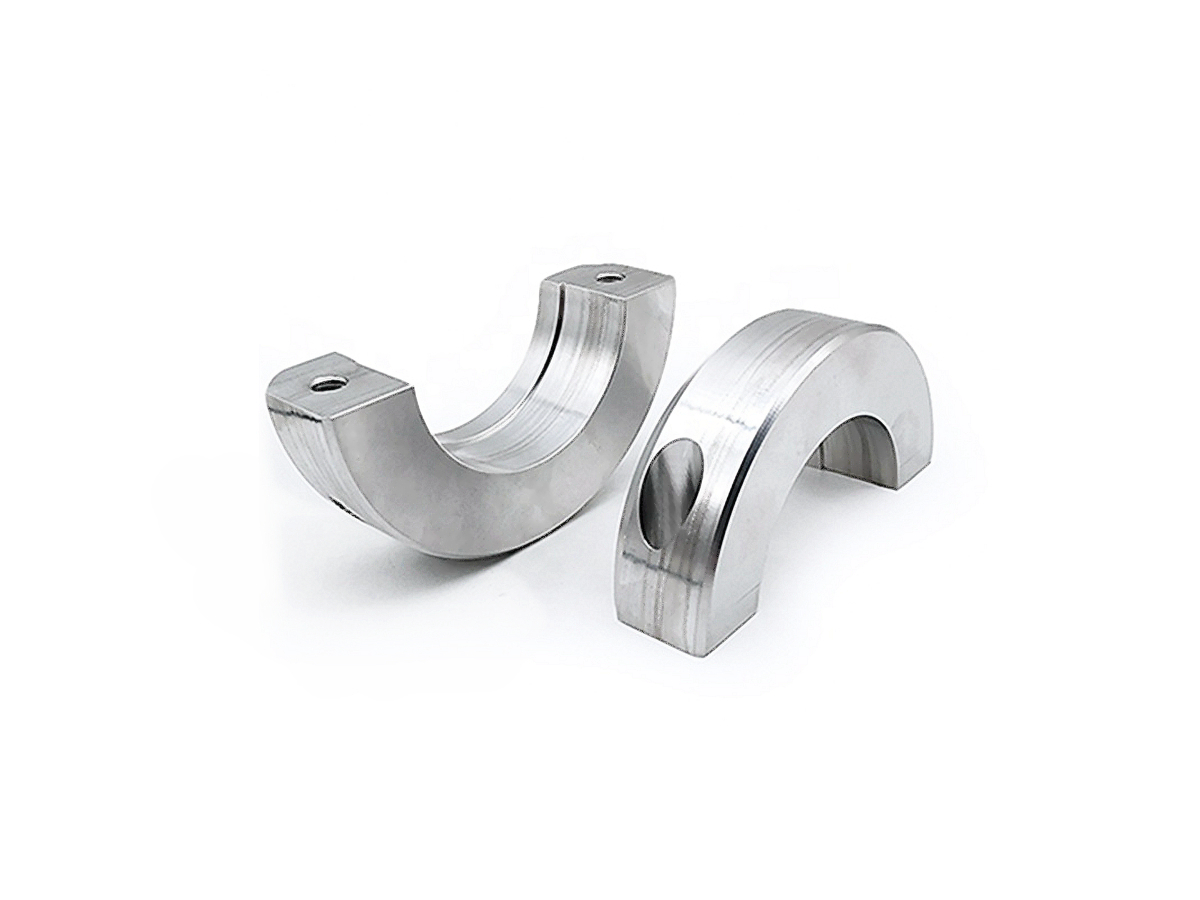
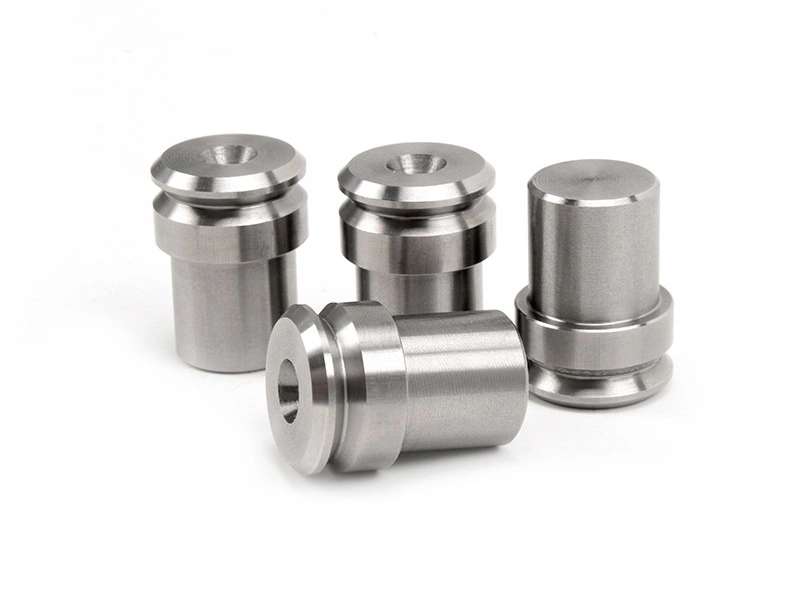
<p>Yes, <a target="_blank" href="https://www.newaymachining.com/services/stainless-steel-cnc-machining/stainless-steel-sus630-17-4ph">17-4PH stainless steel CNC machining</a> is suitable when a component needs substantially higher strength or hardness than common 304 or 316 while retaining useful stainless corrosion resistance. It is often evaluated for loaded shafts, actuator parts, clamps, structural fittings, precision housings, valve components, and aerospace hardware. Suitability depends on the specified precipitation-hardening condition, product form, section size, service environment, impact or fatigue demand, and final verification. Do not select it from the grade name alone or assume that its corrosion resistance equals 316 in every chloride or chemical exposure.</p>
<p>17-4PH is also identified as UNS S17400, Type 630, or SUS630 under different material systems, but those names do not replace a governing product specification. The buyer should define the exact material contract, supplied condition, final aged condition, heat or lot traceability, critical dimensions, and property evidence. The manufacturing route must coordinate rough machining, aging, distortion allowance, finishing, surface treatment, and inspection so the quoted part is accepted in its delivered condition.</p>
<div data-type="row" class="row"><div class="col-12 col-md-6" data-type="col"><p><a href="https://www.newaymachining.com/services/stainless-steel-cnc-machining/stainless-steel-sus630-17-4ph"><img src="https://www.newaymachining.com/storage/attachments/2026/05/11/17-4ph-stainless-steel-cnc-machining-sus630-cnc-machining.webp" width="800" height="600" loading="lazy"></a></p></div><div class="col-12 col-md-6" data-type="col"><p><a href="https://www.newaymachining.com/services/stainless-steel-cnc-machining/stainless-steel-sus630-17-4ph"><img src="https://www.newaymachining.com/storage/attachments/2026/05/11/is-17-4ph-stainless-steel-suitable-for-high-strength-cnc-machined-components.webp" width="800" height="600" loading="lazy"></a></p></div></div>
<h3 id="1.-where-17-4ph-stainless-steel-is-commonly-used">1. Where 17-4PH Stainless Steel Is Commonly Used</h3>
<div class="i-typography-table-responsive"><table><tbody><tr><th colspan="1" rowspan="1"><p>Part Type</p></th><th colspan="1" rowspan="1"><p>Why 17-4PH Is Suitable</p></th></tr><tr><td colspan="1" rowspan="1"><p>High-strength stainless steel shafts</p></td><td colspan="1" rowspan="1"><p>Useful when torque, bending, fatigue, bearing fits, and corrosion exposure require a verified aged condition and final journal geometry</p></td></tr><tr><td colspan="1" rowspan="1"><p>Precision clamping components</p></td><td colspan="1" rowspan="1"><p>Can combine high proof strength and hardness with controlled deflection, but contact stress, toughness, and repeat cycling still require validation</p></td></tr><tr><td colspan="1" rowspan="1"><p>Aerospace components</p></td><td colspan="1" rowspan="1"><p>May fit approved high-strength hardware when the drawing controls material specification, condition, traceability, special processes, and inspection evidence</p></td></tr><tr><td colspan="1" rowspan="1"><p>Automation actuator parts</p></td><td colspan="1" rowspan="1"><p>Supports loaded pins, rods, couplings, and mechanisms where wear surfaces, fatigue, impact, lubrication, and corrosion are evaluated together</p></td></tr><tr><td colspan="1" rowspan="1"><p>High-load connectors</p></td><td colspan="1" rowspan="1"><p>Offers greater strength than annealed austenitic grades, provided threads, stress concentration, aging condition, and environmental cracking risk are controlled</p></td></tr><tr><td colspan="1" rowspan="1"><p>Precision housings and mechanism parts</p></td><td colspan="1" rowspan="1"><p>Can provide stable high-strength features when heat-treatment movement, datum transfer, finish allowance, and final-state measurement are planned</p></td></tr></tbody></table></div>
<h3 id="2.-why-17-4ph-is-different-from-304-and-316">2. Why 17-4PH Is Different from 304 and 316</h3>
<p>In <a target="_blank" href="https://www.newaymachining.com/services/stainless-steel-cnc-machining">stainless steel CNC machining</a>, 304 and 316 are austenitic grades commonly selected for corrosion resistance and formability. 17-4PH is a precipitation-hardening martensitic stainless steel whose final properties depend strongly on solution treatment and aging. That route can deliver much higher strength and hardness, but it also makes the ordered condition, heat-treatment record, machining sequence, and final testing essential.</p>
<p>Higher strength does not make 17-4PH universally superior. 316 may remain preferable for chloride-rich wetted service, while 304 may be adequate for mild indoor conditions. 17-4PH may be unsuitable when extreme toughness, severe chemical resistance, nonmagnetic behavior, welding without an approved route, or a different regulatory material contract controls the design. Compare the finished properties and environment, not only nominal grade families.</p>
<h3 id="3.-heat-treatment-condition-must-be-defined">3. Heat Treatment Condition Must Be Defined</h3>
<p>Conditions such as H900, H1025, H1075, and H1150 represent different aging routes and therefore different strength, hardness, toughness, ductility, residual-stress, and corrosion tradeoffs. The suffix is not an optional purchasing note. State the required final condition and acceptance properties from the applicable material specification. If a drawing lists both a condition and separate hardness or strength limits, confirm that the requirements are compatible before quotation.</p>
<div class="i-typography-table-responsive"><table><tbody><tr><th colspan="1" rowspan="1"><p>Heat Treatment Consideration</p></th><th colspan="1" rowspan="1"><p>Engineering Impact</p></th></tr><tr><td colspan="1" rowspan="1"><p>H900 condition</p></td><td colspan="1" rowspan="1"><p>Commonly selected toward the higher-strength and higher-hardness end; review toughness, stress concentration, corrosion environment, and distortion</p></td></tr><tr><td colspan="1" rowspan="1"><p>H1025 / H1075 condition</p></td><td colspan="1" rowspan="1"><p>Intermediate choices that may balance strength, toughness, hardness, and stability when supported by the governing specification and load case</p></td></tr><tr><td colspan="1" rowspan="1"><p>H1150 condition</p></td><td colspan="1" rowspan="1"><p>Often evaluated for greater toughness and stress-corrosion margin with lower strength than shorter, lower-temperature aging conditions</p></td></tr><tr><td colspan="1" rowspan="1"><p>Machining before or after heat treatment</p></td><td colspan="1" rowspan="1"><p>Changes cutting force, tool wear, distortion allowance, achievable finish, datum strategy, and which dimensions require final-state machining</p></td></tr></tbody></table></div>
<h3 id="4.-dimensional-control-after-heat-treatment-is-important">4. Dimensional Control After Heat Treatment Is Important</h3>
<p>Tight-tolerance parts need a defined sequence for rough machining, stress release where applicable, aging, straightening authorization, finish machining, grinding, and inspection. A shaft journal, bearing seat, sealing face, precision bore, or thin wall can move when stock is removed or the condition changes. Leave a justified finish allowance and protect the datum scheme rather than promising zero movement.</p>
<p>For cylindrical features, <a target="_blank" href="https://www.newaymachining.com/services/cnc-grinding">CNC grinding</a> may restore size, roundness, runout, and texture after aging. <a target="_blank" href="https://www.newaymachining.com/services/precision-machining">precision machining</a> can control complex positions and mating features. The drawing should state which dimensions apply in the final aged state, what material may be removed afterward, and whether re-aging or surface restoration is required.</p>
<h3 id="5.-what-buyers-should-specify-before-quoting">5. What Buyers Should Specify Before Quoting</h3>
<div class="i-typography-table-responsive"><table><tbody><tr><th colspan="1" rowspan="1"><p>Required Information</p></th><th colspan="1" rowspan="1"><p>Why It Is Needed</p></th></tr><tr><td colspan="1" rowspan="1"><p>Target heat treatment condition</p></td><td colspan="1" rowspan="1"><p>Defines the property route, treatment record, machining sequence, distortion plan, and final acceptance state</p></td></tr><tr><td colspan="1" rowspan="1"><p>Hardness requirement</p></td><td colspan="1" rowspan="1"><p>Needs scale, range, location, sampling, surface condition, and test stage so the result is comparable</p></td></tr><tr><td colspan="1" rowspan="1"><p>Strength requirement</p></td><td colspan="1" rowspan="1"><p>Identifies whether high-strength 17-4PH is functional and which certificate or lot test must provide evidence</p></td></tr><tr><td colspan="1" rowspan="1"><p>Final inspection condition</p></td><td colspan="1" rowspan="1"><p>Prevents before-aging dimensions from being mistaken for acceptance of the delivered aged and finished component</p></td></tr><tr><td colspan="1" rowspan="1"><p>Material certificate requirement</p></td><td colspan="1" rowspan="1"><p>Connects grade, product form, condition, chemistry, heat or lot, and approved source to the parts</p></td></tr><tr><td colspan="1" rowspan="1"><p>Critical tolerances</p></td><td colspan="1" rowspan="1"><p>Focuses allowance, datum transfer, finishing, and inspection on load paths, fits, bores, threads, and sealing surfaces</p></td></tr><tr><td colspan="1" rowspan="1"><p>Prototype or batch quantity</p></td><td colspan="1" rowspan="1"><p>Sets fixture investment, treatment lot planning, first-article evidence, sampling, traceability, and repeat-lot controls</p></td></tr></tbody></table></div>
<h3 id="6.-machining-and-tolerance-planning-for-17-4ph">6. Machining and Tolerance Planning for 17-4PH</h3>
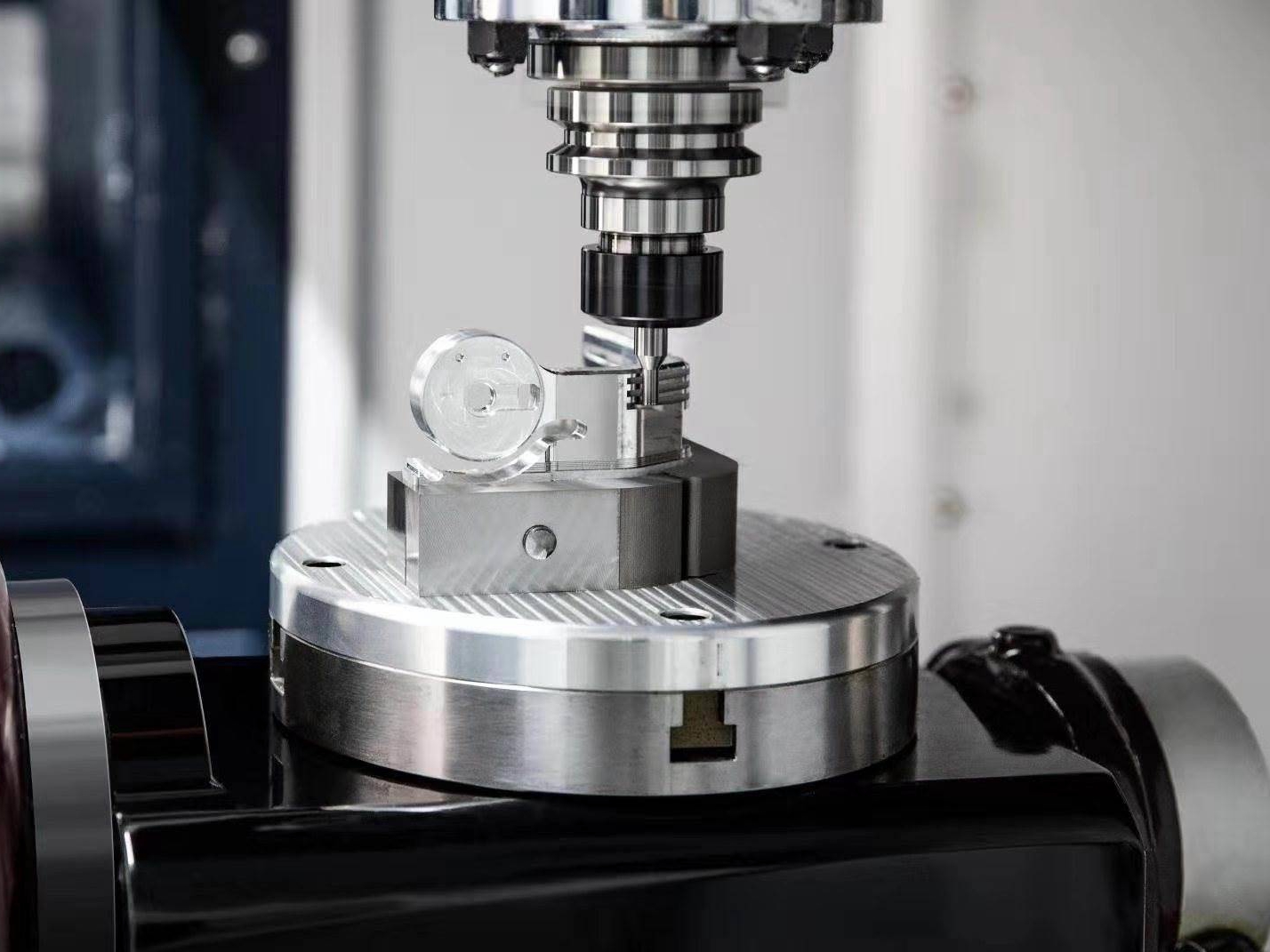
<p>Machinability changes with supplied and aged condition. Harder conditions increase cutting force, heat, tool wear, and burr-control difficulty, while solution-treated stock may move as residual stress is released. The supplier should state the blank condition, sequence, workholding, treatment ownership, finish allowance, protected surfaces, and final measurement plan. Heat-treatment scale, contamination, or surface damage also needs an acceptance route.</p>
<p>Zone tolerances by function instead of tightening the whole drawing. General guidance on <a target="_blank" href="https://www.newaymachining.com/blogs/understanding-machining-tolerances-what-buyers-must-know-before-ordering-cnc-parts">CNC machining tolerances</a> can support this review, but the load case and final aged condition govern. Verify hardness and geometry separately; one does not prove the other. Critical lots may need material, treatment, dimensional, roughness, and nondestructive evidence matched to actual risks.</p>
<h3 id="7.-practical-engineering-recommendation">7. Practical Engineering Recommendation</h3>
<p>Choose 17-4PH when a verified aged condition supplies needed strength or hardness and the service environment remains compatible with the grade. Keep 304 or 316 when corrosion, fabrication, or cost drives the decision and their lower strength is sufficient. Consider another alloy when toughness, severe chloride exposure, temperature, fatigue, galling, magnetic response, or regulatory constraints fall outside the 17-4PH boundary.</p>
<p>Provide drawing and model revision, material specification, product form, supplied and final condition, strength and hardness evidence, environment, critical dimensions, post-aging allowance, surface finish, treatment and inspection records, quantity, and deviation authority. For staged production, <a target="_blank" href="https://www.newaymachining.com/services/low-volume-manufacturing">low-volume manufacturing</a> can validate distortion, tool life, treatment response, and inspection before scaling. Buyer approval should compare the same final condition and evidence package across quotations.</p>