
English
When should 316 stainless steel be used instead of 304 for CNC machined parts?
Table of Contents
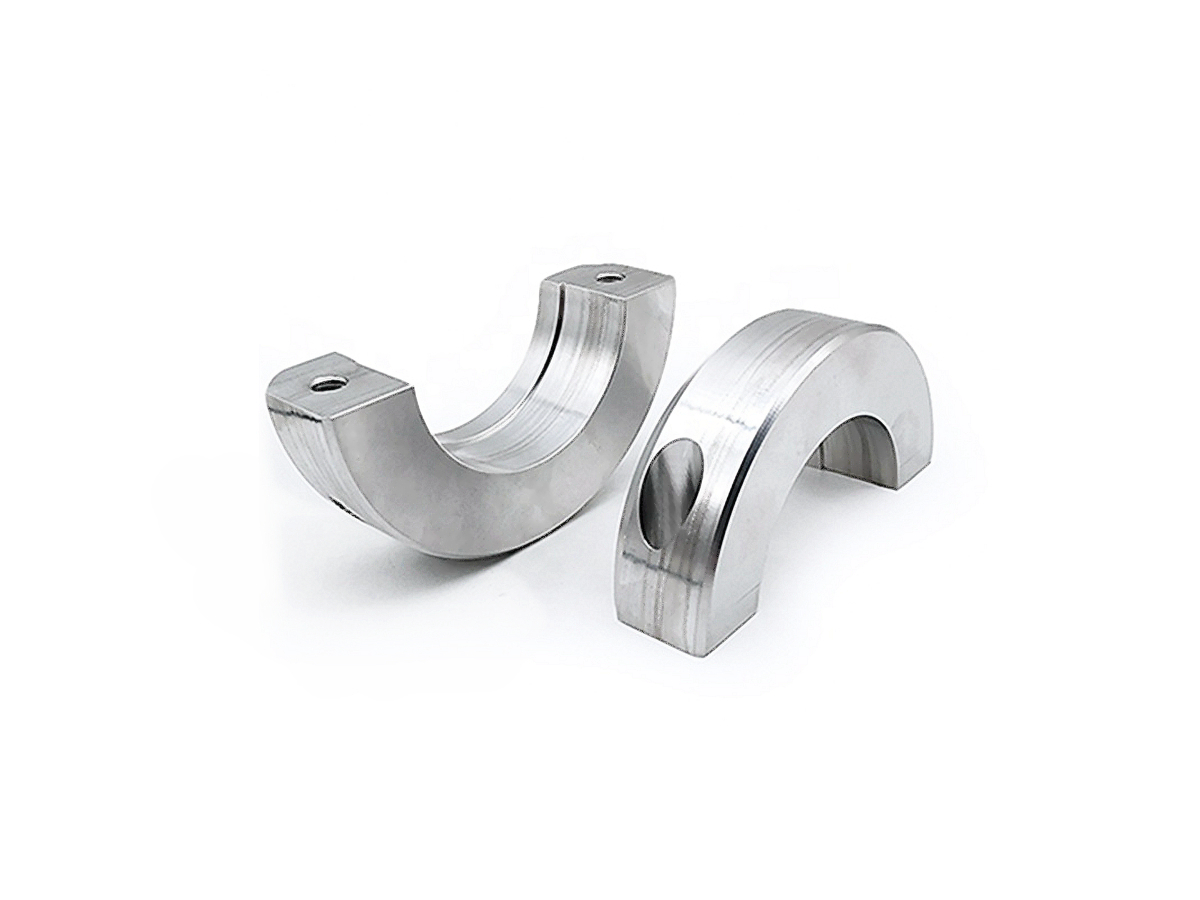
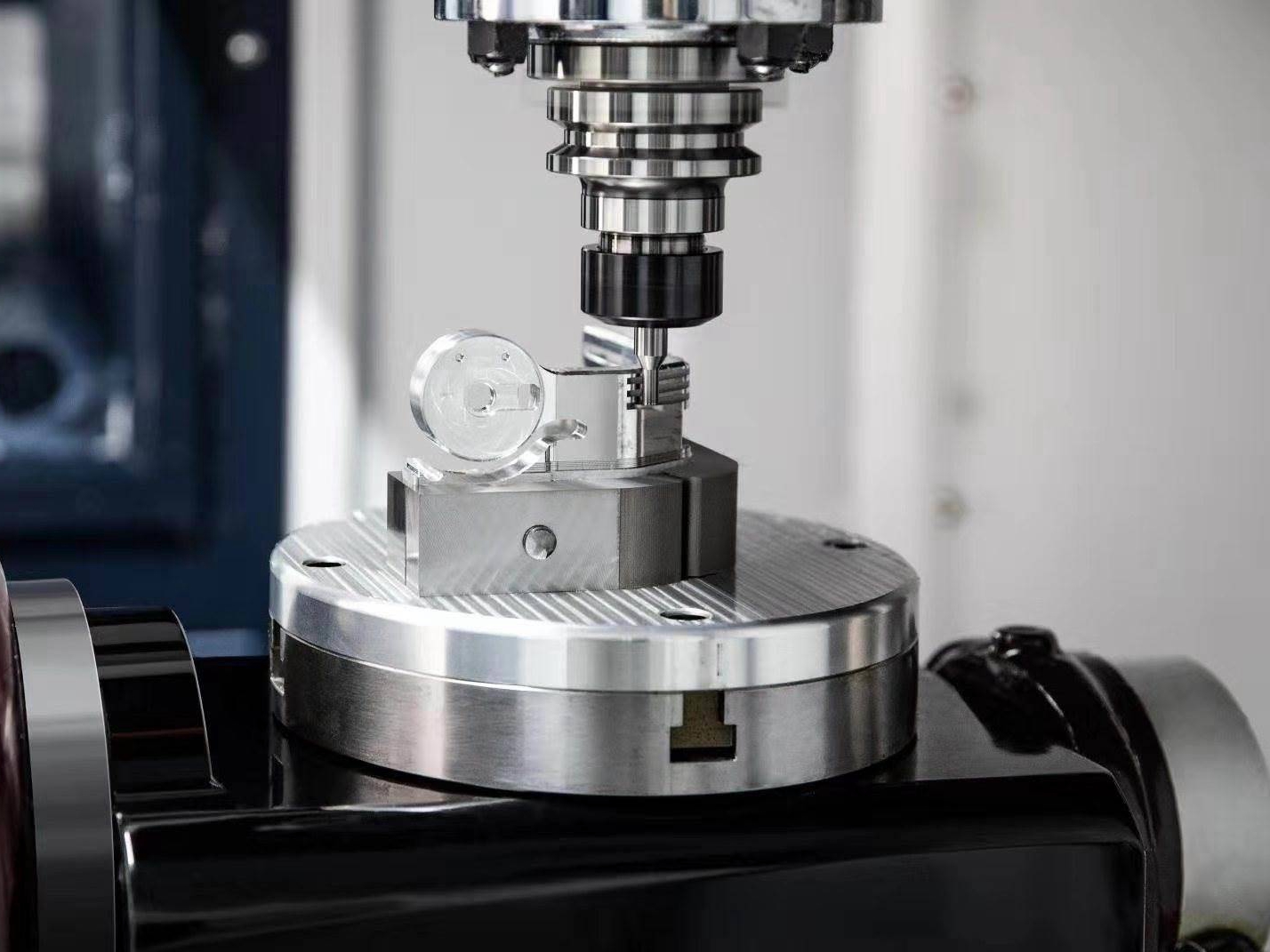
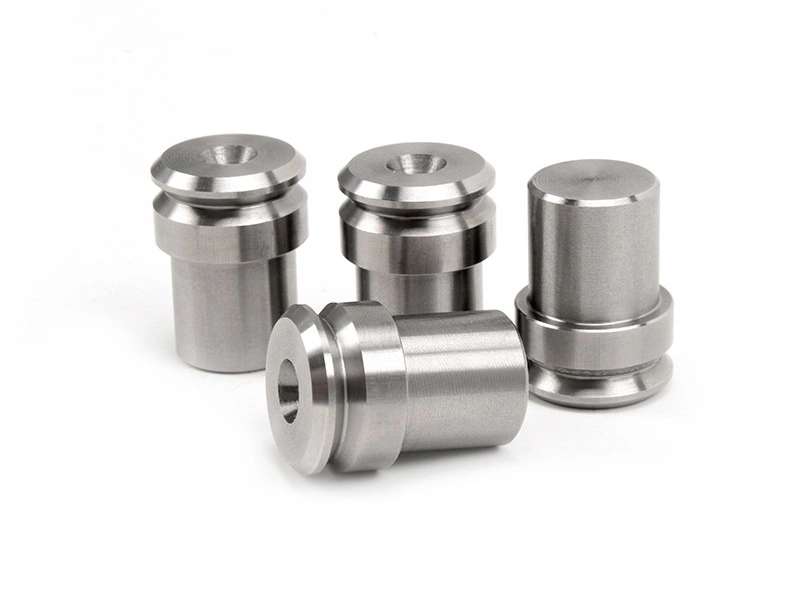
<h2 id="when-should-316-stainless-steel-be-used-instead-of-304-for-cnc-machined-parts?">When Should 316 Stainless Steel Be Used Instead of 304 for CNC Machined Parts?</h2><p>Use 316 instead of 304 when a CNC machined part faces meaningful chloride, salt, process-chemical, crevice, or repeated aggressive-cleaning exposure and the added corrosion margin protects a functional surface. Typical candidates include wetted valve bodies, manifolds, pump parts, sealing bores, sanitary fittings, and marine hardware. Keep 304 when the environment is dry or mildly corrosive and its lower material and machining cost meets the verified service condition. Grade selection alone is not enough: the buyer must define the medium, concentration, temperature, cleaning cycle, stagnant zones, surface condition, and required evidence in the <a target="_blank" href="https://www.newaymachining.com/services/stainless-steel-cnc-machining">stainless steel CNC machining</a> RFQ.</p><p>316 gains much of its chloride-pitting advantage from molybdenum, but it is not immune to crevice corrosion, warm seawater, strong acids, or poor drainage. Risk changes with chemistry, temperature, oxygen, pH, deposits, contact time, stress, weld condition, and finish quality. A valid comparison therefore uses the finished component and actual exposure rather than a generic statement that one grade is corrosion-proof. The drawing should also distinguish 316 from 316L, identify the applicable material specification and product form, and require heat or lot traceability when grade verification matters.</p><div data-type="row" class="row"><div class="col-12 col-md-6" data-type="col"><p><a href="https://www.newaymachining.com/services/stainless-steel-cnc-machining"><img src="https://www.newaymachining.com/storage/attachments/2026/05/11/316-stainless-steel-cnc-machined-parts-304-vs-316-stainless-steel-cnc-machining.webp" width="800" height="600" loading="lazy"></a></p></div><div class="col-12 col-md-6" data-type="col"><p><a href="https://www.newaymachining.com/services/stainless-steel-cnc-machining"><img src="https://www.newaymachining.com/storage/attachments/2026/05/11/when-should-316-stainless-steel-be-used-instead-of-304-for-cnc-machined-parts.webp" width="800" height="600" loading="lazy"></a></p></div></div><h3 id="1.-304-vs-316-stainless-steel-selection-guide">1. 304 vs 316 Stainless Steel Selection Guide</h3><div class="i-typography-table-responsive"><table><tbody><tr><th colspan="1" rowspan="1"><p>Application Scenario</p></th><th colspan="1" rowspan="1"><p>Recommended Material</p></th><th colspan="1" rowspan="1"><p>Engineering Reason</p></th></tr><tr><td colspan="1" rowspan="1"><p>General industrial brackets, housings, and fixtures</p></td><td colspan="1" rowspan="1"><p><a target="_blank" href="https://www.newaymachining.com/services/stainless-steel-cnc-machining/stainless-steel-sus304">Stainless Steel SUS304 CNC machining</a></p></td><td colspan="1" rowspan="1"><p>Prefer 304 for dry indoor or mild-service parts when no chloride, aggressive cleaner, stagnant fluid, or corrosion-critical interface justifies the 316 premium</p></td></tr><tr><td colspan="1" rowspan="1"><p>Food equipment components</p></td><td colspan="1" rowspan="1"><p>304 or 316L after media review</p></td><td colspan="1" rowspan="1"><p>Select from the actual product, salt content, cleaning chemistry, temperature, welds, surface finish, hygiene plan, and applicable food-contact requirements</p></td></tr><tr><td colspan="1" rowspan="1"><p>Medical device components</p></td><td colspan="1" rowspan="1"><p><a target="_blank" href="https://www.newaymachining.com/services/stainless-steel-cnc-machining/stainless-steel-sus316l">Stainless Steel SUS316L CNC machining</a></p></td><td colspan="1" rowspan="1"><p>Evaluate 316L for corrosion-sensitive, welded, cleaned, or sterilized parts, but verify the device-specific material, biocompatibility, cleanliness, and regulatory contract separately</p></td></tr><tr><td colspan="1" rowspan="1"><p>Chemical or cleaning-agent exposure</p></td><td colspan="1" rowspan="1"><p>316 or another verified alloy</p></td><td colspan="1" rowspan="1"><p>Compare alloy resistance against the named chemical, concentration, temperature, aeration, contact duration, crevices, and cleaning sequence rather than relying on family names</p></td></tr><tr><td colspan="1" rowspan="1"><p>Hydraulic fittings, valve bodies, and fluid manifolds</p></td><td colspan="1" rowspan="1"><p><a target="_blank" href="https://www.newaymachining.com/services/stainless-steel-cnc-machining/stainless-steel-sus316">Stainless Steel SUS316 CNC machining</a></p></td><td colspan="1" rowspan="1"><p>Use 316 when the fluid and environment justify it, then control sealing bores, threads, burrs, cleanliness, passivation, and final leakage-related dimensions</p></td></tr><tr><td colspan="1" rowspan="1"><p>Marine or salt-spray environments</p></td><td colspan="1" rowspan="1"><p>316 or duplex after exposure review</p></td><td colspan="1" rowspan="1"><p>316 improves chloride resistance over 304, but immersion, warm seawater, deposits, crevices, and galvanic contact may require a higher-alloy or redesigned route</p></td></tr><tr><td colspan="1" rowspan="1"><p>Cost-sensitive indoor parts</p></td><td colspan="1" rowspan="1"><p>304 when service evidence supports it</p></td><td colspan="1" rowspan="1"><p>Avoid paying for unused corrosion margin; retain 316 only where environment, cleaning, failure consequence, or customer specification makes the upgrade functional</p></td></tr></tbody></table></div><h3 id="2.-when-316-is-worth-the-extra-cost">2. When 316 Is Worth the Extra Cost</h3><p>316 is worth the premium when corrosion at a small functional area could cause leakage, contamination, seizure, calibration drift, difficult cleaning, or early replacement. Threads, sealing lands, cross holes, valve seats, narrow annuli, and shielded joints deserve special attention because deposits and stagnant liquid can create conditions different from an open surface. Compare the full cost of material, cutting time, finishing, validation, service access, and failure consequence. A cheaper 304 blank is not a saving if the component later needs redesign or unscheduled replacement.</p><p>The upgrade is less persuasive for dry indoor brackets, guards, fixtures, covers, and housings that see controlled humidity and nonaggressive cleaning. Buyers should not specify 316 only from a product-category label such as food, medical, marine, or chemical. Record the exposure that drives the decision and the surfaces that require protection. If the service condition is uncertain, request a corrosion or materials review instead of treating a supplier preference as qualification evidence.</p><h3 id="3.-why-316-performs-better-than-304-in-corrosive-environments">3. Why 316 Performs Better Than 304 in Corrosive Environments</h3><p>Both grades depend on a chromium-rich passive film, while the molybdenum normally present in 316 improves resistance to localized attack in many chloride-bearing conditions. The benefit is conditional, not absolute. Heat tint, embedded iron, rough tool marks, damaged passive film, deposits, sharp crevices, or poor drainage can reduce finished-part performance. Passivation can remove free iron and support the passive surface, but it does not convert 304 into 316 or make an unsuitable alloy resistant to every chemical.</p><p>Material identity should be tied to the ordered product specification, heat or lot, and supplied condition. For bar, plate, tube, or forging, request the applicable material certificate and confirm chemistry when traceability is required. Positive material identification may be added for risk-critical lots, but its method and acceptance rule must be stated. The corrosion decision should then be connected to finished roughness, weld condition, cleaning, passivation or electropolishing, packaging, and exposure testing where the design authority requires it.</p><h3 id="4.-when-316l-should-be-selected-instead-of-316">4. When 316L Should Be Selected Instead of 316</h3><p>316L is the lower-carbon variant and is commonly evaluated where welding or thermal exposure could make resistance near heat-affected zones important. It may also be specified for cleaned or corrosion-sensitive <a target="_blank" href="https://www.newaymachining.com/solutions/medical-device">medical device CNC machining</a> components. The L designation does not by itself prove biocompatibility, implant suitability, cleanliness, sterilization compatibility, or compliance with a device standard. Those requirements belong in the controlled drawing, material specification, process validation, and inspection plan.</p><p>For a fully machined, unwelded component, standard 316 may be acceptable when its mechanical-property and corrosion contract is satisfied. Conversely, 316L is not automatically the best option if strength, high-temperature service, or another medium controls selection. State whether the part will be welded, brazed, passivated, electropolished, repeatedly sterilized, or exposed to aggressive cleaners. Also define product form, condition, material reports, and any post-process corrosion or cleanliness verification.</p><h3 id="5.-machining-considerations-for-316-stainless-steel-parts">5. Machining Considerations for 316 Stainless Steel Parts</h3><p>316 and 316L are tough, ductile, and prone to work hardening when tools rub or dwell. Stable workholding, sharp tooling, controlled engagement, suitable coolant, and a continuous cutting strategy help protect size and surface integrity. Deep holes, small cross holes, thin walls, sealing bores, fine threads, and interrupted cuts need route-specific review. Burrs or smeared material at a fluid passage can create contamination and flow risks even when the external dimensions pass inspection.</p><p>Use <a target="_blank" href="https://www.newaymachining.com/services/precision-machining">precision machining</a> controls where roundness, cylindricity, runout, thread fit, sealing texture, or thin-wall movement governs function. The RFQ should identify datums, critical characteristics, roughness measurement locations, deburring limits, and the acceptance stage after passivation or electropolishing. If finishing changes an edge, thread, or sealing land, inspect that feature in its final condition rather than relying only on an in-process result.</p><h3 id="6.-practical-engineering-recommendation">6. Practical Engineering Recommendation</h3><p>Choose 304 for controlled indoor or mild-service parts when documented exposure does not justify extra corrosion margin. Choose 316 when chloride, salt, cleaning chemistry, or wetted crevices make localized corrosion a functional risk. Evaluate 316L when welding, sensitization control, or a customer material specification requires the lower-carbon grade. For severe acids, warm seawater, stagnant chloride, or high failure consequence, do not assume 316 is sufficient; review duplex, higher-alloy, nonmetallic, coating, drainage, or geometry alternatives.</p><p>A quote-ready request should include drawing and model revision, material designation and governing specification, product form and condition, medium and concentration, temperature, pressure where relevant, cleaning and sterilization cycles, corrosion exposure, welds, surface finish, passivation or electropolishing requirement, critical dimensions, quantity, and inspection records. Ask the supplier to separate any proposed 304, 316, or 316L substitution from the compliant quote. Buyer approval should depend on the stated service risk, material evidence, finished-surface controls, and validation plan rather than price alone.</p>
<h2 id="when-should-316-stainless-steel-be-used-instead-of-304-for-cnc-machined-parts?">When Should 316 Stainless Steel Be Used Instead of 304 for CNC Machined Parts?</h2><p>Use 316 instead of 304 when a CNC machined part faces meaningful chloride, salt, process-chemical, crevice, or repeated aggressive-cleaning exposure and the added corrosion margin protects a functional surface. Typical candidates include wetted valve bodies, manifolds, pump parts, sealing bores, sanitary fittings, and marine hardware. Keep 304 when the environment is dry or mildly corrosive and its lower material and machining cost meets the verified service condition. Grade selection alone is not enough: the buyer must define the medium, concentration, temperature, cleaning cycle, stagnant zones, surface condition, and required evidence in the <a target="_blank" href="https://www.newaymachining.com/services/stainless-steel-cnc-machining">stainless steel CNC machining</a> RFQ.</p><p>316 gains much of its chloride-pitting advantage from molybdenum, but it is not immune to crevice corrosion, warm seawater, strong acids, or poor drainage. Risk changes with chemistry, temperature, oxygen, pH, deposits, contact time, stress, weld condition, and finish quality. A valid comparison therefore uses the finished component and actual exposure rather than a generic statement that one grade is corrosion-proof. The drawing should also distinguish 316 from 316L, identify the applicable material specification and product form, and require heat or lot traceability when grade verification matters.</p><div data-type="row" class="row"><div class="col-12 col-md-6" data-type="col"><p><a href="https://www.newaymachining.com/services/stainless-steel-cnc-machining"><img src="https://www.newaymachining.com/storage/attachments/2026/05/11/316-stainless-steel-cnc-machined-parts-304-vs-316-stainless-steel-cnc-machining.webp" width="800" height="600" loading="lazy"></a></p></div><div class="col-12 col-md-6" data-type="col"><p><a href="https://www.newaymachining.com/services/stainless-steel-cnc-machining"><img src="https://www.newaymachining.com/storage/attachments/2026/05/11/when-should-316-stainless-steel-be-used-instead-of-304-for-cnc-machined-parts.webp" width="800" height="600" loading="lazy"></a></p></div></div><h3 id="1.-304-vs-316-stainless-steel-selection-guide">1. 304 vs 316 Stainless Steel Selection Guide</h3><div class="i-typography-table-responsive"><table><tbody><tr><th colspan="1" rowspan="1"><p>Application Scenario</p></th><th colspan="1" rowspan="1"><p>Recommended Material</p></th><th colspan="1" rowspan="1"><p>Engineering Reason</p></th></tr><tr><td colspan="1" rowspan="1"><p>General industrial brackets, housings, and fixtures</p></td><td colspan="1" rowspan="1"><p><a target="_blank" href="https://www.newaymachining.com/services/stainless-steel-cnc-machining/stainless-steel-sus304">Stainless Steel SUS304 CNC machining</a></p></td><td colspan="1" rowspan="1"><p>Prefer 304 for dry indoor or mild-service parts when no chloride, aggressive cleaner, stagnant fluid, or corrosion-critical interface justifies the 316 premium</p></td></tr><tr><td colspan="1" rowspan="1"><p>Food equipment components</p></td><td colspan="1" rowspan="1"><p>304 or 316L after media review</p></td><td colspan="1" rowspan="1"><p>Select from the actual product, salt content, cleaning chemistry, temperature, welds, surface finish, hygiene plan, and applicable food-contact requirements</p></td></tr><tr><td colspan="1" rowspan="1"><p>Medical device components</p></td><td colspan="1" rowspan="1"><p><a target="_blank" href="https://www.newaymachining.com/services/stainless-steel-cnc-machining/stainless-steel-sus316l">Stainless Steel SUS316L CNC machining</a></p></td><td colspan="1" rowspan="1"><p>Evaluate 316L for corrosion-sensitive, welded, cleaned, or sterilized parts, but verify the device-specific material, biocompatibility, cleanliness, and regulatory contract separately</p></td></tr><tr><td colspan="1" rowspan="1"><p>Chemical or cleaning-agent exposure</p></td><td colspan="1" rowspan="1"><p>316 or another verified alloy</p></td><td colspan="1" rowspan="1"><p>Compare alloy resistance against the named chemical, concentration, temperature, aeration, contact duration, crevices, and cleaning sequence rather than relying on family names</p></td></tr><tr><td colspan="1" rowspan="1"><p>Hydraulic fittings, valve bodies, and fluid manifolds</p></td><td colspan="1" rowspan="1"><p><a target="_blank" href="https://www.newaymachining.com/services/stainless-steel-cnc-machining/stainless-steel-sus316">Stainless Steel SUS316 CNC machining</a></p></td><td colspan="1" rowspan="1"><p>Use 316 when the fluid and environment justify it, then control sealing bores, threads, burrs, cleanliness, passivation, and final leakage-related dimensions</p></td></tr><tr><td colspan="1" rowspan="1"><p>Marine or salt-spray environments</p></td><td colspan="1" rowspan="1"><p>316 or duplex after exposure review</p></td><td colspan="1" rowspan="1"><p>316 improves chloride resistance over 304, but immersion, warm seawater, deposits, crevices, and galvanic contact may require a higher-alloy or redesigned route</p></td></tr><tr><td colspan="1" rowspan="1"><p>Cost-sensitive indoor parts</p></td><td colspan="1" rowspan="1"><p>304 when service evidence supports it</p></td><td colspan="1" rowspan="1"><p>Avoid paying for unused corrosion margin; retain 316 only where environment, cleaning, failure consequence, or customer specification makes the upgrade functional</p></td></tr></tbody></table></div><h3 id="2.-when-316-is-worth-the-extra-cost">2. When 316 Is Worth the Extra Cost</h3><p>316 is worth the premium when corrosion at a small functional area could cause leakage, contamination, seizure, calibration drift, difficult cleaning, or early replacement. Threads, sealing lands, cross holes, valve seats, narrow annuli, and shielded joints deserve special attention because deposits and stagnant liquid can create conditions different from an open surface. Compare the full cost of material, cutting time, finishing, validation, service access, and failure consequence. A cheaper 304 blank is not a saving if the component later needs redesign or unscheduled replacement.</p><p>The upgrade is less persuasive for dry indoor brackets, guards, fixtures, covers, and housings that see controlled humidity and nonaggressive cleaning. Buyers should not specify 316 only from a product-category label such as food, medical, marine, or chemical. Record the exposure that drives the decision and the surfaces that require protection. If the service condition is uncertain, request a corrosion or materials review instead of treating a supplier preference as qualification evidence.</p><h3 id="3.-why-316-performs-better-than-304-in-corrosive-environments">3. Why 316 Performs Better Than 304 in Corrosive Environments</h3><p>Both grades depend on a chromium-rich passive film, while the molybdenum normally present in 316 improves resistance to localized attack in many chloride-bearing conditions. The benefit is conditional, not absolute. Heat tint, embedded iron, rough tool marks, damaged passive film, deposits, sharp crevices, or poor drainage can reduce finished-part performance. Passivation can remove free iron and support the passive surface, but it does not convert 304 into 316 or make an unsuitable alloy resistant to every chemical.</p><p>Material identity should be tied to the ordered product specification, heat or lot, and supplied condition. For bar, plate, tube, or forging, request the applicable material certificate and confirm chemistry when traceability is required. Positive material identification may be added for risk-critical lots, but its method and acceptance rule must be stated. The corrosion decision should then be connected to finished roughness, weld condition, cleaning, passivation or electropolishing, packaging, and exposure testing where the design authority requires it.</p><h3 id="4.-when-316l-should-be-selected-instead-of-316">4. When 316L Should Be Selected Instead of 316</h3><p>316L is the lower-carbon variant and is commonly evaluated where welding or thermal exposure could make resistance near heat-affected zones important. It may also be specified for cleaned or corrosion-sensitive <a target="_blank" href="https://www.newaymachining.com/solutions/medical-device">medical device CNC machining</a> components. The L designation does not by itself prove biocompatibility, implant suitability, cleanliness, sterilization compatibility, or compliance with a device standard. Those requirements belong in the controlled drawing, material specification, process validation, and inspection plan.</p><p>For a fully machined, unwelded component, standard 316 may be acceptable when its mechanical-property and corrosion contract is satisfied. Conversely, 316L is not automatically the best option if strength, high-temperature service, or another medium controls selection. State whether the part will be welded, brazed, passivated, electropolished, repeatedly sterilized, or exposed to aggressive cleaners. Also define product form, condition, material reports, and any post-process corrosion or cleanliness verification.</p><h3 id="5.-machining-considerations-for-316-stainless-steel-parts">5. Machining Considerations for 316 Stainless Steel Parts</h3><p>316 and 316L are tough, ductile, and prone to work hardening when tools rub or dwell. Stable workholding, sharp tooling, controlled engagement, suitable coolant, and a continuous cutting strategy help protect size and surface integrity. Deep holes, small cross holes, thin walls, sealing bores, fine threads, and interrupted cuts need route-specific review. Burrs or smeared material at a fluid passage can create contamination and flow risks even when the external dimensions pass inspection.</p><p>Use <a target="_blank" href="https://www.newaymachining.com/services/precision-machining">precision machining</a> controls where roundness, cylindricity, runout, thread fit, sealing texture, or thin-wall movement governs function. The RFQ should identify datums, critical characteristics, roughness measurement locations, deburring limits, and the acceptance stage after passivation or electropolishing. If finishing changes an edge, thread, or sealing land, inspect that feature in its final condition rather than relying only on an in-process result.</p><h3 id="6.-practical-engineering-recommendation">6. Practical Engineering Recommendation</h3><p>Choose 304 for controlled indoor or mild-service parts when documented exposure does not justify extra corrosion margin. Choose 316 when chloride, salt, cleaning chemistry, or wetted crevices make localized corrosion a functional risk. Evaluate 316L when welding, sensitization control, or a customer material specification requires the lower-carbon grade. For severe acids, warm seawater, stagnant chloride, or high failure consequence, do not assume 316 is sufficient; review duplex, higher-alloy, nonmetallic, coating, drainage, or geometry alternatives.</p><p>A quote-ready request should include drawing and model revision, material designation and governing specification, product form and condition, medium and concentration, temperature, pressure where relevant, cleaning and sterilization cycles, corrosion exposure, welds, surface finish, passivation or electropolishing requirement, critical dimensions, quantity, and inspection records. Ask the supplier to separate any proposed 304, 316, or 316L substitution from the compliant quote. Buyer approval should depend on the stated service risk, material evidence, finished-surface controls, and validation plan rather than price alone.</p>
Related Blogs
Subscribe for expert design and manufacturing tips delivered to your inbox.
Share this Post:
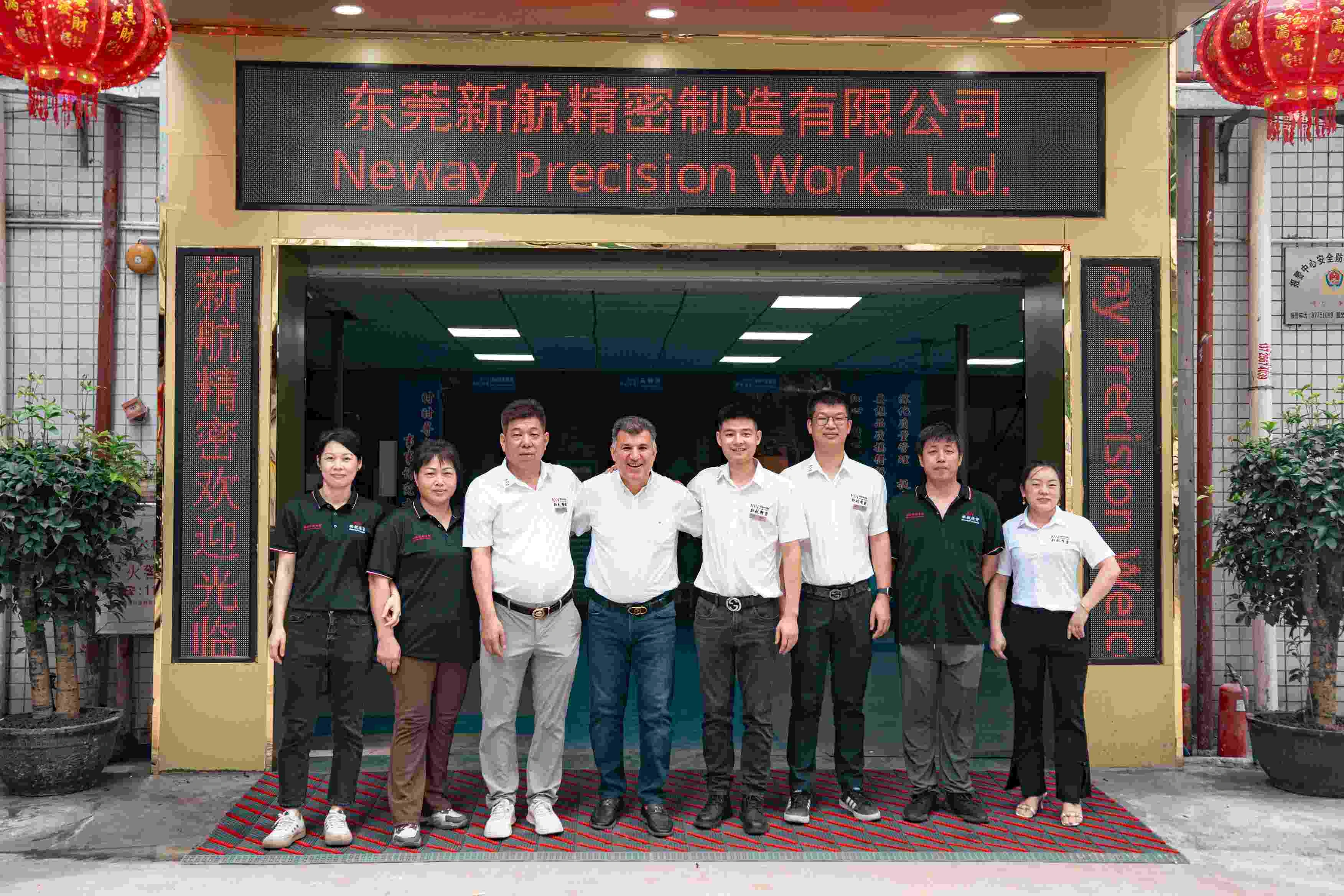
Neway Precision Works Ltd.
No.3 Lefushan Industry West Road
Fenggang, Dongguan, China
ZIP 523000
Solutions
Copyright © 2026 Machining Precision Works Ltd.All Rights Reserved.