What information is needed to get a titanium CNC machining quote?
What information is needed to get a titanium CNC machining quote?
To get a comparable titanium CNC machining quote, provide the controlled 3D model and 2D drawing, document precedence, exact titanium designation and governing specification, product form and condition, quantity, and lot plan. Also define critical characteristics, final material state, surface and special processes, inspection and acceptance requirements, traceability, packaging, and the required delivery date. Identify whether equivalent material, alternate stock, or process deviations require written approval. These inputs let a supplier price the same technical baseline, expose assumptions, and plan risk before accepting a titanium CNC machining quote request.
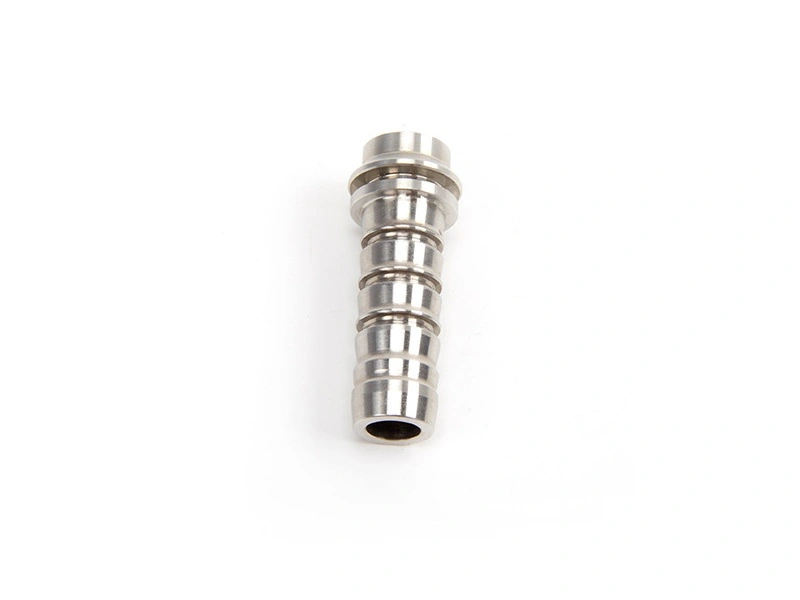
Controlled RFQ input | Titanium-specific quotation decision |
|---|---|
3D model and file revision | Provide a native or neutral solid model that represents the quoted geometry. State its revision, units, and authority relative to the drawing so programming does not silently resolve conflicting dimensions. |
2D drawing and specifications | Define datums, tolerances, threads, edge conditions, roughness, notes, special-process specifications, and acceptance criteria. Identify the controlling document and obtain clarification for conflicts before price or route approval. |
Exact titanium identity | Name the alloy or commercially pure grade, governing material standard, approved equivalents, heat or lot traceability, and any source restriction. Do not assume Grade 5 and TC4, or Grade 2 and TA2, are interchangeable. |
Product form and supplied condition | State bar, plate, forging, tube, or other form; stock size and direction; annealed, solution-treated, aged, or other required condition; and whether the supplier or buyer furnishes material. These choices affect allowance, sourcing, evidence, and machining response. |
Quantity, lots, and repeat demand | Separate prototype, first-article, initial production, and forecast quantities. Define lot or serial traceability and permitted split deliveries so setup, stock nesting, process qualification, inspection, and change control can be priced transparently. |
Critical and final-state characteristics | Mark functional datums, thin walls, sealing faces, fatigue-sensitive surfaces, free-state requirements, and features that can move after unclamping or processing. State whether acceptance occurs after heat treatment, coating, finishing, cleaning, and thermal equalization. |
Surface and post-process route | Specify the required finish, material removal, masking, passivation, anodizing, blasting, polishing, cleaning, heat treatment, or other authorized operation. Define who controls outside processes and which dimensions or surfaces require post-process reinspection. |
Inspection and release evidence | Name the characteristics, method, sampling, acceptance standard, report format, material certificate, first-article, roughness, NDT, and calibration evidence actually required. Link every record to the delivered part, serial, or lot and final condition. |
Service and handling constraints | Describe load, temperature, corrosion medium, cleanliness, prohibited contact materials, burr or edge sensitivity, packaging, preservation, and regulatory or customer controls that change the manufacturing or release route. |
Schedule and approval authority | Give the required arrival date, review and witness points, buyer-furnished dependencies, approved special-process sources, and the person authorized to answer technical questions or accept deviations. Ask the supplier to return assumptions and exclusions with the quote. |
1. Lock titanium identity, form, and condition
A titanium RFQ needs more than an alloy family because chemistry limits, mechanical requirements, stock route, heat treatment, certification, and machining response can change with the exact designation and product form. Specify the governing standard, grade, form, supplied condition, stock direction where relevant, heat or lot traceability, source restriction, and buyer-approved equivalents. State who purchases the material and whether mill certificates, test reports, or transferred markings are required. If the quotation proposes a different designation, form, or condition, require a written deviation that identifies the technical, cost, schedule, and validation effects before approval.
2. Resolve model, drawing, and acceptance authority
The model supports geometry review and programming, while the drawing and referenced specifications establish datums, tolerances, threads, surface texture, edges, notes, and release conditions. State the revision, units, and precedence of every supplied document. Highlight thin walls, deep features, fatigue-sensitive surfaces, sealing faces, and free-state characteristics that drive workholding, tool access, staged machining, or verification. General guidance on CNC machining tolerances can help buyers review limits, but the RFQ must still define the actual datum scheme, final part state, measurement method, and acceptance authority.
3. Quote the complete post-process state
Surface and thermal operations belong in the quotation baseline because they can affect allowance, dimensions, edge condition, contamination control, evidence, and sequence. Specify roughness parameters and locations, coating or treatment specifications, masking, polishing, blasting, passivation, anodizing, cleaning, heat treatment, and any prohibited media. Define whether the process occurs before or after final machining and which characteristics require reinspection afterward. The linked guide to key post-process techniques for titanium parts can explain route options, but the buyer must authorize the exact final state rather than accept an unspecified shop default.
4. Connect inspection to risk and release
Inspection scope should name the characteristic or failure mode, suitable method, coverage or sampling, acceptance criteria, final part state, report content, and reaction to a failed or indeterminate result. Avoid requesting every report by default. Instead, identify dimensional or CMM results, material certification, surface roughness, first-article inspection, NDT, cleaning evidence, or other records that the design and purchase requirements need. This characteristic-to-evidence approach follows sound quality control in CNC machining while making titanium traceability, surface integrity, and post-process state explicit.
5. Expose titanium cost and risk drivers
Titanium quotation uncertainty rises when the supplier must guess the stock form, condition, allowance, critical surfaces, post-process route, inspection state, or substitution rules. Heat concentration, tool wear, burrs, thin-feature movement, material traceability, and outside-process control can affect the accepted-part route, but their impact depends on the actual alloy, geometry, quantity, and requirements. A useful quote separates material, setup, production, special process, inspection, and one-time qualification assumptions. The buyer can then compare suppliers on the same technical baseline instead of choosing a low price built on missing scope.
6. Require a supplier return package
A fast quotation is valuable only when it is complete enough to compare and release. Submit the controlled CAD and drawing package, material identity, quantity and lot plan, final state, critical characteristics, processes, inspection, records, packaging, schedule, and approval contacts together. Ask the supplier to return its interpreted revision, material and stock assumption, manufacturing sequence, outside-process scope, inspection plan, exclusions, lead-time dependencies, and proposed deviations. That return package fits the decision flow from from CAD to finished part. Where one supplier coordinates material, machining, treatment, inspection, and delivery, define responsibility and evidence under the existing one-stop CNC machining service scope rather than assuming all steps are included.