What is the best process for custom prototype parts: CNC machining, 3D printing, or rapid molding?
What is the best process for custom prototype parts: CNC machining, 3D printing, or rapid molding?
The best process for custom prototype parts is the route that reproduces the condition needed for the next test. CNC machining prototyping fits tests that require a specified wrought or cast material state, machined interfaces, threads, datums, or controlled surface geometry. 3D printing services fit rapid geometry learning or features that are impractical to machine. rapid molding services fit plastic-part tests that require a molded resin, cavity, gate, shrinkage, and ejection route. No process is best by name alone. Buyers should define the test, acceptance method, quantity, material state, and invalidating differences before selecting a route.
A prototype process can create false confidence when its material, orientation, residual stress, surface state, or manufacturing features differ from the intended product. A route selected for speed may answer fit or appearance while providing weak evidence for fatigue, sealing, wear, or molded behavior. If the project may enter low-volume manufacturing, record which prototype results transfer, which route changes require revalidation, and which decision remains open.
Project Need | Process Decision, Risk, and Confirmation |
|---|---|
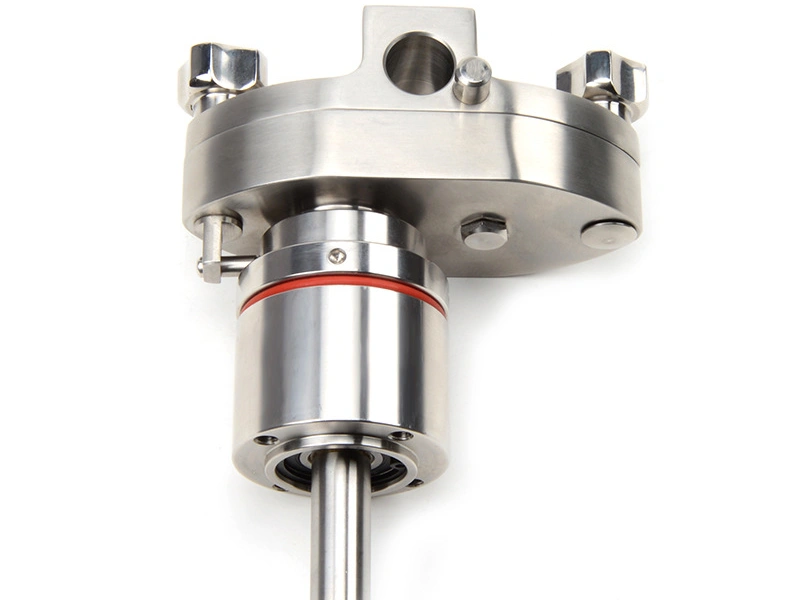
Metal functional prototype | Use CNC when the specified grade, condition, machined surface, and load path matter; confirm stock form, heat treatment, finish, and test configuration |
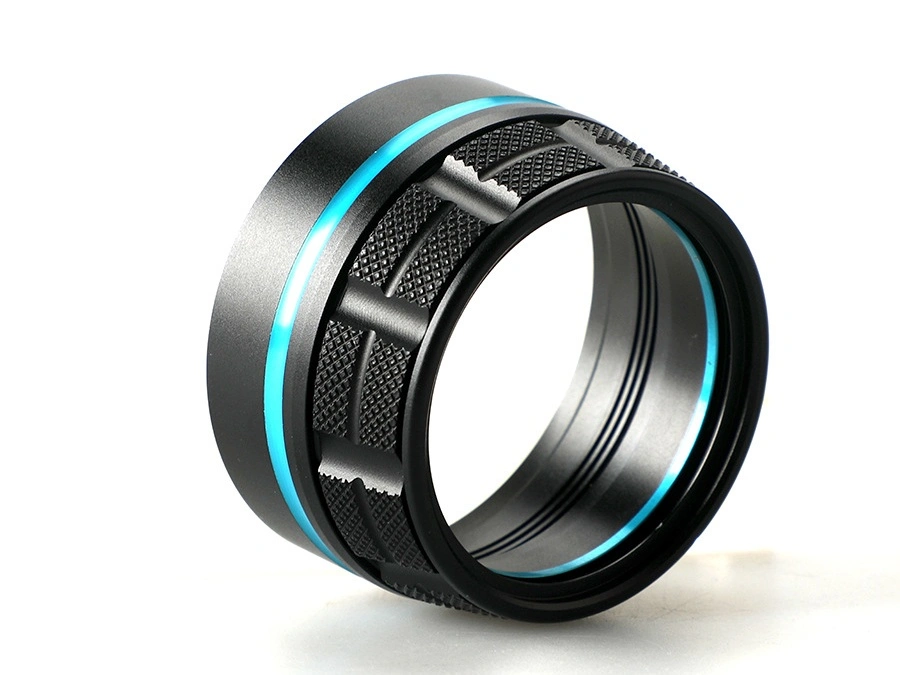
High-precision mating surfaces | Use CNC for controlled datums and interfaces; confirm unclamped condition, measurement method, mating part, and acceptance rule |
Complex internal channels or lightweight design | Use 3D printing when feature access drives the choice; confirm build process, orientation, support removal, internal cleanup, and inspection access |
Fast appearance verification | Use 3D printing for a stated visual or ergonomic decision; do not transfer color, texture, stiffness, or durability evidence without equivalence |
Plastic parts close to injection-molded performance | Use rapid molding with the intended resin and representative process; confirm gate, cavity, draft, shrinkage, knit lines, ejection, and conditioning |
Pre-production validation in small quantities | Choose CNC or rapid molding from the production route and failure risk; document every difference and the revalidation required before release |
Choose CNC for Material, Datum, and Machined-Feature Evidence
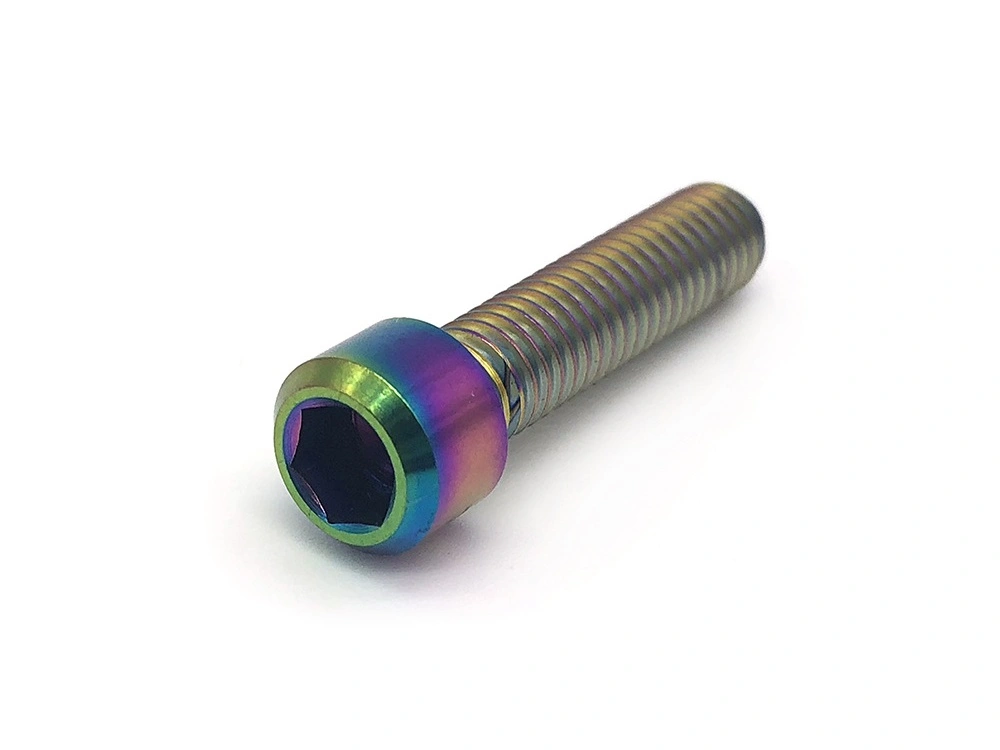
Choose CNC when the decision depends on production-relevant metal or engineering-plastic stock, accurate datum relationships, bores, threads, sealing faces, bearing fits, or post-machining finishes. Cutting exposes the part to workholding load, tool force, heat, burr formation, and residual-stress release. Thin walls can move after unclamping, a bore can drift as a tool wears, and plating or anodizing can change an interface. The drawing and test plan should therefore state the material grade and condition, stock form, datum scheme, final inspection state, and functional acceptance rule.
CNC evidence is limited to the route actually tested. A prototype made from plate does not automatically represent a future forging, casting, molded blank, or heat-treated state. Buyers using prototyping services should ask how setups, workholding, tool access, deburring, finishing, and measurement relate to the intended release. Revalidate affected characteristics when the material form, fixture, operation sequence, supplier, or finish changes.
Choose 3D Printing for Geometry Learning and Fast Iteration
Choose 3D printing when the open question concerns form, packaging, internal passages, lightweight geometry, user interaction, or a fast CAD iteration. The evidence depends on the printing process, feedstock, build orientation, layer strategy, support plan, thermal history, post-processing, and inspection access. ISO/ASTM 52900 terminology can identify additive-process categories, but the category alone does not establish dimensional, mechanical, or surface equivalence for a particular part.
Printed prototypes can contain direction-dependent properties, support scars, trapped material, porosity, distortion, or surface texture that changes fit and flow. Define whether the test is visual, dimensional, assembly, pressure, thermal, or mechanical. Confirm orientation, post-processing, critical-feature method, and any production differences. Use another route or a hybrid printed-and-machined specimen when a printed condition cannot answer the required material or interface question.
Choose Rapid Molding for Molded-Resin and Process Evidence
Choose rapid molding when a plastic prototype must reveal behavior created by a mold and the intended resin, including filling, packing, cooling, shrinkage, knit lines, sink, warpage, gate vestige, draft, texture, and ejection. A molded part may be more representative than a machined or printed plastic part, but only when resin grade, moisture or conditioning state, colorant, regrind rule, cavity design, gate, process window, and final test state match the decision.
Rapid tooling still has limits. Tool material, cavity count, cooling, venting, surface treatment, and cycle can differ from production tooling and alter the result. State whether the pilot must validate assembly, appearance, sealing, dimensional stability, aging, or customer use. Record deviations from the planned production mold, hold failures by cavity and lot, and define which tests repeat after tool or process transfer.
Match the Route to the Failure That Would Change the Decision
Start with the failure that would block the next release, then select the process capable of reproducing and measuring that condition. Use CNC for machined-material and datum evidence, 3D printing for geometry or iteration evidence, and rapid molding for molded-resin and cavity-process evidence. A hybrid sequence may be better when different questions need different states. Keep separate acceptance decisions for fit, function, material behavior, appearance, and manufacturability so one successful test does not erase an untested limitation.
Send a Test Contract, Not CAD Alone
For a useful process review, send 3D CAD, a controlled 2D drawing where requirements need definition, revision, material grade and condition, quantity, finish, cosmetic zones, mating information, use environment, and the actual test purpose. Identify critical features, datums, acceptance methods, destructive tests, required records, and the decision owner. Also state the intended production material and route so the supplier can flag differences rather than silently treating the prototype as equivalent.
If you are comparing routes for custom prototype parts, use a technical review through prototyping services to document the selected process, assumptions, exclusions, inspection evidence, and revalidation triggers. Release the prototype only after the quote and test plan answer the same question. When no single route reproduces every critical condition, divide the evidence across controlled specimens instead of calling one convenient process universally best.