What information is needed to quote finished custom machined parts?
What information is needed to quote finished custom machined parts?
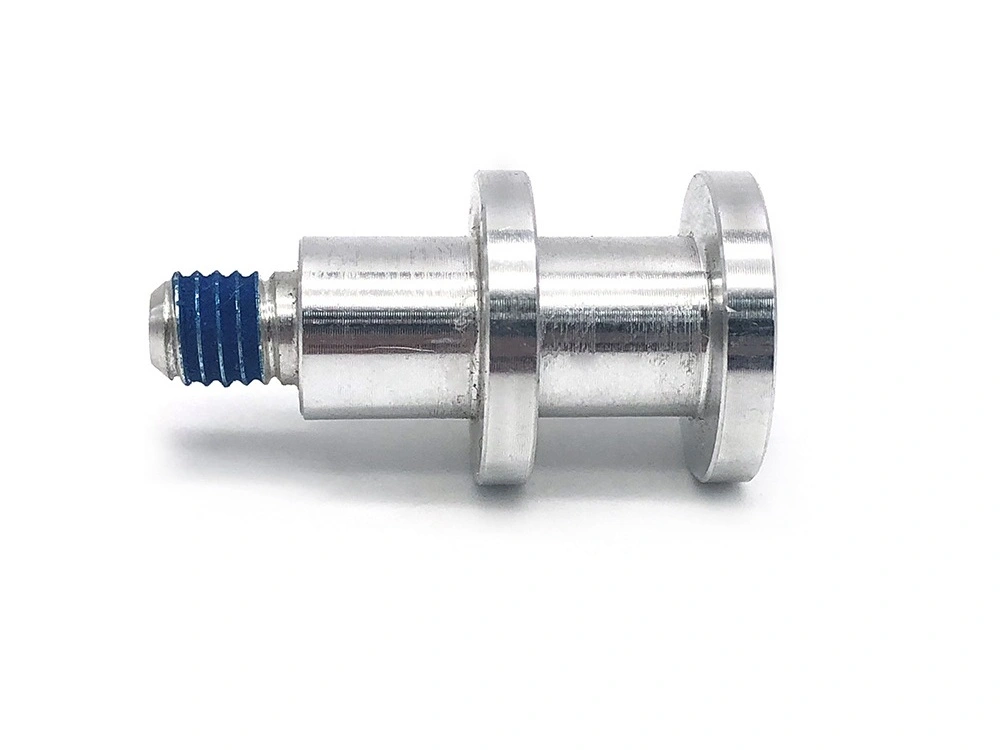
To quote finished custom machined parts, a supplier needs a revision-controlled definition of the delivered part, not just a CAD model and quantity. The RFQ should identify the controlling drawing and model, material grade and condition, demand scenarios, datums and acceptance criteria, machining and finish requirements, approved or prohibited processes, inspection evidence, certificates, packaging, delivery terms, and schedule assumptions. A qualified route for finished custom machined parts must also state what is included, what remains unresolved, and which changes require buyer approval. Without that common baseline, two suppliers can price different delivered conditions while appearing to quote the same part.
RFQ Information | Why It Matters |
|---|---|
3D CAD file | Supports geometry, tool-access, stock, setup, and fixture review; identify its revision and whether the drawing overrides it |
2D drawing | Controls datums, dimensions, tolerances, threads, roughness, notes, and final acceptance when declared as the master requirement |
Material grade | Define specification, grade, temper or heat-treatment condition, stock form, traceability, and any approved substitutions |
Quantity | Separate prototype, release, recurring-lot, annual-demand, and forecast assumptions so tooling, capacity, and batch costs are comparable |
Surface finish | Identify specification, class or color, texture, cosmetic zones, masking, finish allowance, and final-state acceptance |
Coating or heat treatment | Define the required process and condition, approved source constraints, distortion or buildup risk, tests, records, and rework limits |
Inspection requirements | State characteristics, datum setup, final process state, measurement method, sampling or full inspection, report format, and disposition authority |
Packaging requirements | Protect cosmetic faces, coatings, sharp or delicate features, cleanliness, lot identity, and part condition through shipment and storage |
Delivery schedule | Define required dates, lot splits, destination, delivery terms, approval gates, expedite assumptions, and the event that starts lead time |
1. Establish one revision and requirement hierarchy
The RFQ should include native or neutral 3D geometry and a readable 2D drawing, but it must also say which source controls when they conflict. The model supports stock, tool-access, setup, and fixture analysis. The drawing should define datums, critical dimensions, tolerances, threads, surface texture, notes, and acceptance unless the contract states another hierarchy. List the revision of every file, units, scale-sensitive data, and unresolved discrepancies. If a dimension is basic, reference, after-finishing, or inspection-only, state that role. Suppliers should return assumptions instead of silently choosing between mismatched files. A controlled CNC machining quote workflow begins when all bidders estimate the same revision and delivered condition.
2. Define material, volume, and the route being priced
Specify material standard, grade, temper or heat-treatment condition, stock-form restrictions, traceability, and whether substitutions require approval. Quote quantities should separate prototype pieces, first release, recurring lot, annual demand, and forecast range because fixtures, programming, inspection, finishing batches, and capacity assumptions change with volume. State which steps the price must include: material, machining, deburring, cleaning, heat treatment, coating, marking, assembly, inspection, certificates, packaging, freight, duties, or other commercial items. Identify buyer-supplied material or components and the loss responsibility attached to them. The supplier response should name external processes, minimum batch assumptions, one-time charges, recurring unit costs, exclusions, and validity conditions. This prevents a low machining-only price from being compared with a complete finished-part route.
3. Quote the final surface and dimensional state
Finishing requirements need more than a process name. State the governing specification, type or class, color or texture, visible zones, masking, rack or contact restrictions, sealing, corrosion or adhesion tests, appearance standard, approved-source constraints, and acceptable touch-up. Define whether drawing dimensions apply before or after coating and how buildup or material removal affects threads, fits, sealing lands, datums, and roughness. The process route should reserve machining allowance and identify features that need protection or final sizing. The linked guide to CNC machined parts surface finishes can clarify process families, but the RFQ must still state the buyer's exact final-state requirement. If the finish remains undecided, request separate priced options and keep them outside the released baseline.
4. Match inspection evidence to the delivered condition
Identify critical and reportable characteristics, datum setup, acceptance limits, measurement method where method affects the result, required process state, temperature or conditioning when relevant, and the responsible disposition authority. Do not request a CMM report as a substitute for a defined measurement plan; some surfaces, threads, coatings, textures, or flexible features require different methods. State whether inspection is first article, full, sampled, in-process, or final, and define the requested material, heat-treatment, coating, calibration, conformity, and traceability records. The quotation should show report preparation, destructive-test coupons, outside-laboratory work, and retention costs separately when material. A finished-part plan tied to quality control in CNC machining should verify the condition that ships, not only the pre-finish machining state.
5. Expose exclusions and changes before comparing prices
An incomplete RFQ causes more than a pricing gap: it creates different technical baselines. For example, an aluminum enclosure may have a tight bore and a cosmetic anodized face. One bidder may measure the bore before anodizing and wrap parts in bulk; another may compensate for coating, verify the bore after sealing, mask contact zones, and use separated cosmetic packaging. The prices describe different deliverables. Ask each supplier to return assumptions, exclusions, deviations, alternate material or process proposals, tooling ownership, minimum charges, scrap responsibility, certificate scope, packaging basis, delivery terms, and lead-time start event. A clarification should update the revision-controlled RFQ for every bidder. After award, changes to material source, process source, finish, measurement plan, packaging, or acceptance baseline should follow the agreed notification and approval route rather than becoming silent cost-saving substitutions.
6. Request a route-linked commercial response
The final RFQ package should let the supplier build a route through CNC machining, downstream processing, final inspection, preservation, and delivery without inventing requirements. Ask for a returned process map, assumption and deviation register, material and external-process basis, tooling and one-time charges, unit-price breaks, inspection and certificate scope, and packaging method. The supplier should also identify capacity constraints, schedule, validity period, payment and delivery terms, and risks that require buyer resolution. Require quoted options to remain separately identified so an unapproved alternative cannot replace the baseline. Compare bids only after reconciling scope line by line. A technically complete quote is not the one with the most attachments; it is the one that prices the same revision, final condition, evidence package, responsibilities, and delivery event the buyer will use for acceptance.