Does Copper Have Good CNC Machining Properties?
Does Copper Have Good CNC Machining Properties?
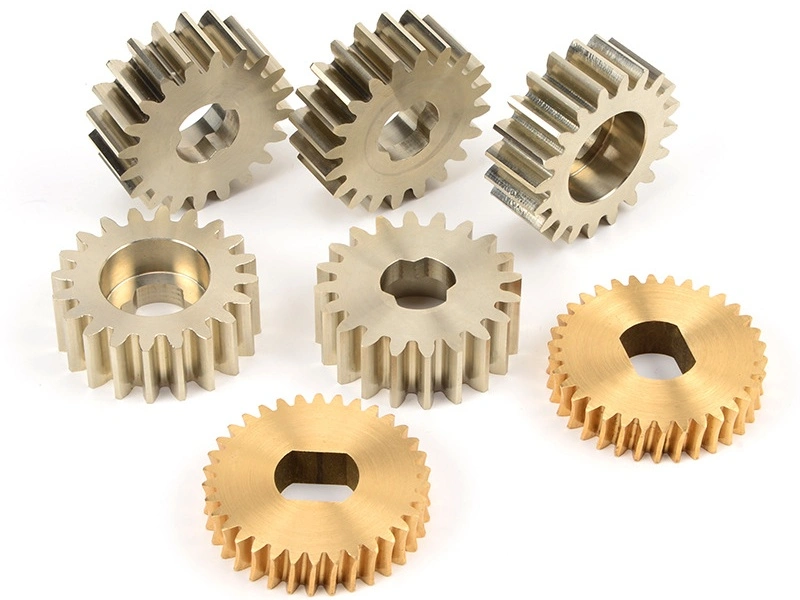
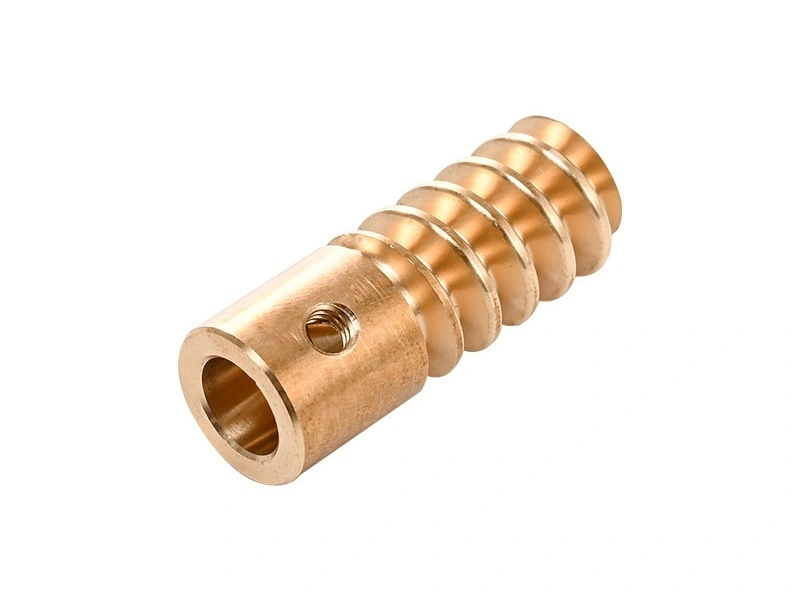
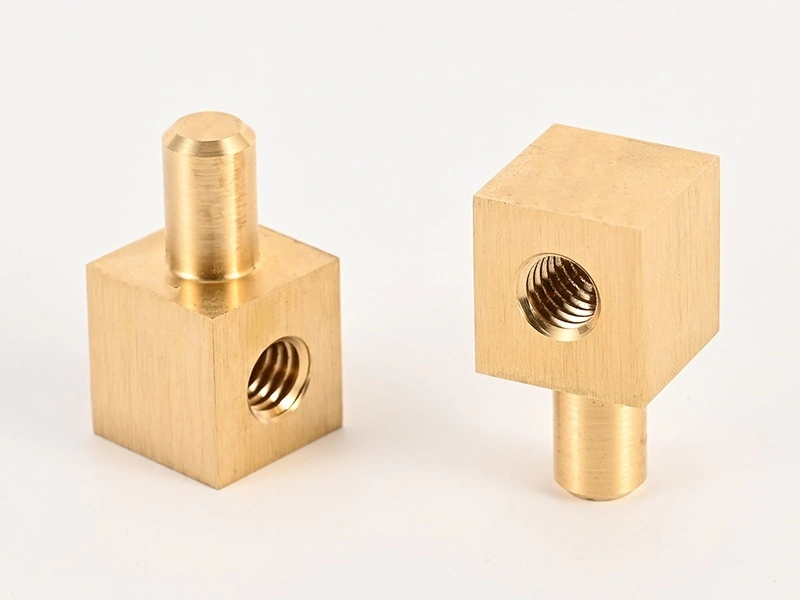
Copper can have good CNC machining properties, but its machinability depends strongly on the copper grade, part geometry, tolerance requirements, surface finish target, and production volume. Copper is valued for electrical conductivity, thermal conductivity, corrosion resistance, and ductility, making it useful for electrical connectors, heat-transfer components, busbars, terminals, precision contacts, and industrial parts.
However, copper is not always as easy to machine as buyers expect. Pure copper and oxygen-free copper can be soft, ductile, and sticky during cutting, which may cause built-up edge, burrs, tool loading, poor chip control, or surface marks. This is why a professional copper CNC machining project should begin with the correct copper alloy selection and a machining strategy matched to the final application.
1. Copper Has Excellent Functional Properties for CNC Parts
Copper is often selected because the finished part needs strong electrical or thermal performance. For example, custom copper parts may be used in power systems, electronics, industrial equipment, heat-transfer assemblies, electrical contacts, and precision conductive components. In these applications, copper is chosen not only for machinability but also for its final working performance.
For buyers, the key point is that the machining process should protect the functional surfaces of the part. Contact faces, mating surfaces, threaded holes, flatness zones, and precision edges may all affect how the copper component performs after assembly.
Copper Property | Benefit for Finished Parts | Machining Concern |
|---|---|---|
Electrical conductivity | Useful for connectors, contacts, terminals, and power components | Surface quality and burr control can affect contact performance |
Thermal conductivity | Supports heat-transfer and thermal management applications | Heat spreads quickly, so cutting stability must be controlled |
Ductility | Helps copper resist cracking during forming or service | Can cause built-up edge, burrs, and sticky chips during machining |
2. Pure Copper Can Be Challenging Because It Is Soft and Ductile
Pure copper grades can be more difficult to machine than many buyers assume. Because copper is soft and ductile, the tool may push or smear the material instead of cutting cleanly if parameters, tool geometry, or chip evacuation are not well controlled. This can lead to rough surfaces, burr formation, dimensional variation, or inconsistent edge quality.
For high-conductivity applications, buyers may consider materials such as Copper C101, Copper C102 Oxygen-Free Copper, or Copper C110. These grades can provide strong conductivity, but machining must be planned carefully to control surface finish, burrs, and tolerance.
3. Alloyed Copper Grades Often Machine More Stably
Some copper alloys are easier to machine or more suitable for mechanical strength than pure copper. Alloying can improve strength, wear resistance, spring behavior, or chip control depending on the grade. This is important when the part must combine conductivity with mechanical performance.
For example, Copper C172 Beryllium Copper may be selected when high strength and spring performance are important. Copper C151 Tellurium Copper may be considered when machinability and conductivity need to be balanced. A general copper alloy review helps buyers choose the right material before quoting.
Copper Material | Common Selection Reason | Buyer Should Confirm |
|---|---|---|
Pure copper | High electrical and thermal conductivity | Burr control, surface finish, and tolerance requirements |
Oxygen-free copper | High-purity conductive applications | Clean machining, handling, and contact surface quality |
Beryllium copper | Strength, spring behavior, and wear resistance | Application requirements, safety handling, and cost |
Tellurium copper | Better machinability with good conductivity | Conductivity target and final part function |
4. Chip Control Is One of the Main Copper Machining Challenges
Chip control is critical in copper CNC machining. If chips are not removed efficiently, they can stick to the tool, scratch the part surface, block small features, or affect dimensional accuracy. This is especially important for slots, pockets, drilled holes, internal channels, and fine threads.
For practical production, copper machining may require sharp tools, polished cutting edges, suitable feed rates, stable cutting speeds, and strong chip evacuation. In many projects, CNC milling, CNC turning, and CNC drilling must be coordinated to protect both part accuracy and surface quality.
5. Burr Control and Edge Quality Are Important for Copper Parts
Copper parts often require careful burr control because many applications involve electrical contact, sealing, assembly, or sliding surfaces. Even small burrs around holes, slots, threads, or edges can interfere with assembly or reduce contact reliability.
Buyers should define whether edges should remain sharp, lightly broken, deburred, or polished. For conductive parts, surface contamination, burrs, and rough edges may affect performance after installation. That means edge quality should be included in the RFQ instead of being treated as a small finishing detail.
6. Surface Finish Requirements Affect the Machining Strategy
Copper can achieve a good machined finish, but surface quality depends on tool condition, cutting parameters, fixturing, and material grade. Because copper can smear or form built-up edge, finishing passes should be planned carefully for cosmetic surfaces, sealing faces, electrical contact areas, and precision mating features.
Some copper parts may also need post-machining surface treatment for appearance, corrosion control, conductivity protection, or improved durability. Buyers can review surface treatment for CNC machined copper parts when finish performance is important.
Feature Type | Machining Priority | Why It Matters |
|---|---|---|
Electrical contact face | Smooth surface and clean edge control | Affects conductivity and contact reliability |
Threaded hole | Stable drilling, tapping, and burr removal | Prevents assembly problems and thread damage |
Heat-transfer surface | Flatness and surface consistency | Supports stable thermal performance |
Thin wall or small slot | Controlled cutting force and chip evacuation | Reduces deformation, burrs, and surface marks |
7. Copper Machining Cost Depends on Grade, Tolerance, and Geometry
Copper CNC machining cost is affected by copper grade, stock form, part complexity, tolerance level, surface finish, production quantity, and inspection requirements. A simple copper plate or terminal may be relatively straightforward, while a tight-tolerance conductive housing, heat-transfer component, or precision connector may require slower finishing, more deburring, and additional inspection.
Buyers should avoid selecting copper only by material price. A more machinable copper alloy may reduce cycle time and finishing cost, while a high-conductivity grade may be necessary when electrical or thermal performance is the priority.
8. Good Copper Machining Requires Material and Design Review Before Quote
Copper has good CNC machining potential when the correct material, tool strategy, parameters, and inspection plan are used. Before production, the supplier should review the drawing, alloy, tolerance zones, surface finish requirements, and working environment. This is especially important for parts with small holes, thin sections, precision contact surfaces, or cosmetic requirements.
To get an accurate quote, buyers should provide 3D CAD files, 2D drawings, copper grade, quantity, surface finish requirements, tolerance requirements, and application details. A reliable CNC machining supplier can then recommend a practical copper machining solution that balances performance, cost, lead time, and part quality.