What Files, Specifications, and Quantities Should Buyers Provide for Parts Machining?
What Files, Specifications, and Quantities Should Buyers Provide for Parts Machining?
Buyers requesting parts machining should provide one controlled product-definition package, exact material and condition, finish requirements, critical tolerances, order quantity, inspection expectations, and the current revision. The package commonly combines a matched 3D model and 2D drawing, but an agreed model-based definition may carry authoritative PMI instead. The RFQ must identify the governing data and separate mandatory acceptance requirements from negotiable preferences.
This information matters most for prototyping and first orders because an unmarked functional feature can change the route after work begins. A usable package shows which requirements control acceptance and which can be reviewed for cost. It also establishes one approved data set for the complete CNC machining order workflow, reducing the risk that purchasing, engineering, and production use different revisions.
1. Why Complete RFQ Information Matters So Much
Complete RFQ information lets the supplier quote a manufacturing and acceptance route rather than guess from shape. Missing tolerance, finish, quantity, or inspection data can hide extra setups, special workholding, secondary processing, documentation, or measurement time.
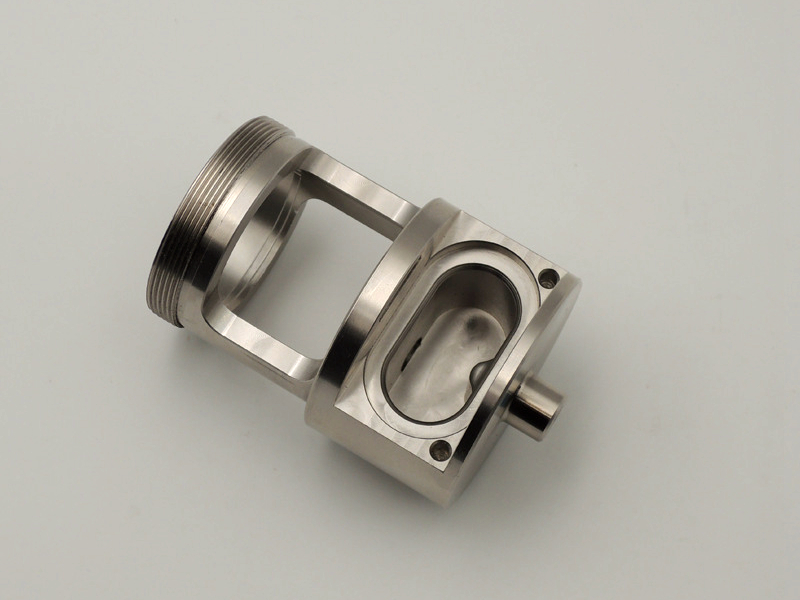
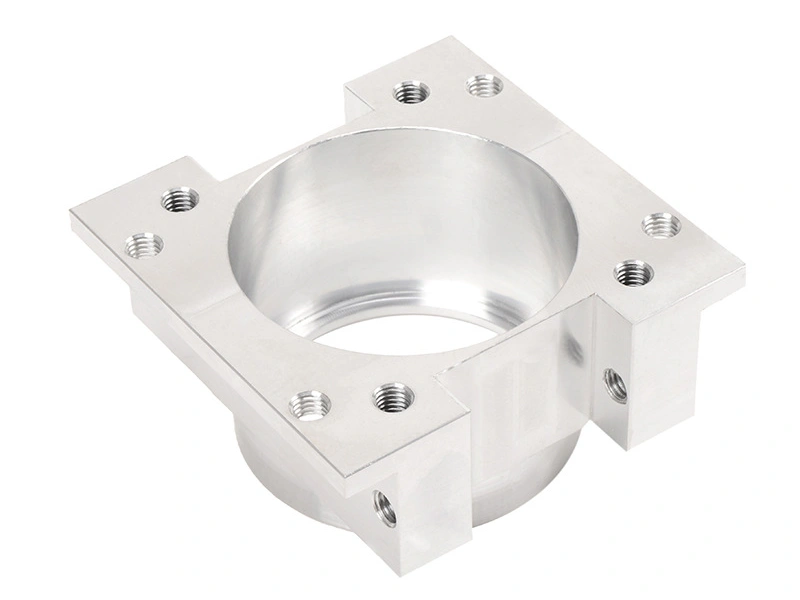
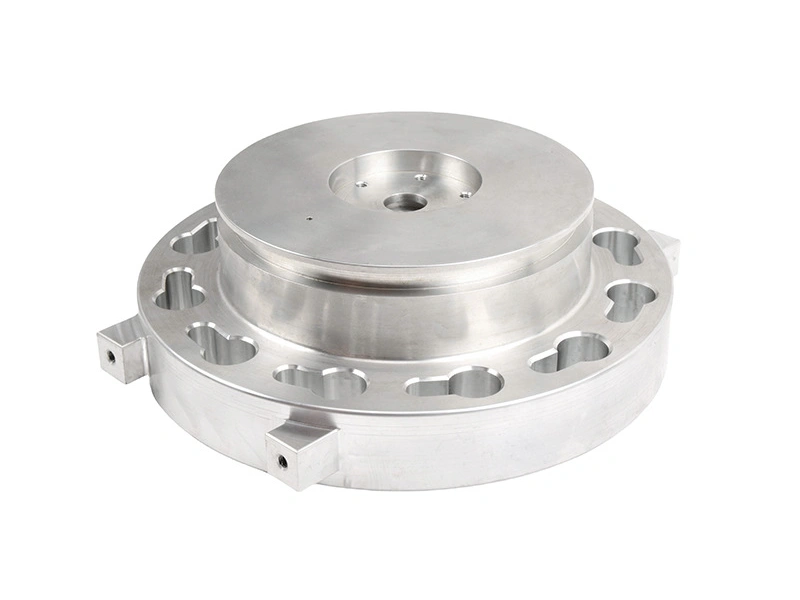
A stainless connector and an aluminum housing may have similar geometry but different tool wear, burr, thread, distortion, and finish risks. A controlled package exposes those differences before the buyer compares price, route, lead time, assumptions, and exclusions.
Information Type | Decision It Supports |
|---|---|
2D drawing | Controls stated dimensions, tolerances, datums, threads, notes, and acceptance when designated authoritative |
3D model | Supports geometry, CAM, tool access, and fixture planning; may carry controlled PMI in an MBD workflow |
Material specification | Defines grade, condition, product form, traceability need, and finish compatibility |
Surface finish or treatment | Sets stock allowance, masking, roughness, protection, appearance, and final acceptance state |
Quantity | Defines lot basis, setup allocation, fixture strategy, inspection scope, and delivery plan |
Application note | Identifies load, sealing, mating, cosmetic, cleanliness, or regulatory-critical features |
2. What 2D and 3D Files Should Buyers Provide?
Buyers should send the released files that define nominal geometry and controlled requirements. A common package uses a native or neutral 3D solid plus a controlled 2D drawing. An MBD workflow may instead place dimensions, GD&T, notes, and product manufacturing information in the authoritative 3D data set.
The RFQ must state which source governs geometry, dimensions, tolerances, datums, threads, roughness, finish notes, and inspection requirements. STEP, Parasolid, or another agreed solid format can support CAM and access review, but file format alone does not establish design authority.
If released sources disagree, the buyer should issue a controlled correction or written precedence before quotation is finalized. Production should not begin from a supplier's assumed interpretation of conflicting files.
3. What Material Information Should Be Included?
Material information should name the grade, temper or heat-treatment condition, product form, and any certificate or traceability requirement. A family name such as aluminum or stainless steel cannot define strength, corrosion behavior, machining response, or finishing compatibility.
Material also changes cutting load, tool wear, burr formation, distortion, and secondary processing. During prototyping, the RFQ should state whether production material is mandatory or whether a documented substitute may be evaluated for fit or concept testing.
4. What Tolerance and Surface Finish Information Should Buyers Provide?
The controlled definition should distinguish critical dimensions from general tolerances and connect geometric controls to functional datums. Blanket tight tolerances increase finishing and inspection work without protecting function when noncritical features can use a broader acceptance range.
Finish requirements should identify affected surfaces, required final condition, masking zones, cosmetic limits, and whether dimensions apply before or after coating. A roughness callout belongs on the sealing, bearing, or visible zone that needs it, not automatically on every face.
Specification Item | What Buyers Should Clarify |
|---|---|
Dimensional tolerances | Critical dimensions, general tolerance standard, governing source, and acceptance state |
Thread details | System, size, class, engagement depth, quantity, and gauge requirement |
Surface roughness | Required zone, parameter, cutoff or method when relevant, and final process state |
Surface treatment | Process, color or class, masking, coating allowance, and cosmetic criteria |
Critical datums or mating faces | Datum scheme, assembly relationship, sealing function, and inspection setup |
5. Why Quantity Must Be Stated Clearly
Quantity changes the process plan because programming, setup, fixtures, first-article work, inspection planning, and documentation are distributed across the lot. Identical geometry can justify different workholding at 3, 30, or 300 pieces, but those quantities are planning examples rather than universal breakpoints.
The RFQ should state prototype quantity, validation lot, first production lot, expected repeat volume, and annual estimate separately. It should also identify split releases or complete delivery. This prevents a low-volume quote from being treated as a production price and shows when dedicated fixtures or qualification deserve review.
6. Why Application Information Also Improves the Quote
Application information tells the supplier which failure would matter. A sealing body, bearing support, visible enclosure, and alignment fixture can share a similar shape while requiring different datum, finish, burr, cleanliness, and inspection controls.
A short note should identify load path, mating components, fluid or temperature exposure, moving contact, visible surfaces, and whether the part is for fit checking or functional service. Proprietary system details are unnecessary when the functional conditions are clear.
7. How Do Complete Documents Improve Quotation Accuracy?
Complete documents improve quotation accuracy by exposing the operations and evidence needed for acceptance. The supplier can estimate setup count, small-tool access, bore finishing, deburring, coating allowance, inspection method, documentation, and packaging only when those requirements are visible.
Incomplete data can produce a risk allowance or a low quote that changes after technical review. Buyers should compare quotations against the same revision and ask suppliers to list assumptions, exclusions, and deviations. Before purchase-order release, accepted differences should enter the controlled drawing, specification, or order; a quotation note should not become the only production requirement.
RFQ Quality Level | Likely Commercial Effect |
|---|---|
Only rough model and no notes | Unpriced requirements, broad assumptions, or added risk allowance |
Model plus basic drawing | Usable geometry, but finish, volume, datum, or inspection gaps may remain |
Complete technical package | Comparable quotations with clearer route, acceptance, assumptions, and exclusions |
8. Why Is Revision Control So Important in Parts Machining?
Revision control prevents the supplier from machining a valid file that is no longer the approved design. A new model paired with an old drawing can change hole location, thread depth, material, or tolerance without an obvious visual warning.
Each model, drawing, specification, and purchase order should carry a matching revision or controlled release date. After quotation or sample approval, an engineering change should identify superseded files, affected quantities, disposition of work in progress, and required requalification. Material, quantity, finish, or critical-feature changes also require quote-impact review rather than assuming old terms still apply.
9. Practical Checklist for Buyers Before Submitting a Machining RFQ
Before Sending RFQ, Confirm You Included... | Acceptance or Planning Purpose |
|---|---|
3D model | Nominal geometry, feature access, programming, fixture review, and controlled PMI when applicable |
2D drawing | Controlled tolerances, datums, notes, threads, and inspection requirements when applicable |
Material grade | Grade, condition, product form, certificates, and approved substitutions |
Surface finish or treatment | Final state, treated zones, masking, allowance, and cosmetic acceptance |
Required quantity | Prototype, validation lot, first lot, repeat volume, and delivery basis |
Application note | Functional risks, mating conditions, environment, and critical features |
Latest revision status | One approved data set, governing-source statement, and engineering-change history |
10. Summary
A complete parts machining RFQ combines controlled product-definition files with material condition, critical tolerances, finish, quantity, inspection needs, application conditions, and revision status. It identifies whether 2D, 3D MBD/PMI, or an agreed combination governs each requirement.
For prototyping or production, release one controlled package, resolve file conflicts before quotation, and require assumptions and exclusions in the supplier response. Convert accepted deviations into controlled order data, then manage later changes through affected-quantity, work-in-progress, requalification, and quote-impact decisions.