How Fast Can a CNC Prototyping Service Deliver Parts for Engineering Testing?
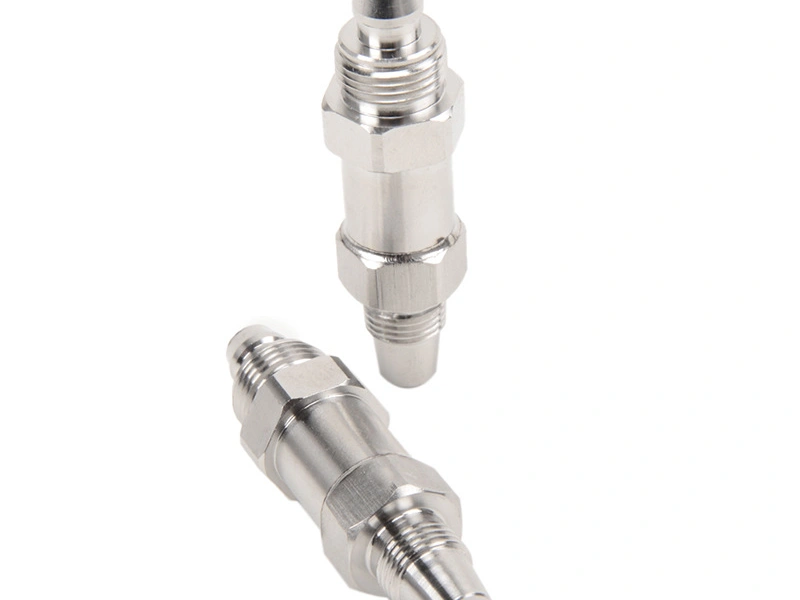
How Fast Can a CNC Prototyping Service Deliver Parts for Engineering Testing?
A CNC prototyping service can deliver engineering test parts as soon as the released design, material, setups, machining, outside processes, inspection, and shipment can pass a dated critical path. No defensible fixed day count applies before those dependencies are confirmed. A firm schedule needs a controlled revision, exact material and condition, quantity, critical features, finish state, inspection scope, destination, and approval owner. Missing decisions stop the clock or turn the quoted date into an assumption.
Fast delivery is useful only when the received part carries the evidence required for the planned test. The prototyping plan should distinguish release-to-start time, internal production time, outside-process time, inspection and documentation, buyer hold points, and transit. This is the practical boundary behind the CNC order workflow. Ask for dated milestones, named assumptions, dependency owners, and a replan rule instead of one unsupported lead-time number.
1. Prototype Delivery Speed Depends on the Full Workflow, Not Only on Cutting Time
Prototype delivery speed is determined by the longest dependent path from technical release to test-ready receipt, not by spindle time alone. Drawing clarification must finish before programming. Approved stock must be available before machining. Required finishing must precede final-state inspection. The inspection report and release decision must exist before shipment when the test depends on measured CTQs. A short machining operation can therefore sit behind a much longer unresolved dependency.
The schedule should separate work that can run in parallel from work that cannot. Material availability may be checked while manufacturability is reviewed, but stock should not be cut against an uncontrolled revision. Packaging preparation can begin early, while the final inspection record cannot. If a partial shipment is useful, assign specific test questions and quantities to that release. A fast first parcel must not be mistaken for completion of the entire validation lot.
Prototype Stage | Release Condition | Common Slip Trigger |
|---|---|---|
RFQ review | Controlled files, requirements, quantity, destination, and decision owner are identified | Conflicting revisions, undefined CTQs, or unanswered material and finish questions |
Programming | Manufacturing geometry, datum strategy, setups, workholding, and inspection access are agreed | Late geometry changes, inaccessible features, or unresolved free-state requirements |
Material preparation | Grade, condition, product form, size, certification, and substitution authority are confirmed | Special stock, uncertain traceability, insufficient size, or unapproved substitution |
Machining | Released program, tools, fixtures, stock, sequence, and in-process controls are available | Tool access, distortion, breakage, rework, or a change that invalidates completed operations |
Inspection | Final process state, CTQ list, datum scheme, method, report scope, and acceptance rule are clear | Measurement access, method disagreement, coating change, nonconformance, or missing report approval |
Shipment | Release status, quantity allocation, protection, documents, destination, and transport plan are complete | Buyer hold, export or carrier cutoff, inadequate protection, or an unidentified partial release |
2. Quotation and RFQ Review Are Often the First Place Where Time Is Won or Lost
RFQ review is the first controllable schedule gate because it determines whether engineering can release work without guessing. The package should contain matching CAD and drawing revisions, units, quantity, exact material and condition, finish sequence, CTQs, datums, inspection documentation, destination, and required date. It should also state whether substitutions, deviations, partial shipments, or design changes require written buyer approval. A quote issued against unresolved inputs is an estimate with exposed assumptions, not a committed production plan.
For urgent work, use a written question log with owner, due time, decision, and schedule impact. Close geometry, material, finish, and acceptance issues before the release gate. If the buyer authorizes at-risk work, identify the exact operation and financial exposure. A later revision may invalidate stock, programming, fixtures, machined features, or inspection planning. Speed improves when decision authority is available, not when technical questions are hidden to preserve an early date.
3. Programming Time Changes Most Between Simple and Complex Prototypes
Programming time increases with setup count, feature access, fixture design, datum transfer, tool reach, collision risk, thin-wall behavior, and the inspection relationships that must survive each setup. A plate, bracket, or basic turned part may use familiar workholding and direct access. A manifold, housing, deep cavity, multi-face pattern, or slender feature needs more planning before material is cut. Complexity belongs in the dated engineering path, even when the actual cutting cycle appears short.
A useful programming milestone is “program and setup plan released,” not “CAM started.” Release means the manufacturing model matches the controlled revision, stock orientation and allowances are defined, setups preserve required datums, tool access is feasible, and in-process checks support later operations. Simulation can reduce collision risk but cannot validate fixture rigidity, material movement, burr access, or finished-part tolerance. First-article observations may therefore trigger a controlled update to the remaining quantity and schedule.
4. Material Preparation Is Fastest When Standard Stock Is Used
Material preparation is fastest when the exact grade, condition, product form, size, and documentation are available and accepted before release. A common material name does not prove equivalence. Aluminum alloy and temper, steel condition, polymer grade and conditioning, stock orientation, certification, and minimum blank size can affect both the test result and machining plan. Availability should be confirmed against those fields, not against material family alone.
A substitute may shorten sourcing only when it still represents the variable being tested. A readily available alloy can support a packaging or basic fit check while invalidating stiffness, thermal, wear, corrosion, or finish-response evidence. Record the permitted use, unsupported conclusions, and approval owner. If exact production-intent material is required, place sourcing on the critical path and do not promise machining release until stock identity, condition, form, and usable size are confirmed.
Prototype Condition | Critical-Path Effect | Buyer Decision |
|---|---|---|
Standard material and simple geometry | Release, machine allocation, and inspection are more likely to control the date | Confirm exact stock and keep revision, CTQs, and acceptance stable |
Standard material but complex geometry | Programming, fixture, setup sequence, first-piece learning, and inspection control the date | Close tool-access and datum questions; approve a dated first-article hold point |
Special material and complex geometry | Stock sourcing and technical planning create dependent risks before production can stabilize | Choose exact material or an approved limited-purpose substitute and record the evidence boundary |
5. Machining Time Is Where Simple and Complex Parts Show the Biggest Difference
Machining time depends on material removal, feature count, setup count, tool changes, reach, cutting conditions, thermal control, deburring access, and the quantity that must pass. Complex geometry also creates schedule uncertainty through tool deflection, chatter, distortion, burrs, or a first-piece correction. A delivery promise should include machine allocation and recovery logic rather than assume that estimated cycle time will remain unchanged through every setup.
The fastest defensible route protects the features required for the test and removes work that does not support the current decision. Do not relax a CTQ silently. Instead, identify cosmetic areas, nonfunctional surfaces, or later-stage operations that the design authority can defer. When staged delivery helps, allocate early parts to the highest-priority test and retain enough material and schedule for corrections. Record which revision, concessions, and inspection scope apply to every shipment.
6. Inspection and Shipment Are Part of the Prototype Schedule, Not Extra Steps
Inspection belongs on the critical path whenever engineering testing depends on dimensions, datums, threads, surface state, assembly evidence, or material identity. The inspection plan needs method, access, fixture or free-state condition, report scope, acceptance rule, and review owner. Final inspection must follow any operation that can change an accepted CTQ. A pre-coating report cannot release a coated interface, and an instrument’s resolution does not by itself establish measurement suitability.
Shipment is complete only when the correct parts, identification, protection, documents, destination, and release status travel together. Thin features, sealing faces, threads, and cosmetic surfaces may need specific protection. Partial shipments require quantity and serial or lot identification so test results can be traced to the right configuration. Carrier pickup and transit are separate from supplier completion. The schedule should show both dates and identify customs or buyer-receipt dependencies when relevant.
7. A Practical Prototype Timeline for Engineering Testing
A practical prototype timeline is a dated dependency plan with release gates, not a generic range copied across parts. Start with the required test date and work backward through receipt, transit, shipment release, final inspection, outside processing, machining, material availability, programming, and technical release. Each milestone needs an owner, planned date, evidence of completion, and a trigger for replanning. The quoted delivery date is credible only while its named assumptions remain true.
Prototype Type | Primary Schedule Driver | Evidence Needed Before Commitment |
|---|---|---|
Simple plate, bracket, or basic turned part | Technical release, stock confirmation, machine slot, focused inspection, and transport | Stable revision, exact stock, CTQ list, report scope, and dated allocation |
Medium-complexity functional prototype | Setup plan, datum control, tool access, first-piece learning, finish, and inspection | Released manufacturing plan, acceptance method, hold points, and approved assumptions |
Complex housing, thin-wall part, or tight-tolerance test part | Material behavior, fixture strategy, sequence, stabilization, outside process, and CTQ verification | Risk review, representative first article, final-state inspection plan, and recovery path |
8. How Complete Technical Data Can Shorten the Sampling Cycle
Complete technical data shortens the sampling cycle by removing preventable holds before programming, purchasing, machining, and inspection. The minimum package includes controlled CAD and drawing files, units, quantity, material grade and condition, finish sequence, CTQs, datums, general requirements, inspection deliverables, destination, target receipt date, and revision authority. Mating-part revisions and test priorities should be included when they affect fit or staged shipment.
Freeze the released configuration or use a formal change log. Every change should identify affected geometry, material, stock, program, fixture, completed operations, inspection, quantity, cost, and delivery date. The supplier can then protect unaffected work and replan the rest. Unrecorded verbal changes create the opposite result: teams may move quickly for a few hours, then lose time sorting parts, reports, and test results that no longer share one configuration.
9. Buyers Can Move Faster by Prioritizing the Right Features
Buyers can move faster by ranking test questions, CTQs, quantities, and shipment groups before release. An assembly check may need datum-related bores, threads, mounting faces, and identified mating hardware, while cosmetic areas remain outside the first decision. A fluid test may require final-state seal features, burr control, cleanliness, and material identity. Priority must be written as an acceptance plan, not interpreted as permission to ignore unspecified requirements.
Use staged evidence when the program benefits from it. The first approved parts can support fixture setup or fit testing while the remaining parts complete finishing, broader inspection, or another configuration. Define the change authority and stop conditions before splitting the lot. If a CTQ fails, determine whether later operations and shipments remain valid. This approach saves time by sequencing decisions, not by shipping unverified parts faster.
10. Summary
A CNC prototyping service can commit to a delivery date only after design release, material, programming and fixtures, machining, outside processing, inspection, buyer holds, shipment, and transit are placed on one dated critical path. Simple geometry removes some dependencies, while complex features, special stock, final finishes, and detailed acceptance add controlled steps. Spindle time alone cannot answer how fast engineering test parts will arrive.
Use a complete prototyping RFQ and ask for milestones, assumptions, dependency owners, partial-release rules, and replan triggers. Confirm the date against the exact revision, material condition, quantity, CTQs, finish state, inspection deliverables, destination, and test priority. The release decision should identify what will arrive, which evidence accompanies it, which test it supports, and which unresolved dependency could still change the schedule.