How does part complexity influence machining lead time and cost?
Understanding what makes a part “complex”
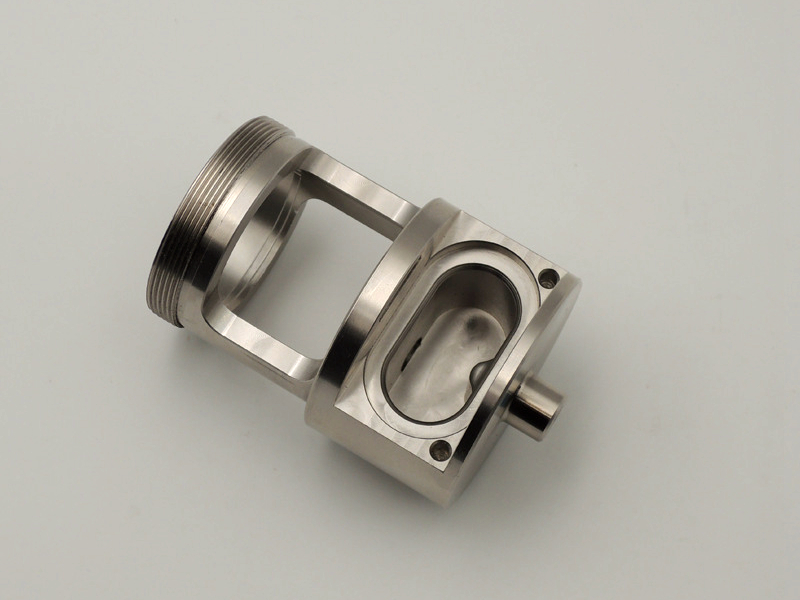
Part complexity increases CNC machining lead time and cost when it adds setups, inaccessible features, tight datum relationships, special tools, finishing risk, or inspection work. Complexity is not simply visual detail in a 3D model. Deep pockets, cross-holes, intersecting channels, undercuts, thin walls, compound angles, and controlled relationships can each change the route. A straightforward part using a stable CNC machining service may be quicker to plan and run, but material, quantity, capacity, and acceptance scope still affect the quote. One difficult feature can govern the entire route even when the rest of the part is simple. Send the STEP file, controlled drawing, material condition, quantities, critical features, final finish, inspection method, and required date.
How complexity changes machining strategy and lead time
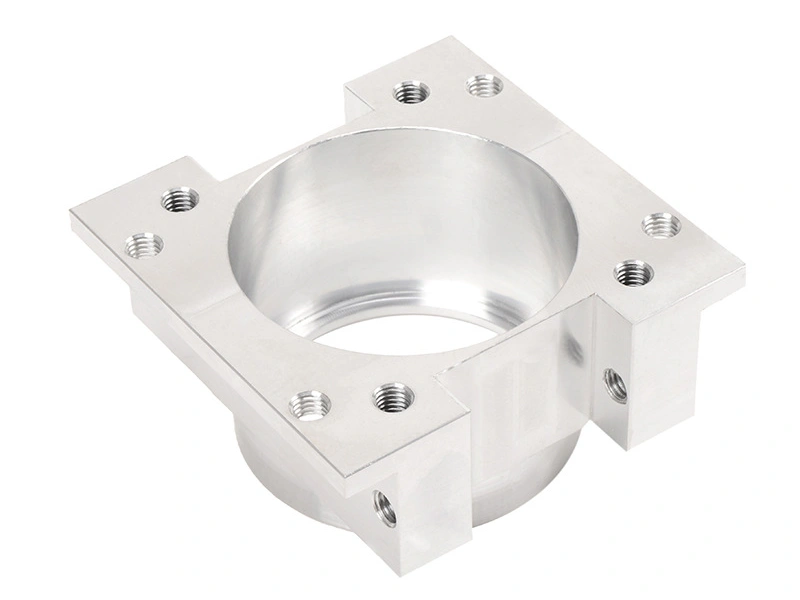
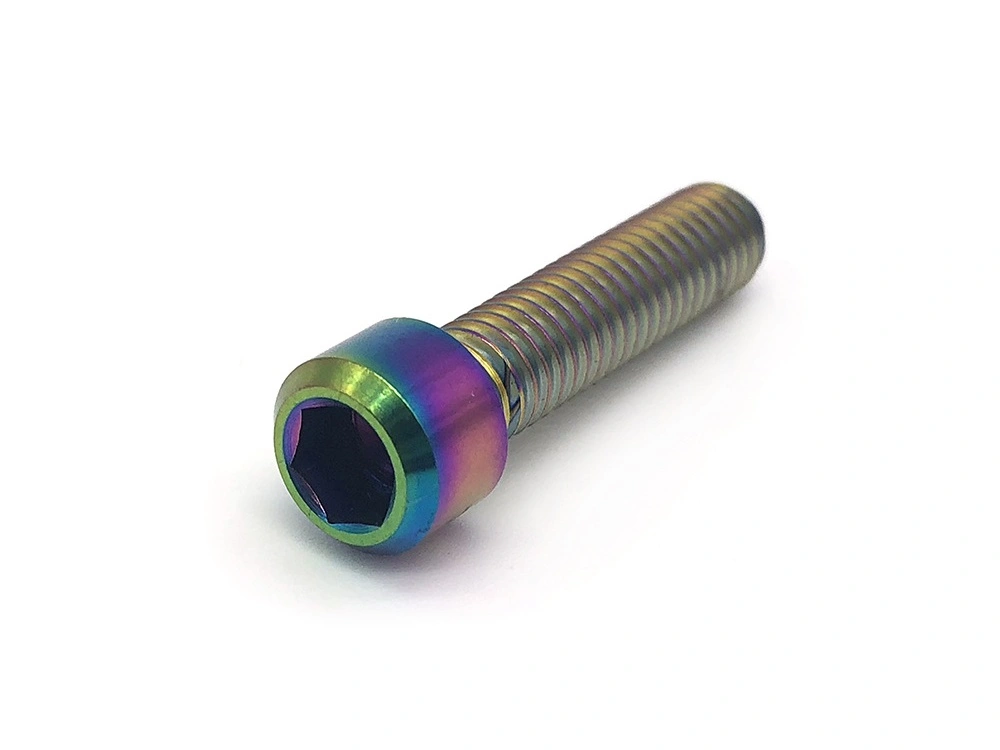
Complexity changes lead time by changing the process route, not only by adding cutting minutes. Wide faces and standard pockets may suit a CNC milling service, while concentric diameters and sealing interfaces may suit a CNC turning service. Multi-face access can make a multi-axis machining service preferable when it reduces transfers and protects datum relationships. That route may add programming, simulation, collision checking, probing, or a higher machine rate. It lowers total cost only when saved fixtures, handling, alignment, inspection, and rework outweigh those additions. A deep internal corner may still require a long tool, reduced engagement, or EDM regardless of axis count. Ask for route alternatives under the same acceptance plan.
Representative CNC machining prototyping can expose chatter, cross-hole burrs, datum shift after roughing, tool-access limits, and wall movement after unclamping. A precision machining service route may then require roughing, stabilization, semi-finishing, finishing, controlled inspection, and feature records. Prototype approval is only one schedule stage. Material procurement, programming, fixture manufacture, special tools, dedicated gauges, first-article review, customer approval, outside finishing, final inspection, and shipment release may control the date. A rejected first article can restart machining, outside processing, and approval rather than add only one inspection day. Define the clock start, buyer hold points, lot coverage, partial shipment, and transit. Assign an owner and response time to every hold point; an undefined approval queue makes lead-time comparisons unreliable.
Material and finishing: multipliers on complexity
Material changes how geometry converts into time and risk. Aluminum 6061 can permit favorable cutting conditions in an appropriate temper, but thin walls and broad pockets can still move. Stainless Steel SUS304 or Stainless Steel SUS316L can add work-hardening, heat, burr, and tool-wear controls. The grade and condition of carbon steel affect distortion and finishing, while ABS can add clamping, heat, creep, and cosmetic-mark risks. Stock availability, mill minimums, certification, heat treatment, and replacement material after scrap can extend lead time before cutting resumes. Quote the exact grade, condition, form, wall thickness, and protected surfaces rather than a family name.
Finishing magnifies complexity when edges, grooves, channels, and intersections are difficult to reach or inspect. Controlled CNC part tumbling and deburring may suit exposed geometry, but it does not prove hidden cross-holes are clean or protected edges remain sharp. An as machined surface finish may avoid extra routing only where texture, appearance, corrosion, and cleaning requirements allow. Hidden passages may need a defined flush, borescope, particle, or flow verification according to the application. The drawing should define edges, trapped-media risk, masking, post-finish dimensions, cleanliness, and inspection state. Outside processing adds queue, transport, drying, reinspection, certificates, and rejection recovery to the critical path.
Industry use cases: when complexity is justified
Complexity is justified when it protects a verified function. In the Automotive Industry, a manifold channel, thermal interface, or safety-related datum may be essential when packaging and performance depend on location. Industrial Equipment may require high-pressure passages, lubrication paths, modular interfaces, and service-replacement features, while decorative pockets or over-controlled clearance geometry add no uptime. In Medical Device components, fine features, transitions, edges, and cleanliness follow the approved device specification and risk controls. The validation method may differ by product, so an industry name cannot justify a feature or inspection plan by itself. Tie each complex feature to a measurable output and failure consequence.
Every pocket, intersecting hole, tolerance stack, and hidden feature should earn its manufacturing cost through function, assembly, safety, or verification. The RFQ should separate access, datum control, finishing, inspection, one-time engineering, recurring unit work, and schedule assumptions. Ask which feature controls each critical-path stage and which revision would remove a setup, special tool, manual deburring step, outside process, or inspection routine. Request the NRE, unit-price, and lead-time delta for one change at a time. For repeat releases, confirm whether fixtures, gauges, programs, approved sources, and retained inspection records remain available or need requalification. If two quotes show similar cycle time but different lead time, compare whether one supplier omitted fixture proving, outside processing, or approval recovery. A shorter number is not equivalent when those stages are excluded. Keep complexity when testing protects function; simplify it when review shows only unused clearance or styling value. Record revision, exclusions, capacity date, and recovery plan before re-quoting.