How Do Engineers Choose the Right Machining Process for Different Types of Parts?
How Do Engineers Choose the Right Machining Process for Different Types of Parts?
Engineers choose a machining process by matching the dominant geometry and each critical feature to a route with practical tool access, stable workholding, compatible datum control, and a suitable inspection method. Overall shape suggests the starting process, but material condition, tolerance relationships, surface finish, quantity, and heat-treatment sequence can change it. Buyers should mark functional datums and critical features so the supplier can assign and verify every controlling operation.
CNC milling commonly starts prismatic and multi-face parts. CNC turning commonly starts axisymmetric parts. CNC drilling establishes holes that may need boring, reaming, or threading. CNC grinding is reserved for selected surfaces when material state, allowance, finish, size, or contact behavior justifies a finishing operation.
1. Start with Part Geometry, Because Shape Determines the Primary Process
Dominant geometry usually identifies the starting process, not the complete route. Prismatic, plate-like, or multi-face parts generally start with milling. Rotational parts dominated by diameters, bores, grooves, shoulders, and end faces generally start with turning.
The functional datum chain can override the simplest shape-based choice. A housing with pockets and side holes may begin with milling, while a stepped shaft may begin with turning. For mixed geometry, compare how often critical datums must be re-established; the fewest operations do not always create the lowest transfer risk.
Part Geometry Type | Most Suitable Primary Process | Main Reason |
|---|---|---|
Plate, block, bracket, housing | Starting route when accessible flats, pockets, slots, and multi-face features dominate | |
Shaft, pin, sleeve, bushing | Starting route when the rotation axis controls diameters, faces, and shoulders | |
Hole-dominant feature set | CNC drilling as secondary or dedicated operation | Establishes holes; depth, quality, stability, and follow-up work define the method |
Critical bearing or sealing surfaces | CNC grinding as finishing process | Consider after hardness, allowance, final size, roughness, and contact needs are known |
2. When Do Engineers Choose CNC Milling?
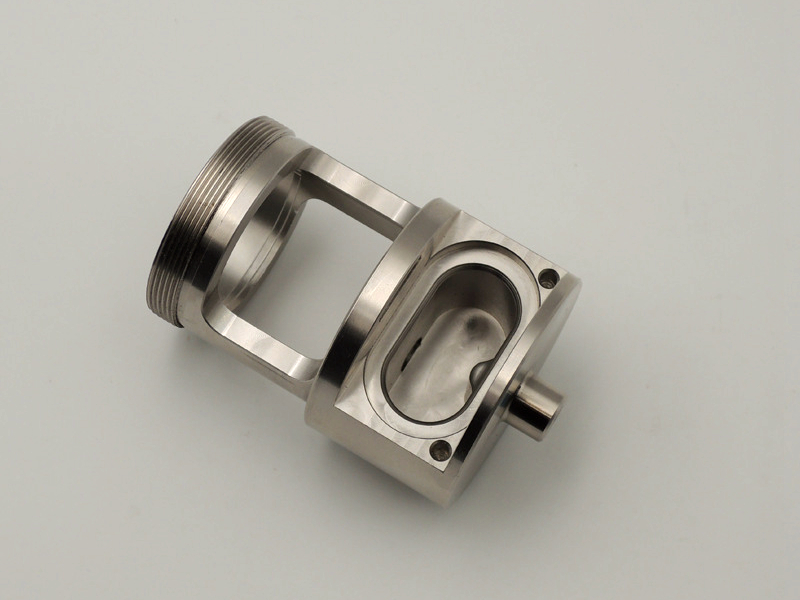
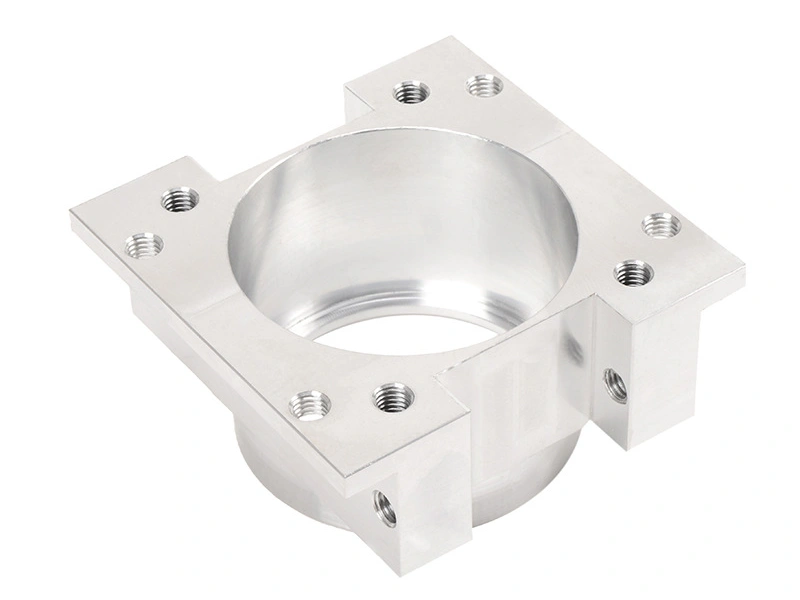
CNC milling is chosen for accessible planar surfaces, side walls, cavities, slots, pockets, counterbores, bolt patterns, contours, and features on several faces. It suits brackets, housings, plates, covers, manifolds, heat sinks, and structural components whose main geometry is prismatic.
Milling can combine mounting faces, pockets, tapped holes, side slots, chamfers, and contours, but access and workholding still set the route. Buyers should flag deep pockets, thin walls, datum faces, cosmetic surfaces, and inspection access because these features drive tool reach, setup count, distortion, burr control, and measurement strategy.
3. When Do Engineers Choose CNC Turning?
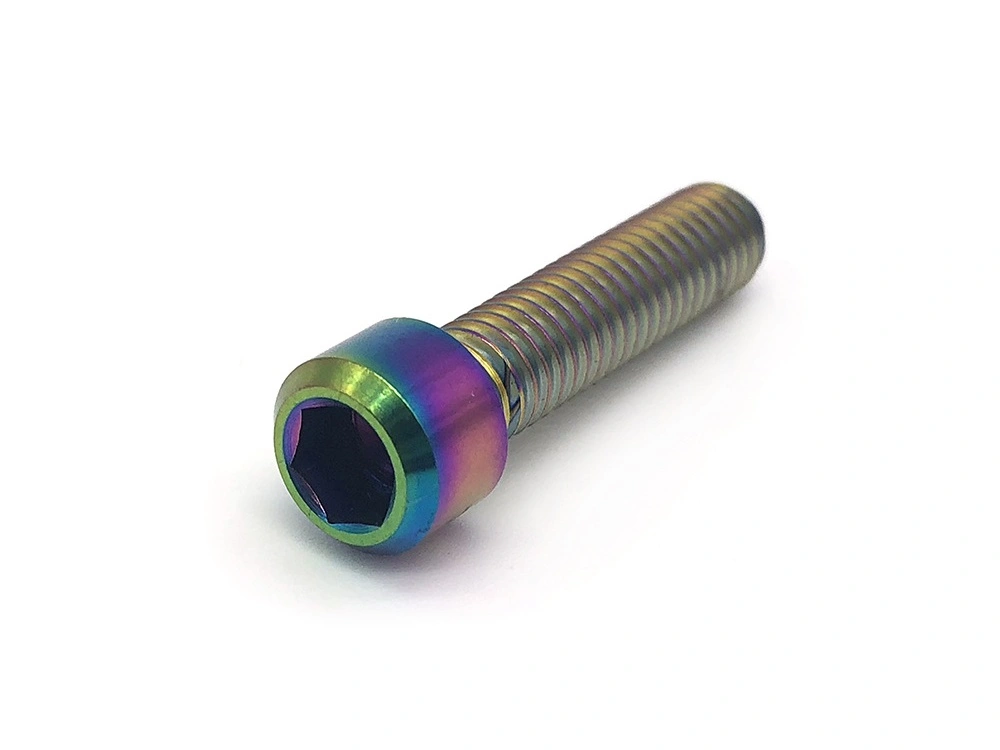
CNC turning is chosen when the controlling geometry is cylindrical or concentric about a rotation axis. Typical parts include shafts, pins, bushings, sleeves, threaded studs, spacers, bearing journals, and stepped connectors.
Turning is preferred when diameters, roundness, runout, and face relationships control function. If flats or cross-holes have a positional relationship to turned diameters, live-tool turning or a verified transfer may reduce datum re-establishment. Acceptance should reference drawing datums, not machine coordinates alone.
4. When Do Engineers Choose CNC Drilling?
CNC drilling is chosen to establish through holes, blind holes, pilot holes, bolt patterns, cross-holes, and thread-start holes. Method selection depends on hole diameter, depth, quality, entry and exit condition, workpiece material, chip evacuation, part stability, quantity, and machine access.
Drilling establishes a hole, but the drawing may require a controlled follow-up. Boring can correct diameter and location within a suitable setup. Reaming follows an existing hole to refine size and finish, while tapping or thread milling creates the specified thread. Buyers should define the hole datum, depth convention, thread standard, and inspection method.
Feature Type | Preferred Process | Why |
|---|---|---|
Flat faces and pockets | Controls accessible planar geometry and cavity detail from planned datums | |
Outside and inside diameters | Controls features related to a common rotation axis | |
Through holes and blind holes | Establishes holes; required location, size, finish, and thread define follow-up work | |
Critical final contact surfaces | Finishes selected prepared surfaces when function justifies added control |
5. When Do Engineers Choose CNC Grinding?
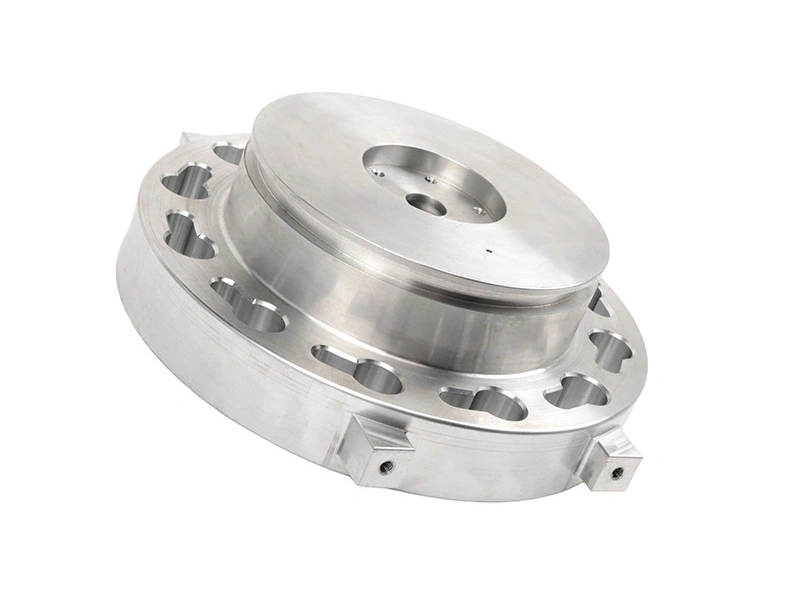
CNC grinding is chosen for a prepared surface when final size, roundness, roughness, hardness, or contact behavior cannot be controlled economically by the preceding cutting process. The route must reserve suitable stock and place heat treatment or coating in the correct order.
Grinding is normally a selective finishing step rather than the entire route. Bearing seats, sealing diameters, hardened shafts, guide surfaces, and wear surfaces may justify it. The supplier must match the grinding method and wheel to workpiece material and geometry, then verify size, surface condition, and thermal-damage risk under the agreed plan.
6. Which Process Is Best for Holes, Slots, Threads, and Mating Surfaces?
Feature type usually narrows the local process: holes start with drilling, slots with milling, and external threads on axisymmetric parts with turning. Internal threads follow a prepared hole and may use tapping or thread milling. Mating surfaces are milled first and ground only when the finished function requires it.
Process selection fails when isolated features are assigned without preserving their tolerance relationships. Map each critical feature to its originating datum, controlling setup, post-process state, and inspection method. Then choose the route with the lowest uncontrolled transfer risk, not simply the fewest operations.
Feature | Typical Best Process | Common Follow-Up |
|---|---|---|
Hole | Boring, reaming, tapping, or countersinking as the specification requires | |
Slot | Finishing and inspection from the datum controlling width, depth, and position | |
External thread on shaft-like part | Thread relief, surface treatment allowance, and specified gauge verification | |
Internal thread in prismatic part | Drilling plus tapping or thread milling | Entry deburring, depth confirmation, and specified thread inspection |
Mating or sealing surface | Verify flatness, roughness, and final condition only as the drawing requires |
7. Why Are Complex Parts Usually Made with Combined Processes?
Complex parts often contain rotational features, flat faces, holes, threads, bores, and finished contact surfaces. A combined route assigns each feature to a suitable operation while preserving the required datum relationships through setup changes and secondary processing.
A connector body may start with turning for datum diameters, move to milling for flats, use drilling for a cross-hole, and use grinding only for a sealing diameter. If cross-hole position is controlled from the turned axis, a mill-turn setup or a verified transfer protects that relationship. A bracket may be milled, drilled, and ground only on one critical reference face.
8. How Do Engineers Balance Cost and Quality When Choosing the Process Route?
Engineers balance cost and quality by protecting critical-to-function relationships while keeping noncritical geometry efficient. Turning may control concentric features with fewer datum transfers than milling. A milled face may be acceptable unless sealing, bearing, hardness, or sliding requirements justify grinding.
The route should identify the risk-driving feature, the operation that controls it, the state in which it is accepted, and the method that verifies it. For a new or changed route, inspect those relationships after any heat treatment or finish that can alter them before releasing the remaining quantity.
9. Practical Engineering Selection Guide
If the part mainly has... | Preferred Starting Process | Main Reason |
|---|---|---|
Flat faces, pockets, slots, and side geometry | Starts accessible prismatic geometry; workholding and tool reach set the boundary | |
Rotational diameters and concentric shoulders | Starts axisymmetric geometry tied to a common rotation axis | |
Axial or patterned holes | Establishes holes before any specified boring, reaming, or threading | |
Critical final bearing or sealing surfaces | Adds selective finishing after material state and allowance are confirmed | |
Mixed geometry with several functional feature types | Combined process route | Assigns operations while controlling datum transfer and inspection access |
10. Summary
Engineers choose machining processes by matching geometry and functional relationships to controlled operations. Milling starts accessible prismatic features. Turning starts axisymmetric features. Drilling establishes holes. Grinding selectively finishes prepared surfaces when the specification justifies it.
A part may need a combined route rather than one process. Buyers should provide the drawing, model, material condition, heat treatment, quantity, functional datums, critical features, final finish, and inspection requirements so the supplier can map each feature to a controlling operation and verifiable acceptance state.