How can I reduce CNC machining costs without compromising function?
1. Design for machining, not against it
You can reduce CNC machining costs without compromising function by removing nonfunctional complexity, assigning tight requirements only to critical features, choosing machinable materials, and giving the supplier enough RFQ data to plan the route correctly. Cost reduction should start with the drawing, not with pressure for a lower unit price. Deep pockets, thin walls, compound angles, inaccessible burrs, and features that require repeated setups can add cost even when the part looks simple. A stable CNC machining service plan needs clear datums, critical dimensions, material condition, quantity, inspection scope, and surface requirements before the supplier can quote a realistic route.
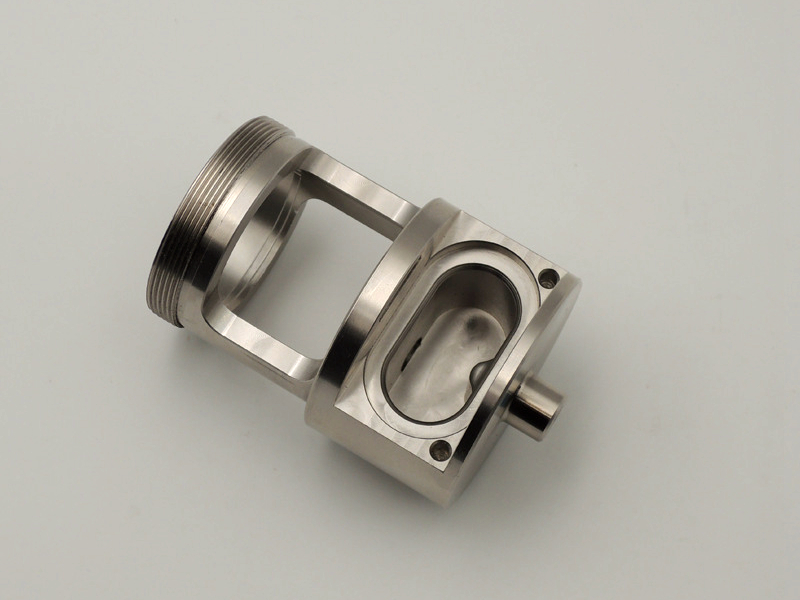
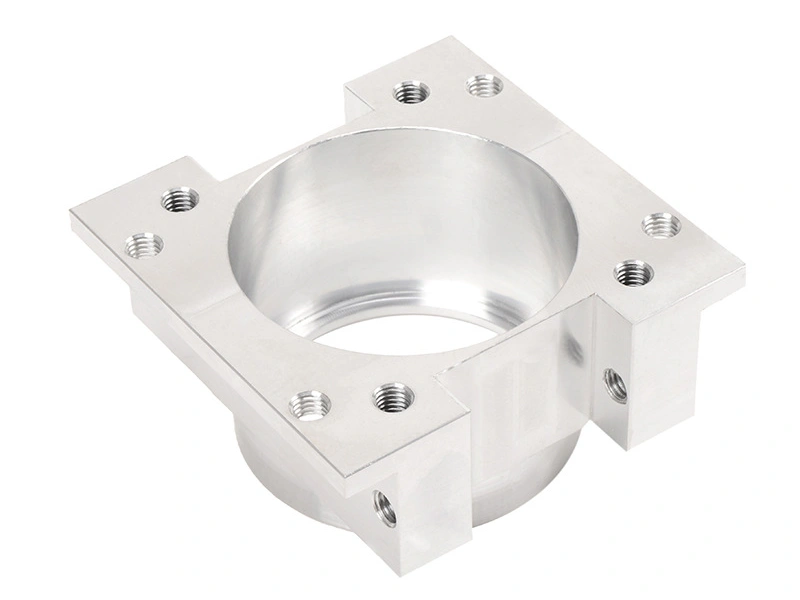
Use plane-based, diameter-based, and standard tool-friendly features where function allows. Features that align with CNC milling services cost less to produce when corner radii, wall thickness, and tool access suit standard cutters. For parts with several faces or linked datums, a multi-axis machining service may remove transfers and reduce accumulated location error. That route saves money only when the avoided setups outweigh higher programming, probing, machine-hour, and workholding costs. Ask the supplier to compare viable routes against the same inspection plan instead of choosing an axis count from geometry alone.
2. Set tolerances and finishes for function, not habit
Over-specified tolerances and cosmetic finishes increase CNC cost when they do not protect a functional requirement. Separate sealing, bearing, alignment, datum, and cosmetic features before assigning limits. Tight tolerances belong on features that control leakage, fatigue, sliding fit, assembly clearance, or downstream measurement. A blanket tight-tolerance note can force extra finishing passes, inspection, temperature control, and scrap allowance. A dimensional limit without a clear datum reference or acceptance method can also create disagreement rather than usable precision. Mark the functional boundary feature by feature.
Use CNC machining prototyping to test critical features before locking a production drawing. The test is meaningful only when material condition, setup logic, finishing allowance, and measurement method represent the intended production route. A one-off prototype that passes inspection does not establish repeatable batch capability by itself. Where performance allows, retain an as machined surface finish instead of adding grinding, polishing, or coating. State roughness only where it controls sealing, friction, fatigue, corrosion protection, or appearance, and define how that surface will be accepted.
3. Choose materials that balance performance and machinability
Material choice changes raw-stock cost, cutting time, tool life, burr behavior, distortion risk, and inspection effort. For housings, brackets, covers, and manifolds where weight and machinability matter, Aluminum 6061 can be economical when its specified temper meets strength, temperature, wear, corrosion, and finishing requirements. For corrosion-resistant parts under moderate loads, Stainless Steel SUS304 may be suitable, but deep blind features, broad tool engagement, and fine finishes can raise tool and cycle costs. Compare exact grades, stock forms, conditions, certificates, and service environments rather than comparing only material family names.
General-purpose carbon steel may lower total cost for shafts, fixture parts, and protected components when the selected grade, heat treatment, coating, and corrosion exposure are acceptable. For covers, spacers, or housings with limited structural load, consider ABS, provided that temperature, chemicals, creep, threads, and dimensional stability fit the application. Reserve Inconel 718 for requirements its specified condition can satisfy, such as demanding temperature, corrosion, or strength exposure. A cheaper grade is a saving only after the substituted material passes the same load, environment, life, and regulatory checks.
4. Optimize process flow and deburring strategy
Process flow controls cost because a CNC quote includes setup, programming, cutting, tool changes, inspection, deburring, cleaning, and outside operations. Group features into fewer setups only when the required datum relationships remain controllable. A special tool for one noncritical corner or another fixture for one avoidable side feature can dominate a small batch. During ramp-up, a low-volume manufacturing service can validate workholding, cutting sequence, inspection, and burr control before dedicated tooling is justified. Give both order quantity and expected release pattern so the quote separates one-time engineering from recurring production cost.
Deburring can erase savings that appear in machine-cycle estimates. Controlled CNC part tumbling and deburring may reduce handwork when geometry permits, but sealing lands, thin walls, threads, and sharp functional edges may need masking or local treatment. The drawing should distinguish edges that remain sharp, receive a controlled break or chamfer, or require a measurable burr limit. Identify internal intersections where loose chips would affect assembly or service. Then confirm the edge condition after the proposed bulk process, because removing an external burr does not prove that a hidden cross-hole intersection is clean.
5. Align design choices with real application scenarios
Cost decisions should reflect the part's service risk, production pattern, and approval route. In Automotive and e-mobility programs, stable releases may justify dedicated fixtures and standardized interfaces, while any PPAP requirement must use the customer-specified submission level and production-representative process. Project-based Industrial Equipment may gain more from shared hole patterns, replaceable modules, and tolerances that support field service. For Consumer Products, simplified visible surfaces and explicit cosmetic acceptance criteria can remove polishing and sorting that users would not value. The acceptable cost action changes with the failure consequence.
A decision-ready cost-reduction RFQ explains function as well as shape. Include the drawing, 3D model, quantity breaks, release pattern, exact material condition, approved alternatives, critical features, finish, inspection records, packaging, and required date. Request a baseline quote plus clearly identified alternatives, with tooling and other nonrecurring engineering separated from unit cost. Each alternate should change one requirement where practical, state the saving, and name the validation needed before approval. This delta-quote method prevents several simultaneous changes from hiding which concession affects sealing, fit, fatigue, safety, or regulatory acceptance.