How can I reduce the cost of CNC prototype parts without affecting functional testing?
How can I reduce the cost of CNC prototype parts without affecting functional testing?
Reduce CNC prototype cost by protecting only the characteristics that can change the test conclusion, then removing cost from unrelated tolerances, geometry, material requirements, finishes, quantities, and records. First define the test purpose, expected failure mode, critical interfaces, environment, measurement method, and pass or fail criteria. For CNC prototype parts, require the supplier to price the controlled baseline and list each proposed deviation with its saving, technical effect, validation action, and approval owner. A cheaper part is useful only if it still produces sufficient evidence for the next engineering decision.
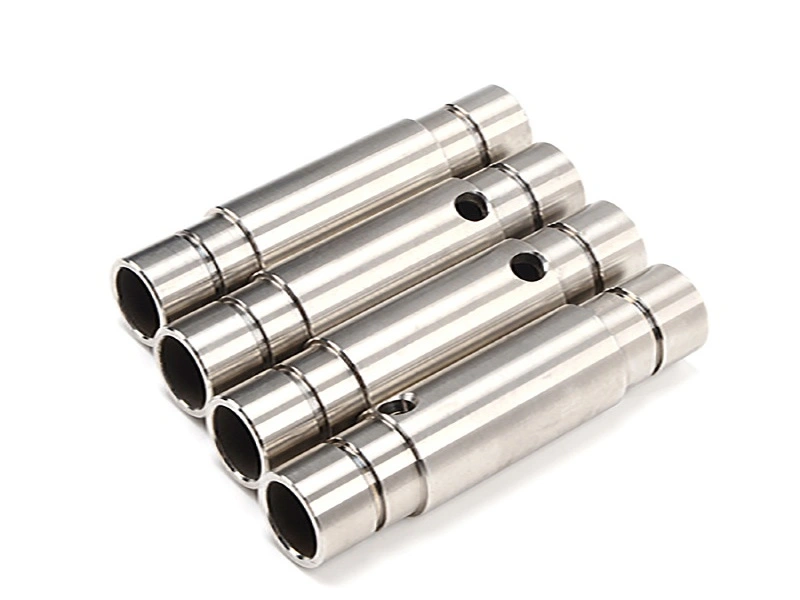
Cost Reduction Method | Protected Evidence and Approval Check |
|---|---|
Classify critical characteristics | Link every retained tolerance or requirement to fit, seal, load, motion, thermal, wear, safety, or another test outcome. Mark the remaining characteristics as candidates for review, not automatic relaxation. |
Relax non-functional tolerances | Confirm the dimension cannot change assembly, stress, contact, clearance, datum alignment, measurement, or the tested failure mode. Record the approved limit and drawing revision before quoting. |
Evaluate a material substitute | Compare grade, condition, stock form, stiffness, strength, mass, thermal behavior, corrosion, wear, and machinability against the test. Approve substitution only when affected mechanisms are outside scope or separately validated. |
Simplify inaccessible geometry | Ask which depth, corner, slot, wall, reach, setup, or workholding constraint drives cost. Change it only if the resulting stiffness, flow, interface, load path, or assembly evidence remains valid. |
Limit finishing scope | Retain finish where thickness, roughness, friction, sealing, wear, corrosion, thermal transfer, electrical contact, or appearance is tested. Delay cosmetic treatment that contributes no current evidence. |
Quote test-relevant quantities | Separate setup and nonrecurring work from unit cost, then compare the minimum specimens, repeats, controls, destructive tests, and contingency parts required for a credible decision. |
Run a controlled DFM review | Require the supplier to return the feature, cost driver, proposed change, saving, functional risk, and validation method. Engineering disposition must precede manufacture and revision freeze. |
1. Reduce cost by controlling tolerances by function
Start with a characteristic-to-function map rather than opening limits across the drawing. Keep control on mating bores, seal diameters, alignment datums, loaded sections, bearing seats, threads, or surfaces that determine the test. For each remaining dimension, ask what happens at either limit and whether the inspection result is needed to interpret failure. Apply CNC machining tolerances with a defined datum reference, part condition, final finish state, and measurement method. Savings may come from fewer precision setups, more robust tools, simpler inspection, or reduced rework. The approved relaxation belongs in a controlled drawing or deviation, not only in an email or quotation assumption.
2. Simplify geometry that does not change the test result
Ask the supplier to identify geometry-driven cost at feature level: deep pockets, narrow slots, small internal radii, long-reach surfaces, thin walls, interrupted cuts, multiple orientations, or inaccessible inspection points. Use DFM for CNC machining to compare a specific alternative, not to authorize an uncontrolled redesign. A larger corner radius may allow a stiffer tool, but it can alter mating clearance or flow. A thicker wall may reduce distortion, but it can change stiffness or thermal response. Document the predicted failure mode, verify the revised model against the test fixture or mating geometry, and issue the accepted revision before programming.
3. Choose material based on the real test need
Keep the production grade and condition when the test depends on strength, stiffness, fatigue, mass, thermal expansion, conductivity, corrosion, wear, friction, or surface treatment response. For an envelope, handling, or assembly-sequence check, a more available or machinable substitute may be acceptable. Compare properties and conditions that govern the current failure mode, including temper or heat treatment, product form, directionality, hardness, and relevant interfaces. The supplier should state the exact proposed material, source condition, cost or schedule advantage, and limitations. Engineering should label what the substitute prototype can and cannot prove. A family name such as aluminum or plastic is not enough to support that disposition.
4. Do not pay for unnecessary finish on early functional samples
Remove or postpone finish only when it cannot affect acceptance. Preserve treatment on sealing faces, wear contacts, corrosion exposures, thermal or electrical interfaces, friction pairs, cosmetic approval zones, and dimensions that apply after coating. Use the linked CNC machined parts surface finishes reference to identify finish-related cost inputs, while the order defines its exact final state. Savings can come from limiting cosmetic zones, postponing color approval, reducing masking, or testing an as-machined surface. Record the excluded evidence and any allowance needed for a later treatment so the prototype does not pass only because finish build or process effects were absent.
5. Request multiple quantity breaks
Quote quantities around the test plan, not arbitrary round numbers. Separate programming, fixtures, material minimums, outside-process charges, inspection setup, and reports from recurring unit cost. Then price the minimum valid specimen count, required repeats, control samples, destructive tests, and contingency parts. A five-piece quote may have a lower unit price than one piece, but total spend is lower only if all five support the decision. Compare the returned assumptions with the linked framework for CNC machining costs. Also ask whether combining revisions, materials, or finishes would create traceability or scheduling risk that outweighs setup savings.
6. What should not be cut just to save money
Do not reduce requirements that establish the test input or make the result interpretable. Protected items can include material state, loaded geometry, functional datums, threads, seals, mating interfaces, final surface condition, environmental exposure, calibrated measurement, traceability, and required reports. The exact list must come from the test and failure analysis rather than a generic quality category. If a supplier proposes changing one of these items, require a technical rationale, predicted effect, alternative validation, and buyer approval. Reject savings that merely transfer uncertainty into assembly, retesting, schedule, or the next prototype iteration. A lower quotation is not a lower program cost when it cannot support release or root-cause decisions.
7. The best cost-down strategy is test-driven
Create a controlled RFQ with the test purpose, failure mode, critical characteristics, mating conditions, material state, final finish, environment, quantity logic, inspection method, and acceptance criteria. Ask for a baseline quote plus itemized options rather than one silently optimized price. Each option should name the affected requirement, saving, lead-time effect, technical risk, and evidence lost or added. For work involving machining, finish, inspection, and delivery, use a one-stop CNC machining service only when ownership, outside-process controls, final-state inspection, and records are explicit. Freeze accepted options with the CAD and drawing revision, then review test results against the actual build configuration before authorizing another stage.w