Bronze Alloy
Material Introduction
Bronze Alloy is a broad copper-based material family used in CNC machining when the application requires a combination of wear resistance, corrosion resistance, anti-galling performance, bearing behavior, dimensional stability, and good service reliability in marine, industrial, and mechanical environments. Compared with standard brass, many bronze grades are preferred for heavier-duty sliding, load-bearing, and corrosive-service applications.
This family includes C17000 Silicon Bronze, C46400 Naval Brass, C51000 Phosphor Bronze, C52100 Phosphor Bronze, C60800 Phosphor Bronze, C63000 Aluminum Bronze, C63200 Leaded Phosphor Bronze, C67200 Copper-Nickel-Tin Bronze, C67600 Tin Bronze, C83600 Leaded Red Brass, C84800 Nickel Bronze, C86300 Manganese Bronze, C86400 Leaded Bronze, C90500 Manganese Bronze, C90700 Aluminum Bronze, C92200 Leaded Tin Bronze, and C95400 Aluminum Bronze. These grades are widely used for bushings, bearings, valve parts, gears, pump components, sleeves, marine hardware, and other custom machined bronze parts.
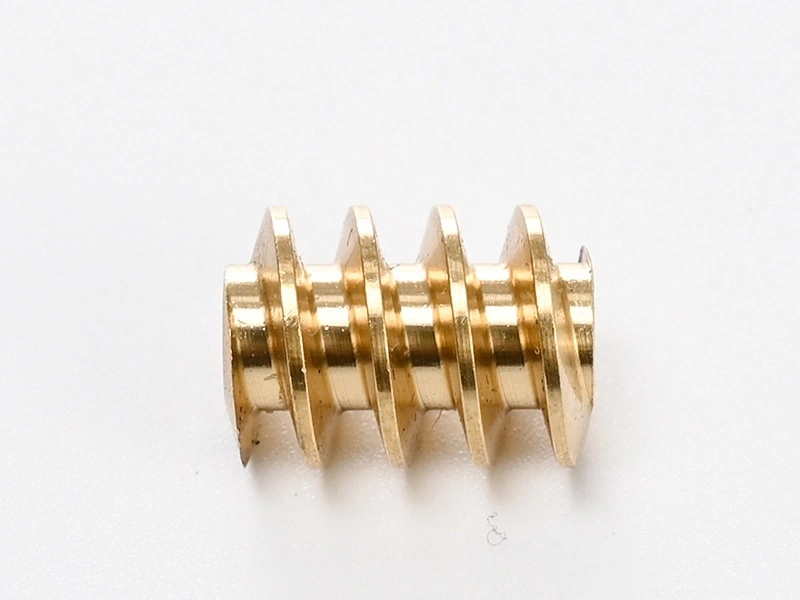
Material Family Table
Bronze Category | Representative Grades |
|---|---|
Phosphor Bronze | C51000, C52100, C60800, C63200 |
Aluminum Bronze | C63000, C90700, C95400 |
Manganese Bronze | C86300, C90500 |
Silicon / Specialty Bronze | C17000, C67200, C84800 |
Tin / Leaded Bronze | C67600, C86400, C92200 |
Related Copper Alloy Applications | C46400 Naval Brass, C83600 Leaded Red Brass |
Selection Direction
Bronze grade selection should be based on bearing load, sliding speed, lubrication condition, seawater exposure, corrosion risk, impact load, anti-galling requirement, and machinability target. Different bronze materials are optimized for different working conditions, so the correct grade should be matched to the actual duty rather than selected only by cost.
For springs, contacts, and precision wear parts, C51000 Phosphor Bronze and C52100 Phosphor Bronze are common choices. For heavy-duty bearings, gears, and stronger structural bronze parts, aluminum bronze and manganese bronze grades are often more suitable. For marine and corrosion-focused service, silicon bronze, naval brass, and selected nickel-containing bronze grades may be more appropriate depending on the operating environment.
Design Intent of Bronze Alloy
Bronze alloys are typically selected when the design requires a copper-based alloy that performs better than standard brass in sliding contact, wear resistance, anti-seizure behavior, or corrosive and marine service. In many mechanical systems, bronze is chosen specifically because it offers a favorable balance between machinability and long-term performance in bushings, bearings, thrust washers, valve seats, worm gears, and pump hardware.
The design intent varies by subtype. Phosphor bronze is often used for springs, contacts, and precise wear parts. Aluminum bronze is used for high-strength, corrosion-resistant, and load-bearing components. Manganese bronze is commonly used for gears, bushings, and heavily loaded industrial parts. Leaded bronzes are often selected for bearing behavior and conformability, while silicon bronze and nickel bronze grades are useful where corrosion resistance and marine durability are more important.
General Properties
Property | Typical Engineering Meaning |
|---|---|
Density | Typically higher than aluminum and similar to other copper-based alloys |
Corrosion Resistance | Generally good to excellent, especially in marine and industrial environments |
Thermal Conductivity | Moderate to good depending on alloy family |
Electrical Conductivity | Lower than pure copper but useful in selected applications |
Wear Performance | Often better than standard brass in sliding and bearing applications |
Anti-Galling Behavior | Important in bushings, thrust parts, and mating components |
Mechanical Behavior
Property | Engineering Relevance |
|---|---|
Strength | Ranges from moderate in leaded grades to high in aluminum and manganese bronzes |
Hardness | Important for wear and load-bearing performance |
Machinability | Varies by grade, with leaded and some bearing bronzes generally easier to machine |
Bearing Behavior | Critical for bushings, thrust washers, and sliding components |
Impact / Load Capacity | Higher in aluminum bronze and manganese bronze families |
Seawater Suitability | Important for marine hardware, pumps, and corrosive-service parts |
Material Characteristics
Bronze materials are distinguished by their excellent performance in wear-related and corrosive environments. Phosphor bronze grades are often selected for elastic behavior, good fatigue resistance, and precision wear performance. Aluminum bronze grades such as C63000, C90700, and C95400 are valued for higher strength, strong corrosion resistance, and suitability for heavy-duty industrial and marine service.
Manganese bronze grades such as C86300 Manganese Bronze and C90500 Manganese Bronze are often used for gears and bushings that require higher load capacity. Leaded and tin bronze grades are commonly selected when bearing compatibility, conformability, and smoother sliding performance are needed. Silicon bronze and specialty nickel-bearing grades are useful where corrosion resistance and service stability are more important than maximum machining speed.
Manufacturing Process Performance
Bronze components are commonly produced through CNC turning, CNC milling, CNC drilling, and where internal accuracy is important, CNC boring. For sealing or contact surfaces requiring improved finish and geometry, CNC grinding may also be applied.
Compared with many steels, bronze is often easier to machine in functional bearing or bushing geometries, but grade differences remain important. Leaded bronzes may offer smoother cutting and better productivity, while stronger aluminum and manganese bronzes require more attention to cutting load and tool wear. In all cases, process planning should account for the actual service function of the bronze component, not only nominal dimension targets.
Applicable Post-processing
Bronze parts may require deburring, surface smoothing, precision finish control, cleaning, and dimensional verification depending on whether the component is a bearing part, decorative part, marine fitting, or valve component. For visible or premium-finish parts, appearance-focused finishing may also be considered to preserve the characteristic bronze surface quality.
Where corrosion behavior or surface appearance requires enhancement, certain bronze components may also be compatible with treatments such as electroplating, depending on the alloy and final use. However, post-processing should be selected according to the real working condition, especially for bearing surfaces, contact faces, and marine-service components where function is more important than appearance alone.
Common Applications
Bronze alloys are widely used in industrial equipment, marine hardware, automation systems, power-related components, pumps, valves, and heavy-duty mechanical assemblies. Typical applications include bushings, bearings, sleeves, thrust washers, worm gears, valve seats, marine fittings, pump parts, wear plates, and corrosion-resistant custom machined components.
In these applications, bronze is often selected because it offers more reliable sliding performance and corrosion resistance than many alternative non-ferrous materials. The specific grade should be chosen based on whether the part needs stronger load capacity, lower friction, better seawater resistance, or better bearing behavior under intermittent lubrication.
When to Choose Bronze Alloy
Choose bronze alloy when the application involves wear, bearing duty, anti-galling contact, corrosive service, seawater exposure, or long-term mechanical reliability in copper-based systems. Bronze is especially suitable for bushings, gears, sleeves, thrust parts, marine hardware, pump components, and industrial fittings where standard brass may not provide enough wear resistance or service durability.
For spring and precision wear applications, phosphor bronze is often a suitable starting point. For heavier-duty structural and marine parts, aluminum bronze or manganese bronze may be more appropriate. For bearing-focused service, leaded bronze or tin bronze may be a better choice. The safest selection route is always to confirm load, lubrication, environment, corrosion medium, mating material, and service life before finalizing the exact bronze grade.
Engineering Selection Note
Bronze alloys should be selected according to the real operating condition rather than only by material family name. For RFQ evaluation, customers should provide the 2D drawing, 3D model, dimensional tolerance, load condition, friction or sliding requirement, corrosion environment, lubrication condition, mating material, and whether the part is intended for marine, valve, gear, or bearing service.
This allows NewayMachining to determine whether phosphor bronze, aluminum bronze, manganese bronze, leaded bronze, silicon bronze, or another specialty bronze is the most suitable material route for the project, and whether turning, milling, drilling, boring, or grinding is the most appropriate process combination.
Explore Related Blogs