
English
How does anodizing or powder coating affect aluminum CNC machined part dimensions?
Table of Contents
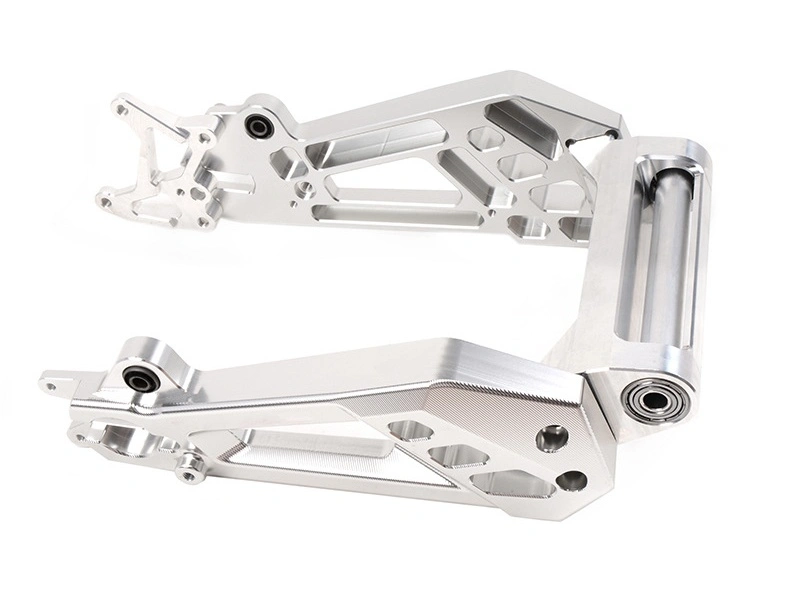
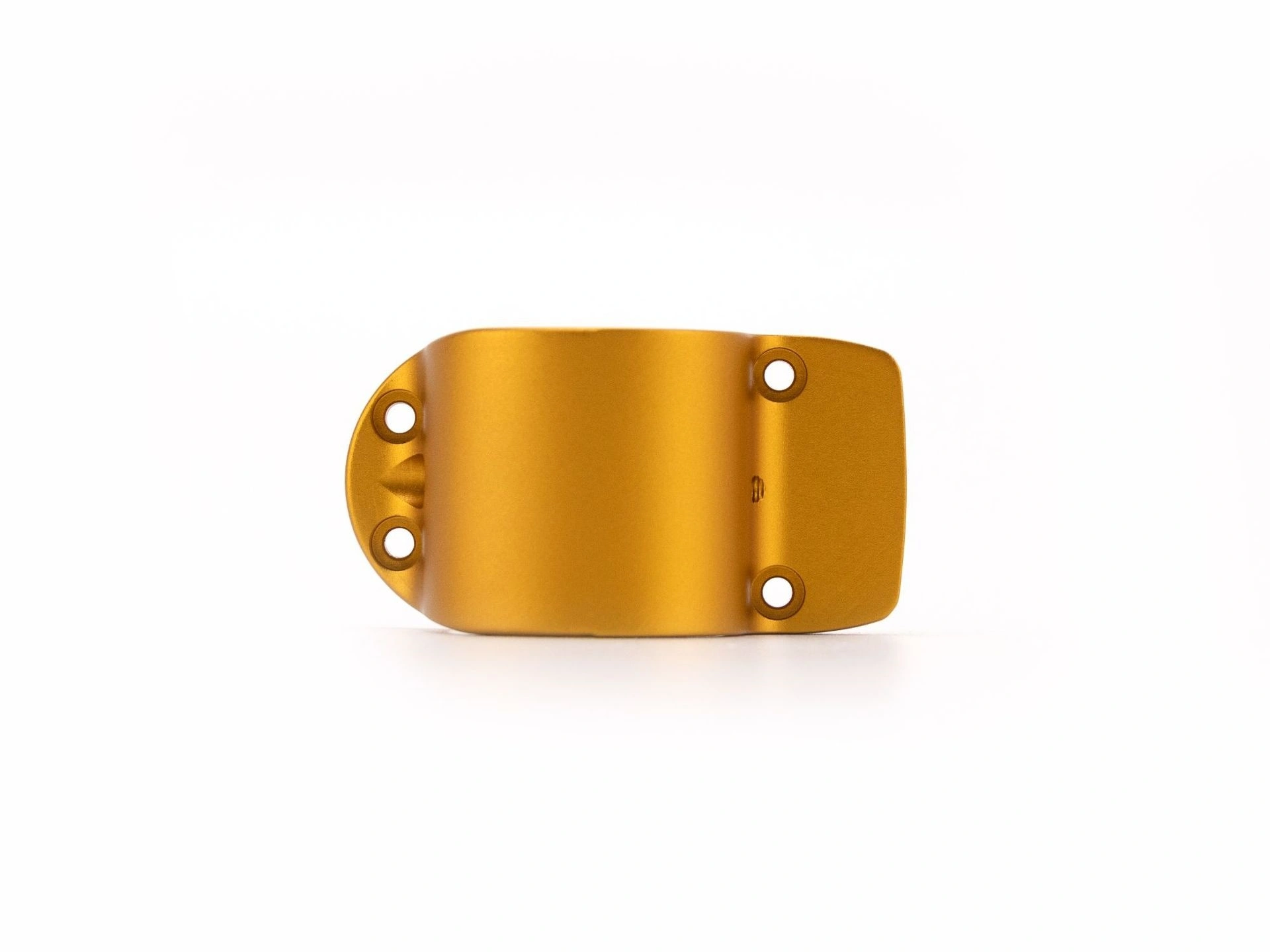
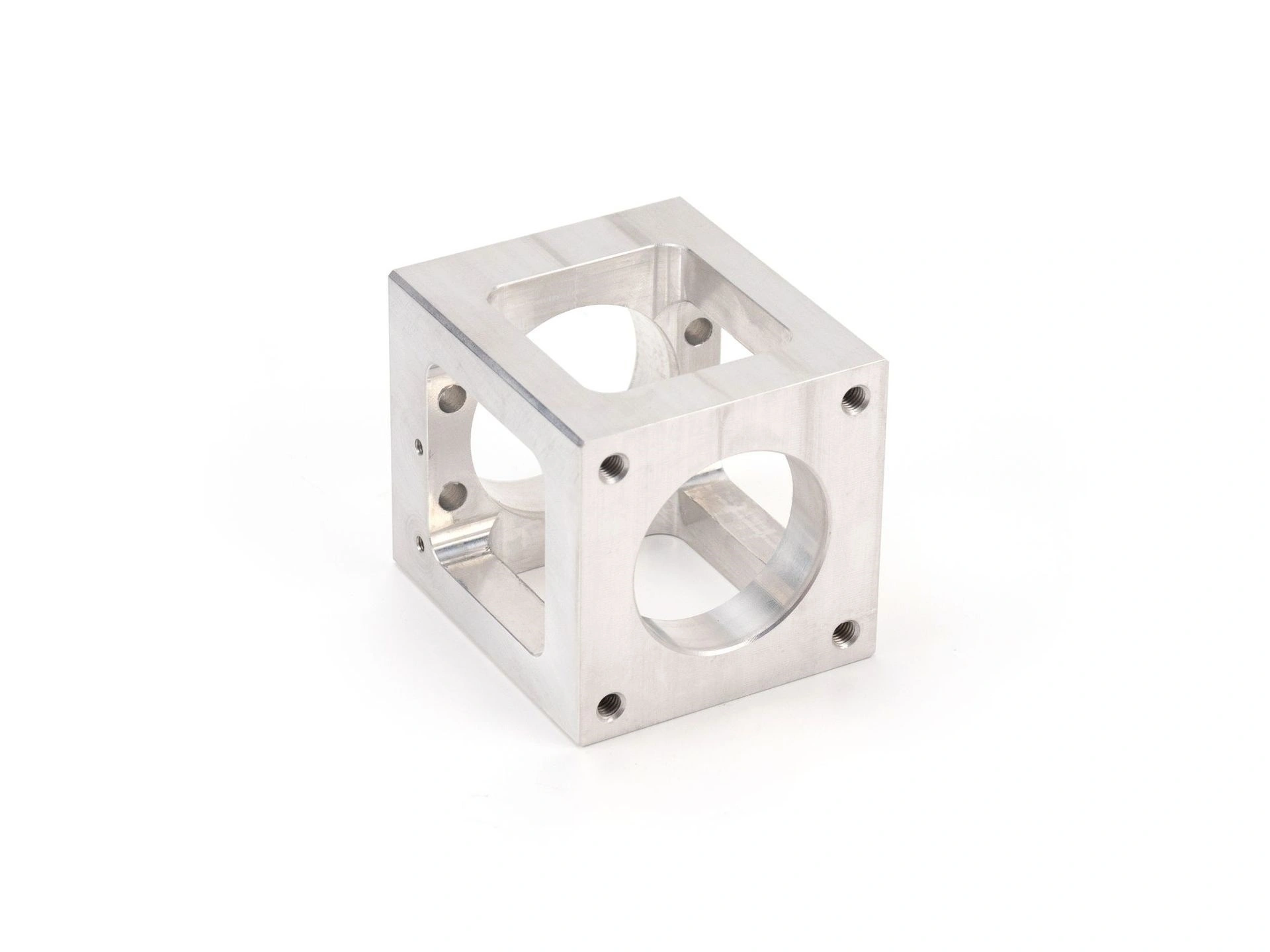
<h2 id="how-does-anodizing-or-powder-coating-affect-aluminum-cnc-machined-part-dimensions?">How does anodizing or powder coating affect aluminum CNC machined part dimensions?</h2><p>Anodizing changes the aluminum surface by forming an oxide that includes both substrate conversion and outward growth, while powder coating deposits a film above the surface. Both can alter fits, threads, sealing faces, electrical contacts, cosmetic zones, and the cost of <strong>anodized aluminum computer numerical control (CNC) parts dimensions</strong> when the drawing does not define the acceptance state. The actual effect depends on alloy, pretreatment, process specification, geometry, masking, rack or contact location, coating uniformity, and supplier control. Do not apply one universal allowance. For <a target="_blank" href="https://www.newaymachining.com/services/aluminum-cnc-machining">anodized aluminum CNC parts</a>, identify which dimensions apply before and after finishing, then require the supplier to return the proposed allowance, masks, inspection method, outside-process scope, rework responsibility, and buyer hold point.</p><div data-type="row" class="row"><div class="col-12 col-md-6" data-type="col"><p><a href="https://www.newaymachining.com/services/aluminum-cnc-machining"><img src="https://www.newaymachining.com/storage/attachments/2026/05/10/cnc-and-3d-printing-solve-different-prototype-problems.webp" width="800" height="600" loading="lazy"></a></p></div><div class="col-12 col-md-6" data-type="col"><p><a href="https://www.newaymachining.com/services/aluminum-cnc-machining"><img src="https://www.newaymachining.com/storage/attachments/2026/05/10/how-does-anodizing-or-powder-coating-affect-aluminum-cnc-machined-part-dimensions.webp" width="800" height="600" loading="lazy"></a></p></div></div><div class="i-typography-table-responsive"><table><tbody><tr><th colspan="1" rowspan="1"><p>Surface Process</p></th><th colspan="1" rowspan="1"><p>Dimensional Effect and Failure Mode</p></th><th colspan="1" rowspan="1"><p>Validation and Cost Action</p></th></tr><tr><td colspan="1" rowspan="1"><p>Anodizing</p></td><td colspan="1" rowspan="1"><p>Oxide conversion and outward growth can reduce bores, alter fits, and change edge or surface condition</p></td><td colspan="1" rowspan="1"><p>Use the specified process allowance; verify final-state dimensions, sample or coupon evidence, masks, and supplier scope</p></td></tr><tr><td colspan="1" rowspan="1"><p>Hard anodizing</p></td><td colspan="1" rowspan="1"><p>A heavier specified build can increase fit, roughness, masking, cracking, or color-control risk on sensitive zones</p></td><td colspan="1" rowspan="1"><p>Approve the provider's allowance, plug and rack plan, functional gauge, sampling, rework rule, and lot release</p></td></tr><tr><td colspan="1" rowspan="1"><p>Powder coating</p></td><td colspan="1" rowspan="1"><p>Deposited film can build at edges, bridge recesses, and obstruct threads, contacts, seats, or mating faces</p></td><td colspan="1" rowspan="1"><p>Define film requirement, masked zones, measurement method, finished fit, cure condition, touch-up, and batch cost</p></td></tr><tr><td colspan="1" rowspan="1"><p>Bead blasting / sandblasting</p></td><td colspan="1" rowspan="1"><p>Media changes texture, edge state, roughness, and the appearance of a later anodized surface</p></td><td colspan="1" rowspan="1"><p>Approve media, direction, cosmetic sample, protected zones, cleaning, roughness method, and subsequent-finish basis</p></td></tr><tr><td colspan="1" rowspan="1"><p>Polishing</p></td><td colspan="1" rowspan="1"><p>Material removal can round edges, soften transitions, and change local size or reflected appearance</p></td><td colspan="1" rowspan="1"><p>Map controlled zones, edge limits, sample, measurement stage, labor allowance, and rejection responsibility</p></td></tr><tr><td colspan="1" rowspan="1"><p>Chemical conversion coating</p></td><td colspan="1" rowspan="1"><p>A thin conversion process may have limited size effect but still changes contact and surface acceptance</p></td><td colspan="1" rowspan="1"><p>State process specification, electrical or corrosion requirement, masks, final inspection, certificate, and handling</p></td></tr></tbody></table></div><h3 id="1.-anodizing-can-change-fit-on-critical-features">1. Anodizing changes the surface and can change a functional fit</h3><p>Anodizing is not equivalent to applying a uniform paint film. The process converts part of the aluminum surface and grows oxide outward, so the provider's controlled process and the specified finished condition determine the dimensional response. A bore can become smaller, a shaft can become larger, a thread can lose usable clearance, and a sealing or bearing surface can leave its approved fit. Edge geometry, recesses, alloy, temper, rack contact, and local current distribution can also affect the result. Identify the final-state critical features before machining. Validate them after finishing with the drawing datum scheme, specified gauge or measurement method, and the released <a target="_blank" href="https://www.newaymachining.com/blogs/understanding-machining-tolerances-what-buyers-must-know-before-ordering-cnc-parts">CNC machining tolerances</a>.</p><h3 id="2.-hard-anodizing-and-powder-coating-need-more-dimensional-attention">2. Hard anodizing and powder coating require different controls</h3><p>Hard anodizing and powder coating can both create fit problems, but their mechanisms and control plans are different. A specified hard-anodized build changes the oxide condition and may affect roughness, edges, masks, plugs, rack locations, and appearance. Powder coating deposits a polymer film that can accumulate at edges, bridge small recesses, cover grounding areas, or obstruct threads and mating faces. Neither process should receive a guessed generic offset. Ask the finish provider for the approved process range and measurement basis. Compare <a target="_blank" href="https://www.newaymachining.com/blogs/choosing-the-right-coating-anodizing-vs-powder-coating-for-cnc-machined-aluminum-parts">anodizing vs powder coating</a> by service condition, functional zones, film or oxide requirement, final fit, cosmetic sample, masking labor, cure or seal step, inspection, rework, and batch cost.</p><h3 id="3.-blasting-and-polishing-affect-surface-state-even-if-they-do-not-add-a-heavy-coating">3. Blasting and polishing can change the acceptance surface without a heavy film</h3><p>Bead blasting, sandblasting, and polishing do not need a thick deposited film to change acceptance. Media impact can alter texture, edge condition, roughness, embedded residue risk, and the visual result of later anodizing. Polishing removes material and can round a sharp edge, soften a blend, expose local waviness, or create different reflectivity between zones. The failure may be cosmetic, dimensional, sealing-related, or caused by inconsistent pretreatment between batches. Freeze the media or polishing method, protected features, direction, cleaning, roughness method, and approved appearance sample. Validate one representative finished part or coupon before authorizing the full lot, and keep the evidence linked to the delivered batch.</p><h3 id="4.-the-most-sensitive-areas-should-be-identified-on-the-drawing">4. The drawing must identify sensitive zones and their acceptance state</h3><p>Threads, bearing seats, press fits, sealing surfaces, sliding interfaces, datum targets, thermal contacts, electrical contacts, and cosmetic faces need explicit treatment instructions. Mark coat, no-coat, mask, plug, rack-contact, blend, and visible zones on the drawing or controlled finish map. State whether each dimension applies as machined, after anodizing, after powder coating, or after assembly, and specify which datum reference frame remains valid. A non-customer example is a 6061-T6 enclosure with a gasket land and close-fit bore: masking can protect the land, but the bore still requires a final-state fit check. Treat this as <a target="_blank" href="https://www.newaymachining.com/services/precision-machining">precision machining</a> planning only when the inspection method, restraint state, sampling, and acceptance rule are defined.</p><h3 id="5.-buyers-should-define-finish-scope-and-inspection-stage-early">5. The request for quotation (RFQ) must price finish controls, evidence, and release responsibility</h3><p>A coating RFQ should state alloy and temper, drawing revision, governing finish requirement, functional and cosmetic zones, desired color or texture, controlled process range, masks, plugs, rack locations, pretreatment, dimensions before and after finish, and handling or packaging. Also define first-off or sample approval, inspection characteristics, measurement method, sampling, process or material certificate, color evidence, roughness record, and the buyer hold point. Ask who owns the outside process, transport damage, touch-up, stripping, rework, scrap, and reinspection when a finish fails. The linked <a target="_blank" href="https://www.newaymachining.com/blogs/cnc-machined-parts-surface-finishes-from-basic-smoothing-to-specialty-coatings">CNC machined parts surface finishes</a> and <a target="_blank" href="https://www.newaymachining.com/knowledge-hub/typical-surface-treatment-for-cnc-machined-aluminum-parts">typical surface treatment for CNC machined aluminum parts</a> can support process selection, but the purchase order must close every dimensional, appearance, cost, and approval assumption before production release.</p>
<h2 id="how-does-anodizing-or-powder-coating-affect-aluminum-cnc-machined-part-dimensions?">How does anodizing or powder coating affect aluminum CNC machined part dimensions?</h2><p>Anodizing changes the aluminum surface by forming an oxide that includes both substrate conversion and outward growth, while powder coating deposits a film above the surface. Both can alter fits, threads, sealing faces, electrical contacts, cosmetic zones, and the cost of <strong>anodized aluminum computer numerical control (CNC) parts dimensions</strong> when the drawing does not define the acceptance state. The actual effect depends on alloy, pretreatment, process specification, geometry, masking, rack or contact location, coating uniformity, and supplier control. Do not apply one universal allowance. For <a target="_blank" href="https://www.newaymachining.com/services/aluminum-cnc-machining">anodized aluminum CNC parts</a>, identify which dimensions apply before and after finishing, then require the supplier to return the proposed allowance, masks, inspection method, outside-process scope, rework responsibility, and buyer hold point.</p><div data-type="row" class="row"><div class="col-12 col-md-6" data-type="col"><p><a href="https://www.newaymachining.com/services/aluminum-cnc-machining"><img src="https://www.newaymachining.com/storage/attachments/2026/05/10/cnc-and-3d-printing-solve-different-prototype-problems.webp" width="800" height="600" loading="lazy"></a></p></div><div class="col-12 col-md-6" data-type="col"><p><a href="https://www.newaymachining.com/services/aluminum-cnc-machining"><img src="https://www.newaymachining.com/storage/attachments/2026/05/10/how-does-anodizing-or-powder-coating-affect-aluminum-cnc-machined-part-dimensions.webp" width="800" height="600" loading="lazy"></a></p></div></div><div class="i-typography-table-responsive"><table><tbody><tr><th colspan="1" rowspan="1"><p>Surface Process</p></th><th colspan="1" rowspan="1"><p>Dimensional Effect and Failure Mode</p></th><th colspan="1" rowspan="1"><p>Validation and Cost Action</p></th></tr><tr><td colspan="1" rowspan="1"><p>Anodizing</p></td><td colspan="1" rowspan="1"><p>Oxide conversion and outward growth can reduce bores, alter fits, and change edge or surface condition</p></td><td colspan="1" rowspan="1"><p>Use the specified process allowance; verify final-state dimensions, sample or coupon evidence, masks, and supplier scope</p></td></tr><tr><td colspan="1" rowspan="1"><p>Hard anodizing</p></td><td colspan="1" rowspan="1"><p>A heavier specified build can increase fit, roughness, masking, cracking, or color-control risk on sensitive zones</p></td><td colspan="1" rowspan="1"><p>Approve the provider's allowance, plug and rack plan, functional gauge, sampling, rework rule, and lot release</p></td></tr><tr><td colspan="1" rowspan="1"><p>Powder coating</p></td><td colspan="1" rowspan="1"><p>Deposited film can build at edges, bridge recesses, and obstruct threads, contacts, seats, or mating faces</p></td><td colspan="1" rowspan="1"><p>Define film requirement, masked zones, measurement method, finished fit, cure condition, touch-up, and batch cost</p></td></tr><tr><td colspan="1" rowspan="1"><p>Bead blasting / sandblasting</p></td><td colspan="1" rowspan="1"><p>Media changes texture, edge state, roughness, and the appearance of a later anodized surface</p></td><td colspan="1" rowspan="1"><p>Approve media, direction, cosmetic sample, protected zones, cleaning, roughness method, and subsequent-finish basis</p></td></tr><tr><td colspan="1" rowspan="1"><p>Polishing</p></td><td colspan="1" rowspan="1"><p>Material removal can round edges, soften transitions, and change local size or reflected appearance</p></td><td colspan="1" rowspan="1"><p>Map controlled zones, edge limits, sample, measurement stage, labor allowance, and rejection responsibility</p></td></tr><tr><td colspan="1" rowspan="1"><p>Chemical conversion coating</p></td><td colspan="1" rowspan="1"><p>A thin conversion process may have limited size effect but still changes contact and surface acceptance</p></td><td colspan="1" rowspan="1"><p>State process specification, electrical or corrosion requirement, masks, final inspection, certificate, and handling</p></td></tr></tbody></table></div><h3 id="1.-anodizing-can-change-fit-on-critical-features">1. Anodizing changes the surface and can change a functional fit</h3><p>Anodizing is not equivalent to applying a uniform paint film. The process converts part of the aluminum surface and grows oxide outward, so the provider's controlled process and the specified finished condition determine the dimensional response. A bore can become smaller, a shaft can become larger, a thread can lose usable clearance, and a sealing or bearing surface can leave its approved fit. Edge geometry, recesses, alloy, temper, rack contact, and local current distribution can also affect the result. Identify the final-state critical features before machining. Validate them after finishing with the drawing datum scheme, specified gauge or measurement method, and the released <a target="_blank" href="https://www.newaymachining.com/blogs/understanding-machining-tolerances-what-buyers-must-know-before-ordering-cnc-parts">CNC machining tolerances</a>.</p><h3 id="2.-hard-anodizing-and-powder-coating-need-more-dimensional-attention">2. Hard anodizing and powder coating require different controls</h3><p>Hard anodizing and powder coating can both create fit problems, but their mechanisms and control plans are different. A specified hard-anodized build changes the oxide condition and may affect roughness, edges, masks, plugs, rack locations, and appearance. Powder coating deposits a polymer film that can accumulate at edges, bridge small recesses, cover grounding areas, or obstruct threads and mating faces. Neither process should receive a guessed generic offset. Ask the finish provider for the approved process range and measurement basis. Compare <a target="_blank" href="https://www.newaymachining.com/blogs/choosing-the-right-coating-anodizing-vs-powder-coating-for-cnc-machined-aluminum-parts">anodizing vs powder coating</a> by service condition, functional zones, film or oxide requirement, final fit, cosmetic sample, masking labor, cure or seal step, inspection, rework, and batch cost.</p><h3 id="3.-blasting-and-polishing-affect-surface-state-even-if-they-do-not-add-a-heavy-coating">3. Blasting and polishing can change the acceptance surface without a heavy film</h3><p>Bead blasting, sandblasting, and polishing do not need a thick deposited film to change acceptance. Media impact can alter texture, edge condition, roughness, embedded residue risk, and the visual result of later anodizing. Polishing removes material and can round a sharp edge, soften a blend, expose local waviness, or create different reflectivity between zones. The failure may be cosmetic, dimensional, sealing-related, or caused by inconsistent pretreatment between batches. Freeze the media or polishing method, protected features, direction, cleaning, roughness method, and approved appearance sample. Validate one representative finished part or coupon before authorizing the full lot, and keep the evidence linked to the delivered batch.</p><h3 id="4.-the-most-sensitive-areas-should-be-identified-on-the-drawing">4. The drawing must identify sensitive zones and their acceptance state</h3><p>Threads, bearing seats, press fits, sealing surfaces, sliding interfaces, datum targets, thermal contacts, electrical contacts, and cosmetic faces need explicit treatment instructions. Mark coat, no-coat, mask, plug, rack-contact, blend, and visible zones on the drawing or controlled finish map. State whether each dimension applies as machined, after anodizing, after powder coating, or after assembly, and specify which datum reference frame remains valid. A non-customer example is a 6061-T6 enclosure with a gasket land and close-fit bore: masking can protect the land, but the bore still requires a final-state fit check. Treat this as <a target="_blank" href="https://www.newaymachining.com/services/precision-machining">precision machining</a> planning only when the inspection method, restraint state, sampling, and acceptance rule are defined.</p><h3 id="5.-buyers-should-define-finish-scope-and-inspection-stage-early">5. The request for quotation (RFQ) must price finish controls, evidence, and release responsibility</h3><p>A coating RFQ should state alloy and temper, drawing revision, governing finish requirement, functional and cosmetic zones, desired color or texture, controlled process range, masks, plugs, rack locations, pretreatment, dimensions before and after finish, and handling or packaging. Also define first-off or sample approval, inspection characteristics, measurement method, sampling, process or material certificate, color evidence, roughness record, and the buyer hold point. Ask who owns the outside process, transport damage, touch-up, stripping, rework, scrap, and reinspection when a finish fails. The linked <a target="_blank" href="https://www.newaymachining.com/blogs/cnc-machined-parts-surface-finishes-from-basic-smoothing-to-specialty-coatings">CNC machined parts surface finishes</a> and <a target="_blank" href="https://www.newaymachining.com/knowledge-hub/typical-surface-treatment-for-cnc-machined-aluminum-parts">typical surface treatment for CNC machined aluminum parts</a> can support process selection, but the purchase order must close every dimensional, appearance, cost, and approval assumption before production release.</p>
Related Blogs
Subscribe for expert design and manufacturing tips delivered to your inbox.
Share this Post:
Neway Precision Works Ltd.
No.3 Lefushan Industry West Road
Fenggang, Dongguan, China
ZIP 523000
Solutions
Copyright © 2026 Machining Precision Works Ltd.All Rights Reserved.