
Когда мелкосерийное производство должно перейти к массовому?
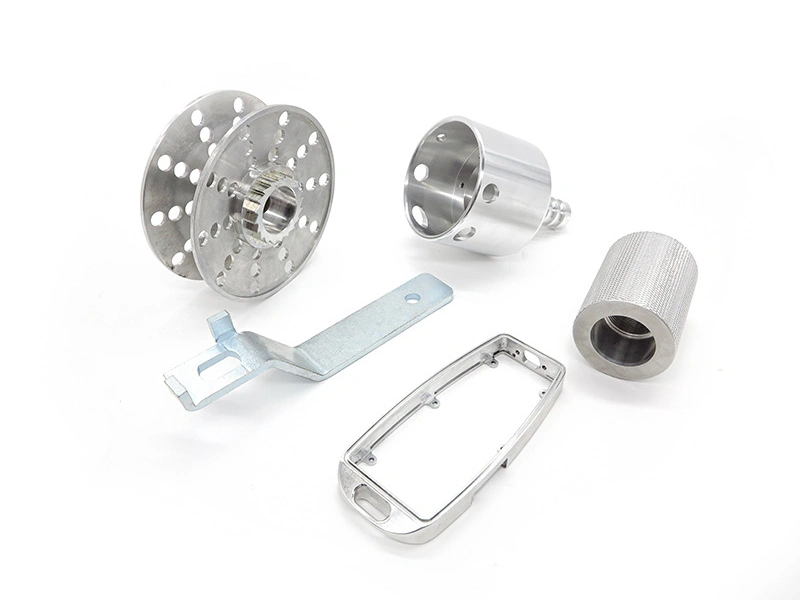
Когда мелкосерийное производство должно перейти к массовому?
Мелкосерийное производство должно перейти к массовому производству, когда проект больше не зависит в основном от гибкости, а вместо этого опирается на стабильный спрос, воспроизводимое качество и более низкую долгосрочную стоимость единицы продукции. На практике это обычно происходит, когда конструкция зафиксирована, рыночный спрос становится стабильным, отзывы клиентов положительны, стандарты контроля четки, материалы и качество поверхности подтверждены, а поставщик уже доказал свою способность надежно поставлять повторяемые мелкие партии.
Это означает, что решение касается не только увеличения количества деталей. Речь идет о том, готов ли продукт, процесс и бизнес в целом к более обязательной модели производства. Если важная неопределенность все еще сохраняется, продолжение работы в режиме мелкосерийного производства часто является более разумным выбором, поскольку это сохраняет гибкость и снижает давление на запасы, риск модификации оснастки и риск переделки крупных партий.
1. Фиксация конструкции — один из самых важных сигналов
Одним из наиболее явных признаков того, что заказчик должен перейти к массовому производству, является уже зафиксированная конструкция. На более ранних этапах валидации прототипа и в процессе мелкосерийного производства все еще распространено внесение корректировок в размеры, положение отверстий, резьбу, качество поверхности или детали сборки. На этом этапе гибкость производства ценнее эффективности масштаба.
Как только такие изменения становятся редкими, а определение продукта остается стабильным, массовое производство становится гораздо более практичным. Зафиксированная конструкция позволяет поставщику повысить эффективность производства без риска частых исправлений, изменений оснастки или повторного брака партий.
Сигнал к переходу | Что это означает | Почему это важно |
|---|---|---|
Конструкция зафиксирована | Деталь больше не меняется часто | Массовому производству нужна стабильная техническая база |
Рыночный спрос стабилен | Заказы становятся более предсказуемыми | Поддерживает планирование крупного производства и обязательства по поставкам |
Отзывы клиентов положительны | Продукт хорошо работает в реальных условиях | Снижает риск масштабирования неправильной версии |
Инвестиции в оснастку оправданы | Специализированная производственная настройка теперь может снизить затраты | Повышает эффективность в долгосрочной перспективе |
2. Рыночный спрос должен быть стабильным, а не просто растущим
Еще одним важным сигналом является стабильность спроса. Мелкосерийное производство хорошо работает, когда спрос все еще неопределен, нерегулярен или зависит от пилотных заказов и поэтапных планов выпуска. Массовое производство становится более подходящим, когда сроки заказов, частота повторных заказов и потребности клиентов больше не являются высоковолатильными.
Это важно, потому что масштаб создает реальную ценность только тогда, когда выпуск можно планировать исходя из надежного спроса. Если структура заказов все еще неясна, массовое производство может увеличить давление на запасы и риск принятия решений вместо снижения затрат.
3. Положительные отзывы клиентов уже должны быть получены
Мелкосерийное производство часто используется для поддержки тестирования клиентами, промежуточных поставок и валидации рынка. Эти этапы помогают заказчикам подтвердить, хорошо ли продукт работает в реальных условиях, принимают ли клиенты конструкцию и требуются ли какие-либо последние корректировки. Если отзывы клиентов все еще неопределенны или все еще могут спровоцировать изменения в конструкции, проект обычно еще не готов к полномасштабному производству.
Как только отзывы клиентов становятся явно положительными и последовательными, у заказчика появляется гораздо более веская причина для масштабирования. В этот момент проект больше не столько учится у рынка, сколько готовится обслуживать его более эффективно.
4. Стандарты контроля, материалы и качество поверхности уже должны быть определены
Перед переходом к массовому производству заказчик уже должен знать, как деталь будет контролироваться и приниматься. Это означает, что стандарты контроля должны быть четкими, воспроизводимыми и практичными. Выбранный материал уже должен быть подтвержден, а требуемое качество поверхности уже должно быть достаточно стабильным для поддержки повторяемого производства. Если эти элементы все еще меняются, оставаться в режиме мелкосерийного производства обычно безопаснее.
Это имеет значение, поскольку материалы и качество поверхности влияют на стоимость, размерную стабильность, внешний вид, коррозионную стойкость и сроки поставки. Если они еще не урегулированы, масштабирование обычно увеличивает риск, а не снижает его.
Если в проекте все еще есть... | Лучшим выбором обычно является... |
|---|---|
Частые изменения конструкции | |
Неопределенный спрос на заказы | |
Стабильные спецификации и повторяемый спрос | |
Необходимость в более широкой координации поставок | Комплексное обслуживание с планированием масштаба |
5. Поставки поставщика уже должны быть воспроизводимыми
Перед масштабированием поставщик уже должен доказать через мелкосерийное производство, что он может поставлять детали с воспроизводимыми размерами, воспроизводимым качеством поверхности, воспроизводимыми результатами контроля и стабильными сроками поставки. Это одна из главных причин, по которой заказчики сначала используют этап мелкосерийного производства. Он подтверждает не только продукт, но и поставщика.
Если поставщик уже продемонстрировал высокую согласованность партий, хорошую коммуникацию и стабильный ритм поставок, заказчик может перейти к более крупному производству с гораздо большей уверенностью.
6. Снижение стоимости единицы продукции становится более важным, когда проект стабилен
Мелкосерийное производство дает заказчикам гибкость, но не всегда обеспечивает наименьшую возможную стоимость единицы продукции. Как только конструкция стабильна, а спрос доказан, следующей основной бизнес-целью часто становится снижение затрат за счет масштаба. Именно в этот момент массовое производство начинает становиться более привлекательным.
Именно поэтому переход часто происходит, когда заказчик больше не платит в основном за обучение, а теперь платит за эффективную доставку. Если снижение стоимости единицы продукции стало реальным приоритетом, а технический риск уже снижен, масштабирование обычно имеет больше смысла.
7. Инвестиции в оснастку или производство должны быть экономически оправданы
Еще одним важным пунктом принятия решения является то, имеют ли сейчас экономический смысл специализированная оснастка, приспособления или более широкие производственные инвестиции. Если объем заказа все еще слишком мал или слишком нестабилен, эти инвестиции могут быть еще не оправданы. В этом случае заказчик может потратить на масштабирование больше, чем фактически сэкономит.
Массовое производство становится более подходящим вариантом, когда экономическая выгода от крупномасштабного производства явно перевешивает ценность сохранения гибкости. До этого момента мелкосерийное производство обычно остается более эффективным общим решением.
8. Если неопределенность изменений и спроса сохраняется, заказчикам не следует масштабироваться слишком рано
Если конструкция все еще меняется или структура заказов все еще неопределенна, заказчикам следует избегать преждевременного перехода к массовому производству. Продолжение работы в режиме мелкосерийного производства сохраняет большую гибкость и снижает давление на запасы, риск модификации оснастки и риск переделки партий. Это часто самый разумный выбор, когда в проекте все еще существует открытая техническая или коммерческая неопределенность.
Это одно из главных преимуществ этапа мелкосерийного производства. Оно дает заказчикам время подтвердить правильную версию продукта до того, как решения о более крупном производстве станет сложнее обратить вспять.
9. Резюме
В заключение, мелкосерийное производство должно перейти к массовому производству, когда конструкция зафиксирована, рыночный спрос стабилен, отзывы клиентов положительны, стандарты контроля четки, выбор материалов и качества поверхности подтвержден, поставки поставщика воспроизводимы, снижение стоимости единицы продукции становится важным, а инвестиции в оснастку или производство экономически оправданы.
Если эти условия еще не выполнены, продолжение мелкосерийного производства часто является лучшим выбором. Это сохраняет гибкость, снижает риски, связанные с запасами и модификацией оснастки, и дает заказчикам больше времени для развития на основе предыдущей валидации прототипа перед масштабированием через более скоординированное комплексное обслуживание и полную модель производства.
