Nimonic Alloy
Material Introduction
Nimonic Alloy is a nickel-based high-temperature alloy family used in CNC machining when the application requires elevated-temperature strength, oxidation resistance, creep performance, and long-term dimensional stability in severe thermal environments. Compared with ordinary stainless steel or common heat-resistant alloys, Nimonic materials are selected when hot-service performance and structural reliability are more critical than cost or machining convenience.
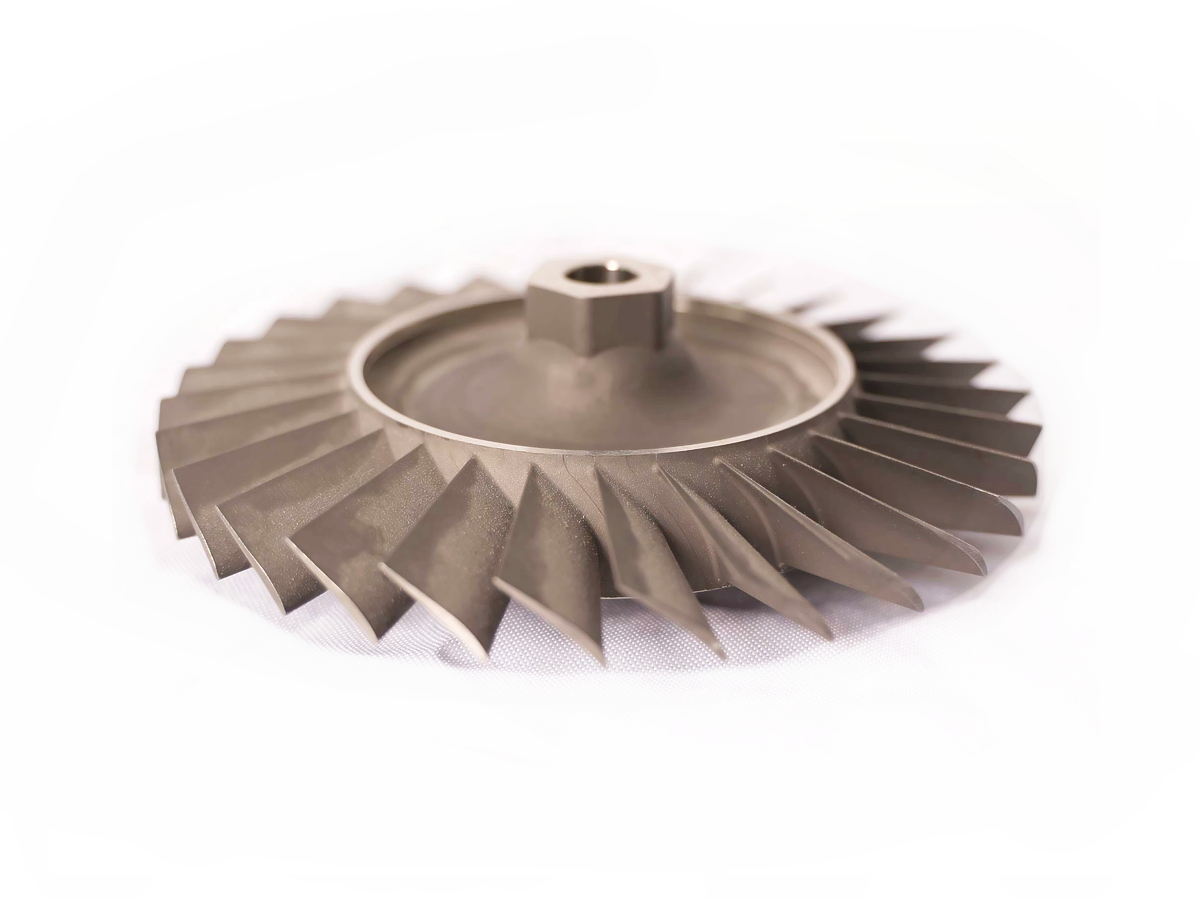
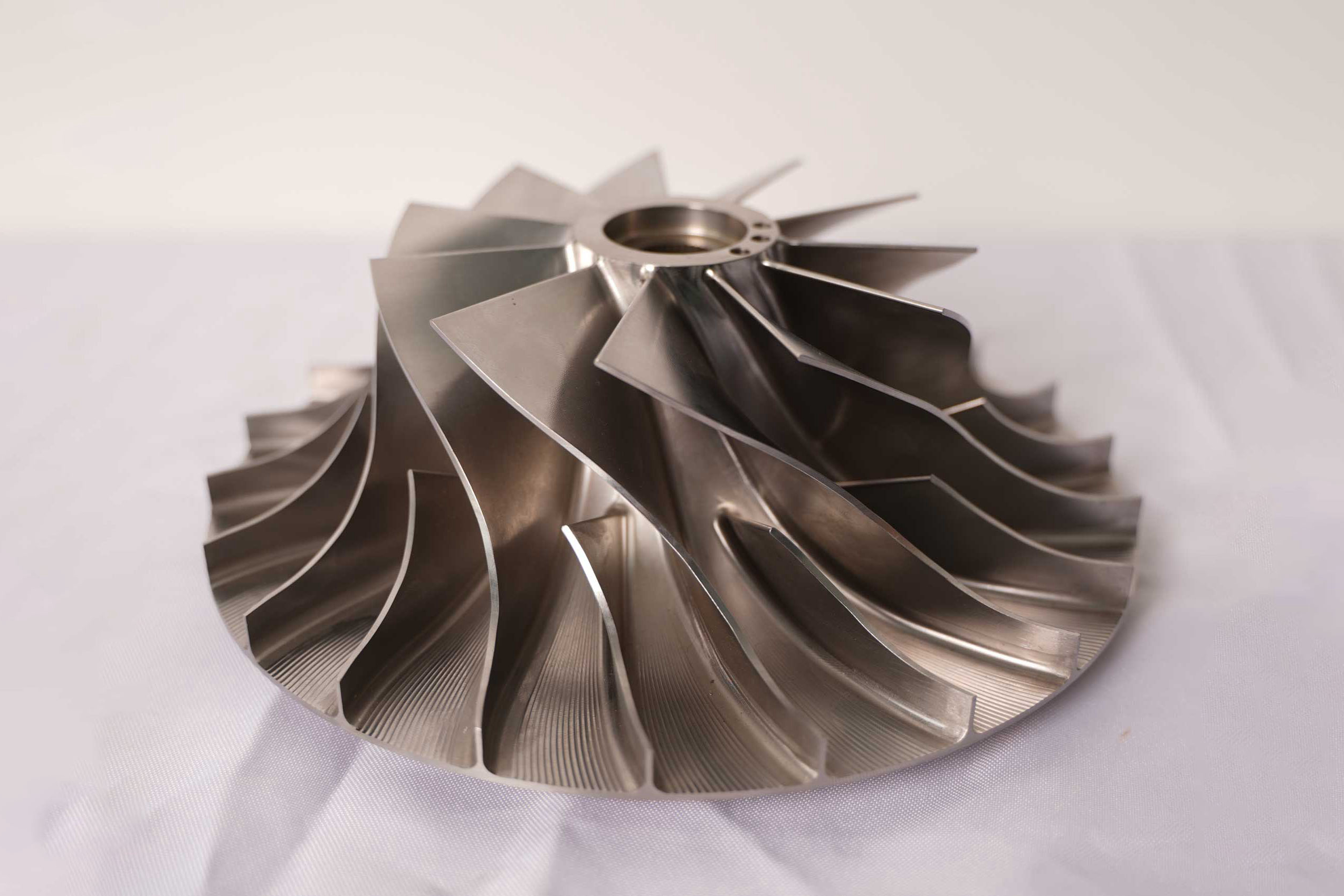
This family includes Nimonic 75, Nimonic 80A, Nimonic 81, Nimonic 86, Nimonic 90, Nimonic 105, Nimonic 115, Nimonic 263, Nimonic 901, Nimonic PE11, and Nimonic PE16. These grades are commonly used for turbine components, engine rings, hot-end fasteners, seals, retaining hardware, combustion-related structures, and other custom machined parts exposed to sustained temperature, cyclic load, and oxidation-related service conditions.
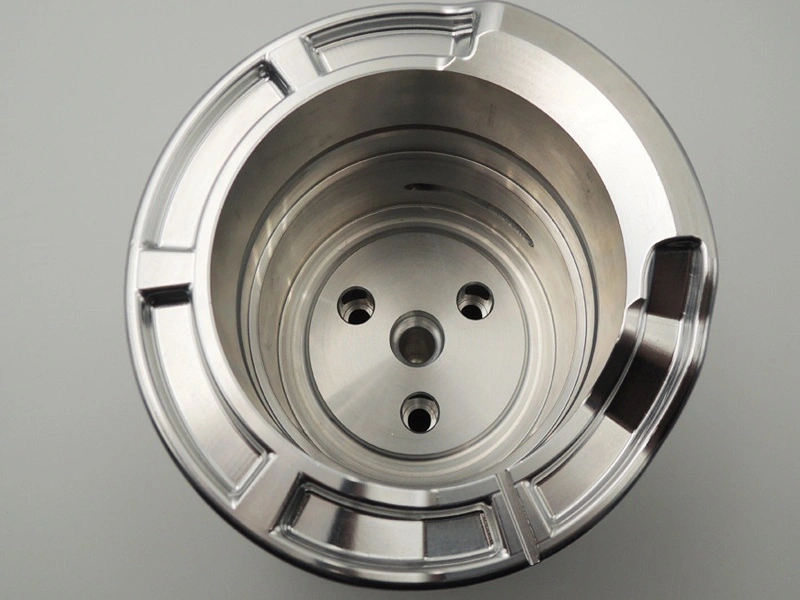
Material Family Table
Nimonic Category | Representative Grades |
|---|---|
Heat-Resistant Nimonic | Nimonic 75, Nimonic 81, Nimonic 86 |
High-Strength Wrought Nimonic | Nimonic 80A, Nimonic 90, Nimonic 901 |
Advanced High-Temperature Nimonic | Nimonic 105, Nimonic 115, Nimonic 263 |
Specialized Nimonic Grades | Nimonic PE11, Nimonic PE16 |
Selection Direction
Nimonic grade selection should be based on service temperature, creep demand, oxidation exposure, fatigue requirement, mechanical load, part geometry, and whether the component is intended for rotating, sealing, fastening, or hot-structure duty. Different Nimonic grades are not interchangeable, because each grade is optimized for a different balance of heat resistance, strength, and long-term elevated-temperature stability.
For general high-temperature nickel-alloy service, Nimonic 80A is often a common starting point. For stronger elevated-temperature strength, Nimonic 90 or Nimonic 105 may be more suitable. For higher-temperature structural and hot-section applications, Nimonic 115, Nimonic 263, or PE-series grades should be evaluated more carefully according to the actual thermal and mechanical service condition.
Design Intent of Nimonic Alloy
Nimonic alloys are designed for parts that must retain strength and stability at elevated temperature where ordinary engineering alloys would soften, oxidize, or lose fatigue life too quickly. Their design intent often centers on creep resistance, hot-strength retention, oxidation resistance, and long-term structural reliability in engine and turbine-related environments.
The design intent varies by grade. Simpler heat-resistant grades are often used where oxidation resistance and moderate hot strength are sufficient, while stronger precipitation-hardenable grades are selected for turbine and aerospace components that require higher load-bearing ability at temperature. More advanced grades are chosen when the service involves longer life, higher temperature, or more demanding cyclic and creep-related conditions.
General Properties
Property | Typical Engineering Meaning |
|---|---|
Base Alloy Type | Nickel-based high-temperature alloy family |
High-Temperature Strength | Main reason Nimonic is selected for engine and turbine hardware |
Oxidation Resistance | Important in hot gas, combustion-adjacent, and elevated-temperature service |
Creep Resistance | Critical in long-duration high-temperature structural applications |
Machinability | More difficult than common steels because of work hardening and cutting heat |
Service Reliability | Supports demanding aerospace, turbine, and industrial life requirements |
Mechanical Behavior
Property | Engineering Relevance |
|---|---|
Creep Performance | Important in sustained high-temperature load-bearing service |
Fatigue Strength | Critical in rotating and thermally cycled engine components |
Work Hardening | Strongly affects CNC tool wear and process control |
Thermal Stability | Supports dimensional reliability under elevated temperature |
Oxidation Durability | Important in hot-end structures and exposed thermal components |
Surface Integrity Sensitivity | Relevant for high-value turbine, fastening, and sealing applications |
Material Characteristics
Nimonic alloys are characterized by nickel-rich matrices strengthened through alloying and, in many grades, precipitation-hardening behavior that supports strong hot-strength retention. This makes the family suitable for thermal-duty hardware where creep, oxidation, and fatigue resistance are essential to part performance.
The family is also characterized by more difficult machining behavior than common industrial metals. Nimonic grades usually generate concentrated cutting heat, resist deformation, and can work harden during machining. This means the material family is chosen for service performance rather than machining ease. The correct grade should always be selected according to the real temperature, stress, and duty cycle of the component.
Manufacturing Process Performance
Nimonic parts are commonly produced through CNC turning, CNC milling, CNC drilling, CNC boring, and where improved finish or tighter dimensional control is required, CNC grinding. For complex high-value parts, multi-axis machining may also be used to reduce re-clamping error and improve access to critical features.
Compared with aluminum, carbon steel, or brass, Nimonic machining requires more conservative cutting conditions, better rigidity, and closer tool-wear control because of high cutting temperatures and work-hardening effects. Production planning should therefore account for the exact grade, part geometry, tolerance target, and whether the part includes fine bores, threads, sealing surfaces, thin walls, or rotating-component features.
Applicable Post-processing
Nimonic parts may require deburring, stress-relief-related handling, surface refinement, dimensional verification, and heat-treatment coordination depending on the grade and final application. Post-processing is especially important when the component is used in high-temperature structural service, cyclic loading, or oxidation-related environments where surface integrity can influence long-term performance.
For thermal-duty components, finishing and verification should focus on dimensional accuracy, edge quality, and readiness for final assembly rather than appearance alone. If the part includes sealing faces, critical contact areas, or hot-end interfaces, final verification should pay close attention to geometry, surface condition, and machining-induced damage control.
Common Applications
Nimonic alloys are widely used in aerospace, gas turbines, power-related thermal equipment, and industrial systems requiring high-temperature durability. Typical applications include turbine hardware, hot-end fasteners, retaining rings, sealing structures, engine components, combustion-related parts, and custom machined parts exposed to sustained thermal and mechanical service.
In these applications, Nimonic is selected because the part must survive temperature and load conditions that exceed the safe operating range of more common alloys. The exact grade should be chosen according to whether the design prioritizes oxidation resistance, high-temperature strength, creep life, or cyclic durability in service.
When to Choose Nimonic Alloy
Choose Nimonic Alloy when the application requires a nickel-based material with strong elevated-temperature strength, oxidation resistance, and reliable long-term service under thermal load. Nimonic is especially suitable for turbine, aerospace, engine, and heat-resistant industrial components where hot-strength retention is more important than easy machining or lower raw material cost.
For moderate-to-high temperature structural and fastening applications, Nimonic 80A or Nimonic 90 is often a practical starting point. For more demanding thermal-duty applications, Nimonic 105, Nimonic 115, Nimonic 263, or PE-series grades may be more appropriate. The safest selection route is always to confirm the exact temperature, load, duty cycle, oxidation environment, and required life before finalizing the grade.
Engineering Selection Note
Nimonic Alloy should be selected according to the actual service condition rather than by alloy family name alone. For RFQ evaluation, customers should provide the 2D drawing, 3D model, dimensional tolerance, operating temperature, load condition, fatigue or creep requirement, surface finish expectation, heat-treatment requirement, and whether the part is intended for prototype, repair, or production use.
This allows NewayMachining to determine whether heat-resistant, high-strength, or advanced high-temperature Nimonic grades are the most suitable material route for the project, and whether turning, milling, drilling, boring, grinding, or multi-axis machining is the best process combination for the final component.
Explore Related Blogs