What Are the Typical Post Process for Superalloy CNC Machined Components
What Are the Typical Post Process for Superalloy CNC Machined Components?
Typical post-processes for superalloy CNC machined components include stress relief, heat treatment, HIP, precision grinding, deburring, polishing, surface coating, passivation or cleaning, non-destructive testing, dimensional inspection, and final documentation. The correct post-process depends on the alloy grade, operating temperature, tolerance, fatigue requirement, and application environment.
From an engineering perspective, superalloy parts are often used in aerospace, power generation, oil and gas, turbine, and high-temperature equipment. Post-processing is therefore not only for appearance. It helps control residual stress, surface integrity, dimensional accuracy, oxidation resistance, coating performance, and long-term reliability.
1. Common Post-Processes for Superalloy CNC Machined Parts
Post-Process | Purpose |
|---|---|
Stress relief | Reduces residual stress from machining and helps improve dimensional stability |
Heat treatment | Adjusts strength, hardness, precipitation condition, and high-temperature performance |
HIP treatment | Improves internal integrity for critical high-temperature alloy components when required |
Precision grinding | Controls tight dimensions, sealing faces, bearing seats, and high-accuracy surfaces |
Deburring and edge finishing | Removes sharp edges, burrs, and stress concentration points |
Polishing | Improves surface smoothness, flow performance, and fatigue-sensitive areas |
Thermal coating or TBC | Improves oxidation, heat, and wear resistance in high-temperature service |
NDT and final inspection | Verifies cracks, internal defects, dimensions, surface condition, and drawing compliance |
2. Stress Relief and Heat Treatment Are Often Important
Superalloys such as Inconel, Hastelloy, Nimonic, Rene, and Stellite grades may retain machining stress after roughing, finishing, or EDM operations. Stress relief or heat treatment can help reduce distortion risk and stabilize mechanical properties.
For high-performance alloys such as Inconel 718, Inconel 625, or Hastelloy C-276, the required heat treatment condition should be confirmed before production, especially when strength, corrosion resistance, or high-temperature performance is critical.
3. HIP May Be Used for Critical High-Temperature Components
Hot Isostatic Pressing may be considered for critical superalloy components where internal soundness, fatigue resistance, and high-temperature reliability are important. It is more common for high-value aerospace, turbine, and power generation components than for ordinary industrial parts.
For demanding projects, HIP service can be evaluated together with machining sequence, heat treatment, final dimensional inspection, and material certification.
4. Grinding and Polishing Help Control Functional Surfaces
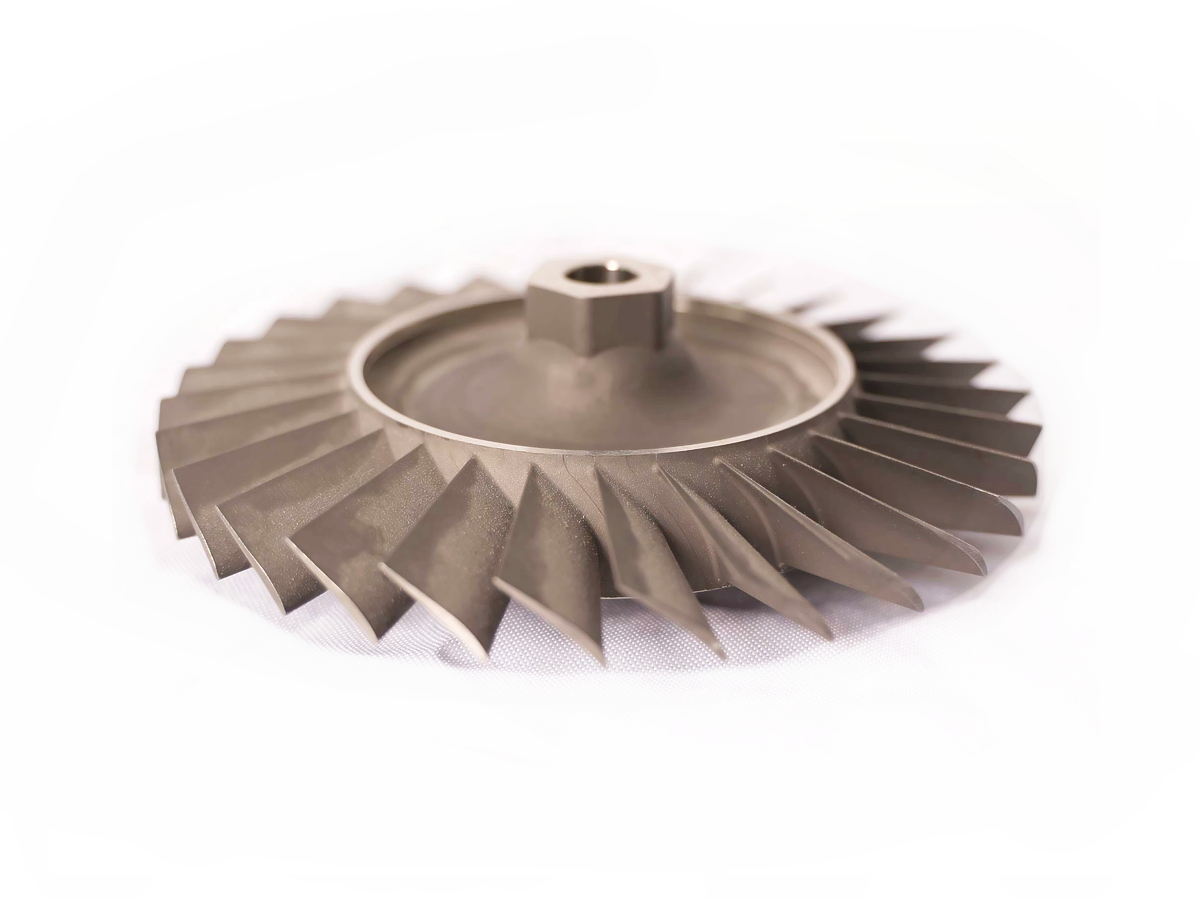
After superalloy CNC machining, some features may require additional finishing to meet tight tolerance or surface roughness requirements. These features may include sealing faces, shaft journals, bearing seats, mounting datums, blade root surfaces, and precision mating areas.
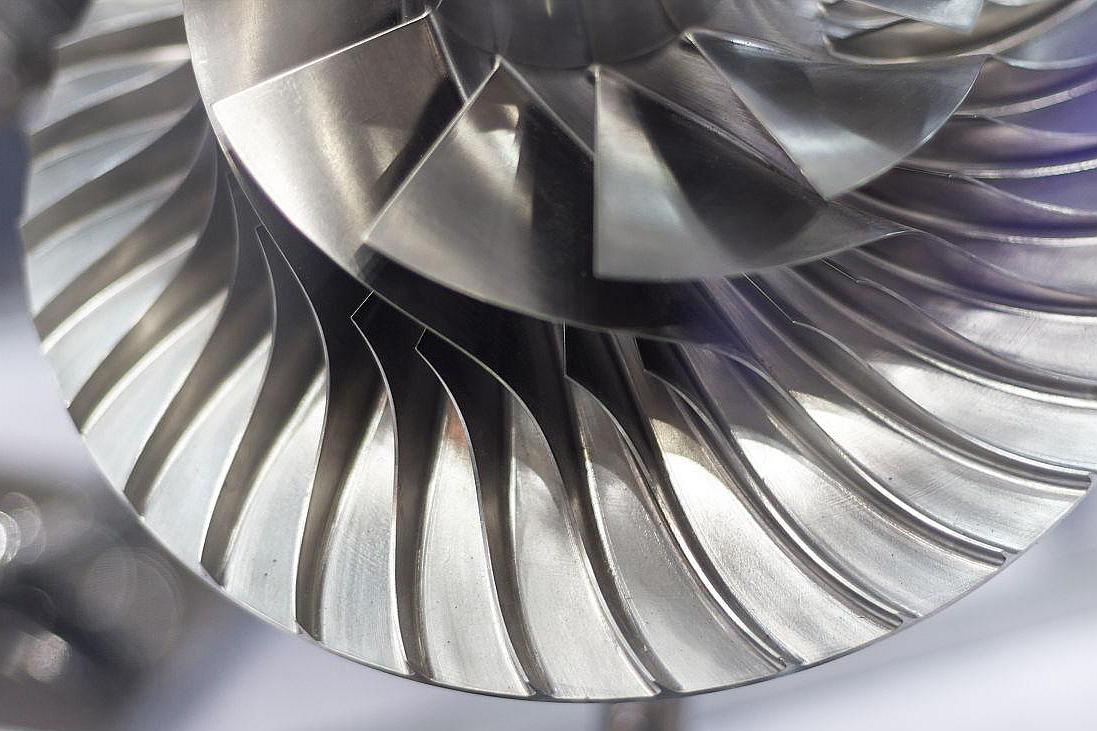
CNC grinding can improve dimensional accuracy, flatness, roundness, and surface finish after heat treatment or rough machining. Polishing may be used where lower surface roughness, smoother flow, or reduced stress concentration is required.
5. Coating May Be Required for Heat, Oxidation, or Wear Resistance
Superalloy parts used in turbine, combustion, exhaust, or high-temperature environments may require surface coatings. These coatings can improve oxidation resistance, thermal protection, or wear resistance, depending on the part function and working temperature.
For hot-section components, thermal coating service or thermal barrier coating may be evaluated after machining and before final inspection. Coating thickness and masking areas should be confirmed because they can affect final dimensions.
6. NDT and Inspection Should Match the Application Risk
Superalloy CNC machined components may require dimensional inspection, CMM reports, surface roughness reports, hardness checks, material certificates, dye penetrant testing, X-ray inspection, ultrasonic testing, or metallographic analysis depending on the application.
For critical parts, quality control in CNC machining should verify dimensions, surface condition, material traceability, defect control, and final post-process status before shipment.
7. Post-Processing Should Be Defined Before Quotation
Post-processing can significantly affect cost, lead time, and final quality. Heat treatment, HIP, coating, grinding, polishing, and NDT should be specified during the RFQ stage rather than added after machining starts.
Buyer Should Specify | Why It Matters |
|---|---|
Superalloy grade | Different alloys require different heat treatment and machining strategies |
Final heat treatment condition | Affects strength, hardness, distortion risk, and final inspection state |
Critical tolerances | Determines whether grinding or post-treatment finishing is needed |
Surface roughness | Defines polishing, grinding, or coating preparation requirements |
Coating requirement | Affects masking, allowance, thickness control, and final dimensions |
Inspection documents | Determines required reports, NDT, certificates, and traceability records |
8. Practical Engineering Recommendation
For superalloy CNC machined components, buyers should define post-process requirements based on working temperature, mechanical load, corrosion exposure, fatigue risk, and final assembly function. Common post-processes include stress relief, heat treatment, HIP, grinding, polishing, coating, NDT, and final inspection.
To evaluate the correct process route, buyers should provide the 2D drawing, 3D model, alloy grade, heat treatment requirement, surface roughness, coating requirement, critical dimensions, inspection requirements, and quantity. Neway can review the part and recommend a suitable machining and post-processing plan for high-performance superalloy components.