When Should a Buyer Move from Low Volume Manufacturing to Mass Production?
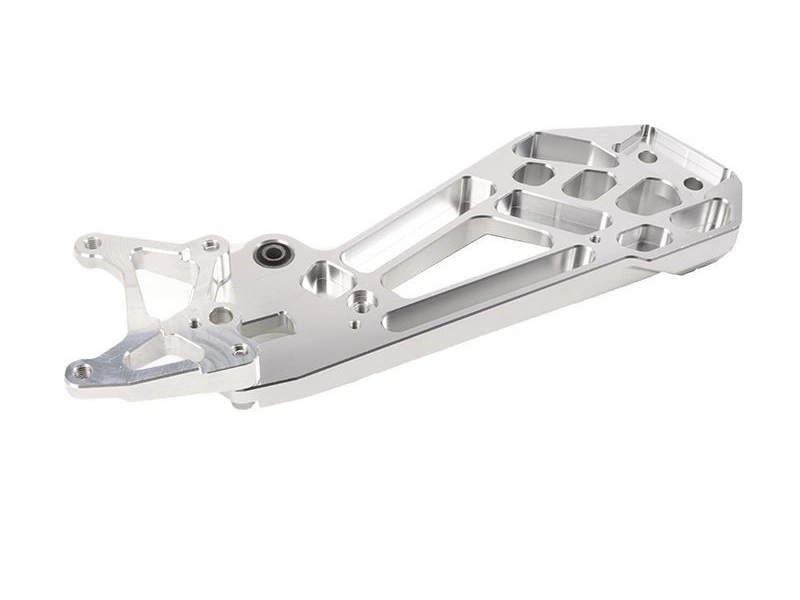
When Should a Buyer Move from Low Volume Manufacturing to Mass Production?
A buyer should move from low volume manufacturing to mass production when the released design, demand pattern, cost model, and supply capacity all support repeatable output. The decision needs more than a larger forecast: the revision, material condition, critical interfaces, inspection method, and change authority must be stable enough to release a controlled process.
Low volume manufacturing remains the better fit while learning, design changes, or demand uncertainty dominate. Mass production becomes practical when repeatability matters more than flexibility and the buyer can fund inventory, validation, and a defined replenishment cadence.
1. Design Freeze Is the First Mass-Production Gate
Design freeze is the first transfer gate. A buyer is closer to mass production when the released revision, material state, datum scheme, and critical interfaces are stable. During prototyping and low volume manufacturing, engineers may still adjust tolerances, features, or materials, so flexibility has greater value than scale.
A frozen drawing is not enough. The supplier also needs an approved setup, workholding logic, inspection method, and first-piece evidence. If a design change can still alter tooling, fixtures, surface treatment, or fit, the mass-production release is premature.
Transition Signal | Evidence to Confirm | Release Meaning |
|---|---|---|
Design freeze | Approved revision, material state, and critical interfaces | Programming and validation can be frozen |
Demand stability | Reorder pattern, backlog, and service-level need | Supports planned lots without excess inventory |
Unit cost pressure | Separate setup cost from recurring piece cost | Scale can reduce recurring burden when volume is real |
Capacity requirement | Required output, inspection load, and outside processes | Defines the transfer plan and supplier capacity |
2. Stable Demand Must Support a Repeatable Release Plan
Stable demand is the second gate. Low volume manufacturing suits pilot builds, uncertain markets, and irregular orders because it limits inventory exposure. A mass-production route needs a demand pattern that is repeatable enough to plan material, tooling, inspection capacity, and finished-goods commitments.
Review actual reorder behavior rather than a single optimistic forecast. A buyer should compare backlog, service-level requirements, stock policy, and the cost of holding or scrapping inventory. If demand falls below the planned cadence, a scale contract can create excess stock even when the process itself is capable.
3. Unit-Cost Pressure Matters Only After the Process Is Stable
Unit-cost pressure becomes meaningful after the design and process are repeatable. Low volume manufacturing carries setup, programming, fixture, and engineering effort across fewer parts. Mass production can lower recurring piece cost through longer runs and planned tooling, but it cannot make an unstable process economical.
Separate one-time transfer cost from recurring cost before choosing mass production. Include material yield, tool consumption, inspection labor, scrap allowance, packaging, and change control. A lower quote is not a saving if a rejected batch or rework event remains outside the model.
4. Capacity Need Shows When Small-Batch Supply Is No Longer Enough
Capacity is a transfer signal when the program needs scheduled replenishment, shorter release intervals, or sustained output that a flexible small-batch route cannot support. Evaluate machine time, fixture availability, inspection throughput, material lead time, outside-process ownership, and shipment cadence together.
Do not judge readiness from current order size alone. A growing program may still need low volume if demand, design, or quality evidence is unsettled. Conversely, a modest but regular requirement may justify a mass-production route when missed replenishment has a larger cost than a higher unit price.
If the project still needs... | The better fit is usually... |
|---|---|
Frequent design updates and engineering flexibility | |
More stable forecasting and lower unit cost | |
Ongoing validation and early product learning | Prototyping or low volume support |
High, repeatable output with few changes |
5. Several Signals Must Align Before the Transfer
Most buyers move to mass production when several signals align: the revision is released, demand has repeatable pull, the recurring cost target is real, and capacity is planned. The transfer should also have first-piece and batch evidence, a known final-state inspection method, and a named owner for deviations.
This is a joint business and engineering decision. A project is ready for scale when the part, market, process, and evidence are ready together, not when a buyer asks for a lower quote in isolation.
6. Do Not Scale While Core Uncertainty Remains
Early mass production can amplify an unresolved design change, wrong material condition, fixture drift, or weak inspection method. It can also create inventory that becomes obsolete when the product changes. These failure modes turn a lower planned unit cost into scrap, rework, write-offs, and delayed customer delivery.
Use low volume manufacturing to close those uncertainties. Require a released revision, material-lot traceability, first-piece approval, batch records, and change re-verification before moving the release authority. The transition is stronger when the buyer can show what evidence is complete and what risk remains.
7. Use a Release Gate, Not a Single Forecast
A buyer should move from low volume manufacturing to mass production when design, demand, recurring cost, capacity, and evidence support repeatable output. The practical gate is a released revision, known material state, validated setup, first-piece and batch inspection plan, and clear deviation and change responsibility.
For the RFQ or transfer review, provide the drawing revision, material grade and temper, expected lot cadence, critical dimensions, surface requirements, inspection records, inventory assumptions, outside-process final state, and change-notification rule. The next-stage mass production service can then be judged on repeatability and total risk, not on a forecast alone.