What Types of Products Are Best Suited for a Low Volume Manufacturing Service?
What Types of Products Are Best Suited for a Low Volume Manufacturing Service?
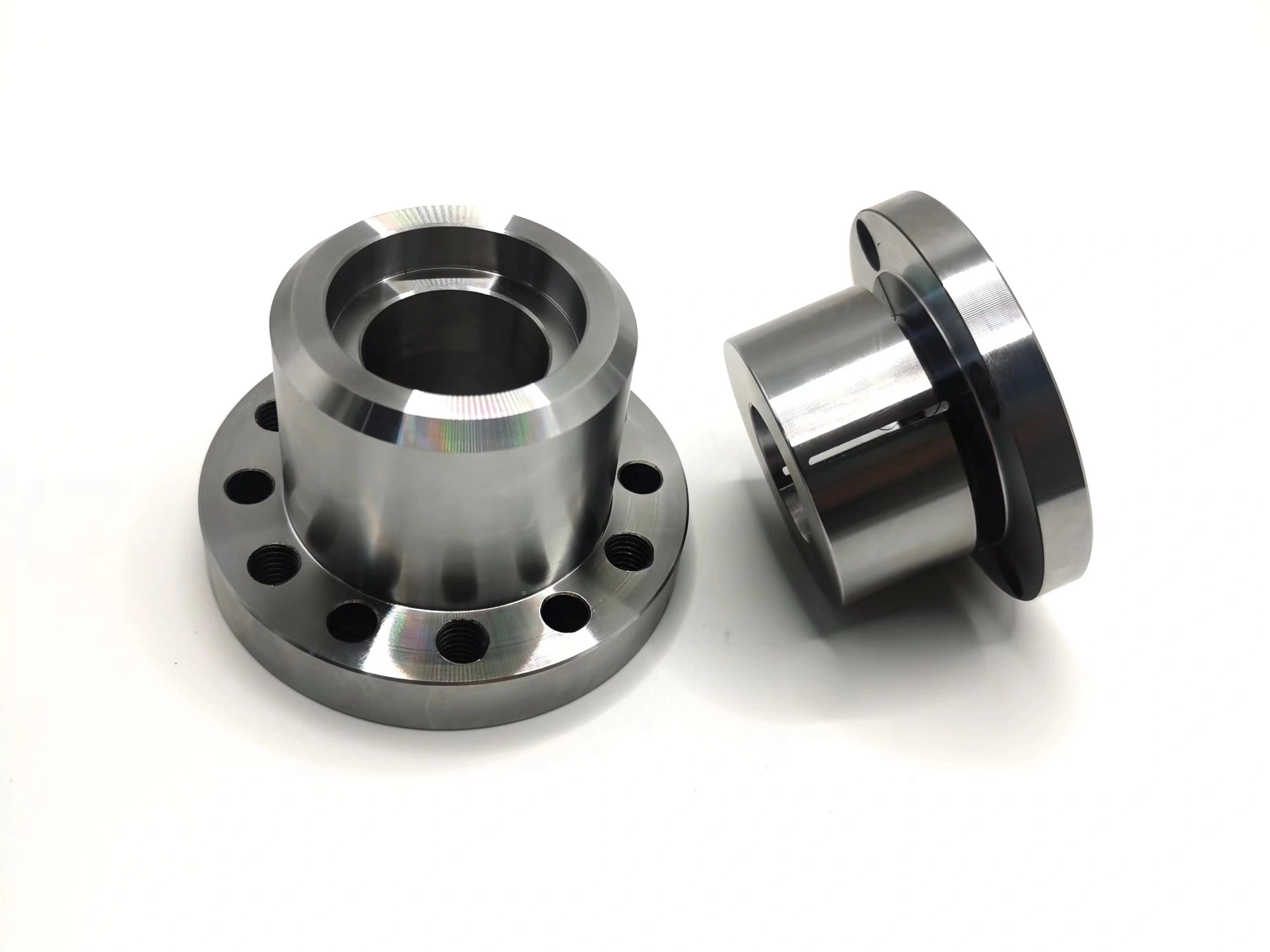
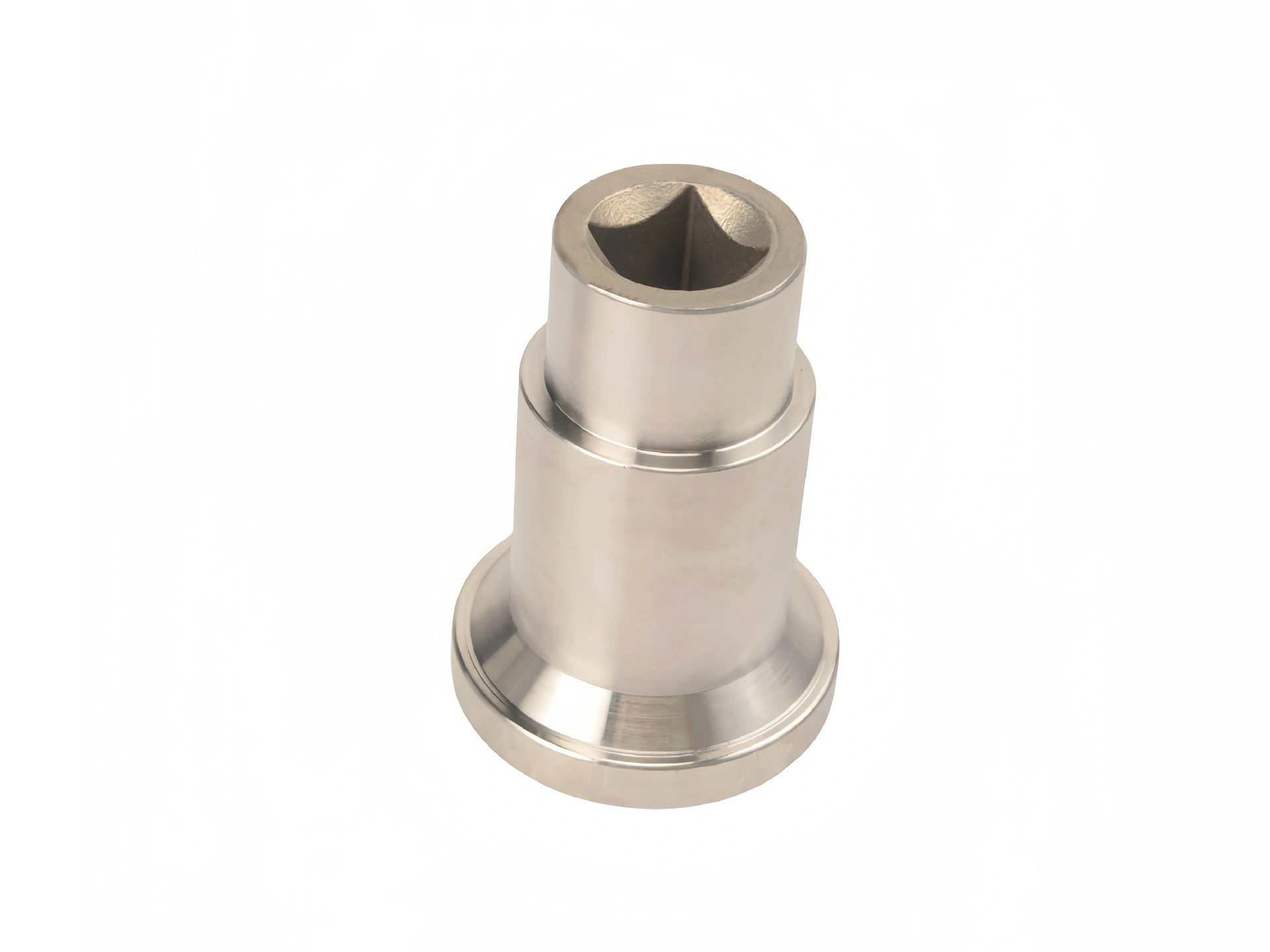
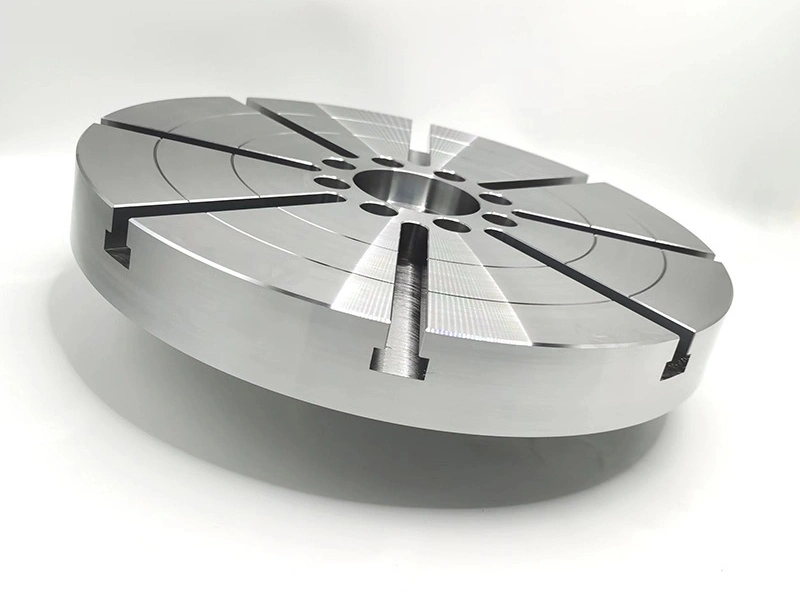
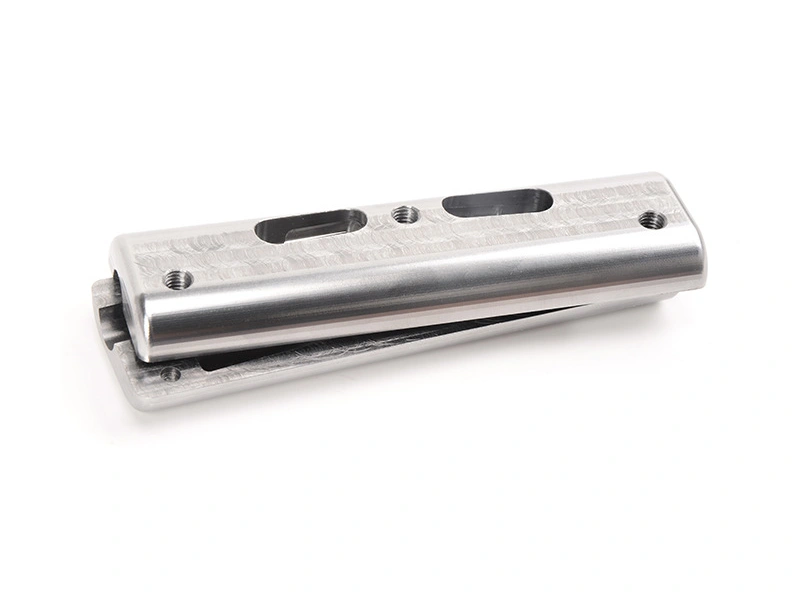
The products best suited for a low volume manufacturing service are medical devices, specialized industrial parts, automation components, and replacement parts that need repeatable supply without stable high-volume demand. The fit is strongest when an approved product baseline exists, but order timing, configuration, lifecycle demand, or the next production route remains uncertain. A sector name alone does not prove suitability; critical interfaces, material state, inspection scope, change frequency, and failure consequence still control the decision. Buyers should release the exact revision, quantity ladder, acceptance evidence, and reorder condition in the RFQ.
Low volume is less suitable when the core design is still being discovered or when a mature, standardized product has predictable high-volume demand. The first case may still need prototyping, while the second may justify a scaled process. Product screening therefore starts with lifecycle and evidence: what must repeat, what may change, how a failure will be detected, and who authorizes the next batch.
1. Medical Products Fit When the Released Baseline Can Be Controlled
Medical devices can suit low volume manufacturing when staged demand, revision control, material condition, critical interfaces, and final-state inspection are defined. Examples include device housings, instrument components, fixtures, and nonstandard subassemblies that need controlled repeat delivery. The product category does not remove the need for application-specific requirements or regulatory review.
The RFQ should identify the drawing revision, material grade and state, surface or cleaning condition, critical features, inspection record, lot linkage, packaging, and change authority. A failure mode is approving a first sample, then changing a material lot, finish, fixture, or inspection method without re-verifying the affected interface. Batch records must match the released configuration rather than rely on a general medical label.
Product Type | Condition That Supports Low Volume | Buyer Evidence |
|---|---|---|
Medical devices | Controlled revision, critical interfaces, and staged demand | Material/finish state, first-piece, batch records, and change approval |
Industrial equipment parts | Application-specific geometry and variable build or service demand | Equipment configuration, functional features, and interchangeability check |
Automation components | Line or machine versions need repeat parts before standardization | Interface datums, assembly check, configuration, and revision release |
Custom replacement parts | Irregular repeat demand and an identifiable service baseline | Source drawing, wear allowance, material state, and reorder record |
2. Industrial Equipment Parts Fit Configuration and Service Demand
Products used in industrial equipment fit low volume manufacturing when housings, brackets, shafts, sleeves, fixtures, or interfaces are specific to a machine configuration. Demand may follow equipment builds, upgrades, maintenance, or field failures rather than a smooth forecast. The manufacturing baseline must still define material, datum scheme, functional surfaces, finish, and acceptance.
A product is a stronger fit when excess stock would create revision or obsolescence risk, yet downtime makes repeat supply important. Validate fit and interchangeability against the released equipment configuration, not only a loose sample. If an old drawing conflicts with a worn field part, record the assumption and obtain engineering disposition before the next batch.
3. Automation Components Fit Versioned Machine Builds
Automation brackets, sensor mounts, actuator supports, connector plates, guides, and machine interfaces often suit low volume manufacturing because each line or customer build can have a defined configuration. The part may repeat within that version even while the overall equipment platform continues to evolve. This differs from an unresolved prototype whose critical geometry still changes during fabrication.
Use an interface-based release: identify assembly datums, sensor or actuator locations, cable or connector clearance, mating hardware, finish, and the machine revision. Inspect the first piece against those interfaces before releasing the remaining batch. When a line version changes, do not assume the prior fixture or inspection result remains valid; re-check the affected assembly function.
4. Replacement Parts Fit Only With a Trustworthy Baseline
Custom replacement parts suit low volume manufacturing when demand is real but irregular and the approved geometry can be reproduced. Service housings, shafts, brackets, fittings, and machine-specific components may be needed long after the original production program slows. A repeatable low-volume route can reduce stock exposure while preserving an identified revision and inspection record.
The main risk is treating a worn part, incomplete drawing, or substitute material as an unquestioned source. Record whether dimensions come from the original design, a measured sample, or an engineering reconstruction. Define wear allowances, mating features, heat treatment or finish, and final-state acceptance. Preserve that released basis for future reorders so each service batch does not become a new prototype.
Project Condition | Risk If Misclassified | Buyer Confirmation |
|---|---|---|
Frequent design changes | Repeat orders may carry an obsolete or unapproved revision | Released baseline, change authority, and re-verification trigger |
Unstable demand | Excess inventory or repeated emergency orders | Quantity ladder, reorder signal, stock policy, and delivery event |
Small but repeatable service demand | Each order becomes an undocumented one-off build | Revision, material/lot identity, inspection record, and reorder baseline |
Bridge-stage commercial rollout | Temporary tooling or processing becomes permanent without review | Bridge exit gate, dependency owner, and transfer validation |
5. Change Frequency Helps Only When Each Batch Has a Released Revision
A product with frequent configuration changes can fit low volume manufacturing because smaller controlled batches limit obsolete stock and isolate revisions. The benefit exists only when each order identifies its approved baseline. If fit, function, or material is still being discovered during the build, the product belongs in prototyping rather than repeat supply.
Use revision-specific fixtures, programs, inspection records, and packaging instructions where the change affects them. State who may approve a deviation and which features require re-verification. This prevents flexibility from becoming uncontrolled variation and lets the buyer compare change cost against inventory and tooling risk before releasing the next batch.
6. Demand Pattern Determines Inventory and Process Tradeoffs
Products with irregular launches, equipment builds, service events, or customer configurations often benefit from low volume manufacturing because demand cannot support a stable high-volume schedule. The buyer can order against defined triggers while preserving a repeat route. This reduces exposure to obsolete stock, but it may not deliver the unit economics of a dedicated scaled process.
A mature product with predictable demand, frozen configuration, and sustained capacity needs should be reviewed for mass production instead. Compare the quantity ladder, setup burden, tooling, material commitment, inspection load, outside processing, inventory carrying risk, and transition cost. The best product fit balances total supply risk, not just the quoted unit price.
7. Select Products by Evidence, Lifecycle, and Failure Consequence
Products best suited for a low volume manufacturing service include controlled medical components, specialized industrial parts, versioned automation components, and traceable replacement parts. They fit when a released baseline can repeat but demand, configuration, lifecycle, or the next route does not justify scale. Products with open core design questions need more prototype work; mature stable products may need a scaled process.
For buyers, the RFQ should connect product type to evidence: revision, material state, critical interfaces, quantity ladder, first-piece and batch records, final-state acceptance, reorder trigger, and change authority. That screening makes medical-device projects and industrial-equipment applications suitable only when their actual product conditions support controlled low-volume supply.