What Is the Difference Between Small Batch Manufacturing and Prototyping?
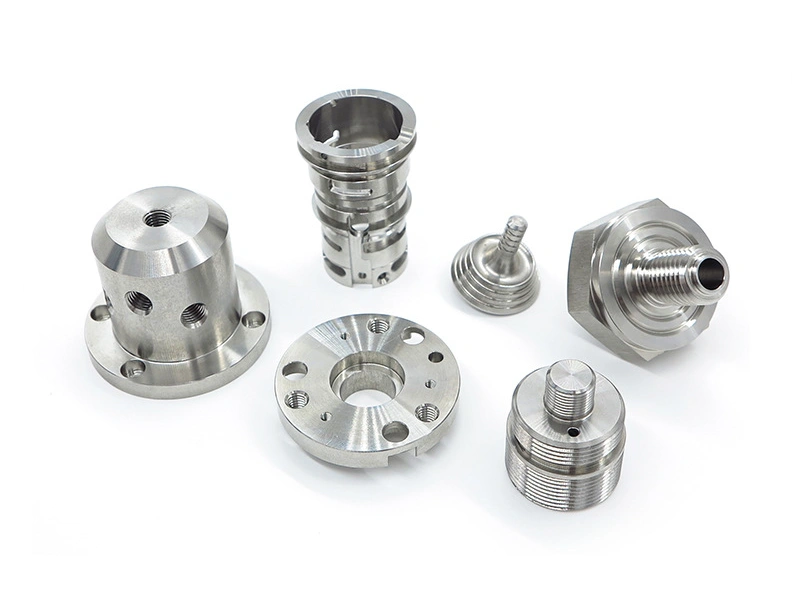
What Is the Difference Between Small Batch Manufacturing and Prototyping?
The main difference between small batch manufacturing and prototyping is the evidence contract, not a fixed quantity. Prototyping uses identified samples and controlled variations to answer design questions. Small batch manufacturing uses one released configuration and production controls to make usable parts and evaluate lot-level conformance, assembly, field, demand, or delivery. Buyers should choose the stage from the open decision, allowed changes, acceptance basis, and release responsibility.
Both stages can use the same CNC process, material, or even similar quantities. The distinction changes when inputs, outputs, and authority change. Prototype results justify a design decision; deviations may be intentional and sample-specific. A small batch requires revision control, material and finish identity, critical-feature acceptance, lot records, nonconformance disposition, and authorization before any change affects delivered parts.
1. Prototyping Uses Parts to Resolve a Design Question
Prototyping fits when geometry, interfaces, material direction, ergonomics, appearance, or function remains under evaluation. Each sample should have a named configuration and test purpose. Differences among samples are acceptable only when they are intentional, recorded, and connected to the result.
Prototype inspection confirms the features needed to interpret the experiment; it need not imitate a later production plan. A failed test may lead to a new revision rather than a manufacturing corrective action. The buyer should record what changed, which condition was tested, and whether the result supports another sample, a design release, or cancellation.
Stage | Controlled Input | Evidence and Decision |
|---|---|---|
Named sample configuration, experiment, and permitted variation | Test result supports a design change, confirmation, or another experiment | |
Released revision, material state, process assumptions, and acceptance plan | Lot evidence supports release, correction, repetition, scale-up, or stop |
2. Small Batch Manufacturing Uses a Released Baseline
Small batch manufacturing fits when the design questions that would invalidate repetition are closed and the buyer needs usable parts under a common requirement. The batch may support pilot assembly, customer or field use, bridge supply, replacement demand, or limited sales. Its purpose and acceptance consequence must be stated before release.
The supplier should preserve revision, material and lot identity through machining, deburring, outside processing, inspection, packaging, and shipment. A conforming first piece does not prove the lot. Features vulnerable to tool wear, fixture movement, thermal change, burrs, or coating require an agreed check and reaction plan.
3. Quantity Is Context, Not the Stage Definition
A small quantity can require production controls when the parts enter a regulated, safety-relevant, or customer delivery. A larger quantity can remain prototyping when it consists of test coupons or deliberately different configurations. Small batch manufacturing begins when repeated parts share a released baseline and delivery responsibility, not when an arbitrary count is crossed.
Quantity still affects setup economics, stock purchasing, inspection workload, and the opportunity to observe drift. Include quantity and forecast in the RFQ, but also state the batch purpose, configuration, critical features, records, deviation authority, and next decision. Those fields let the supplier price and control the actual stage.
4. Acceptance Scope and Change Authority Are Different
Prototype acceptance may allow a documented sample deviation when it does not invalidate the test. Small-batch acceptance should follow the released drawing, material, finish, and purchase-order requirements for every delivered configuration. Use-as-is, repair, substitution, or process change requires the named authority and any necessary re-verification.
Inspection scope should follow function and failure consequence. A datum-related hole pattern, sealing face, thread, bearing fit, or coated bore may need stronger evidence than a clearance feature. The method, timing, sample or full-inspection scope, record, and reaction rule must be defined before production begins.
Comparison Area | Prototyping | Small Batch Manufacturing |
|---|---|---|
Main purpose | Resolve a named design, material, interface, or function question | Supply and evaluate repeated parts under a released requirement |
Quantity meaning | Enough identified samples to support the experiment | A controlled lot sized for the supply or validation decision |
Quality focus | Test-relevant features and documented sample conditions | Critical-feature conformance, process drift, lot records, and disposition |
Delivery focus | Learning speed and controlled revision of development samples | Usable parts, configuration control, evidence package, and release action |
5. The Same Part Can Move Between Stages After a Formal Release
Consider a hypothetical sensor housing, not a Neway customer case. Three thin-wall 6061-T6 prototypes intentionally compare rib geometry and gasket compression. Their individual dimensions and test results identify the preferred configuration. A later 60-piece batch uses one released revision to evaluate unclamping movement, anodized bore size, assembly leakage, and field handling across a traceable lot.
The numbers belong only to this scenario. The stage changes because the experiment closes, one configuration is released, and the next evidence concerns repeat supply. If field results require another rib or seal change, the affected work returns to controlled prototype validation before a revised small batch is released.
6. CNC Machining Can Serve Both Stages With Different Controls
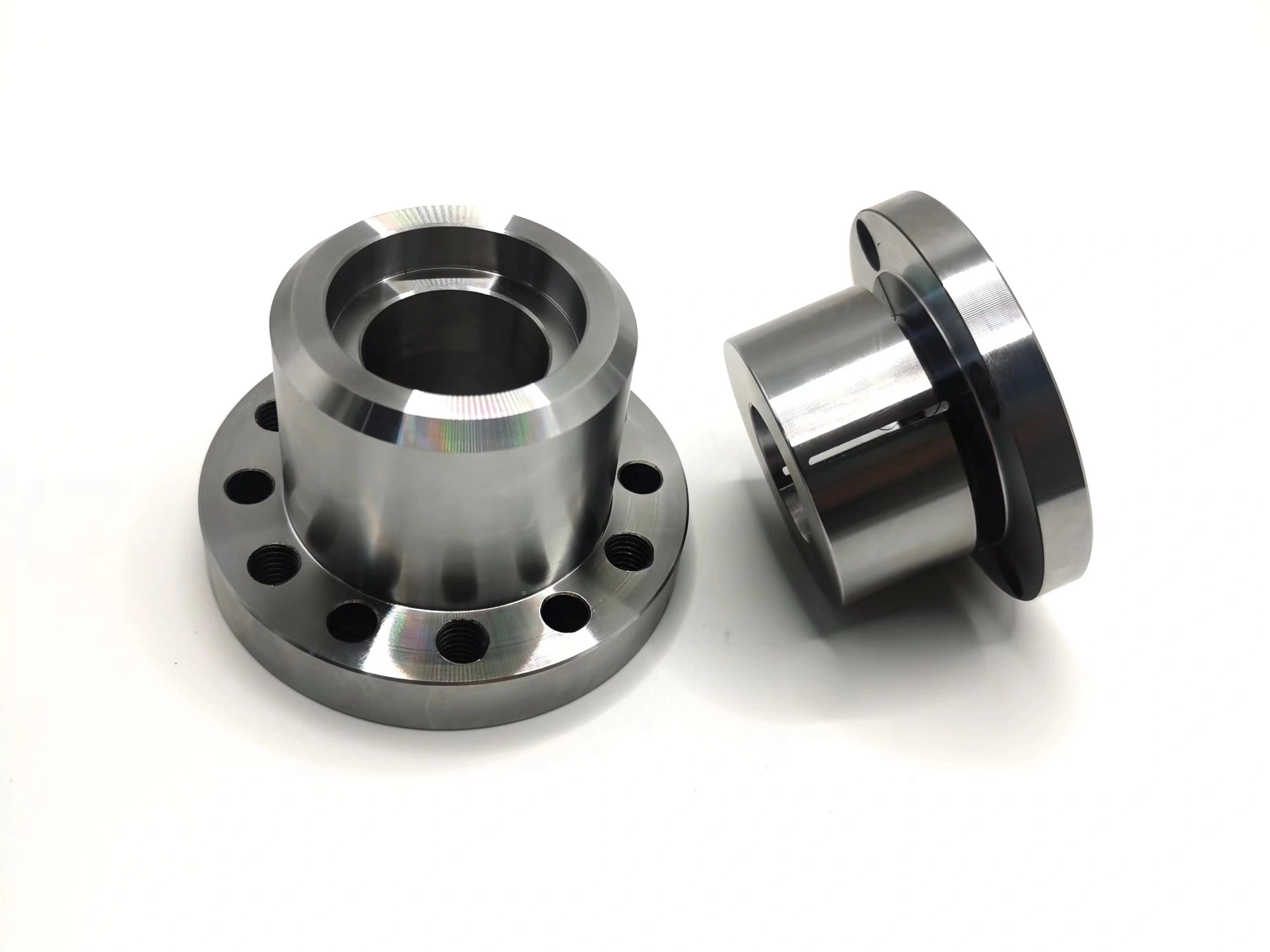
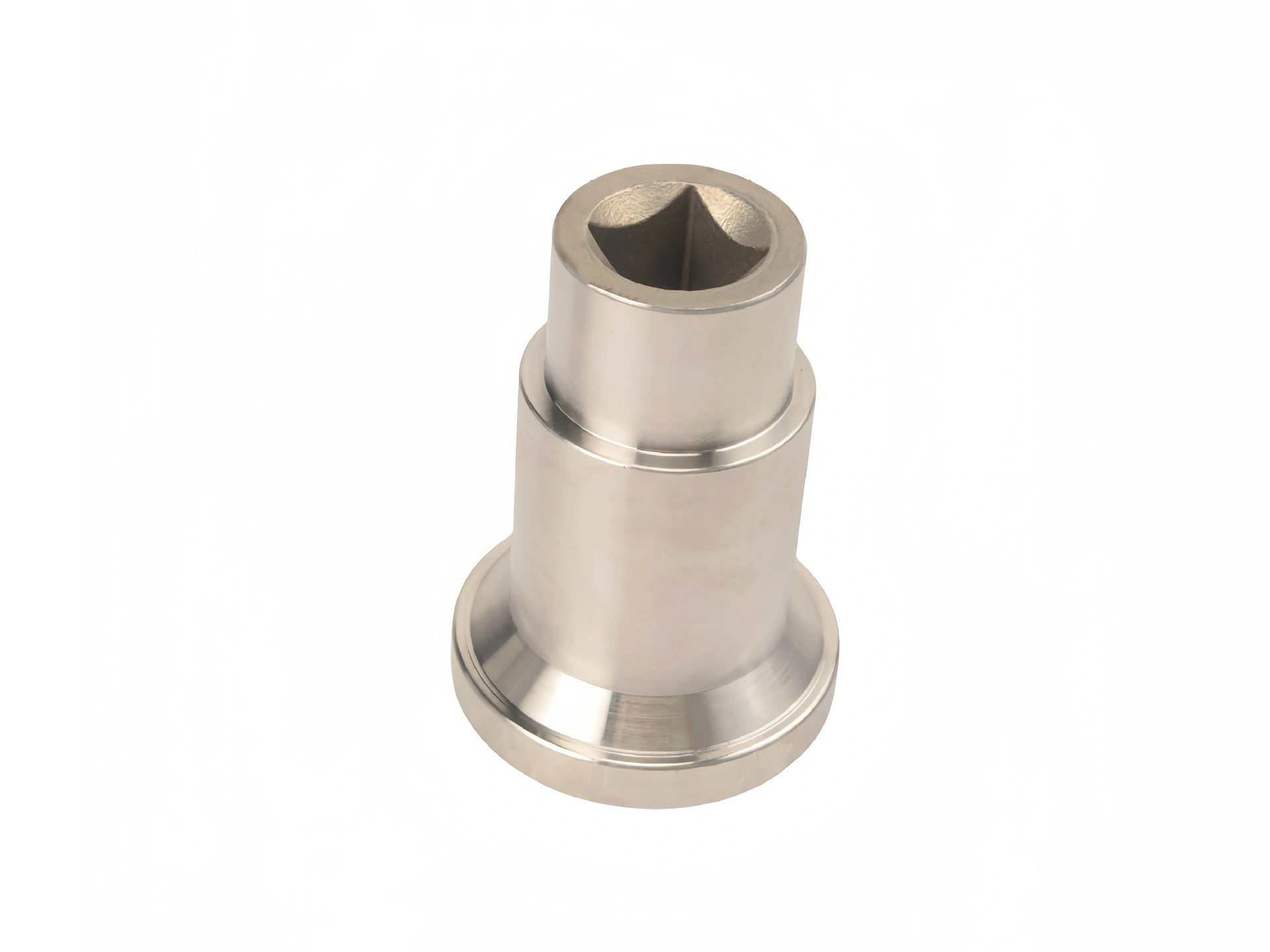
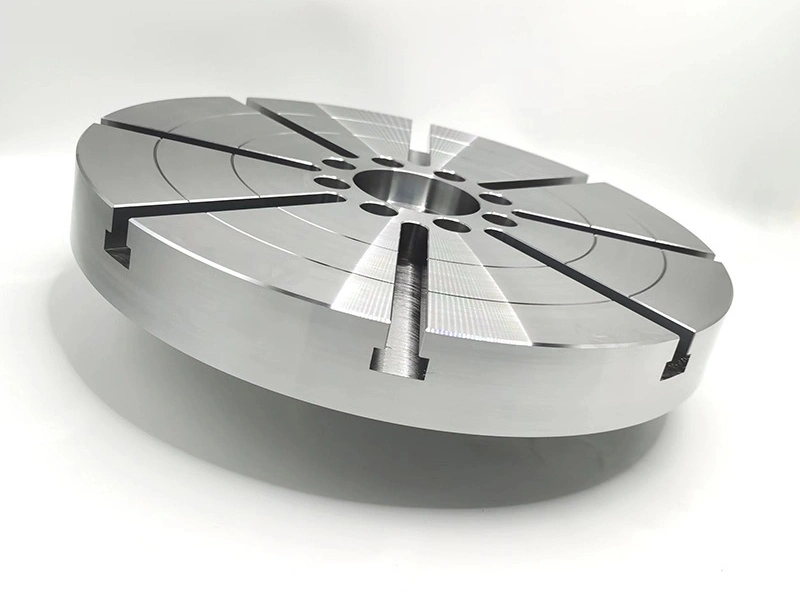
CNC machining prototyping can quickly produce identified samples without dedicated hard tooling, while the same general process family can support a small batch after release. The program, stock, workholding, roughing and finishing sequence, deburring, outside processing, and inspection plan must then be controlled for repeat delivery.
A prototype program should not be promoted unchanged merely because one sample passed. Review datum establishment, tool access and life, fixture repeatability, material-lot effects, final-state inspection, throughput, and record requirements. Approve the production route only for the revision and conditions actually verified.
7. Choose the Stage From the Decision and Responsibility
The difference between prototyping and small batch manufacturing is whether the work supports design learning with controlled sample variation or repeated delivery under a released baseline. Quantity influences cost and evidence, but it does not define either stage.
For the RFQ, state the experiment or batch purpose, configuration, revision, material and finish, critical features, acceptance records, allowed deviations, change authority, delivery use, and next decision. Use CNC machining prototyping while fundamental questions remain open; release small-batch manufacture after those questions close and lot-level responsibility is explicit.